A safari company should be defined by its guides — not its marketing.
Why KisangaraAfrica’s largest protected ecosystem — at 5% of the visitor density.
Southern CircuitFrom endless Serengeti plains to Zanzibar's coral reefs — fourteen destinations, each unmistakable.
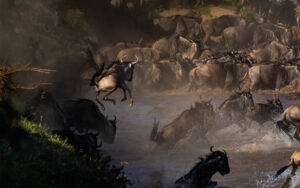
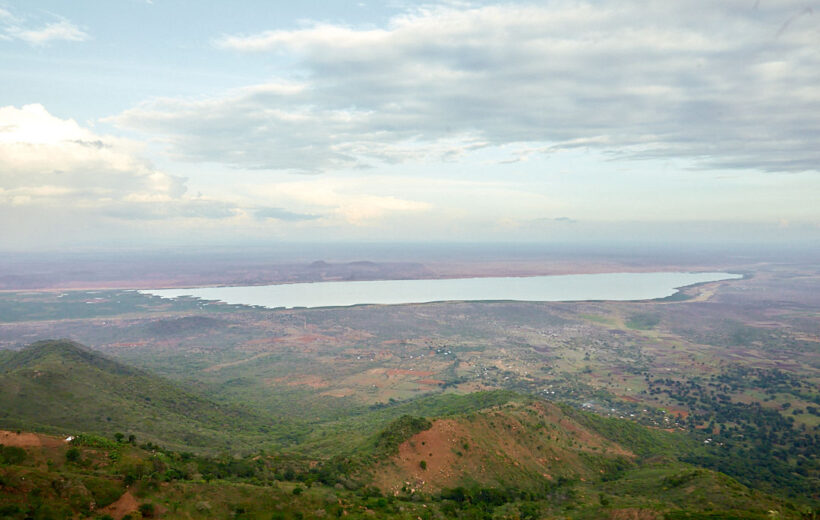
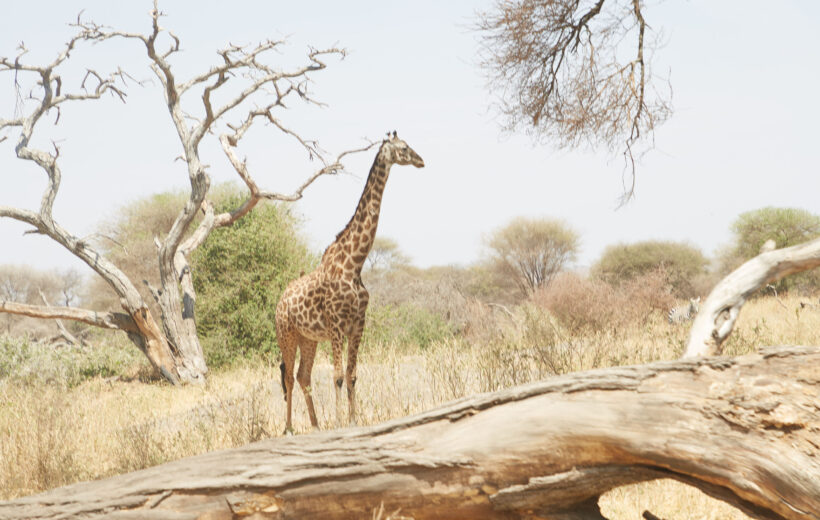
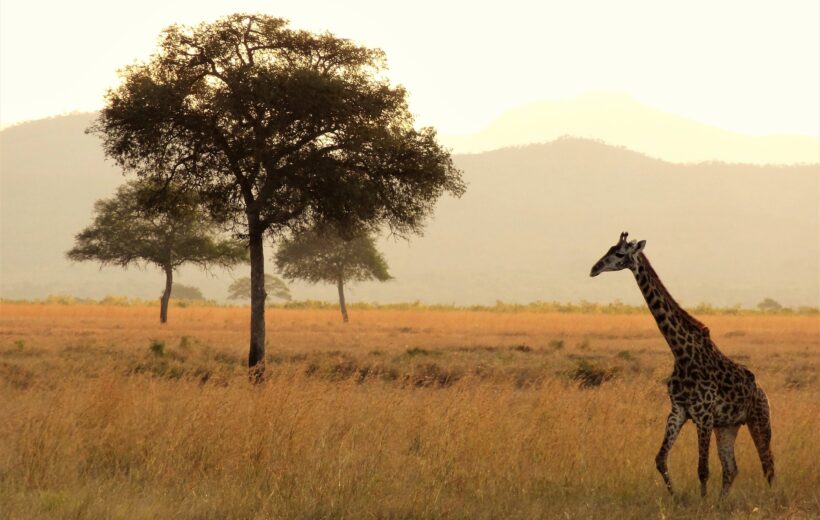
The Serengeti at first light. 1.5 million wildebeest moving as a single organism across a plain that has never had a fence, never had a road, never had a reason to stop. You will not be the same person on the flight home. This is the point of the journey — not the photographs. The change.
The Olduvai Gorge is 48km from the Serengeti gate. 1.8 million years ago, the earliest members of our genus stood on this soil. The Ngorongoro Crater formed 3 million years before that. Tanzania is not simply a destination — it is the origin. Every other place on Earth is downstream of this one.
Ruaha at dusk. Gombe at dawn. The western parks carry a silence that the modern world has systematically removed from everything else you know. No roads, no signals, no other voices. Just the sound of a continent doing what it has always done — turning, breathing, hunting, resting — completely indifferent to your presence. That indifference is the gift.
At 5,895m, the air carries a third of the oxygen you were born into. The summit of Kilimanjaro cannot be bought — only climbed, one pole-pole step at a time, through rainforest, moorland, alpine desert, and arctic ice. The people who reach Uhuru Peak at 4am, in darkness and cold, understand something about themselves that could not have been learned any other way.
The Great Migration has completed its circuit for two million years. It did not begin when you arrived and it will not stop when you leave. You are a visitor to a system so ancient, so continuous, so indifferent to recent history that every problem you brought with you will — for a few days at least — reduce itself to its actual size. That reduction is the most useful thing travel can offer.
Tanzania is extraordinary for every kind of traveller. The landscape does not change — the way you experience it does. Tell us who you are, and we design from there.
No other destination delivers the combination Tanzania offers a honeymoon: the rawness of real wilderness, the silence of a camp that exists only for you, and the unparalleled luxury of being completely, genuinely alone.
Your mobile camp is positioned at the wildlife front — often forty kilometres from the nearest lodge. Your guide is with you from the airport to the departure gate. There are no other couples at dinner. There is no one else at dawn.
We combine three or four nights of pure Serengeti wilderness with an island finale — Zanzibar or Pemba — where the Indian Ocean does what the savannah cannot: warm, still, and blue. Together, they are the two most distinct landscapes on the continent, hours apart.
A child who has watched a lion hunt from thirty metres, documented a cheetah in their own field journal, and helped identify twelve bird species by call alone — that child is changed. That is the point.
Our Junior Naturalist Programme runs across four levels from Explorer (ages 5–8) to Junior Ecologist (ages 14+). Each child receives a field journal, a species log, and a guide who speaks to them — not over their head to the adults. The programme has run for eleven years. The graduates ask to return.
Vehicle configuration adapts for families: pop-top, individual seating, bean bags on the roof hatch, and a guide briefing specifically for younger guests before the first drive. Meal timing adjusts. Pace adjusts. The wildlife does not.
Solo travel in Tanzania is not a concession — it is, arguably, the purest form of the safari. You move when you want to move. You stop when something interests you. The day belongs entirely to your curiosity.
Every Kisangara solo expedition is sole-use — your vehicle, your guide, your schedule. You will not share a vehicle with strangers. You will not wait for another guest to finish their breakfast. Your 5am departure happens at 5am because you said 5am.
Solo travellers disproportionately include professional photographers, scientists, writers, and people at a turning point. Our guides are accustomed to guests who want depth over spectacle. Long silences. Slow drives. Return visits to the same pride three days running to understand what is happening.
There is a category of shared experience that becomes the reference point for everything afterwards. Tanzania does this to groups. The migration crossing you watch together at 6am, the lion kill you stop at together, the sundowner you share on the crater rim — these become the stories told at every reunion for twenty years.
Groups of 4–8 friends travel in one or two dedicated Land Cruisers — never mixed with strangers. The evening programme is flexible: dinner in camp, a wine tasting at a rim lodge, or around the campfire until the hyenas get close enough to require torches.
For groups of 6–10, we can configure a dedicated mobile camp with a private chef and a separate dining tent. The camp sets and re-sets overnight as you move between parks. Logistics are invisible. The experience is entirely shared.
Not every traveller wants to build an expedition from scratch. Our scheduled group departures offer fixed itineraries, fixed dates, and the opportunity to share the experience with other like-minded travellers from around the world.
Group sizes are capped at 8 persons per departure — never the 18-seat coach model. Two dedicated Land Cruisers, one lead guide, one specialist guide. The itinerary is designed to be comprehensive while remaining flexible enough to follow wildlife activity daily.
Scheduled departures run in peak season (July–September) and calving season (January–March). All accommodation is pre-arranged. All park fees are included. Airporttransfers in Arusha are included. You arrive, the rest is managed.
Ten years. Twenty-five years. Forty. The anniversary that deserves more than a dinner reservation. Tanzania offers something that no conventional luxury destination can — genuine remoteness, shared difficulty, and the realisation that you have been building something worth celebrating.
Anniversary expeditions are designed around the couple. We ask what your first trip together was, what you have always wanted to see, and what you want to feel at the end of it. The itinerary emerges from those answers.
Common requests: a sole-use camp on the Ngorongoro rim for the sunrise; the same Zanzibar dhow charter at sunset that we have arranged for twenty-two other couples; a private dinner under the stars in the Serengeti with the sounds of the ecosystem as the only interruption.
Professional wildlife photographers return to Tanzania year after year for one reason: the light is different here. The Serengeti at 5:30am, low-angled and gold, with a thousand animals moving across the frame, is a light condition that no other ecosystem on Earth replicates.
Photography expeditions run to a different schedule. We depart before civil twilight — often 4:30am — and position at locations our guide has scouted the previous afternoon. We stay at an encounter until you have the shot or the light fails. We do not leave because it is lunchtime.
Vehicle modifications: beanbag rests on all windows, cable routing for charging, roof hatch fully open for 360° access, blacked-out interior panels to reduce reflection. We can accommodate any lens configuration up to 800mm. The guide calls the moments. The rest is yours.
There is a category of journey that is not about comfort or luxury — it is about the fact that you cannot arrive by road. The summit of Kilimanjaro. The chimpanzee forest at Gombe, accessed by boat from Kigoma. The Mahale Mountains, where no vehicle has ever gone.
Expedition travel with Kisangara is designed for guests who want physical difficulty as part of the experience. These are not difficult for difficulty's sake — they are places that are extraordinary precisely because they resist convenience.
The Mahale Mountains chimpanzee trek: no roads, no vehicles, accessed by chartered boat on Lake Tanganyika, the world's longest freshwater lake. The Kilimanjaro summit: 5,895m, five ecological zones, eight days, a private team, and the most useful silence of your life.
"Tanzaniadoesnotsimplyofferwildlife—itofferstheoldeststoryevertold,playedoutdailyacrosssixtythousandsquarekilometres"
Transparent, value-forward pricing. No hidden costs. Authentic Tanzania at its honest value.
Fourteen destinations from Serengeti to Gombe. Iconic and undiscovered in equal measure.
Born in Tanzania, trained in the field. Decades of ecological knowledge, delivered quietly.
One contact, quick confirmation, 24-hour availability before and during your journey.
We are a top-rated Tanzania travel agency — born in Arusha, built on fifteen years of intimate knowledge of the country's most extraordinary landscapes.
Our team at Kisangara Tours is passionate about creating seamless and genuinely memorable travel experiences. From breathtaking wildlife safaris to cultural excursions and summit expeditions — we handle every detail.
We believe the best safari starts with a conversation — not a brochure. We ask what you want to understand about Tanzania, and build from there.
"Every detail was handled with extraordinary care. Our guide carried thirty years of Serengeti knowledge — delivered quietly, at precisely the right moment, never as performance."
We respond within 24 hours. The conversation is free. The design is personal.