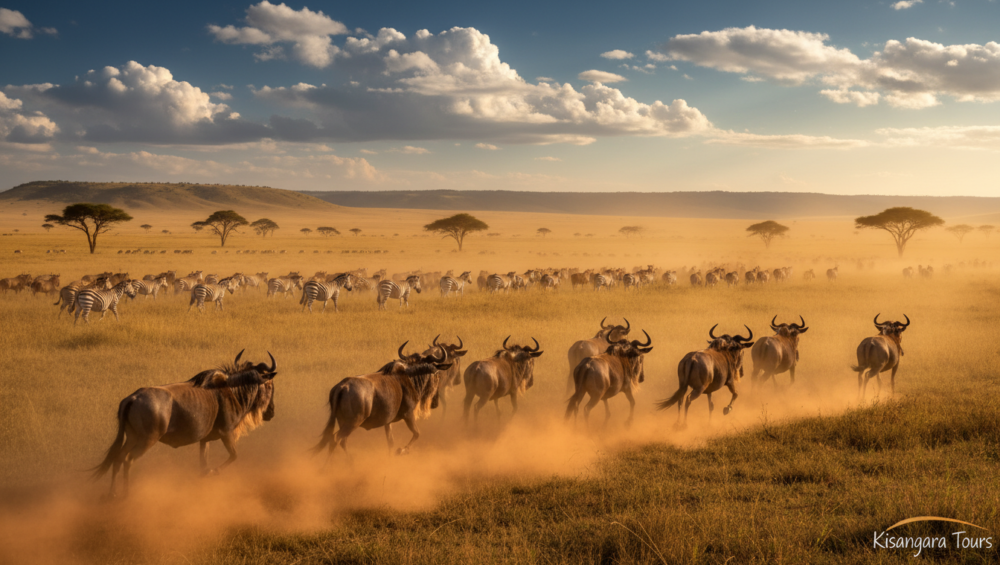
tanzania migration season

Tanzania Migration Season: Ultimate Guide and Expert Tips

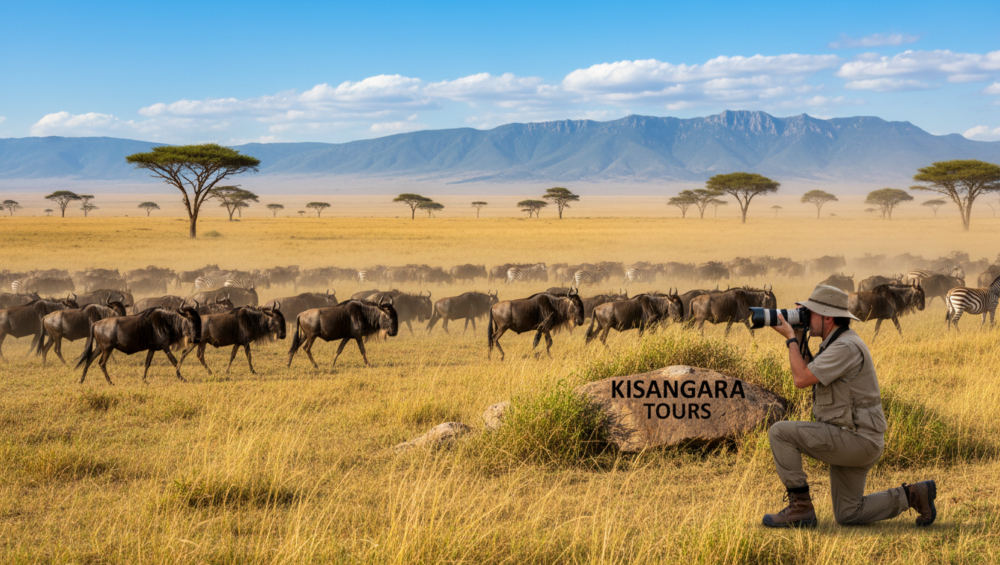
We invite you to witness one of nature’s most profound manifestations, where ancient rhythms pulse through golden plains in an eternal dance of survival. This is not merely wildlife movement—it is the heartbeat of the Serengeti itself.

The great migration unfolds as a circular symphony across our beloved homeland. Nearly two million wildebeest, zebra, and gazelle trace an 800-kilometer path written in the language of rain and instinct. Each year brings subtle variations to this timeless spectacle, yet the fundamental truth remains unchanged.

Born from decades of intimate knowledge, this guide transforms ordinary travelers into witnesses of wonder. We stand ready as your companions in discovery at +255 755 002 886, +255 783 292 929 or info@kisangaratours.com. Let us reveal the soul of Tanzania through the greatest wildlife spectacle on earth.

Key Takeaways

  • The Great Migration involves approximately 2 million animals moving in a continuous 800-kilometer cycle
  • This represents the largest mammal movement on our planet
  • The journey follows rainfall patterns and the greening of nutritious grasses
  • Wildebeest, zebra, and various gazelle species participate in this annual event
  • Timing your visit correctly is essential for witnessing key moments
  • Local expertise dramatically enhances the safari experience
  • The phenomenon occurs within the magnificent Serengeti National Park

Understanding the Great Migration

We understand this phenomenon as a living tapestry woven from instinct, rainfall, and the eternal search for sustenance. It represents nature’s most profound conversation between earth and animal.

Migration Patterns and Behaviors

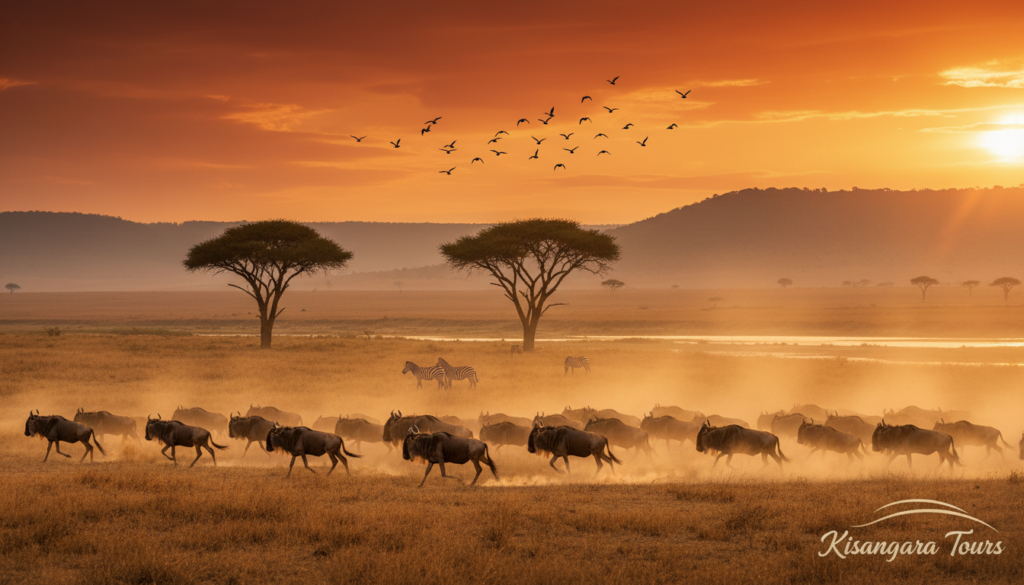
The wildebeest follow an evolutionary blueprint perfected over generations. Their journey responds to seasonal rains that green the nutritious grasses.

These animals gather on short-grass plains where predators stand exposed. This offers safety during the vulnerable calving period. The herds then move northward as drought claims the southern lands.
great migration patterns

Ecological and Historical Context

The ecological web reveals deep interconnections. Volcanic soils rich in phosphorus nourish the grasses that fuel the herds. Rainfall patterns orchestrate the timing of this grand movement.

Predators follow the migration like shadows tracking light. Lions and hyenas position themselves where opportunity meets hunger. This represents one of Earth’s last intact large-mammal journeys.

Migration Phase Location Key Behavior Environmental Trigger
Calving Season Southern Plains Birth and protection Wet season rains
Northward Journey Western Corridor Search for pasture Drying plains
Dry Season Retreat Northern Extension Conservation Scarce resources

Key Insights on Tanzania Migration Season

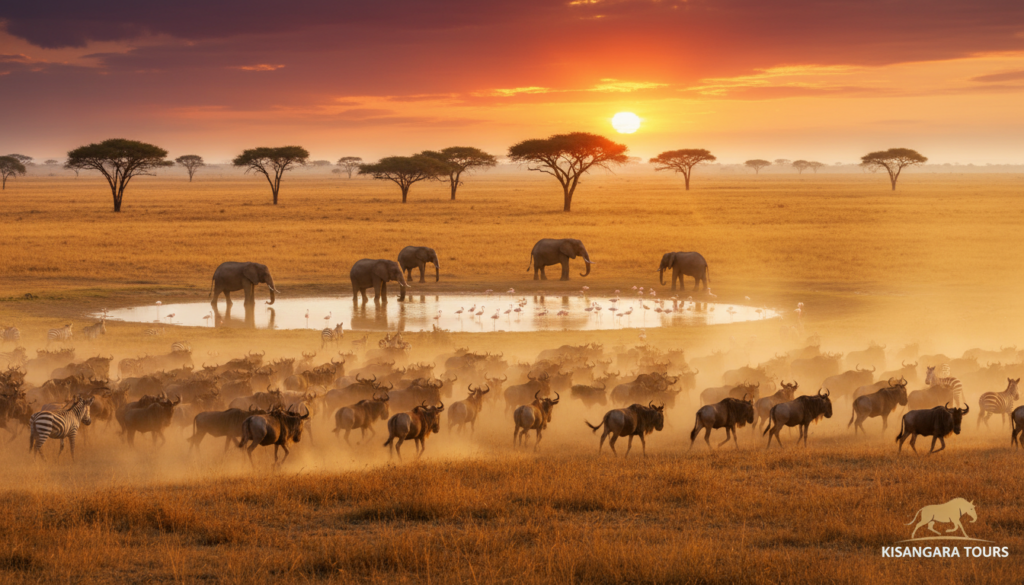
This spectacle unfolds as four distinct chapters, each revealing profound truths about life’s eternal cycle in the wild. There exists no single moment to witness this phenomenon—it breathes continuously across the plains.
great migration seasonal highlights

We emphasize a transformative understanding: every period offers unique revelations. The journey represents nature’s grand symphony, playing different movements but never falling silent.

Highlights and Seasonal Dynamics

The southern calving season brings the miracle of new life. Half a million wildebeest calves emerge within weeks, creating scenes of profound vulnerability.

River crossings showcase raw determination and peril. Ancient crocodiles await the herds’ courageous plunges into churning waters.

“To witness this movement is to understand the circle of life itself—each season writes a different verse in nature’s eternal poem.”

The best time to experience this phenomenon depends entirely on which chapter calls to your spirit. Some seek dramatic river crossings, while others prefer intimate birth scenes.

Seasonal Phase Primary Location Key Wildlife Events Visitor Experience
Calving Period Southern Plains Birth of 500,000 calves Intimate wildlife moments
Westward Movement Grumeti River First major crossings Dramatic predator action
Northern Journey Mara River Iconic river plunges Photographic highlights
Return South Central Serengeti Grazing patterns Contemplative viewing

We guide travelers toward understanding that to see great migration at its most meaningful, one must align with personal intentions rather than chasing perfect timing.

Each chapter offers its own wisdom about survival and renewal in this extraordinary wildlife spectacle.

Seasonal Breakdown and Wildlife Encounters

We witness nature’s grand theater unfold across distinct chapters, each revealing profound truths about survival and renewal.

Calving Season and Predator Action

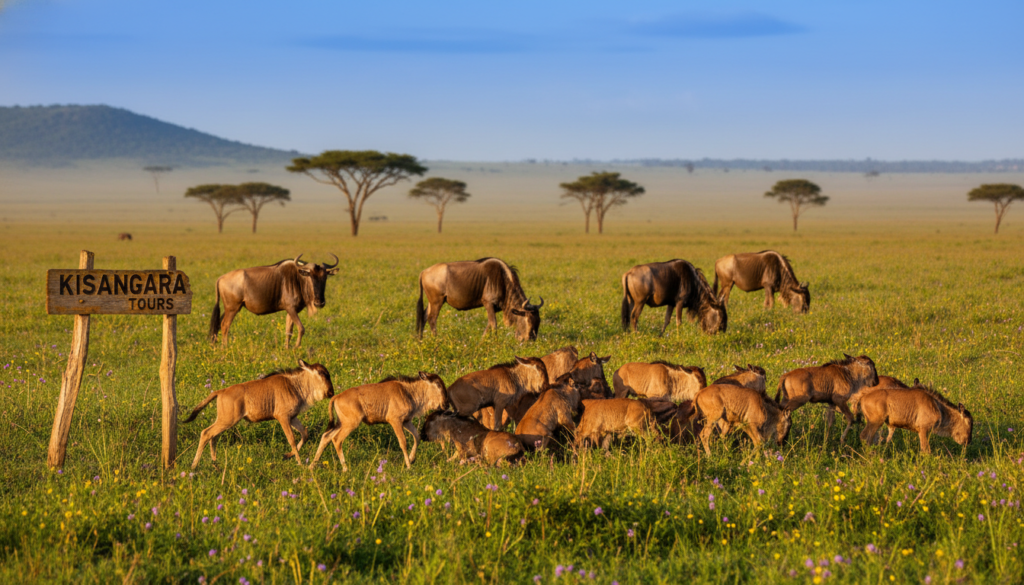
February brings a miracle of scale to the Serengeti’s short-grass plains. Half a million new lives enter the world within weeks.

The southern plains transform into a living nursery. Vulnerable newborns take their first uncertain steps as predators gather like shadows.

Lions, hyenas, and cheetahs converge on this abundance. Life and death dance in intimate proximity across the golden grasslands.
calving season wildebeest calves

River Crossings and the Journey North

As rains diminish, the herds move north through the central plains. Thousands of wildebeest create rivers of life flowing across the savannah.

The Grumeti River presents the first major test. Crocodiles wait with prehistoric patience in the dark waters.

The Mara River crossings showcase raw courage and peril. Herds surge into churning currents where steep banks and predators await.

Crossing Location Timing Key Challenges Wildlife Dynamics
Grumeti River June First major aquatic obstacle Large crocodiles, hesitant herds
Mara River July-October Steep banks, strong currents Multiple crossings, predator concentration
Return South October-November Completed circle journey Less crowded viewing opportunities

Planning the Ultimate Safari Experience

The question we hear most often—’When is the best time?’—reveals a deeper truth about how we connect with wilderness. Your journey should align with the story you wish to witness, whether the tender vulnerability of new life or the raw drama of river crossings.

Best Time to Visit and Weather Considerations

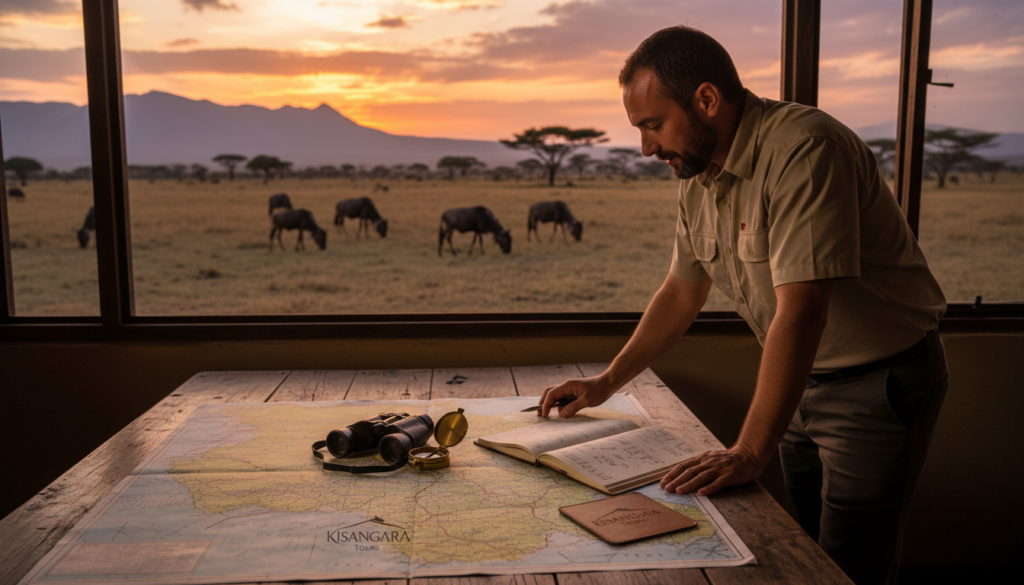
January through March offers distinct magic. February transforms the southern plains into a nursery where 500,000 newborns take their first steps. The dry season months from June to October reveal wildlife clearly as vegetation recedes.
safari planning best time

Weather patterns shape each experience differently. The long rains of April and May bring lush landscapes and fewer travelers. Brief afternoon showers during short rains rarely disrupt viewing but create spectacular skies.

Safari Itineraries and Expert Recommendations

We craft each trip as a unique conversation with the land. The best time to see dramatic crossings is July through October in the northern territories. For intimate wildlife moments, focus on the southern plains from December to May.

Months Location Focus Wildlife Highlights Travel Experience
January-March Southern Plains Calving season, predator action Intimate wildlife encounters
June-October Northern Serengeti River crossings, large herds Dramatic photographic opportunities
April-May, November Various regions Lush landscapes, reduced crowds Value-focused contemplative journeys

To see great migration moments that resonate with your spirit, contact us at +255 755 002 886 or +255 783 292 929. Our expertise ensures your safari captures the essence of this living spectacle.

Expert Safari Preparation and Local Tips

Your journey begins long before you set foot on African soil, in the careful crafting of an experience that honors both the wild and your soul. We approach preparation as spiritual alignment with ancient rhythms.

Accommodation Options and Safety Advice

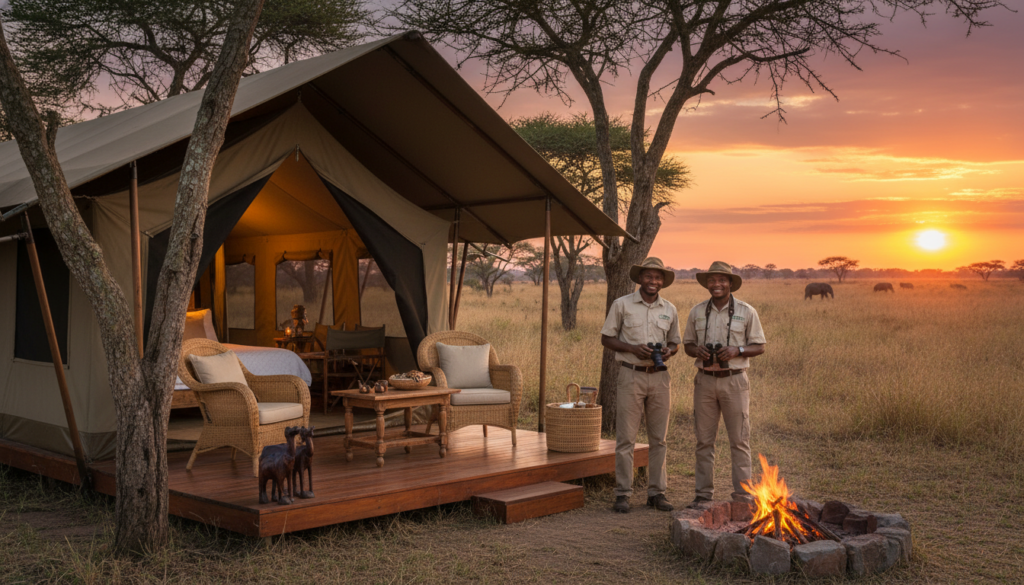
Strategic lodging placement transforms your entire safari. We position you within the heart of the action using mobile camps along the movement routes.

Safety requires respecting that wild animals follow no human schedule. Our guides possess deep ecological knowledge protecting both guests and wildlife.
safari accommodation and preparation

Local Travel Insights and Off-the-Beaten-Path Destinations

For profound solitude, the Lobo area in October reveals spectacular viewing with thousands of wildebeest. November offers underrated destinations as prices drop.

The great migration demands flexible planning. We adjust itineraries based on current herds locations for optimal encounters.

Contact us at +255 755 002 886 or +255 783 292 929 to transform your trip into a carefully choreographed wilderness experience.

Conclusion

This living spectacle teaches us that true wilderness follows no schedule but the ancient call of rain and grass. The circle completes itself each year when the short rains summon the herds back to their ancestral grounds.

We have witnessed how this eternal rhythm transforms travelers into pilgrims. Whether you encounter the miracle of calving or the drama of river crossing, you stand before nature’s fundamental truth.

The great migration continues its journey whether human eyes witness it or not. Yet those who walk among the wildebeest carry back something precious: the memory of a world still wild, still magnificent.

As you plan your safari to Serengeti National Park, we extend our invitation. Let us guide you to witness this living circle that has shaped our homeland for millennia.

FAQ

When is the best time to see the river crossings in the northern Serengeti?

The dramatic Mara River crossings typically occur between July and October. This is when the herds move north into Kenya’s Maasai Mara, facing crocodile-infested waters in a breathtaking spectacle of survival.

Where do the wildebeest give birth to their calves?

The short grass plains of the southern Serengeti become a vast nursery from late January to February. This calving season sees thousands of calves born, attracting predators and creating a profound cycle-of-life experience.

How does the weather influence the movement of the herds?

The journey is a relentless search for fresh grazing and water, dictated entirely by the rains. The animals follow the rainfall, moving from the south after the short rains to the north as the dry season progresses.

What other wildlife can we see during a safari focused on this journey?

Beyond the thundering herds, you’ll witness a thriving ecosystem. Lions, cheetahs, and hyenas follow the migration, while resident wildlife like elephants and giraffes populate the plains year-round.

Are there other significant river crossings besides the Mara River?

Yes, the Grumeti River in the western corridor presents earlier, equally intense crossings around May and June. These waters also teem with massive crocodiles awaiting the herds.

What makes the calving season a special time to travel?

The southern Serengeti in February offers a unique blend of tender new life and intense predator action. It’s a quieter, yet equally dramatic, chapter of the great migration, with fewer crowds.
where is kilimanjaro

best time to climb kilimanjaro

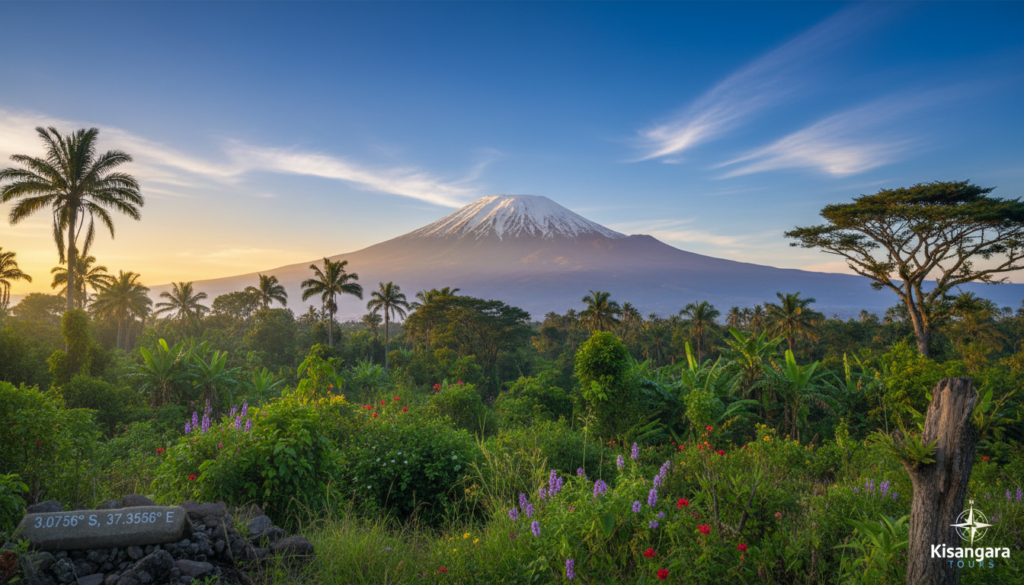
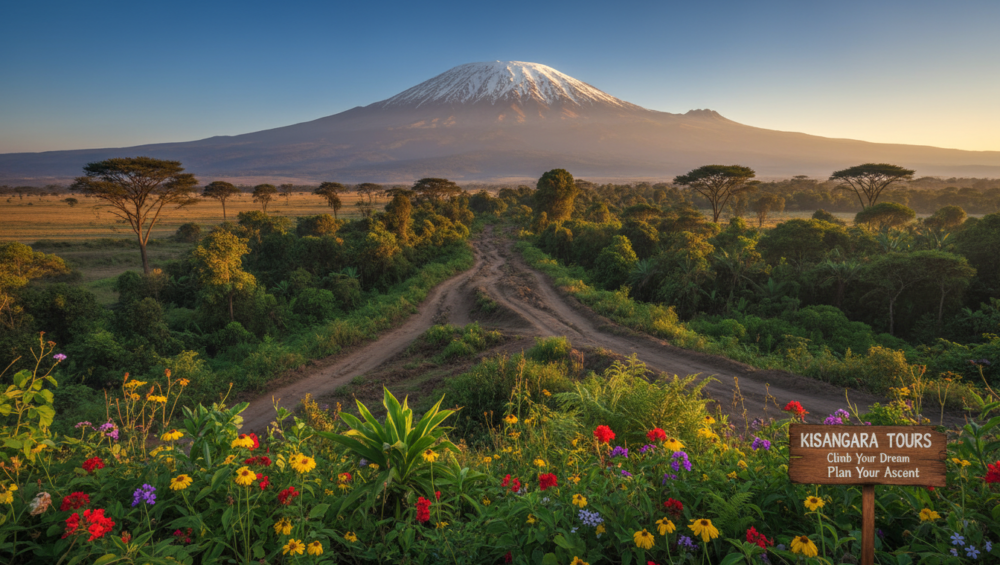
We welcome you to the mountain that defines our horizon: Mount Kilimanjaro. This is not just a peak of rock and ice. It is a living monument, Africa’s tallest sentinel standing at 19,341 feet. Its solitary presence on the plains is a sight that humbles the soul.

This ancient giant rises from northern Tanzania, a land we call home. Its summit pierces the equatorial sky, a paradox where glaciers glow under the African sun. The journey up its slopes is a passage through the world‘s climates, from lush forest to arctic silence.

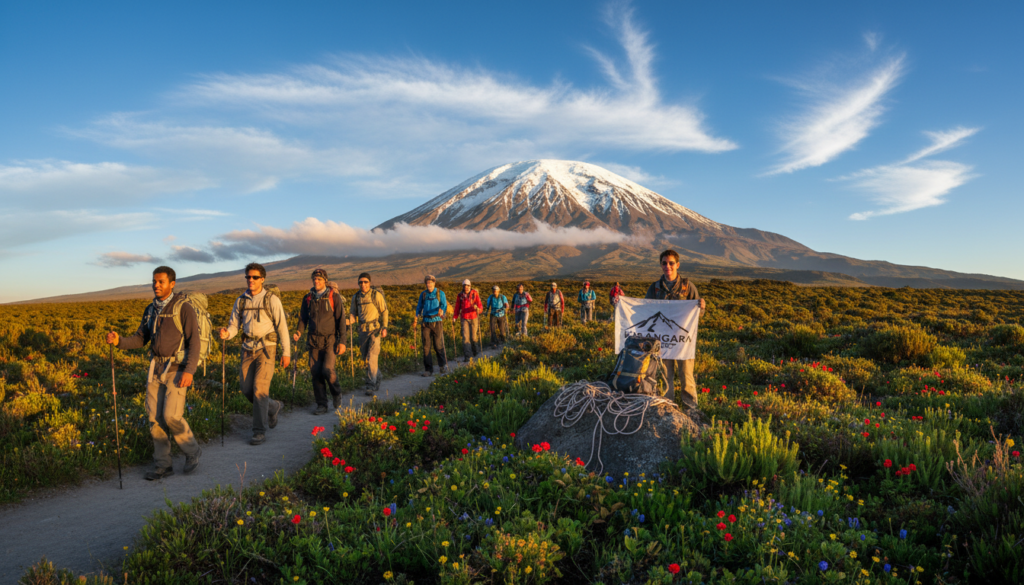
We have witnessed this transformation in countless travelers. The climb is a test of spirit, not just strength. Each step is a meditation. You walk through shifting ecosystems, each one a chapter in an ancient story.

Your success on this mountain hinges on more than training. Choosing the best time to climb Kilimanjaro is your first crucial decision. It determines whether you walk beneath clear, generous skies or face the mountain’s raw, unpredictable power. Timing is as vital as your preparation.

Key Takeaways

  • Mount Kilimanjaro is Africa’s tallest peak, standing at 5,895 meters (19,341 feet).
  • It is a free-standing mountain located in northern Tanzania, near the border with Kenya.
  • The ascent takes you through multiple climate zones, from tropical to arctic.
  • The journey is more a test of mental determination than technical climbing skill.
  • Selecting the optimal season for your climb is critical for a safe and rewarding experience.
  • The mountain, known as the “Roof of Africa,” is one of the renowned Seven Summits.
  • Its unique position creates the stunning contrast of equatorial sun shining on glacial ice.

Understanding Kilimanjaro’s Unique Location

Our homeland cradles a mountain whose presence transcends mere geography. This ancient giant stands within Kilimanjaro National Park, a protected world heritage site that honors nature’s grandeur.

Kilimanjaro National Park climate zones

Geographical Overview and Map Insights

The mountain dominates the entire area, rising dramatically from the surrounding plains. Its position near the Kenya border creates a spectacle visible for miles. This national park preserves a landscape that belongs to all humanity.

Climate Zones from Tropical Forests to Alpine Deserts

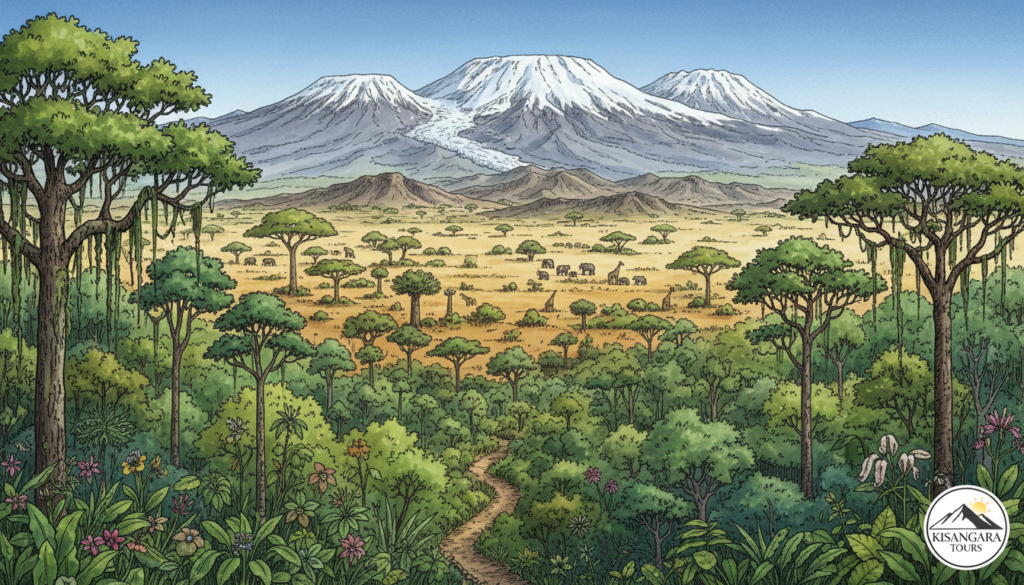
We guide travelers through five distinct ecological zones. Each layer reveals a different face of the mountain’s complex climate. From lush rainforests to alpine deserts, the journey compresses Earth’s diversity into a single ascent.

The Kilimanjaro National Park protects this remarkable transition. As a UNESCO world heritage site, it safeguards the mountain’s sacred ecology. This precious area represents our commitment to preserving wild places.

Where is Kilimanjaro?

At 3.0674° S, 37.3556° E, our continent’s highest peak stands as a geographical anchor for transformative journeys. This sacred area in northern Tanzania calls to those seeking elevation beyond mere altitude.

Mount Kilimanjaro location coordinates

Access Points and Travel Routes

Your passage to mount kilimanjaro flows through strategic gateways. The primary kilimanjaro international airport serves as your threshold, positioned between Moshi and Arusha.

This modern international airport connects global travelers to ancient wilderness. Alternative routes include Nairobi’s hub or domestic flights to Arusha Airport. Each path leads to the same magnificent destination.

Mapping Kilimanjaro’s Precise Coordinates

The mountain’s coordinates mark more than a map point. They represent a destination that has drawn seekers across continents. Rising 19,341 feet above sea level, this elevation measures transformational distance.

Located near the Kenyan border, mount kilimanjaro graces two nations with its presence. From Arusha, a ninety-minute journey carries you to the mountain’s realm.

For detailed planning tailored to your vision, connect with our team: call +255 755 002 886 or +255 783 292 929. Email info@kisangaratours.com or kisangaratours@gmail.com.

The Best Time to Climb Kilimanjaro

Timing your ascent is the first conversation you have with this ancient peak. It determines whether you meet the mountain in its generous mood or witness its formidable power.

best time climb Kilimanjaro weather conditions

Dry Season Highlights: January, February, and September

We have learned the mountain’s rhythms through countless journeys. The best time to climb aligns with dry tranquility. January, February, and September offer stable trails and skies of profound clarity.

This time transforms the challenge. The air feels crisp, and visibility stretches to the horizon. It is the season of achievable triumph.

Rainy Season Considerations and Safety

Conversely, the long rains of March to May and the short rains of November test resolve. Trails become slippery, and clouds veil its majesty.

Fewer travelers mean a solitary experience. But this time demands respect for the mountain’s raw force. Safety becomes the paramount consideration.

Seasonal Weather Challenges and Gear Tips

Weather here defies simple forecasts. A sunny start can shift to a sudden storm. Your preparation must embrace this unpredictability.

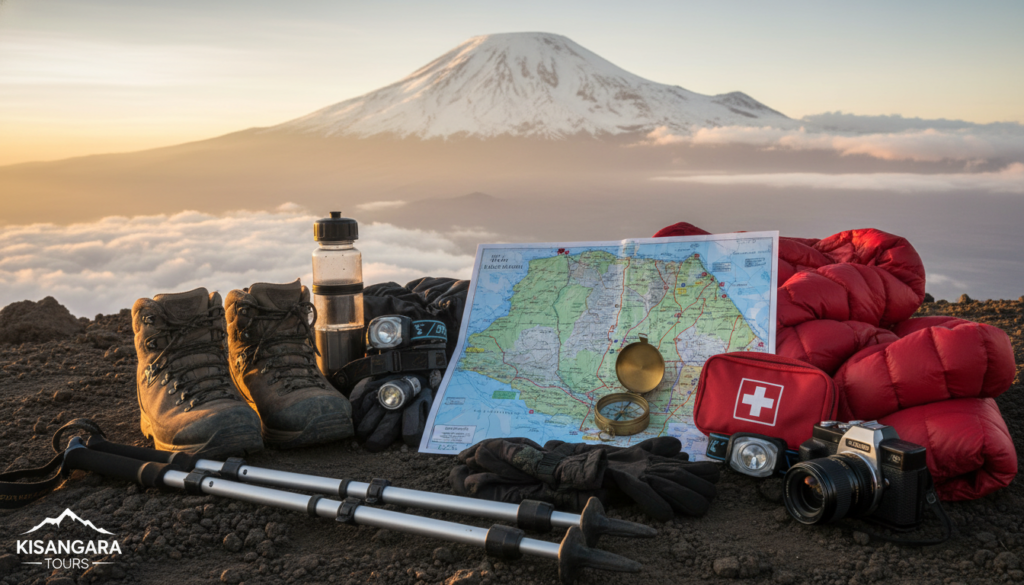
Gear selection is your shield. Even in dry seasons, waterproof layers are essential. Summit attempts require insulation for sub-zero temperatures and potential snow.

The best time for your climb balances ideal conditions with your inner readiness. It is a personal alignment of spirit and season.

Planning and Preparation for the Climb

We believe preparation for this ascent is a sacred ritual—a careful balancing of physical readiness and spiritual alignment with the mountain’s rhythms. Your choice among the seven distinct routes shapes the entire experience, from Machame’s dramatic scenery to Lemosho’s superior acclimatization profile.

Kilimanjaro climb preparation gear routes

Acclimatization and Physical Preparation

Altitude presents the true challenge, not technical difficulty. Your body needs time to adapt, which is why longer trek options dramatically increase success rates. We advocate for routes that build elevation gradually.

Physical training should begin months before your journey. Cardiovascular conditioning builds endurance for long hiking days. Strength training prepares your legs for endless ascending. Practice hikes with loaded packs simulate the mountain experience.

Gear, Permits, and Route Selection

Every climb kilimanjaro requires a licensed guide—this is essential safety, not bureaucracy. Our guides possess generations of mountain knowledge, reading weather patterns and recognizing altitude sickness symptoms.

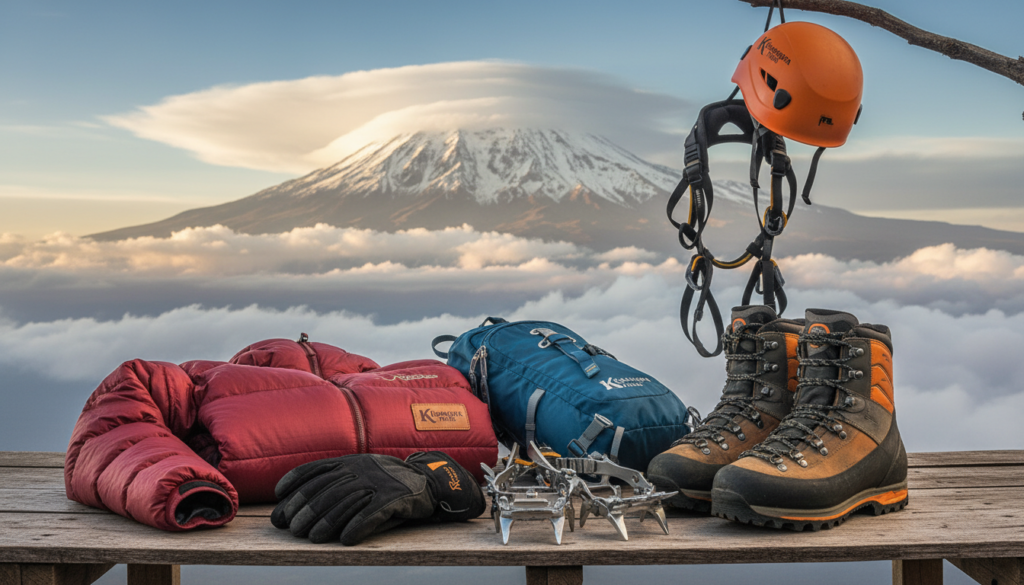
Proper gear selection can determine success. Quality boots prevent blisters, layering systems regulate temperature, and sleeping bags rated for freezing ensure recovery rest. The right equipment supports climbers at every level.

For expert guidance on route selection and personalized planning, contact us at +255 755 002 886 or email info@kisangaratours.com. We’ll help you reach summit success with wisdom earned through countless journeys.

Discovering Natural and Cultural Heritage of Kilimanjaro

Beyond the climb itself lies a deeper journey into the cultural and natural heritage that makes this mountain sacred. This world heritage site reveals stories written in terraced gardens and ancient forests.

Kilimanjaro natural cultural heritage Chagga people

Local Culture and the Chagga People’s Traditions

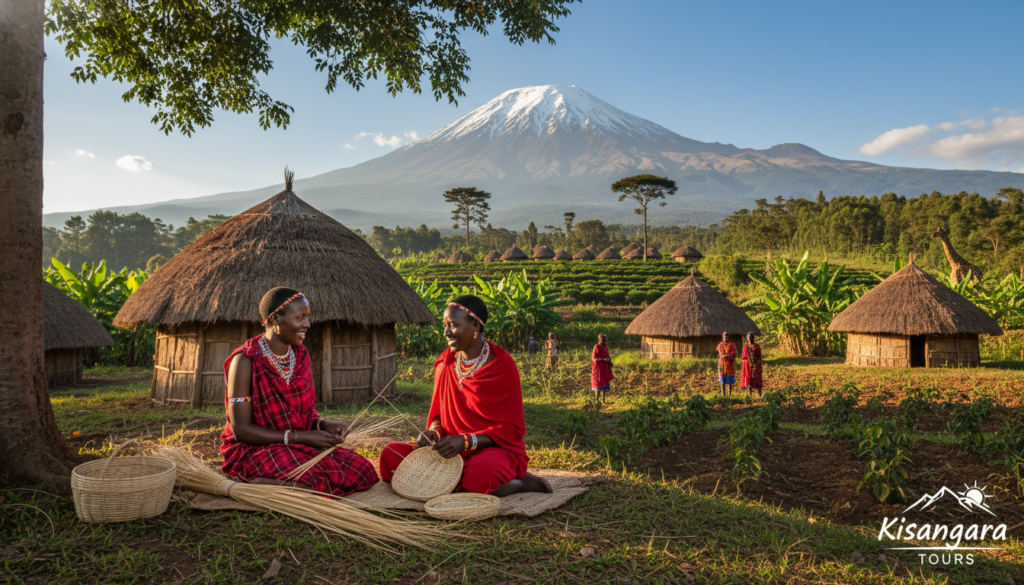
We walk alongside the Chagga people, whose ancestors have cultivated these slopes for centuries. Their agricultural wisdom transforms volcanic soil into thriving coffee and banana gardens.

For these people, the mountain stands as a sacred presence woven through mythology and daily life. Their traditions represent a sustainable partnership with the ecosystem.

Biodiversity, Conservation, and Tourism Benefits

The Kilimanjaro National Park protects staggering diversity across its vertical zones. From rainforests with 180 bird species to the haunting alpine desert, each layer reveals unique natural beauty.

Responsible tourism creates vital economic benefits for local communities. Each climbing journey employs teams of guides and porters, ensuring benefits reach the people who steward this treasure.

Conservation efforts in this national park balance human access with wilderness preservation. We advocate for sustainable practices that honor both the world heritage designation and the Chagga people‘s ancestral connection.

Conclusion: Your Journey to the Roof of Africa Awaits

Your transformation begins with a single decision to answer the mountain‘s ancient summons to its frozen summit. Standing at Uhuru peak, you witness sunrise ignite glaciers in golden fire—a moment when personal achievement merges with universal triumph.

This solitary giant rises from the plains, unconnected to any range. Its dramatic ascent creates a journey through multiple climate zones. The climb demands endurance and mental strength, yet requires no technical climbing expertise.

We’ve guided countless climbers through this transformative experience. Each route offers unique perspectives on the same magnificent destination. The mountain reveals what becomes possible when comfort yields to commitment.

To begin planning your journey with experienced guides who know this sacred, reach us at +255 755 002 886 or email info@kisangaratours.com. Your summit awaits—we would be privileged to walk this path alongside you.

FAQ

Where exactly is Mount Kilimanjaro located?

Mount Kilimanjaro rises majestically in northeastern Tanzania, near the border with Kenya. This colossal stratovolcano stands alone on the African plains, creating a breathtaking silhouette against the sky. Most climbers access the mountain through Kilimanjaro International Airport, which serves as the primary gateway to this world heritage site.

What is the best time to climb Kilimanjaro for optimal conditions?

The best time to climb Kilimanjaro aligns with the dry seasons: January to mid-March and June to October. These windows offer the clearest skies and most stable weather for your ascent. During these periods, the trails are drier, and the views from the summit, Uhuru Peak, are often spectacular, making the challenging journey profoundly rewarding.

How difficult is the climb, and what experience level is required?

Climbing Kilimanjaro is a strenuous trek that demands excellent physical fitness, not technical climbing skills. The true challenge lies in the high altitude and the rapid ascent through five distinct climate zones. Success depends heavily on proper acclimatization, a positive mindset, and the support of experienced guides who understand the mountain’s rhythms.

What are the different routes to the summit, and how do I choose?

Kilimanjaro National Park offers several routes, each with unique character. The Marangu route is often called the “Coca-Cola” route for its hut accommodations, while Machame, the “Whiskey” route, is more scenic and challenging. Your choice should balance your fitness, desired experience, and acclimatization needs—a decision we gladly help you navigate.

What should I know about the cultural heritage around the mountain?

The foothills of Kilimanjaro are the ancestral home of the Chagga people, whose rich traditions are woven into the land. Their deep respect for the mountain, or “Kilema Kyaro,” informs our approach to sustainable tourism. We believe understanding this cultural context adds profound meaning to the climb, transforming it from a physical feat into a spiritual journey.

How does the climate change as you ascend the mountain?

Your journey begins in lush tropical forests and ascends through heath and moorland zones before reaching the stark, beautiful alpine desert. Near the summit, you’ll encounter the arctic zone, where the famous snows of Kilimanjaro cap Uhuru Peak. This dramatic transition is one of the mountain’s most magical aspects, a walk through multiple worlds in a single climb.

What essential gear and permits are needed for the climb?

A successful climb requires robust preparation. Essential gear includes reliable waterproof layers, insulated clothing for the summit night, and a quality sleeping bag rated for sub-zero temperatures. All climbers must obtain permits through Kilimanjaro National Park, a process we handle to ensure your adventure is both seamless and compliant with conservation protocols.

tanzania migration season

Ultimate Guide to Tanzania Migration Season: Expert Insights

We invite you to witness Earth’s most profound natural ceremony. Millions of hoofbeats echo across ancient plains in a rhythm older than memory. This creates a symphony of survival that transforms all who experience it.

tanzania migration season

This guide serves as your compass to understanding the sacred journey of the Great Migration. We share deep wisdom gathered from years walking these lands. Our intimate knowledge of the Serengeti ecosystem reveals nature’s living tapestry.

As guardians of this wilderness, we reveal timing and location secrets. These insights position you at the heart of nature’s greatest drama. Your safari becomes a transformative journey rather than mere observation.

We bridge modern travel with ancient wilderness rhythms. For personalized assistance, contact us at +255 755 002 886, +255 783 292 929, or email info@kisangaratours.com. Let us help you plan an authentic connection with the natural world.

Key Takeaways

  • The Great Migration involves millions of wildebeests, zebras, and gazelles moving throughout the year
  • This spectacular wildlife event occurs across the Serengeti ecosystem
  • Different locations offer unique viewing opportunities depending on timing
  • Proper planning ensures you witness nature’s most dramatic moments
  • Expert guidance transforms your experience from observation to immersion
  • The movement follows seasonal patterns of rain and grazing lands
  • This is one of the world’s most significant natural spectacles

Understanding the Great Migration in Tanzania

Nature’s grandest procession unfolds across vast plains in a continuous cycle. We honor this eternal journey where millions of wildebeest and zebra follow ancient rhythms. Their movement creates a living tapestry across the Serengeti ecosystem.

great migration patterns

The great herds respond to subtle environmental cues that have guided their ancestors for millennia. Rainfall patterns and grass growth stages dictate their clockwise journey throughout the year. This creates nature’s perfect choreography across different regions.

Migration Patterns and Natural Rhythms

These animals move in response to seasonal changes across the plains. Their instincts drive them toward fresh grazing grounds and water sources. The unpredictability of modern rainfall adds wildness to each encounter.

We witness how short rains guide herds southward during November-December. As long rains cease, the journey turns northward. This eternal dance demonstrates survival’s delicate balance.

Season Primary Movement Key Drivers Wildlife Activity
Short Rains (Nov-Dec) Southward Journey Fresh Grass Growth Calving & Grazing
Dry Season Northward Travel Water Availability River Crossings
Transition Periods Circular Patterns Resource Scarcity Predator Interactions

The Ecological Impact on the Serengeti

The great herds serve as landscape architects rather than mere travelers. Their grazing stimulates new growth while hoofbeats aerate the soil. This continuous movement maintains the ecosystem’s delicate balance.

These animals support diverse predator-prey relationships across the plains. Their journey creates nutrient cycling that sustains biological diversity. This makes the Serengeti one of the world’s most important wildlife sanctuaries.

We recognize how each encounter becomes a unique wilderness experience. The herds respond to nature’s ever-changing moods rather than human schedules. This transforms safari observation into authentic immersion.

Month-by-Month Insights for the Great Migration

We decode the seasonal whispers that guide the herds, revealing where to find nature’s most profound moments. Each chapter of the year offers a distinct spectacle. Understanding this rhythm helps you choose the best time for your soul’s desire.

great migration calendar

The sacred calendar of the plains is our map. While patterns guide us, nature writes its own story each year.

To witness the calving is to see hope born; to witness the crossing is to see courage tested.

Southern Serengeti Calving and Early Herd Movements

From December through March, the southern plains become a nursery. The short rains paint the landscape emerald. Vast herds gather near Ndutu, preparing for the miracle of birth.

February is the peak of this calving season. Over 500,000 calves are born in a breathtaking window. Their first steps on ancient soil attract predators, creating raw, dramatic scenes. This is truly the best time to see great concentrations of new life.

Northern Serengeti Crossings and Mara River Action

By July, the drama shifts north. The herds converge on the infamous Mara River. This period, through October, features the most intense river crossings.

Thousands of wildebeest plunge into turbulent waters. Massive crocodiles await. The desperate determination displayed here is unforgettable. It is the pinnacle of action for the entire great migration.

Season Focus Primary Location Key Spectacle Best For
Calving & New Life Southern Serengeti Birth of thousands of calves Intimate wildlife drama
River Crossings Northern Serengeti Dramatic Mara River action Heart-stopping adventure

Planning Your Tanzania Migration Season Safari

We approach safari design as sacred storytelling, weaving your dreams into wilderness reality. Your journey should reflect what calls to your soul most deeply.

planning migration safari

Tailor-Made Itineraries for Every Traveler

Some hearts yearn for river-crossing adrenaline. Others seek the quiet miracle of newborn wildlife. We craft each trip around your unique calling.

Our itineraries honor individual rhythms and desires. Whether you prefer intimate encounters or grand spectacles, we shape experiences that resonate.

Choosing the Best Time Based on Weather and Wildlife

The best time to see great migration action is July-October in northern regions. This period offers dramatic river crossings.

Alternatively, December-March reveals calving wonders in southern areas. This season provides profound encounters with new life.

Contact us at +255 755 002 886 or +255 783 292 929. Email info@kisangaratours.com to begin crafting your perfect safari experience.

Best Regions to Experience the Migration

We reveal the sacred geography where ancient rhythms paint living landscapes across the plains. Each territory offers distinct encounters with the moving herds, transforming your perspective of this natural phenomenon.

best regions migration experience

Exploring the Southern Serengeti and Ndutu Areas

The southern plains become a cradle of life from January through March. Here, nutrient-rich grasses nourish pregnant wildebeest before the miracle of mass calving.

Ndutu occupies a unique position in the northwestern conservation area. The landscape opens into sweeping vistas perfect for witnessing new life amid ancient grasslands.

Discovering North Serengeti and the Masai Mara Border

The northern serengeti represents the pinnacle of drama from July through October. The Mara River becomes nature’s greatest theater for spectacular crossings.

Hundreds of thousands of animals face the terrifying challenge of navigating fast-flowing waters. This creates unforgettable wildlife encounters at the border with Masai Mara.

We help you choose regions based on your desired experience. Each location offers unique connections with the moving herds across different seasons.

Insights on Safari Accommodations and Tips

Your wilderness sanctuary becomes the canvas where safari dreams transform into living memories each evening. We understand that where you rest profoundly shapes your connection to the moving herds.

safari accommodations and camps

Top Camps and Lodges Along the Migration Route

Strategic placement along the animal pathways ensures you witness nature’s drama unfold. From January through March, Ndutu-based camps like Tanzania Bush Camps and Heritage Migration Camp position you at the heart of calving wonders.

During peak crossing months, northern properties like Sayari Camp offer front-row seats to river dramas. Mobile luxury camps follow the herds, creating intimate wilderness connections.

Expert Advice for an Unforgettable Safari Experience

Beyond accommodation selection, we share wisdom for deep immersion. Hire guides who read animal behavior like ancestral poetry. Maintain flexibility to embrace unexpected wildlife gifts.

Practice patience during river gatherings—herds may wait days before crossing. Book peak season camps six to twelve months ahead for optimal positioning.

Consider shoulder seasons for excellent value and quieter wilderness encounters. Your migration safari becomes transformative when you surrender to nature’s timeline.

Get in Touch for Your Ultimate Safari Experience

We stand ready to guide you from imagination to authentic wilderness encounter. Your vision of witnessing nature’s grand spectacle deserves careful nurturing and expert planning.

contact safari experts

Our team brings decades of combined experience walking these ancient lands. We understand the subtle patterns that guide the great herds across the plains.

Contact Us

Give us a call at +255 755 002 886 or +255 783 292 929. Speak directly with guides who have witnessed countless river crossings and calving wonders.

We listen carefully to your vision before offering honest guidance. Our expertise helps position you for the most profound wildlife encounters.

Email

Reach out via info@kisangaratours.com or kisangaratours@gmail.com. Share your travel dates, group size, and interests.

We respond with customized recommendations and detailed itineraries. Every inquiry receives the serious attention such a transformative journey deserves.

Contact us today to begin crafting your unforgettable African adventure. Let us help you witness Earth’s living masterpiece with your own eyes.

Conclusion

Beyond the practical planning lies the soul of the journey—the quiet moments when wilderness speaks directly to the heart. The great herds move in rhythms that predate human memory, offering a window into Earth’s ancient pulse.

This living spectacle unfolds as a year-round cycle of transformation. Each chapter reveals nature’s profound honesty. We witness vulnerability and courage in equal measure.

Your role becomes that of humble observer in a drama where human presence remains peripheral. The real story involves survival, birth, and the eternal search for sustenance.

While we’ve shared when and where to position yourself, consider how the green season offers its own unique. Fewer crowds reveal more intimate connections with the land.

The deepest preparation happens within. It requires surrendering expectations and embracing whatever the wilderness chooses to reveal. This journey transforms observation into sacred participation.

We await the privilege of standing beside you as the herds pass. Together, we’ll witness nature’s living masterpiece unfold before our eyes.

FAQ

When is the best time to see the river crossings?

The most dramatic Mara River crossings typically occur from July through October. This is when the massive herds gather in the northern Serengeti, driven by the search for fresh plains and water. Timing is everything, as these spectacular events hinge on rainfall patterns.

Where do the herds go during the calving season?

From late January to February, the journey cycles back to the nutrient-rich southern Serengeti and Ndutu plains. Here, hundreds of thousands of wildebeest calves are born in a remarkably short period, attracting predators and creating an incredible wildlife spectacle.

What is the most challenging part of the animals’ journey?

The river crossings are arguably the most perilous. At the Grumeti River in the western corridor and later at the Mara River, the herds face strong currents and waiting crocodiles. It is a raw, unfiltered testament to the struggle for survival that defines this ancient pilgrimage.

How far in advance should I plan my trip?

We recommend planning your safari at least 9 to 12 months ahead, especially for peak periods like the crossings or calving. This ensures access to the best camps situated directly along the moving herds’ path for a truly front-row experience.

Can I witness this incredible event throughout the year?

A> While the herds are always on the move, the most concentrated viewings happen during specific windows: calving in the south (Jan-Feb), the Grumeti River gathering (May-June), and the northern crossings (Jul-Oct). The dry season often offers the clearest sightings as animals congregate near water sources.

mount kilimanjaro weather

Mount Kilimanjaro Weather: Our Expert Guide for Climbers

We invite you to understand the sacred dance between earth and sky that defines this great mountain. Ancient rhythms of the equator create patterns unlike any other peak on our planet.

Your journey to Africa’s rooftop begins with a simple truth. Here, altitude whispers louder than season. The time of day paints entirely different worlds within hours.

Temperatures can swing dramatically. They range from warm at the base to a bone-chilling cold near the summit. This happens all within a single climb.

The conditions hold the key to your success. When clear skies and dry paths appear, the mountain reveals its gentler face. But when moisture and cold conspire, even the strongest spirits face formidable challenges.

Understanding these patterns transforms your expedition. It changes from a mere adventure into an informed pilgrimage. Preparation meets opportunity, and wisdom guides every ascending step.

This guide comes from our deep connection to this land we call home. We share knowledge passed through generations of guides. We have learned to read the mountain’s moods like ancient texts.

Key Takeaways

  • The mountain’s equatorial location creates a unique climate without traditional seasons.
  • Altitude is the primary factor influencing temperature and conditions, not the time of year.
  • Dramatic temperature shifts occur within a 24-hour period during the climb.
  • Favorable weather conditions are a critical component for a successful summit attempt.
  • Proper preparation for rapidly changing weather is essential for safety and enjoyment.
  • Local expertise provides invaluable insight into interpreting daily weather patterns.

Understanding Mount Kilimanjaro Weather Patterns

Your ascent becomes a journey through the world’s climates, compressed into a single, vertical pilgrimage. From the fertile lowlands to the arctic summit, you will traverse five distinct climate zones. Each one tells a different part of the mountain’s story.

Mount Kilimanjaro climate zones

Influence of Altitude and Climate Zones

We begin in the warm, humid embrace of the forest zone. Here, ancient trees form cathedral-like canopies. The air is thick with moisture, a gift from the Indian Ocean’s trade winds meeting the vast slopes.

As altitude increases, you enter the heath moorland zone. This otherworldly landscape of giant heathers experiences dramatic shifts. Daytime temperatures are mild, but nights bring a significant chill.

The alpine high desert zone is stark and beautiful. At 4,000 meters above sea level, the air thins and wind speeds rise. Warm days give way to rapidly falling evening temperatures.

Seasonal Variations and Weather Conditions

Altitude whispers louder than calendar dates. The weather you encounter depends entirely on your elevation. One zone may be soaked while another is dry.

This creates a temperature gradient spanning dozens of degrees from base to peak. Understanding these climate zones is essential. It transforms your climb from a challenge into an informed, respectful passage.

Planning Your Climb: When is the Best Time?

Your journey’s timing transforms the entire experience, weaving your personal story into the mountain’s seasonal tapestry. The best time to undertake this pilgrimage depends on what you seek from the ascent.

best time to climb kilimanjaro

Dry Season vs. Wet Season Considerations

We cherish two generous windows each year: January through March and June through October. These dry season months gift climbers with firm trails and expansive views. Success rates soar when the mountain reveals her clearest pathways.

The wet season tells a different story. From April to May, persistent rain transforms routes into slippery challenges. Yet some experienced adventurers choose this time for solitude and deeper connection.

Monthly Weather Overviews and Success Rates

Each month paints the slopes with unique character. Mid-January to March offers warmer days with manageable crowds. August and September see peak conditions but also more travelers.

Success rates reflect these patterns dramatically. Properly planned dry season attempts succeed 85-95% of the time. Wet season climbs require greater determination, with rates dropping to 60-70%.

We invite you to discuss your ideal time with us. Contact +255 755 002 886 or email info@kisangaratours.com for personalized guidance matching your schedule to the mountain’s rhythms.

Essential Gear and Safety Tips for Climbers

The paradox of preparation unfolds: you must carry protection from equatorial sun and arctic cold within a single backpack. Your equipment becomes a portable ecosystem, responding to dramatic shifts that define each time of day and elevation.

essential climbing gear for high altitude conditions

We have witnessed how the right gear separates triumph from retreat. Your journey carries you through five distinct climate conditions in less than a week.

Acclimatization and Physical Preparation

Altitude teaches patience above all else. Your body must manufacture additional red blood cells as air thins systematically. This natural adaptation cannot be rushed.

We recommend longer routes for the gift of time. Seven or eight day journeys increase summit success rates dramatically. Your cardiovascular system needs months of specific training before departure.

Wind becomes your invisible adversary above 4,000 meters. It cuts through inadequate clothing, stealing body heat during the critical summit night.

Packing Lists for Tropical and Arctic Conditions

Your gear list must account for extreme temperature swings. Imagine 30°C sunshine at midday, then -20°C darkness hours later. This 50degree Celsius variation demands sophisticated layering.

Altitude Zone Day Temperatures Night Conditions Essential Gear
Forest (1,800-2,800m) 20-25°C, humid 10-15°C, moist Moisture-wicking base layers
Heath/Moorland (2,800-4,000m) 15-20°C, variable 0-5°C, chilly Insulating mid-layers, sun protection
Alpine Desert (4,000-5,000m) 5-30°C, intense sun -5 to -10°C, windy Wind-resistant shell, warm hat
Summit Zone (5,000-5,895m) -5 to 10°C, thin air -10 to -20°C, extreme wind Arctic-rated sleeping bag, face protection

Hydration strategies evolve with altitude. Thin air desiccates with every breath above 4,000 meters. Carry insulated bottles to prevent freezing during cold night hours.

Each time of day demands different gear adjustments. Mornings require warm layers, midday calls for sun protection, evenings demand immediate re-layering as temperatures plummet.

Key Insights on mount kilimanjaro weather

Even the most established rhythms of nature can reveal surprising anomalies over time. We witness the peak transforming before our eyes as glaciers retreat at alarming rates.

Kilimanjaro weather anomalies and safety protocols

These changes remind us that ancient patterns can shift. Reduced precipitation affects not only the iconic snows but potentially threatens water sources.

Weather Anomalies and Safety Protocols

Understanding the rain shadow effect transforms route selection into strategic advantage. Southern approaches face moisture-laden systems while northern routes shelter in relative dryness.

Safety demands partnership with experienced guides. They read signs invisible to visitors and carry emergency equipment for scenarios you hope never to encounter.

Route Precipitation Exposure Best Season Safety Considerations
Machame (South) High rainfall Dry months Slippery trails during rain
Rongai (North) Low rainfall All seasons More stable footing
Lemosho (West) Moderate exposure June-October Wind exposure at higher elevations
Marangu (Southeast) Variable conditions January-March Crowded during peak periods

Our monitoring systems allow real-time decision-making during climbs. Guides modify routes or delay attempts when conditions deteriorate beyond safe parameters.

For detailed insights tailored to your climbing dates, contact our team at +255 755 002 886 or +255 783 292 929. Email info@kisangaratours.com for historical data that informs your planning with precision.

Conclusion

As you stand ready to meet Africa’s rooftop, remember that the greatest gear you carry is knowledge itself. Your understanding of the mountain’s rhythms transforms challenge into respectful passage.

This climb represents more than elevation gain. It’s a journey where preparation meets ancient patterns. Every step teaches lessons about adaptation and resilience.

We invite you to begin your planning with those who know this land intimately. Contact us at +255 755 002 886 or +255 783 292 929. Email info@kisangaratours.com to transform wisdom into triumphant footsteps.

FAQ

What are the most favorable months for a successful summit attempt?

We find the windows of January to mid-March and June to October offer the most stable conditions. These periods fall between the long rainy seasons, granting clearer skies, drier trails, and higher summit success rates. The air is often crisp, and the views from the slopes are truly breathtaking.

How extreme are the temperature changes during the ascent?

The journey presents a profound shift from tropical warmth to arctic cold. At the base, you’ll experience balmy conditions, but upon reaching the summit, temperatures can plummet well below freezing, especially at night. Proper layering is absolutely essential for comfort and safety.

Is there snow on the summit year-round?

The iconic snows of Uhuru Peak are a majestic sight, but they are dynamic. While the glaciers persist, their size fluctuates with the seasons and long-term climate patterns. You will almost certainly encounter snow and ice on your final ascent, a stark contrast to the rainforest below.

How does the long rainy season impact a climb?

The heavy rainfall, typically from late March to May, transforms the mountain. Trails become muddy and slippery, cloud cover often obscures the magnificent views, and the overall experience is more challenging. We generally advise against climbs during this peak precipitation time.

What is the single most important piece of gear for the varying conditions?

A> Beyond sturdy boots, a high-quality, insulated jacket for the summit night is non-negotiable. When the wind chill sets in at high altitude, this piece of gear becomes your primary protection against the intense cold, making the difference between a triumphant moment and a dangerous situation.

how to get from arusha to zanzibar

How to Get from Arusha to Zanzibar: Easy Guide

We welcome you to a soul-stirring passage between two of Tanzania’s most treasured realms. This journey connects the ancient earth of Arusha, resting at the foot of Mount Meru, with the spice-scented archipelago of Zanzibar, where turquoise waters whisper secrets of centuries past.

As your trusted local hosts, we illuminate the paths that bridge these worlds. Whether you seek the swift flight or the contemplative rhythm of sea and road, each option reveals a different facet of our homeland’s magnificent character.

This transition often follows a profound safari through legendary national parks. It represents not merely a change of scenery, but a continuation of your awakening to beauty’s infinite expressions.

For thoughtful travelers, the journey itself becomes as sacred as the destination. We share this wisdom, gathered from years of guiding kindred spirits, to honor your desire for an authentic travel experience.

We stand ready to shepherd your passage with the care of family. For personalized assistance on your arusha zanzibar adventure, call us at +255 755 002 886 or +255 783 292 929. You can also email info@kisangaratours.com or kisangaratours@gmail.com.

Key Takeaways

  • The journey from Arusha to Zanzibar is a transformative passage between two distinct Tanzanian wonders.
  • Multiple travel options exist, each offering a unique perspective on the landscape.
  • This transition is a natural continuation after a northern circuit safari.
  • The experience is about meaningful connection, not just transportation.
  • Local expertise ensures a seamless and deeply authentic journey.
  • No separate visa is needed for Zanzibar if you have a valid Tanzania visa.
  • A yellow fever vaccination certificate is required for travelers from high-risk countries.

How to Get from Arusha to Zanzibar: Direct Travel Methods

The connection between these two realms is bridged by two profoundly different experiences of time and space. One path honors speed and perspective from above. The other embraces the slow, rich narrative of the land and sea.

Direct Flight Advantages from Arusha and Kilimanjaro International Airport

A direct flight is the swiftest option. It transforms a long overland journey into a mere ninety minutes in the air.

You can depart from Kilimanjaro International Airport or the smaller Arusha Airport. Trusted carriers like Precision Air and Coastal Aviation operate these flights.

direct flight from arusha to zanzibar

In one hour and thirty minutes, you soar from the safari highlands to the spice-scented island. This is the most efficient way to save time.

Taxi to Dar es Salaam Followed by a Ferry: Budget-Friendly Alternative

The second option is a journey of immersion. It begins with a long taxi ride to Dar salaam.

This overland trip takes many hours. It reveals the heart of Tanzania through its changing landscapes.

In Dar es Salaam, you board a ferry for the final passage. The ferry zanzibar ride across the channel is a two-hour maritime experience.

While slower, this path offers its own unique poetry. It allows you to arrive at the island by water, as it was always intended.

Exploring Diverse Transportation Experiences

The coastal city of Dar es Salaam presents two contrasting portals to the spice islands, each with its own rhythm and revelation. Your travel experience deepens as you choose between these distinct pathways.

Local Flights from Dar es Salaam and Zanzibar Ferry Options

Swift flights from Dar es Salaam complete the crossing in twenty precious minutes. They offer aerial perspective on the channel’s expanse.

Alternatively, the maritime ferry journey honors the sea as our ancestral highway. The ferry terminal at Kigamboni welcomes travelers throughout the day.

ferry zanzibar terminal stone town

Scenic Sea Journeys and On-Ground Transfers to Hotels

The two-hour ferry ride becomes a moving meditation. You watch Dar es Salaam recede while Zanzibar’s silhouette emerges.

Upon arrival at the Stone Town ferry terminal, our team awaits. We provide seamless transfer services to your chosen accommodation.

Your trip culminates in comfort. Whether you seek vibrant beaches or tranquil shores, we deliver you directly to your hotel.

Departure Time Duration Cost (USD) Arrival Point
7:00 AM 2 hours $35-40 Stone Town
9:30 AM 2 hours $35-40 Stone Town
12:30 PM 2 hours $35-40 Stone Town
3:45 PM 2 hours $35-40 Stone Town

This entire arusha zanzibar adventure reveals Tanzania’s magnificent diversity. Each transportation choice offers unique perspectives on our beautiful land.

Plan Your Journey: Essential Tips and Requirements

Planning transforms mere movement into meaningful passage. We share essential wisdom to honor your travel intentions.

Travel Documentation, Visa, and Vaccination Guidelines

Your passport must remain valid for six months beyond your trip dates. Combine it with a yellow fever certificate if required.

The beautiful simplicity: one Tanzania visa covers both mainland and islands. This $50 document saves time and simplifies your arusha zanzibar adventure.

travel documentation for tanzania safari

Local Insights, Booking Transfers, and Tour Recommendations

June through October offers ideal conditions for safari and beach experiences. Dry skies reveal Tanzania’s true brilliance.

Consider the bus option from Arusha to Dar es Salaam for authentic cultural immersion. This land journey takes several hour minutes but reveals rural life.

Season Weather Conditions Recommended Activities Travel Tips
Dry Season (Jun-Oct) Sunny, minimal rain Safari tours, beach holiday Book packages early
Wet Season (Nov-May) Lush greenery, occasional showers Cultural experiences, spice tours Light rain gear recommended

Contact Us for Personalized Travel Advice

Our comprehensive packages weave together northern circuit tours with Zanzibar’s coastal magic. We craft seamless transitions between these worlds.

For personalized guidance on your perfect holiday, reach our experienced team. Call +255 755 002 886 or +255 783 292 929. Email info@kisangaratours.com.

This is shared journey-making—your transformation becomes our sacred purpose.

Conclusion

Your journey across Tanzania is a passage between worlds. It connects the raw, untamed spirit of the northern national parks with the serene, ancient pulse of the island.

We have shared the paths—by sky and by sea. Each route offers its own wisdom for the thoughtful traveler.

This movement is a sacred tradition. You follow in the footsteps of explorers drawn to these shores for centuries.

As your hosts, we are ready to guide your steps. Let us lead you from the volcanic highlands, through legendary national parks, to the island’s embrace.

May this passage become a chapter of profound personal discovery. Karibu—welcome to the journey, welcome home.

FAQ

What is the best way to travel from Arusha to Zanzibar?

The most seamless option is a direct flight from Kilimanjaro International Airport (JRO) to Zanzibar’s Abeid Amani Karume International Airport (ZNZ). This journey takes approximately 1 hour and 30 minutes, offering stunning aerial views of Tanzania’s landscape. For a more adventurous route, consider a scenic bus or taxi ride to Dar es Salaam, followed by a ferry crossing to Stone Town—a journey that blends road and sea travel into one memorable experience.

Are there direct flights available, and which airlines operate this route?

Yes, several airlines offer direct flights from Kilimanjaro International Airport to Zanzibar. Airlines like Precision Air and Auric Air provide regular services, making it a convenient choice for travelers concluding a safari or Kilimanjaro trek. We recommend booking in advance, especially during peak season, to secure your seat on this swift and comfortable air transfer.

How long does the ferry trip from Dar es Salaam to Zanzibar take?

The ferry voyage from Dar es Salaam to Zanzibar’s Stone Town typically takes about 2 to 2.5 hours. Modern high-speed ferries like Azam Marine and Sea Express offer a smooth journey across the Indian Ocean. It’s a captivating sea adventure where you can feel the salt spray and watch the coastline fade into the horizon—a perfect prelude to the island’s magic.

What should I know about travel documentation and health requirements?

Travelers must have a valid passport and a Tanzanian visa, which can often be obtained on arrival. We also advise checking current vaccination guidelines, including yellow fever certification if traveling from affected regions. Ensuring your documentation is in order before your trip allows for a smooth transition from the mainland to the archipelago, letting you focus entirely on the beauty around you.

Can you help arrange transfers and accommodation as part of a package?

A> Absolutely. We craft seamless holiday packages that include airport transfers, hotel bookings, and even guided tours. Whether you seek a luxurious beach resort or a culturally rich stay in Stone Town, we handle all details. Our personalized service ensures every moment of your journey—from your Arusha safari to your Zanzibar beaches—is effortlessly connected and deeply enriching.

How can I get personalized advice for my specific travel plans?

We invite you to reach out to our team directly for tailored guidance. Call us at +255 755 002 886 or +255 783 292 929, or email info@kisangaratours.com or kisangaratours@gmail.com. Share your dreams with us, and we will weave them into an unforgettable Tanzanian tapestry of adventure and tranquility.

Safaris Are More Flexible Than You Think

Many people imagine a safari as a rigid itinerary: wake up at dawn, follow a set route, and see the “big five” animals on a strict schedule. While traditional safari experiences do have a plan, modern safaris are surprisingly flexible and can be tailored to suit your interests, pace, and style of travel.

Customize Your Safari Schedule

Gone are the days when every safari had a fixed timeline. Today, you can choose early morning game drives to catch wildlife at its most active, afternoon excursions for a relaxed pace, or even night drives to witness the nocturnal wonders of the bush. Some camps and lodges even allow you to adjust your schedule on the go, giving you more freedom than you might expect.

Choose Your Own Route

Not every safari has to visit the same parks or follow the classic circuit. Depending on your preferences, you can explore lesser-known parks and reserves for a more private experience, or focus on a single region to really immerse yourself in its landscape and wildlife. Custom itineraries can include cultural visits, hiking, bird watching, or photography-focused trips—whatever makes your journey unique.

Flexible Accommodation Options

Safari accommodation isn’t one-size-fits-all. You can choose from luxury lodges with all the amenities, mobile tented camps that move with the wildlife, or budget-friendly lodges without compromising on the experience. Many camps offer flexibility in length of stay, allowing you to spend more time in the parks that interest you most.

Adapt to Your Interests

Some travelers are keen on spotting lions and elephants, while others enjoy tracking rare birds, photographing the landscape, or learning about local Maasai culture. Modern safaris can be designed around your passions, giving you the freedom to focus on what matters most to you.

Why Flexibility Matters

Life is unpredictable, and travel plans should be enjoyable, not stressful. Flexible safaris allow you to change your itinerary without losing the essence of the adventure. Whether it’s adjusting your timing to avoid crowds, adding an extra game drive, or extending your stay in a favorite park, modern safari experiences are designed to adapt to you.

Conclusion

A safari doesn’t have to be a rigid, once-in-a-lifetime schedule. With flexible itineraries, customizable activities, and a range of accommodations, today’s safaris offer the perfect blend of adventure and freedom. You can truly experience Africa on your own terms, creating memories that match your pace, interests, and dreams.

Why the Off-Season is the New Peak Season in Tanzania

When you think of a Tanzania safari, the images that come to mind are likely those of golden, sun-scorched plains and animals gathered around a dwindling waterhole. This is the classic “high season” view, and while it’s spectacular, it’s not the only way to experience this incredible country.

Savvy travelers and safari veterans know that the true magic of Tanzania is revealed during the “green season”—roughly from November to May. This is what we in the industry call the “off-season,” but as you’ll discover, it is anything but.

Here are the top reasons why a green season safari should be at the top of your travel list:

1. Unbeatable Value and Fewer Crowds

This is often the most compelling reason to consider the green season. With fewer tourists, safari lodges, camps, and tour operators offer significant discounts. You can often stay in luxurious, top-tier accommodations that would be prohibitively expensive during peak season, all for a fraction of the cost. These savings can allow you to extend your trip, upgrade your experience, or simply make your dream safari more accessible.

The reduced number of visitors also means a more intimate and exclusive experience. Imagine arriving at a lion sighting with no other vehicles in sight, or having a vast expanse of the Serengeti seemingly all to yourself. There’s no jostling for position at a waterhole; just you, your guide, and the wild.

2. The Landscape Comes to Life (A Photographer’s Dream)

After the dry season, the first rains transform the landscape. The dusty, brown plains are replaced by a vibrant tapestry of lush, green grasses and blooming wildflowers. The air is fresh and clean, and the sky is filled with dramatic, towering clouds—the kind that create incredible light for photography. The stark contrast of a verdant landscape against the iconic acacia trees and red African soil is simply breathtaking. For both amateur and professional photographers, these are the conditions that produce award-winning shots.

3. Witness the Great Wildebeest Calving Season

This is, without a doubt, one of the most magnificent spectacles on the planet. From late January to March, the immense wildebeest herds congregate on the short-grass plains of the southern Serengeti and the Ndutu Conservation Area to give birth. Over a two-to-three-week period, more than half a million calves are born.

The sight of thousands of wobbly-legged newborns taking their first steps is incredibly moving. But it’s also a time of high drama. The abundance of vulnerable prey attracts a high concentration of predators, and the great cat action—from lion prides to cheetahs—is at its absolute peak. Witnessing a hunt, a rare sight in some seasons, becomes a real possibility.

4. A Haven for Birdwatchers

While the dry season is great for spotting the “Big Five,” the green season is prime time for birding. Migratory birds from Europe and Asia flock to Tanzania to escape the northern winter, joining the country’s already rich resident species. The parks become a symphony of color and sound, with a huge variety of species in their vibrant breeding plumage. Even if you’re not an avid birder, the sheer number and diversity of avian life are truly a sight to behold.

5. Fewer Crowds, More Action

Contrary to popular belief, the animals don’t disappear during the wet months. They are simply more spread out, as water sources are plentiful. But this doesn’t mean game viewing is impossible—it just changes. In fact, many of the herbivores are in their main birthing season, so you’ll see a delightful number of newborn animals, from baby elephants with trunks they can’t quite control to playful warthog piglets.

The green season is a time of renewal and abundance. It’s an authentic, immersive experience where you feel a deeper connection to the rhythm of the wild. If you’re looking for a quieter, more personal safari with spectacular photographic opportunities, fantastic birdwatching, and a chance to witness the miracle of new life, then the off-season is truly the perfect time to visit

Family Safari: Why Tanzania is the Perfect Destination for All Ages

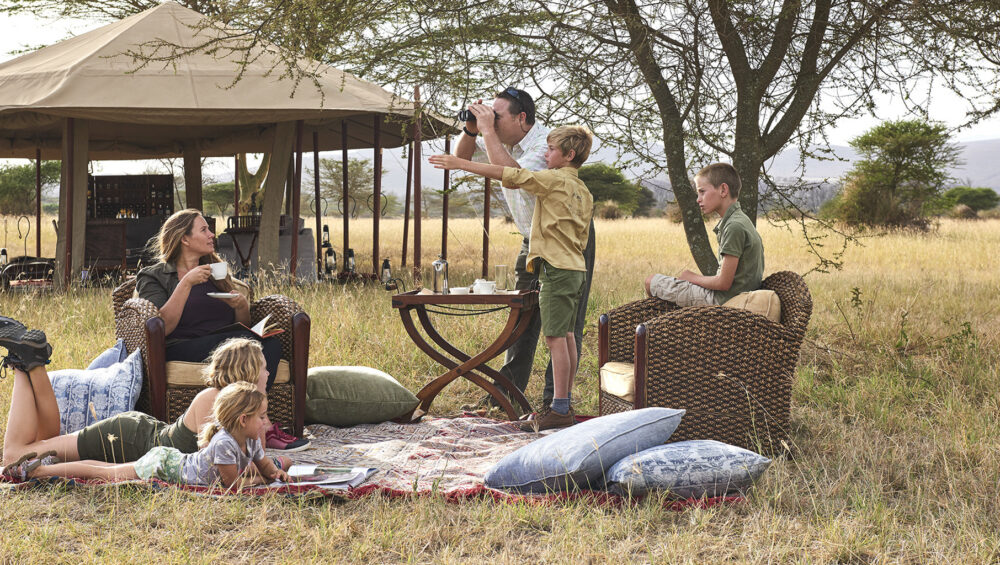
When you hear “Tanzania safari,” you probably picture a rugged, adventurous journey into the wilderness. You might wonder: is this really a place for kids? The answer, unequivocally, is yes. A Tanzania safari isn’t just an adult’s adventure; it’s a life-changing, educational, and deeply bonding experience for the entire family.

Tanzania offers a unique blend of thrilling wildlife encounters and cultural immersion, all within a safe and surprisingly comfortable environment. This is not a trip to simply “see animals”—it’s an opportunity for your family to reconnect with nature and each other, away from the distractions of everyday life.

1. It’s an Interactive Classroom (Far Better Than a Textbook)

Imagine your kids learning about the food chain not from a diagram, but by watching a lion pride on the hunt in the Serengeti. Or seeing towering giraffes gracefully chewing on acacia trees just meters from your safari vehicle. A safari turns biology, geography, and ecology into a real-life documentary.

  • Junior Ranger Programs: Many family-friendly lodges offer special programs designed for young explorers. Your kids can learn how to identify animal tracks, use a compass, and even practice basic bushcraft skills with an expert guide.
  • Cultural Exchange: Beyond the wildlife, a family safari is an incredible opportunity for cultural learning. Visits to authentic Maasai or Hadzabe villages allow your children to meet people whose way of life is completely different from their own, fostering empathy and a global perspective.

2. Safaris Are More Flexible Than You Think

Forget the idea of long, grueling days in a vehicle. A family safari is all about tailored experiences. We design itineraries with kids in mind, incorporating a mix of activities to prevent boredom and cater to shorter attention spans.

  • Private Vehicles: Opting for a private vehicle is a game-changer. You control the schedule—if someone needs a break, a snack, or just a stretch, you can stop. No need to worry about disrupting other guests.
  • A Mix of Activities: A well-planned family safari includes more than just game drives. Consider a canoe safari on Lake Manyara, a guided nature walk to discover smaller insects and plants, or a relaxing afternoon swim in the lodge pool.

3. We Prioritize Your Family’s Comfort and Safety

Safety is our top priority, and Tanzania’s tourism infrastructure is well-established to handle family travel. From your arrival at the airport to your last day on safari, you’ll be in expert hands.

  • Kid-Friendly Accommodations: We partner with lodges and camps that specialize in hosting families. Look for features like spacious family tents or interconnecting rooms, kids’ menus, and swimming pools.
  • Expert Guides: Our guides are not just experts on wildlife; they are natural storytellers who know how to engage children. They can spot animals from miles away and share fascinating facts that will make the experience truly memorable.

4. The Perfect Bush-to-Beach Combination

The ultimate finale to a family safari is a few days of well-deserved relaxation on the coast. Tanzania offers pristine, white-sand beaches that are perfect for all ages.

  • Relax in Zanzibar: After the early morning wake-ups and dusty roads of the safari, a trip to Zanzibar is the perfect wind-down. Your family can swim in the warm Indian Ocean, snorkel or dive to see colorful marine life, and explore the historic Stone Town. It’s a fantastic way to cap off the adventure.

A family safari in Tanzania is more than just a vacation—it’s an investment in your family’s shared memories and a profound learning experience that will stay with you long after you’ve returned home. It’s time to trade the screens for the savannah and discover a world of wonder together.