Best Times to Hike Kilimanjaro: Expert Guide
Mount Kilimanjaro calls not as a mere peak, but as a journey into the soul of Tanzania’s ancient wilderness. It is a transformative destination for those seeking an adventure that transcends the ordinary. We have walked these sacred slopes countless times, learning the mountain’s subtle moods.

Timing transforms everything on this great mountain. The difference lies between a struggle through rain and an ascent beneath crystalline skies. It is the gap between turning back defeated and standing triumphant at Uhuru Peak as dawn breaks over Africa.
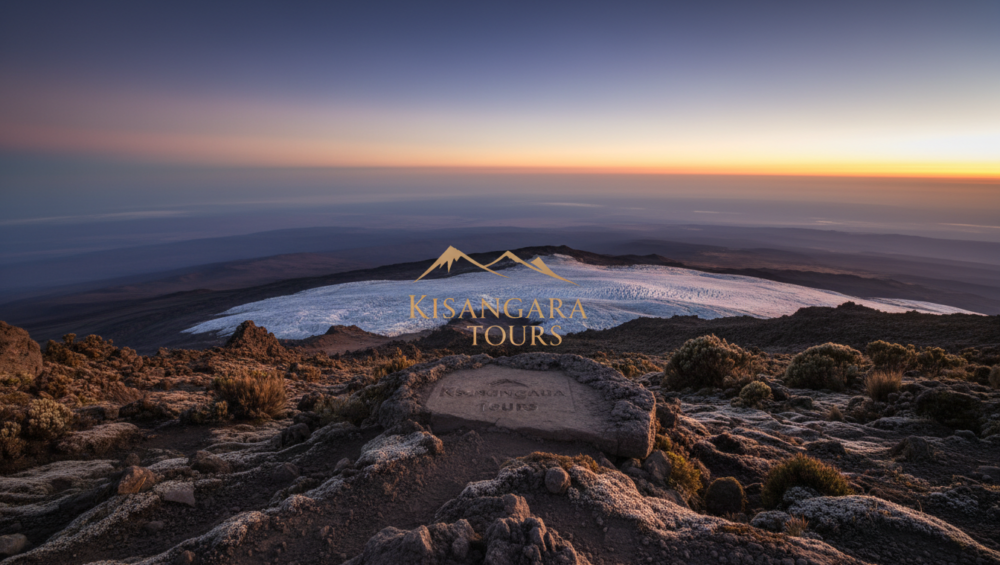
We understand the two golden windows when the mountain’s temperament shifts to welcoming. During the dry seasons, ancient glaciers gleam under clear skies. Your footsteps then follow the path of greatest possibility toward a successful summit.
With over 20 years of experience and more than 4,000 successful ascents, we offer wisdom born of reverence. Our 95% success rate stands in contrast to the overall average. We are local hosts, sharing our homeland’s greatest treasure. For guidance, call +255 755 002 886 / +255 783 292 929 or email info@kisangaratours.com.
This climb is more than a physical challenge; it is a respectful visit to a realm that has stood for millennia. Proper preparation—understanding routes, acclimatization, and readiness—is key to this profound experience.
Key Takeaways
- Mount Kilimanjaro offers a transformative adventure that goes beyond a typical climb.
- The timing of your trek is the single most important factor for a safe and enjoyable experience.
- The mountain has two primary dry seasons that provide the most stable conditions for climbing Kilimanjaro.
- A successful summit requires respect for the mountain, proper acclimatization, and physical readiness.
- Expert guidance dramatically increases your chances of reaching the summit safely.
- This journey is about connection and transformation, not conquest.
Understanding Kilimanjaro’s Climate and Seasons
The mountain’s temperament shifts with celestial precision, offering windows of clarity between seasons of introspection. We have learned to read these patterns like an ancient text written in cloud and wind.

Dry vs. Rainy Seasons and Their Impact
Kilimanjaro breathes in two distinct rhythms. The dry seasons from January-March and June-October bring crystalline skies and stable conditions. During these months, the mountain welcomes climbers with open arms.
Conversely, the rainy season transforms trails. From late March through May, persistent rain creates challenging conditions. November’s shorter rainy season brings intense but brief downpours.
How Weather Influences Trekking Conditions
Weather dictates every aspect of your journey. Dry trails mean safer footing and better acclimatization. Clear skies reward effort with breathtaking views that fuel determination.
Wet conditions test resilience. Slippery paths demand extra caution. Reduced visibility can obscure both navigation and the soul-stirring vistas that make the climb transformative.
Choosing the right time to climb kilimanjaro each year is about more than comfort—it’s about aligning with the mountain‘s generous seasons. This harmony between preparation and nature’s rhythm creates the space for true transformation.
Overview of Popular Kilimanjaro Trekking Routes
The Lemosho, Machame, and Rongai routes are the mountain’s primary arteries. Each carries climbers on a journey of unique character and challenge. Your choice of path shapes your entire experience on this great mountain.

Lemosho, Machame, and Rongai: A Quick Comparison
We walk these trails with deep familiarity. The Lemosho route begins on the remote western slopes. It unfolds over eight days, offering superb acclimatization and breathtaking views across the Shira Plateau.
The Machame route, often called the “Whiskey Route,” is steeper and more direct. It challenges climbers with its intensity but rewards them with dramatic scenery.
Approaching from the north, the Rongai route is the driest path. It provides a sense of true wilderness and different perspectives on the mountain.
| Route | Key Feature | Ideal For | Typical Duration |
|---|---|---|---|
| Lemosho Route | Best acclimatization, low crowds | First-time climbers, scenic trekking | 7-8 days |
| Machame Route | Stunning views, challenging ascent | Experienced hikers seeking a tougher trail | 6-7 days |
| Rongai Route | Drier conditions, remote feel | Those preferring solitude, wetter seasons | 6-7 days |
Choosing the Ideal Route for Your Expedition
Selecting your path is a personal decision. Consider your experience, available time, and desire for solitude. We specialize in the Lemosho route for its gradual profile. This gives climbers the highest chance of a successful and transformative summit.
Each of these routes tells a different story. We help you choose the one that will become your own.
Expert Insights: Best Times to Hike Kilimanjaro
The wisdom of forty-seven summits speaks through our footsteps, each ascent revealing the mountain’s true nature across two decades of intimate relationship. We have witnessed how timing transforms ambition into achievement.
Why Dry Seasons are Favored by Climbers
Dry months offer the mountain’s most generous embrace. Stable weather patterns create predictable conditions where every step feels secure. Clear skies reveal panoramic views that fuel determination during challenging moments.
Contrast this with rainy season attempts. Trails become slick obstacles testing both physical endurance and mental resolve. Clouds obscure the very views that make the climb kilimanjaro transformative.

Historical Success and Participant Experiences
Our 95% success rate versus the mountain-wide average of 50-60% demonstrates how expert guide knowledge transforms outcomes. This statistical truth reflects thousands of joyful summit moments.
We remember people standing breathless at dawn, tears freezing on cheeks as Africa unfolded below. Their successful summit during optimal conditions created memories that last lifetimes.
Proper timing combined with experienced guide support makes climbing kilimanjaro not just possible but profoundly rewarding. The right season allows your body to focus on altitude adaptation rather than battling environmental challenges.
Month-by-Month Kilimanjaro Climbing Guide
The mountain’s annual rhythm unfolds like a sacred calendar, each month offering distinct blessings and challenges to those who seek its summit. We have walked through all twelve cycles, learning how subtle shifts in atmosphere transform the entire experience.
Highlights of January to March Climbing
January welcomes climbers with warmer temperatures and generally clear skies. This month brings excellent visibility though more fellow adventurers share the trails.
February stands as perhaps the finest of all months. Optimal weather conditions create spectacular views across the mountain. The dry atmosphere does bring dusty trails that require face protection.
Mid-March marks a dramatic transition as the long rains arrive. Daily precipitation turns paths slippery, and clouds often obscure the inspiring vistas. Snow accumulates at higher elevations during these months.

June to October: Optimal Conditions and Crowd Considerations
June establishes the long dry season with noticeably colder temperatures above 5,000 meters. Despite the chill, this month offers breathtaking views under crystal-clear skies.
July through September represents the peak climbing season. These months provide the most reliable weather patterns with minimal rainfall. The tradeoff involves sharing routes with more people drawn by ideal conditions.
October brings warmer high-altitude temperatures with morning clarity that often gives way to afternoon clouds. Each of these months creates unique experiences within the favorable dry season window.
Altitude, Acclimatization, and Trek Duration Tips
The true challenge of this ascent whispers not in steepness but in the thinning air, where oxygen becomes the most precious currency. We have learned that the mountain’s greatest test is invisible—the body’s struggle to adapt to altitudes where sea-level fitness offers no protection.
The Importance of a Gradual Ascent
Rushing upward defeats even the strongest climbers. Your body needs time to produce more red blood cells and recalibrate breathing. This biological process cannot be hurried.
Altitude sickness stops more climb attempts than any trail difficulty. A patient pace transforms the journey from survival to celebration. Each extra day dramatically increases your chance of a successful summit.
Planning an 8-Day Trek for Better Acclimatization
We passionately advocate for eight days as the gold standard. This duration allows your system to adapt at each elevation before pushing higher. The Lemosho route shines across eight days, offering ideal acclimatization profiles.
Our strategic use of Kosovo Camp as high camp provides optimal final adaptation. This reduces summit night’s difficulty and gives climbers vital reserves. The marginal cost of extra days pays exponential dividends in success rates.

While shorter routes exist, they often lead to failed attempts. Investing in adequate time on the mountain ensures you actually enjoy the journey rather than merely enduring it.
Essential Gear and Preparation for Your Climb
The conversation between climber and mountain begins long before arrival, in the careful selection of tools that will become trusted companions. Your gear represents more than equipment—it becomes your protective layer against elemental forces.
Recommended Clothing and Equipment
We have learned that quality climbing equipment transforms struggle into flow. The right layers protect you from tropical heat to arctic cold encountered during your trekking adventure.
Footwear stands as your most critical choice. Well-broken-in boots prevent blisters that have ended countless summit attempts. Waterproof construction keeps feet dry through rainforest and snow.

For summit night, specialized equipment becomes essential. Heavy-weight down jackets, insulated pants, and quality headlamps prepare you for freezing temperatures. Trekking poles provide stability on steep terrain.
Our porters carry tents, sleeping mats, and food. This allows you to focus on personal gear that must withstand extreme conditions. Your sleeping bag should be rated to at least -10°C.
Fitness Training and Pre-Trek Preparation
Training should begin months before your climb. Focus on cardiovascular endurance through weighted hikes. Build leg strength for sustained ascent on the mountain‘s varied trail.
Medical preparation is equally vital. Schedule a physical exam before committing to the expedition. Arrive healthy, as respiratory issues increase altitude sickness risk during these challenging times.
Mental conditioning prepares you for summit night’s test. Visualize success and approach with humility rather than conquest mentality. Proper gear and preparation create space for transformation on this sacred trekking journey.
Planning and Booking Your Kilimanjaro Adventure
The bridge between aspiration and achievement is built through thoughtful booking and expert guidance. Now that you understand the optimal seasons and routes, the next step transforms knowledge into committed action.

We encourage early planning for those wishing to climb mount kilimanjaro. Tanzania’s park system limits daily entries to protect the mountain’s fragile ecosystem. Prime dates on the lemosho route often fill many months in advance.
| Booking Timeline | Availability | Recommended Action |
|---|---|---|
| 6-12 months ahead | Wide selection | Ideal for securing preferred dates |
| 3-6 months ahead | Limited options | Flexibility required for popular months |
| Less than 3 months | Very restricted | Last-minute cancellations only |
Contact Us: Call +255 755 002 886 / +255 783 292 929
Our team stands ready to discuss your goals and experience level. We specialize in creating personalized expeditions that maximize your chance of a successful climb kilimanjaro.
Email Us at info@kisangaratours.com or kisangaratours@gmail.com
For detailed itineraries and comprehensive support, email our planning team. We provide everything from gear lists to training guidance for your adventure.
Your journey to the roof of Africa begins with a simple conversation. The mountain awaits those who approach with proper preparation and respect.
Conclusion
Our final wisdom echoes what the mountain itself teaches: success blossoms from the marriage of optimal timing, patient acclimatization, and deep respect. The dry seasons from January through March and June to October offer the most generous windows for your climb. Within these months, February, July, and August shine as the golden trinity for climbing kilimanjaro.
Choosing the eight-day Lemosho route provides the scenic beauty and gradual ascent that transforms ambition into achievement. For those who can align their journey with the lunar cycle, a full moon ascent illuminates ancient glaciers and creates celestial magic during your summit night.
Mount kilimanjaro awaits not as a conquest but as a conversation. When you approach with proper preparation during the right time of year, the mountain reveals its most breathtaking views and profound lessons. Your transformative adventure begins with reaching out to those who know these trails as home.
FAQ
What are the best months to climb Mount Kilimanjaro?
The mountain reveals its most welcoming character during the dry seasons. We favor the windows from late June to October and January to early March. These periods offer stable weather, clear skies for breathtaking views, and drier trails for a more comfortable trekking experience.
How does the rainy season affect a climb?
The long rains from April to May and the short rains in November bring life to the mountain’s forests but create challenging conditions for climbing. Trails can be slippery and muddy, and clouds often obscure the magnificent vistas. While these months are less crowded, they demand extra preparation and resilience from adventurers.
Which route is best for a first-time climber?
For those seeking a profound first encounter, the Machame and Lemosho routes offer excellent acclimatization profiles and stunningly diverse landscapes. The Rongai route, approaching from the north, is often drier and a gentler ascent. We guide you in choosing the path that aligns with your spirit and physical readiness.
Is climbing during a full moon a good idea?
Absolutely. A full moon summit night is a truly magical experience. The lunar light illuminates the glaciers and the vast landscape, creating an otherworldly atmosphere. While it can be a popular time, the celestial spectacle adds an unforgettable dimension to the adventure.
How many days should I plan for the trek?
We passionately recommend itineraries of 7 to 9 days. A longer duration is not a luxury; it is a strategy for success. It allows your body to acclimatize gradually to the altitude, dramatically increasing your chance of reaching Uhuru Peak safely and savoring every moment of the journey.
What is the most important piece of gear?
A> Beyond a sturdy pair of broken-in boots, a high-quality, cold-weather sleeping bag is essential. Nights on the mountain are frigid, and restorative sleep is your secret weapon for acclimatization and summit-day strength. We provide detailed gear lists to ensure you are fully prepared.
How do I start planning my Kilimanjaro adventure?
The first step is a conversation. Reach out to us. Call +255 755 002 886 or +255 783 292 929. Email us at info@kisangaratours.com or kisangaratours@gmail.com. Let’s begin crafting your transformative journey to the roof of Africa together.