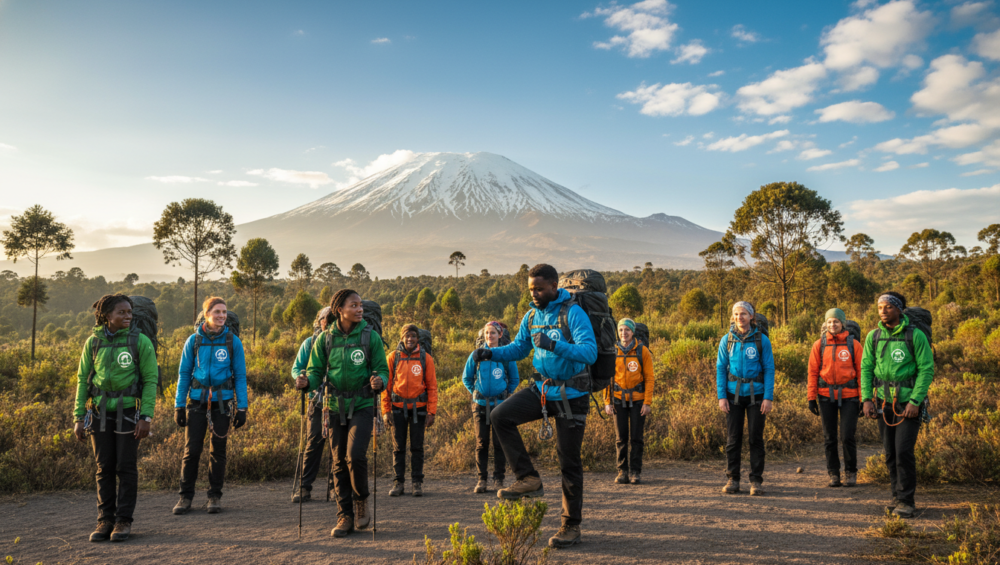
Arusha tanzania

Arusha Tanzania: Unveiling the Heart of Tanzania’s Wilderness

We welcome you to a city cradled at the foot of volcanic giants, where every sunrise illuminates pathways to transformation. This is a place where ancient wilderness meets the soul of East Africa.

Arusha tanzania

Here in this verdant gateway, we witness the convergence of earth’s most spectacular natural theaters. The endless plains of the Serengeti, the primordial crater of Ngorongoro, and Africa’s highest peak piercing the heavens await.

This remarkable city reveals itself not merely as a destination but as a threshold. It is the place where modern travelers shed their ordinary worlds. They step into landscapes that have remained unchanged since the dawn of time.

We have made our home here, positioning ourselves as guardians and guides. Our mission at Kisangara Tours is to share the profound beauty that radiates from these northern highlands.

This is where your safari begins—not just a journey through wilderness, but a pilgrimage into the heart of what makes this land eternally wild. The travel that awaits transcends typical tourism.

It becomes an encounter with wildlife that roams freely and cultures that honor ancient traditions. Welcome to the beating heart of a wilderness that invites you to discover what it truly means to return home to nature’s most authentic expression.

Key Takeaways

  • Arusha is the primary gateway for exploring Northern Tanzania’s iconic national parks and conservation areas.
  • The city sits beneath Mount Meru, offering stunning landscapes and a cool, highland climate.
  • It is renowned as the safari capital, providing access to the Serengeti, Ngorongoro Crater, and Mount Kilimanjaro.
  • Travel here is transformative, focusing on deep cultural and natural connections.
  • Responsible tourism practices are essential to preserving the region’s pristine beauty.
  • Expert local guides provide invaluable insight into the ecosystems and communities.
  • The journey is designed for those seeking meaningful adventure over standard vacation experiences.

Introduction to Arusha Tanzania

Here, where jacaranda blossoms paint the streets purple, visitors discover more than a gateway—they find a living tapestry of cultures. This vibrant town breathes with the energy of explorers drawn to Africa’s wild heart.

An Overview of Tanzania’s Safari Capital

Nestled at the base of volcanic slopes, this city serves as the true starting point for wilderness adventures. We witness daily how it transforms travelers from observers into participants.

The air carries the scent of rich volcanic soil, reminding us that this is more than just a stopover. It’s where modern rhythms yield to ancient wilderness calls.

safari capital city landscape

Historical and Cultural Significance

Beyond its role as a safari hub, this city holds profound historical weight. The Arusha Declaration of 1967 shaped the nation’s character right here, creating a philosophical foundation that still resonates.

We see Arusha city as part sanctuary, part classroom—where over 120 tribes weave their wisdom into a vibrant cultural mosaic. This living culture gives deeper meaning to every safari journey that follows.

Here, tradition and progress dance together, creating the authentic experience that thoughtful visitors seek. It’s where your transformation truly begins.

Unmatched Safari Experiences

Two extraordinary wilderness areas beckon just beyond the urban threshold, each offering unique encounters with Africa’s iconic wildlife. We guide you into realms where nature’s ancient rhythms still govern the land.

Adventures in Arusha National Park

This compact sanctuary reveals extraordinary diversity. Soda lakes shimmer pink with flamingo congregations while Mount Meru’s volcanic slopes create a dramatic backdrop.

Morning game drives in this national park offer intimate wildlife viewing. Giraffes browse at eye level along forest trails. Large herds of elephants emerge from woodland shadows with powerful serenity.

Arusha National Park wildlife safari

Highlights of Tarangire National Park

Beyond the city boundaries, Tarangire National Park unfolds as a vast wilderness revelation. Ancient baobab trees stand as sentries over grasslands hosting massive elephant populations.

The Tarangire River serves as the lifeline during dry seasons. Hundreds of elephants converge on precious water sources while zebras and wildebeests move in synchronized waves across golden savannah.

These contrasting safari experiences—one compact and diverse, the other expansive and wildlife-rich—define classic African adventure. Discover more about these incredible national park destinations with us.

Iconic Mountain and Hiking Adventures

Above the city’s rhythm, two volcanic titans rise in silent conversation—one an intimate challenge, the other a continental ambition. These peaks define our landscape and call to those seeking transformation through vertical journeys.

mount meru kilimanjaro hiking views

Exploring Mount Meru and Kilimanjaro Views

We begin with Mount Meru, Africa’s fifth-highest peak at 4,566 meters. This 43-kilometer hiking adventure unfolds over 3-4 days through ever-changing ecosystems.

The trek reveals emerald rainforests alive with colobus monkeys, mystical moorlands wrapped in mist, and finally alpine deserts. Each step builds toward the spectacular reward at Socialist Peak.

From the summit, views encompass the Great Rift Valley and Maasai Steppe. On crystalline mornings, the snow-capped dome of Mount Kilimanjaro floats like a vision on the eastern horizon.

Feature Mount Meru Mount Kilimanjaro
Height 4,566 meters 5,895 meters
Trek Duration 3-4 days 5-9 days
Key Experience Intimate wilderness immersion Continental summit achievement
Best Views Kilimanjaro from summit African continent from Uhuru Peak

“To stand atop these ancient volcanoes is to touch the sky while remaining grounded in earth’s deepest history.”

Mount Kilimanjaro represents Africa’s ultimate vertical pilgrimage. This dormant volcano creates its own weather systems across five distinct climate zones.

We guide adventurers through seven official routes, each offering unique perspectives on this magnificent mountain. The journey transforms casual tourists into accomplished mountaineers.

These volcanic giants frame not just our physical landscape but our spiritual identity. They are the challenges that reveal what we’re truly capable of achieving.

Cultural Immersion in Arusha

Beyond the safari trails, a different kind of discovery awaits—one that pulses with the creative heartbeat of generations. We guide you into spaces where human expression becomes the wildest landscape of all.

Experiencing Local Traditions and Art

Here, culture lives in vibrant motion. The Tinga Tinga art classes transform observers into creators. Visitors hold brushes guided by master artists.

Rhythmic dot patterns dance across canvas. East African wildlife springs to life through vibrant colors. This interactive experience connects hands to heritage.

Visits to the Cultural Heritage Centre

The Arusha Cultural Heritage Centre gathers Tanzania’s soul under one roof. Established in 1994, this space serves as museum, marketplace, and conservation champion.

Proceeds from the art gallery support elephant protection. Every purchase becomes an act of cultural preservation. The heritage centre bridges artistic tradition with wildlife conservation.

Art Form Traditional Expression Contemporary Evolution
Painting Tinga Tinga wildlife scenes Modern interpretations of classic themes
Sculpture Tribal wood carvings Abstract forms in local materials
Jewelry Maasai beadwork encoding status Tanzanite settings in modern designs

Gemstones tell geological stories alongside artistic ones. Tanzanite’s violet glow speaks of rare earth pressures. Rubies capture sunset fire in permanent form.

This cultural heritage centre proves that tradition evolves while honoring roots. It’s where visitors become participants in living culture.

Wildlife Encounters Beyond Safari

True connection with the wild begins when you exchange the familiar hum of an engine for the vulnerable silence of your own footsteps. This is where observation transforms into participation.

We guide you into spaces where every rustle in the grass becomes a story. Your senses awaken to details vehicles simply cannot reveal.

Game Drives and Walking Safaris

Walking safaris unlock a new dimension of wilderness awareness. You notice the intricate architecture of termite mounds and fresh elephant tracks pressed into the soil.

Armed rangers ensure your safety while you immerse in nature’s unfiltered reality. These activities demand presence in a way that vehicle-based game drives cannot replicate.

walking safari wildlife experience

Near Ngurdoto Crater, colobus monkeys leap through canopy shadows. At Lake Momella, flamingos paint the water pink while buffalo graze in nearby clearings.

Following elephant footprints on foot creates memories that transcend typical safari experiences. You feel their distant rumbles vibrating through the ground.

Beyond traditional formats, we introduce specialized encounters like Meserani Snake Park. Here, education replaces fear as you learn about Africa’s most misunderstood reptiles.

This is how wildlife encounters become transformative journeys. You become part of the ecosystem rather than just an observer passing through.

Coffee and Culinary Journeys

Beyond the wilderness trails, our journey continues through landscapes of flavor where every bean tells a story of the land that nurtured it. We guide you into the heart of cultivation, where agriculture becomes artistry and every meal connects you to generations of tradition.

coffee plantation tour

Coffee Plantation Tours

Walking through lush coffee plantations, you witness the complete process from cherry to cup. The volcanic soil of Mount Meru’s slopes produces beans renowned for their complex flavors.

We invite you to participate in traditional roasting methods. You’ll taste the difference between varieties while learning how altitude shapes each cup’s character.

At Materuni village, the experience deepens with waterfall views and authentic local food. Women prepare traditional dishes using ingredients grown in surrounding hills.

You can try grinding your own coffee using traditional tools. This hands-on process connects you to the physical work behind every aromatic cup.

Time spent in these plantations becomes an education in terroir. You learn how volcanic soil influences flavor profiles across different growing regions.

Arusha’s dining scene reflects global sophistication rooted in local ingredients. From Africafe’s excellent coffee to Café Bamboo’s fusion dishes, every meal tells a cultural story.

These culinary journeys complement wilderness adventures perfectly. After days tracking wildlife, sharing locally roasted coffee grounds you in human warmth.

The experience reveals how food serves as a medium for cultural expression. Each recipe carries stories of ancestors and adaptation through time.

Exploring Arusha’s Local Markets and Shops

Where commerce meets culture, the vibrant marketplaces of this highland town invite you into a different kind of wilderness—one woven from human creativity and ancient trade routes.

We guide you through corridors where pyramids of cinnamon, cardamom, and cloves create fragrant landscapes. Their aromas mingle with the earthy scent of fresh produce piled high by local farmers.

local markets shopping experience

Finding Gemstones, Spices, and Local Crafts

The true magic of shopping here reveals itself in moments of connection. Maasai women share stories behind intricate beadwork patterns, each color encoding meanings about age and status.

Gemstones tell geological tales of extraordinary heat and pressure. Tanzanite’s violet-blue depths exist nowhere else on Earth, while rubies and emeralds reveal ancient forces that shaped this land.

These spices connect to coastal trading histories centuries old. Arab dhows once carried cinnamon and cloves from Zanzibar inland, and today these aromatics remain central to local cuisine.

Between India Road and the Clock Tower, wood carvers transform raw ebony into elegant animal forms. The rhythmic tapping of their tools provides the neighborhood’s soundtrack.

Beyond tourist shopping, supermarkets like Nakumatt serve practical needs with fresh organic produce. This city balances its role as safari gateway with being a fully functioning community.

Every purchase becomes a tangible connection to take home—objects that will forever trigger memories of your time in Arusha’s beating heart.

Family-Friendly Activities in Arusha

For families traveling with curious minds, we open doors to activities that transform observation into participation through artistic expression. These experiences ensure younger travelers become active creators rather than passive observers.

family art activities

Interactive Art Classes and Workshops

At Tinga Tinga art classes, generations sit side by side with master artists. Children learn to render wildlife in vibrant dotted patterns that originated in this region. This shared creative time becomes a bridge between cultures.

The Swahili Art Group Studio offers a dynamic way to engage with local youth empowerment. Visitors of all ages participate in workshops that support community development. Artistic expression here serves as both livelihood and cultural preservation.

Activity Experience Type Age Suitability Key Feature
Tinga Tinga Classes Traditional Painting All Ages Master Artist Guidance
Swahili Art Studio Community Workshop 5+ Years Youth Empowerment Focus
KiliTouch Replica Interactive Climbing 3+ Years Accessible Mountain Experience

“When children’s hands shape color into story, they don’t just visit a place—they become part of its living tapestry.”

The KiliTouch replica offers playful mountain climbing for families. Children experience summit achievement without physical demands. These activities create memories that transcend typical tourism.

Each creative session becomes a journey into East African art traditions. Families leave with more than souvenirs—they carry connections forged through shared creativity.

Adventure and Outdoor Activities

Beyond the well-trodden paths lies a landscape that challenges the body while nourishing the soul through vertical ascents and geothermal wonders. We guide you to experiences that transform observation into participation.

These activities reveal the region’s geological drama in ways that vehicle-based travel cannot. Each trail becomes a conversation with ancient forces.

Hiking Trails and Scenic Landscapes

Mount Longido demands six hours of committed effort through vibrant forests. The reward: panoramic views encompassing four iconic peaks on crystalline days.

hiking trails scenic landscapes

Maasai Crater offers accessible volcanic drama with stunning sunsets. Lake Duluti provides gentle canoeing amidst bird-rich forests. These complementary activities create a well-rounded adventure portfolio.

Chemka Hot Springs serve as the ultimate reward. Sinking into turquoise waters feels like discovering a secret oasis. The warm water eases muscles while small fish provide natural exfoliation.

This is the way we experience our home—through interconnected trails and healing waters. Each part of this volcanic playground offers different views into nature’s enduring power.

Navigating Arusha: Where to Stay and Get Around

Your sanctuary awaits in diverse forms, from urban centers to volcanic slopes. Each neighborhood offers its own unique conversation with the landscape, helping you find your temporary home in this vibrant city.

Top Accommodation Picks and Neighborhoods

Luxurious lodges on the outskirts provide Mount Meru views and safari-style elegance. Centrally located hotels like Arusha Hotel place you within walking distance of restaurants and markets in the heart of town.

Your choice of neighborhood shapes your entire experience. Kijenge offers semi-rural tranquility near Lake Duluti. Sakina’s position on volcanic slopes provides cooler temperatures and strategic park access.

Neighborhood Location Advantage Unique Feature
Kijenge 3 miles from center Lake Duluti access
Sakina Northern slopes Cool mountain climate
Tengeru Easy bus access Coffee culture immersion

Transport Options and Local Travel Tips

Transport options range from adventurous to comfortable. Daladala minibuses offer authentic local travel at minimal cost. Private taxis provide convenient navigation through urban streets.

We recommend driver-included rentals for regional exploration. The roads to national park gateways demand local expertise. This ensures both safety and enriched cultural interpretation during your journey.

Arusha accommodation and transport options

These practical choices significantly impact your overall trip. Thoughtful planning balances budget consciousness with comfort appropriate to your stay. The right transportation options transform mere movement into meaningful discovery.

Essential Tips for Arusha Tanzania Trips

As your journey approaches, practical wisdom becomes the bridge between anticipation and authentic experience. We guide you through considerations that transform a dream into carefully crafted reality.

Contact Kisangara Tours for Personalized Itineraries

Our expertise extends beyond logistics to genuine cultural guardianship. We design journeys honoring both your interests and the wilderness we protect.

Reach us at +255 755 002 886 or +255 783 292 929. Email info@kisangaratours.com to begin your planning journey. We respond with the attention your adventure deserves.

Practical Travel Advice and Must-Know Details

Timing shapes your entire experience. The high season from June through September offers optimal wildlife viewing in dry conditions.

The Ngorongoro Conservation Area and Serengeti National Park each require adequate exploration time. We recommend 2-3 days in Ngorongoro and 3-4 days in the Serengeti.

Season Timing Experience Consideration
High Season June-September Optimal wildlife viewing Higher prices, more visitors
Rainy Season March-May Green landscapes, fewer tourists Challenging roads, dispersed wildlife
Dry Season June-October Easy animal spotting Concentrated water sources

Our personalized itineraries range from 7-day wildlife trips starting at US$5,000 to comprehensive 10-day adventures. Budget for meals averaging TZS 50,000-100,000 in the city.

Early planning ensures optimal guides and accommodations. We become local partners invested in your transformation through this remarkable land.

Conclusion

As the final chapter of your Tanzanian exploration unfolds, the experiences gathered along the way become treasures that reshape your understanding of home. This city serves as more than a geographical starting point—it becomes an essential part of your transformation.

Each encounter, from wildlife sightings to cultural exchanges, combines to produce a journey richer than any single element. We’ve shared practical details not as logistics but as pathways to deeper presence.

The invitation remains: reach out to us at Kisangara Tours. Allow us to craft an itinerary that honors both your dreams and the wilderness we protect. Tanzania offers perspective shifts that ripple through your life long after you return.

This is your moment to transition from imagining to experiencing—to come home to something ancient within yourself through authentic encounters with wild spaces.

FAQ

What is the best time of year to visit for optimal wildlife viewing?

The dry seasons, from June to October and December to February, offer the finest wildlife encounters. Animals gather around water sources, making sightings of elephants and giraffes spectacular. The skies are clear, granting breathtaking views of Mount Kilimanjaro.

Can we combine a visit to Arusha National Park with a trip to the Serengeti or Ngorongoro?

A> Absolutely. Many of our safaris are crafted as seamless journeys. You can begin with walking safaris among giraffes on the slopes of Mount Meru before venturing to the vast plains of the Serengeti or the Ngorongoro Conservation Area, creating an unforgettable travel experience.

Are the activities and hiking trails suitable for families with children?

Yes, we offer many family-friendly options. Gentle walking safaris, interactive art classes at the cultural heritage centre, and shorter hikes provide safe, engaging ways for all ages to connect with nature and local culture.

What unique cultural experiences can we expect beyond the typical safari?

We invite you to dive deeper. Visit a coffee plantation to learn the process from bean to cup, explore the vibrant markets for gemstones and spices, and engage with local artisans. These moments reveal the true soul of the city and its people.

What type of accommodation options are available for different travel styles?

From luxurious lodges with stunning mountain views to cozy, authentic stays closer to town, we help you find the perfect home base. Whether you seek adventure or tranquility, your stay will be a cherished part of the journey.
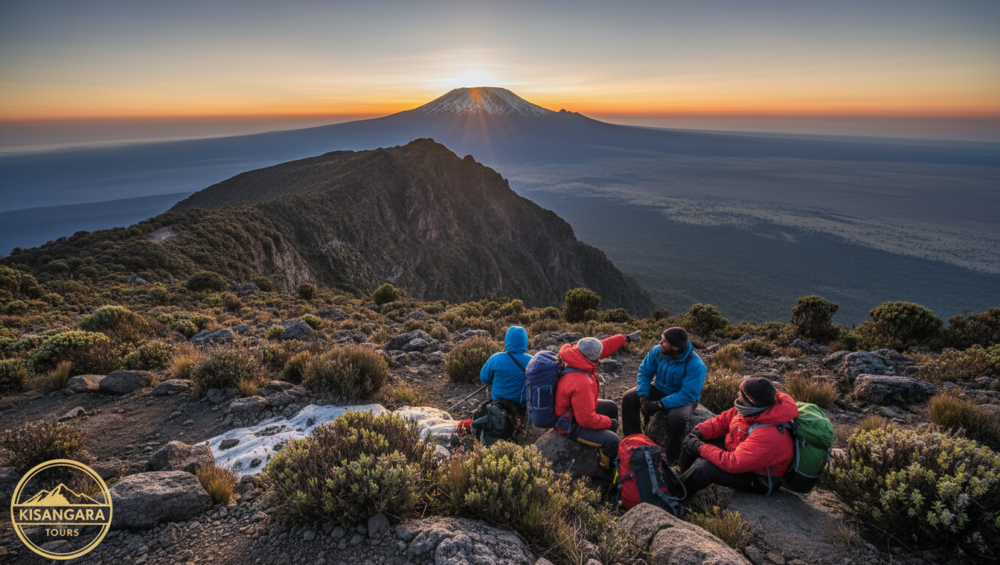
kilimanjaro national park, kilimanjaro facts

Kilimanjaro National Park, Kilimanjaro Facts: Unveiling Tanzania’s Natural Wonder

We invite you to step into a realm where the earth reaches for the sky. Here, ancient volcanic forces sculpted Africa’s most iconic summit. This is a place of breathtaking grandeur.

kilimanjaro national park, kilimanjaro facts

This peak is more than a geographical feature. It is a testament to the raw power of creation. Mount Kilimanjaro stands as the tallest in Africa and the highest free-standing mountain in the world. Its summit, Uhuru Point, rests at 19,341 feet.

It calls to adventurers and dreamers from every corner of the globe. This majestic giant is one of the legendary Seven Summits. We explore it as a living cathedral of ecosystems. Each layer tells a chapter in Earth’s ancient story.

We begin our journey with essential kilimanjaro facts. We honor the sacred relationship between this mountain and humanity. This is the heart of Kilimanjaro National Park.

Key Takeaways

  • Mount Kilimanjaro is Africa’s tallest peak and the world’s highest free-standing mountain.
  • The summit is known as Uhuru Point, reaching 19,341 feet (5,895 meters) above sea level.
  • It holds a place among the Seven Summits, the highest mountains on each continent.
  • The climb is considered non-technical, not requiring specialized mountaineering gear.
  • The mountain is a protected centerpiece of a vast and diverse national park.
  • Its slopes contain distinct ecological zones, each with unique life.
  • It represents a powerful, transformative journey for those who answer its call.

Overview: Discovering Tanzania’s Iconic Natural Wonder

We witness the earth’s majesty in its purest form: a mountain that needs no mountain range to define its grandeur. Unlike the Himalayas where peaks huddle together, this colossal formation stands sovereign. It rises in splendid isolation from the Tanzanian plains, a volcanic titan born from ancient eruptions.

Mount Kilimanjaro overview

The summit called Uhuru Peak—meaning “freedom” in Swahili—reaches 19,341 feet toward the heavens. This makes Mount Kilimanjaro not just Africa tallest sentinel, but the highest free-standing mountain in the world. Its protected status as a UNESCO World Heritage Site honors this unique treasure.

We understand this peak as both geographical apex and spiritual destination. Within its slopes, entire ecosystems unfold like chapters in Earth’s story. For those who answer its call, the journey becomes a pilgrimage where modern life meets ancient wilderness.

Early History and the First Ascents of Mount Kilimanjaro

Long before the first boots crunched its volcanic scree, the mountain existed in legend and whispered awe. Its snow-capped peak, known as Kibo to the Chagga people, was a symbol of greatness for centuries. The earliest written account comes from Ptolemy of Alexandria, who described a “large snow mountain” long ago.

This history is a rich tapestry of human endeavor. It culminates in the first documented ascent over a century ago.

Hans Meyer’s Breakthrough Journey

The story of the first successful climb is one of perseverance. German geologist hans meyer made three attempts to conquer mount kilimanjaro. His initial effort years ago failed at the icy walls of Kibo.

Political unrest thwarted his second try. But hans meyer did not give up. His third attempt in 1889 was a triumph of partnership.

He collaborated with Austrian climber Ludwig Purtscheller and a local guide, Yohani Kinyala Lauwo. Together, they finally reached summit of Uhuru Peak. This historic moment changed exploration forever.

Hans Meyer’s Attempts to Summit Mount Kilimanjaro
Year Outcome Key Reason
1887 Failed Lacked equipment for ice and snow
1888 Failed Captured during the Abushiri Revolt
1889 Success Collaboration with local guide and team

Legends and Local Narratives

Long before that first ascent, the mountain was alive in local stories. Its name itself holds mystery. Some interpretations suggest “mountain of whiteness” or “mountain of caravans.”

These narratives speak of a powerful, almost spiritual presence. They remind us that every climber today walks paths first imagined long ago.

Geological Wonders: The Three Volcanic Cones of Kilimanjaro

We uncover the ancient fires that built Africa’s roof, a process that created not a single summit but a trio of volcanic cones. Each cone tells a different chapter in an epic story of creation and change.

three volcanic cones of mount kilimanjaro

Kibo, Mawenzi, and Shira Explained

The central and tallest of the three volcanic cones is Kibo. It is a dormant volcano, meaning it could awaken again. This youngest cone formed 460,000 years ago and cradles the famous Uhuru peak.

To the east stands Mawenzi. Its jagged profile marks it as an extinct volcano. It ranks as the third-highest peak in Africa, a silent sentinel of raw power.

Shira, the westernmost cone, is also extinct. Its story is one of collapsed grandeur. It is no longer a peak but a vast plateau, a testament to the mountain’s dynamic past.

The Three Volcanic Cones of Mount Kilimanjaro
Cone Name Status Height (feet/meters) Key Characteristic
Kibo Dormant 19,340′ / 5,895m Youngest cone; contains the summit
Mawenzi Extinct 16,893′ / 5,149m Africa’s third-highest peak; rugged and craggy
Shira Extinct Plateau at 13,000′ / 3,962m Collapsed crater forming the Shira Plateau

The last major eruption shook the earth 360,000 years ago. This timeline humbles us, placing human history against the deep clock of geology.

Ecological Diversity and Climate Zones

Within this single majestic peak lies the climatic diversity of an entire continent compressed into vertical space. The climb offers an extraordinary experience through five distinct ecological zones, each a complete world unto itself.

ecological zones of mount kilimanjaro

We begin where the earth feels most familiar. The cultivated lower slopes give way to lush rainforests where ancient trees create emerald cathedrals.

Rainforest, Moorland, and Cultivated Zones

The rainforest envelops climbers in vibrant life. Moisture drips from canopies that shelter unique flora and fauna found nowhere else.

As we ascend, the landscape transforms dramatically. The moorland zone reveals otherworldly plants adapted to harsh conditions. Giant groundsels and lobelias stand as silent sentinels.

This middle section of the mountain teaches us about resilience. Life persists in forms that defy expectation.

Alpine Desert and Arctic Landscapes

The transition into the alpine desert marks a profound shift. Vegetation surrenders to geology, and the air thins with every step upward.

Finally, we reach the arctic summit—a realm of ice and rock where permanent human presence is impossible. This crown of the mountain challenges both body and spirit.

Each of these zones demands different preparation. The journey through these ecological bands makes the ascent more than physical achievement—it becomes a pilgrimage through Earth’s diversity.

The Melting Ice Cap: Climate Change Impact on Kilimanjaro

We stand before a vanishing crown, watching as millennia of frozen history retreat before our eyes. The legendary glaciers that have defined this peak are disappearing in a transformation both profound and sobering.

melting ice cap mount kilimanjaro

Rapid Ice Loss Over the Past Century

Scientists have documented an alarming truth: since 1912, the ice cap has shrunk by 82%. What once seemed eternal now exists as mere fragments of its former glory.

The mechanisms of loss are twofold. Direct melting combines with sublimation, where ice transforms directly to vapor. This dual assault accelerates the disappearance of ancient snow fields.

Future Predictions and Environmental Concerns

With only 20% of the historic coverage remaining, projections suggest complete disappearance within decades. We may witness the last of this equatorial ice within our lifetime.

Conservation efforts offer glimmers of hope. In 2008, nearly 5 million indigenous trees were planted around the base. Yet time presses forward, and the outcome remains uncertain.

This environmental concern transforms every journey to mount kilimanjaro into an act of witness. The window to experience these vanishing glaciers narrows with each passing year.

Challenges on the Climb: Acute Mountain Sickness and Altitude

There is an invisible adversary on this journey, one that respects neither strength nor determination—the altitude itself. This silent challenge separates successful ascents from necessary retreats.

acute mountain sickness symptoms

Acute mountain sickness affects climbers when their bodies struggle with reduced oxygen. Headaches, nausea, and dizziness signal this mountain sickness.

The most serious forms can be fatal. Pulmonary edema floods the lungs with fluid. Cerebral edema causes dangerous brain swelling.

Between five and fifteen people perish here annually. Most succumb to hypothermia or altitude-related complications. This reminds us that respect for the mountain is essential.

Even elite athletes have turned back due to acute mountain challenges. Fitness alone cannot guarantee summit success against thinning air.

Time becomes the greatest medicine for acclimatization. Success rates climb from 27% on rushed five-day routes to 98% on properly paced expeditions. Approximately half of all climbers will not reach their goal due to altitude issues.

We monitor every person for symptoms of this mountain sickness. We carry emergency oxygen and prioritize descent when acute mountain sickness threatens. No peak is worth a life.

Popular Climbing Routes and What to Expect

The path you choose becomes the story you tell. Seven official trails weave their way upward, each with a distinct character and rhythm. Your selection shapes the entire climbing kilimanjaro experience.

popular climbing routes mount kilimanjaro

We guide you through these options with care. The right route matches your spirit, your stamina, and the time you have to listen to the mountain.

Marangu, Machame, and Lemosho Routes

The Marangu route, following Hans Meyer’s historic path, is famously called the “Coca-Cola” route. Its popularity, however, belies a challenge. The standard five-day schedule offers little time for the body to adjust to the altitude.

We often favor the Machame route, the “Whiskey Route.” It demands more over six to seven days. This climb rewards effort with stunning ecological diversity and superior acclimatization.

For the most scenic approach, the Lemosho route is unparalleled. It begins on the wild western flank, crossing the vast Shira Plateau. This path offers a gentle start and the highest chance of summit success.

Alternative Paths and Their Unique Features

Other paths offer solitude and unique perspectives. The Rongai route ascends from the north, providing drier conditions and dramatic views of Mawenzi peak.

The Northern Circuit is the longest journey. It circles the peak, allowing for profound acclimatization and a truly immersive experience.

Tanzania requires all adventurers to use an authorized route with a licensed guide. This rule protects the fragile environment and ensures every climber‘s safety.

Comparing Key Kilimanjaro Climbing Routes
Route Name Typical Duration Common Nickname Key Feature Success Rate
Marangu 5-6 days Coca-Cola Route Historic path, hut accommodation Lower
Machame 6-7 days Whiskey Route High scenic variety, excellent acclimatization High
Lemosho 7-8 days Scenic Route Remote start, crosses Shira Plateau Very High
Rongai 6-7 days Wilderness Route Drier climate, views of Mawenzi High

Kilimanjaro as One of the Seven Summits

There exists a sacred fellowship among the world’s highest points, and our Tanzanian giant claims its rightful place within this hallowed circle. The seven summits represent more than geographical statistics—they embody human aspiration across continents.

seven summits mount kilimanjaro

We celebrate this peak’s position as Africa’s contribution to this legendary collection. It stands fourth in elevation yet first in accessibility among these continental monarchs.

The Seven Summits: Continental High Points
Mountain Continent Height (feet/meters) Technical Difficulty Notable Feature
Everest Asia 29,035′ / 8,850m Extreme World’s highest peak
Aconcagua South America 22,834′ / 6,960m High Highest outside Asia
Denali North America 20,310′ / 6,190m High Extreme weather challenges
Mount Kilimanjaro Africa 19,340′ / 5,895m Non-technical Highest free-standing
Elbrus Europe 18,513′ / 5,642m Moderate Volcanic peaks
Vinson Antarctica 16,050′ / 4,892m Moderate Remote polar location
Carstensz Pyramid Oceania 16,023′ / 4,884m Extreme Technical rock climbing

While other summit attempts demand ropes and ice axes, this ascent requires only determination and proper acclimatization. This accessibility makes climbing kilimanjaro an ideal introduction to high-altitude achievement.

The seven summits represent not just peaks to conquer, but continents to understand—each telling a different story of our planet’s grandeur.

—Mountaineering Philosophy

We remind every adventurer that “easiest” among the seven summits never means “easy.” The altitude remains a formidable challenge that demands respect. This mountain world achievement transforms visitors into witnesses of global geological majesty.

Record-Breaking Feats and Incredible Climbing Stories

Human ambition finds its ultimate expression in the race against time on this great peak. We marvel at those who transform the ascent into a sprint, rewriting the limits of human endurance.

speed climbing mount kilimanjaro world record

These athletes turn the trail into a track, where every second counts toward a new world record.

Speed Climb Records and Notable Achievements

The Swiss-Ecuadorian athlete karl egloff achieved a feat that seems almost superhuman. His round-trip ascent and descent took a mere 6 hours 42 minutes.

This shattered previous marks and stands as a testament to perfect preparation. Other legends like Kilian Jornet reached the summit in just over 5 hours.

German climber Anne-Marie Flammersfeld set the women’s record. Her incredible effort took 8 hours 32 minutes to reached summit.

These achievements are not just about speed. They represent weeks of acclimatization and profound respect for the mountain’s challenge.

Notable Speed Climbing Records on the Mountain
Athlete Nationality Achievement Time (Hours:Minutes) Year
karl egloff Swiss-Ecuadorian Fastest Ascent & Descent 6:42 2014
Kilian Jornet Spanish Fastest Ascent 5:23 2010
Anne-Marie Flammersfeld German Women’s Ascent Record 8:32 2015
Simon Mtuy Tanzanian Fastest Unaided Climb 9:19 2006

Anecdotes of Triumph and Challenge

Beyond pure athleticism, the peak has hosted unique human stories. In 2016, a pizza delivery created a world record at the top.

DJ Joozey became the first to perform music at Uhuru Peak. These moments add a layer of whimsy to the solemnity of climbing kilimanjaro.

We celebrate every journey, whether it takes hours or days. Each successful summit is a personal victory against the elements.

Diverse Flora and Fauna on and Around Kilimanjaro

The mountain breathes with a living pulse, where ancient forests shelter secrets and wildlife thrives in vertical kingdoms. This is not merely stone and ice but a vibrant ecosystem supporting over 140 mammal species.

diverse flora and fauna mount kilimanjaro

We guide you through forests where leopards prowl shadows and blue monkeys swing through canopies. Twenty-four bat species navigate darkness while honey badgers defend their territory. Nearly 180 bird species fill the air with song.

The discovery of Africa’s tallest tree here in 2016 reminds us this mountain still harbors ancient secrets. The Entandrophragma Excelsum stands possibly 500 years old—a living testament to time.

This biodiversity forms part of a greater world where human communities have lived for centuries. The Chagga people farm fertile volcanic soil while Maasai herdsmen move through western foothills.

Eighteen forest villages maintain traditional relationships with the land. They keep bees, hunt sustainably, and honor the balance between use and preservation.

Every climb becomes a richer experience when you encounter this interconnected life. You ascend for the summit but discover an entire world along the way. This part of the journey transforms the mountain from challenge to sanctuary.

Inspiring Journeys: Personal Stories from Kilimanjaro Climbers

The true summit of this mountain is not measured in feet, but in the human spirit it awakens. We have witnessed extraordinary journeys that redefine possibility.

Anne Lorimor reached the peak at 89 years old, proving that determination transcends calendar pages. Meanwhile, Coaltan Tanner stood triumphant at just six years old.

Triumphs of the Young and the Old

These climbers show that age defines neither courage nor capability. With proper guide support, even children achieve extraordinary feats.

We honor those overcoming profound challenges. Bernard Goosen summited twice with cerebral palsy. Kyle Maynard climbed without forearms or lower legs.

The experience of climbing kilimanjaro becomes deeply personal. Every successful summit represents victory over doubt.

Even elite athletes face humbling moments here. The mountain respects no reputation, only preparation and spirit.

These stories remind us that climbing kilimanjaro welcomes all who approach with respect. Each journey transforms ordinary climbers into witnesses of human potential.

Essential Climbing Preparations and Gear Recommendations

Success on Africa’s rooftop is woven from three essential threads: the right equipment, physical readiness, and experienced local wisdom. While this journey requires no technical mountaineering skills, proper preparation transforms challenge into achievable adventure.

The right gear makes the difference between misery and magic. Layered clothing systems, broken-in hiking boots, and sub-zero sleeping bags become your trusted companions against extreme temperature variations.

Training Tips for First-Time Adventurers

Physical preparation should begin months before your climb kilimanjaro adventure. Cardiovascular training builds the endurance needed for long days on the trail. Hiking with weighted packs conditions your legs and back for the real challenge.

Choosing your guides separates success from disappointment. Reputable operations provide multiple guides per climb and carry comprehensive medical equipment. They prioritize safety over summit statistics.

We’ve guided thousands safely because our experience becomes your foundation. With proper preparation, appropriate gear, and qualified guides, your climbing kilimanjaro experience transforms from impossibility to achievement.

Essential Insights: kilimanjaro national park, kilimanjaro facts

We gather the threads of history, conservation, and human achievement that weave the complete tapestry of this African giant. These essential kilimanjaro facts transform statistics into understanding, numbers into meaning.

The protected expanse of Kilimanjaro National Park spans 1,668 square kilometers of precious heritage. Every adventurer must walk with licensed guides on authorized routes—regulations designed for both safety and preservation.

Between 25,000 and 35,000 people attempt to climb kilimanjaro each year. Yet only about half reach the summit, making proper preparation the difference between statistics and success.

We honor the East African Mountain Club’s pioneering work in the 1920s. They built the first rest huts and trained the initial guides before Tanzania assumed management in 1973.

Conservation facts inspire responsibility: the 2008 planting of 5 million indigenous trees demonstrates community commitment. At the summit, a wooden box holds a book where nearly every successful climber records their reflections.

Understanding these essential facts means recognizing you’re not merely climbing a mountain. You’re participating in a carefully managed, culturally significant experience that transforms adventure into reverence.

Safety Measures and Tips for Preventing Altitude Sickness

Altitude becomes the silent teacher on this pilgrimage, reminding us that humility is the true path to the summit. We walk with careful attention to your body’s whispers before they become shouts of distress.

Our guides receive intensive High Altitude First Responder training, transforming them into medical guardians. They monitor oxygen levels and pulse rates multiple times daily, watching for headaches or nausea that signal altitude challenges.

Prevention begins before your boots touch the trail. Choosing longer routes gives your body precious time to adapt. Success rates leap from 27% on rushed five-day climb schedules to 98% on properly paced journeys.

The golden rules are simple yet profound: pole pole (slowly slowly), drink abundantly, eat without appetite, and speak honestly about symptoms. We carry emergency oxygen and maintain communication systems for immediate response.

Over the years, we’ve learned that turning back demonstrates greater courage than pushing upward. Your guide must sometimes make the difficult decision to descend when the mountain speaks through your body. Reaching the summit matters far less than returning safely to those who love you.

Contact and Booking Information

The journey to Africa’s rooftop begins not with a step on the trail, but with a conversation that bridges continents and dreams. We welcome your questions and aspirations—our team stands ready to transform visions into carefully planned reality.

Call Us: +255 755 002 886 | +255 783 292 929

Reaching us is your first step toward achievement. Speak directly with our experienced planning team who understand both the ascent and your unique needs. We’re available across time zones to accommodate international travelers.

Email: info@kisangaratours.com | kisangaratours@gmail.com

For detailed inquiries or itinerary requests, email allows thoughtful conversation. We respond personally to every message, offering comprehensive consultation based on your experience level and goals.

Our booking process is transparent and thorough. We explain exactly what’s included and what to expect each day. As local Tanzanian operators, we build trust through clear communication.

Expedition Options Tailored to Your Vision
Adventure Type Ideal For Key Features Preparation Support
Solo Journey Personal transformation seekers Focused guidance, personal pace Individual training plan
Couples Ascent Shared achievement partners Intimate experience, paired accommodation Joint preparation strategy
Group Expedition Teams and friends Private guiding, group dynamics Collective training sessions

Whether you seek solitary reflection or shared triumph, we customize each expedition while maintaining uncompromising safety standards. Contact us today—your transformative adventure begins with a simple connection.

Conclusion

The call of this peak echoes across continents, inviting transformation through challenge and reverence. Every step upward becomes a meditation on human potential against ancient geology.

We’ve shared essential facts that reveal Mount Kilimanjaro as more than Africa’s highest summit. It represents a journey where personal limits dissolve into achievement. The mountain offers one of the world‘s most accessible yet profoundly challenging adventures.

Whether you seek to climb Kilimanjaro as a personal test or witness vanishing glaciers, responsible tourism becomes our shared duty. The window to experience this crown of snow narrows with each season.

We invite you to add your story to this living legacy. The Roof of Africa awaits those ready to transform adventure into reverence.

FAQ

What are the three volcanic cones that form the mountain?

The majestic silhouette is composed of three distinct volcanic cones: Kibo, the dormant centerpiece crowned with snow; Mawenzi, a rugged and jagged remnant; and Shira, an eroded plateau to the west. Kibo is home to Uhuru Peak, the ultimate goal for every climber.

How serious is acute mountain sickness on the ascent?

Acute mountain sickness (AMS) is a genuine and serious consideration. We prioritize a slow, acclimatization-focused ascent on all our routes to help your body adjust. Our expert guides are trained to recognize symptoms early, ensuring your safety and well-being are paramount throughout the journey.

Which climbing route is best for a first-time adventurer?

A> The Marangu and Machame routes are popular choices, each offering a unique experience. Marangu, often called the “Coca-Cola” route, features hut accommodations. The Machame path, the “Whiskey” route, is more scenic and challenging. We’ll help you choose the path that best aligns with your spirit and fitness level.

How long does it typically take to reach Uhuru Peak?

Most successful summit attempts are spread over 6 to 9 days. This careful pacing is not about speed; it’s a deliberate dance with the altitude, allowing your body the essential time it needs to adapt to the thinning air and increasing elevation.

What kind of wildlife might we encounter on the climb?

While the summit zones are starkly beautiful and largely devoid of large animals, the journey upward is a passage through life itself. The lush rainforest zone at the base is alive with colobus monkeys, blue monkeys, and a chorus of exotic birds, a vibrant introduction to the mountain’s soul.

What is the best time of year to plan a climb?

The clearest and driest windows are typically from late June to October and from December to mid-March. These periods offer the most stable conditions, though the mountain, in its grandeur, can present any weather at any time. We find each season holds its own unique magic.

training to climb mt kilimanjaro, how long to climb kilimanjaro

Training to Climb Mt Kilimanjaro, How Long to Climb Kilimanjaro

Mount Kilimanjaro rises from the African plains, a silent giant reaching 19,340 feet into the sky. It is Africa’s highest peak and the world’s tallest free-standing mountain. This is not a journey to be taken lightly. It calls for deep respect and months of dedicated preparation.

training to climb mt kilimanjaro, how long to climb kilimanjaro

We see this ascent as more than a physical challenge. It is a pilgrimage that reshapes the soul. The question of how long to climb Kilimanjaro is deeply personal. It intertwines with the depth of your training and your willingness to be transformed.

Success on this great mountain rests on three pillars. Proper acclimatization is vital, often requiring eight days or more on the slopes. Specific physical training builds the necessary strength. Finally, our guides, born in the shadow of the peak, offer wisdom that turns a climb into a profound experience.

We walk with you not as instructors, but as companions. We have witnessed thousands of people discover their inner strength here. The time you invest honors both the mountain and yourself. This is a commitment to a journey that will stay with you forever.

Key Takeaways

  • Mount Kilimanjaro is Africa’s highest peak and requires significant physical and mental preparation.
  • A successful climb depends on proper acclimatization, physical conditioning, and expert guidance.
  • The journey is a transformative experience, demanding respect and a deep personal commitment.
  • Preparation time varies but is essential for safety and to fully appreciate the ascent.
  • Local guides provide invaluable knowledge, ensuring a respectful and enriching climb.

Understanding Mt Kilimanjaro’s Unique Challenges

We approach this mountain not as conquerors but as students, learning from its ancient wisdom at every turn. The journey reveals itself through layers of challenge that demand both physical readiness and mental flexibility.

Kilimanjaro altitude zones ecosystem

Altitude, Weather, and Ecosystem Variations

Kilimanjaro National Park contains five distinct worlds stacked vertically. You move from lush rainforests to barren alpine deserts within days. The altitude transforms everything—temperature, vegetation, even the quality of light.

Weather shifts dramatically as you ascend. Tropical warmth gives way to arctic conditions. At the summit, temperatures can plummet to -30°C while the base remains mild. This vertical journey exposes people to Earth’s full climatic range.

The Importance of Acclimatization

Altitude adaptation cannot be rushed. Your body performs invisible miracles each day, creating red blood cells to function in thin air. We’ve witnessed how proper time for acclimatization transforms the experience.

An extra day on the mountain often means the difference between success and retreat. This patience allows you to descend under your own power, honoring both safety and the profound nature of the journey.

Training to Climb Mt Kilimanjaro, How Long to Climb Kilimanjaro

The path to Uhuru Peak begins not on the mountain’s slopes but in the quiet discipline of preparation. We witness this transformation in the months before departure, where each step becomes a meditation.

Overview of Essential Training Components

Your preparation must mirror the mountain’s demands. Cardiovascular endurance sustains hours of effort. Leg strength powers steep ascents while core stability navigates uneven terrain.

Downhill conditioning proves equally vital for the demanding descent. These elements work together like instruments in an orchestra, each essential for the symphony of your ascent.

Kilimanjaro fitness training components

Current Fitness Level Preparation Time Primary Focus Areas
Active (3-4 workouts weekly) 2-3 months Altitude simulation, endurance building
Moderate (1-2 workouts weekly) 4-5 months Base fitness, strength development
Beginner (sedentary lifestyle) 6+ months Foundation building, gradual progression

Time Frames Based on Fitness Levels

Your starting point determines the journey’s duration. Active individuals may need just eight weeks. Those beginning from stillness require half a year or more.

This timeframe honors biological adaptation. Your body needs months to develop capacity for sustained effort in thin air. The investment reflects deep respect for the mountain’s challenge.

Consistent work creates what we call mountain memory. Your body learns the precise movements and endurance required. This preparation transforms the entire experience.

Designing Your Custom Climb Preparation Plan

Before mapping the route upward, we must first understand the terrain of our own physical readiness. This honest assessment becomes the foundation upon which every successful ascent is built.

Kilimanjaro fitness assessment

Assessing Your Current Fitness Level

We begin with a simple truth: your starting point matters less than your willingness to progress. A thorough fitness evaluation reveals your current level across multiple dimensions.

Consider your weekly routine and available resources. Do you have access to hills or stair-climbing facilities? Can you commit ten hours weekly to focused training? This assessment uncovers hidden weaknesses before the mountain exposes them.

Setting Realistic Training Goals

Many people mistake general fitness for mountain-specific conditioning. A marathon runner may struggle with sustained uphill hiking carrying weight. The way forward requires patient, progressive building.

Your custom plan should honor your unique circumstances. We celebrate every starting place because consistent progression matters more than initial capacity. This thoughtful approach transforms preparation from chore to sacred ritual.

Incorporating Endurance and Strength Workouts

The mountain reveals its secrets not to the swift, but to those who understand the marriage of endurance and strength. These elements intertwine like roots and trunk of the ancient baobab—neither sufficient alone, but together creating the foundation for sustained effort.

We guide you toward preparation that honors specific demands awaiting you. This is not random exercise but precise conditioning replicating the muscular patterns and energy systems you’ll encounter.

Outdoor Hikes and Stairmaster Sessions

Your backpack becomes your constant companion during these sessions. The weight serves double purpose: building leg capacity and familiarizing your body with carrying load for extended hours.

Outdoor hiking provides what no gym can replicate. Uneven terrain challenges stability while downhill sections stress muscles differently than ascent. Each step on natural ground builds mountain-specific resilience.

Endurance strength workouts Kilimanjaro

When hills aren’t accessible, stairs become your vertical gymnasium. Stairmaster sessions lasting 60-90 minutes teach your legs the specific strength required for gaining thousands of feet elevation.

Heart Rate Zone Training for Mountain Conditioning

Heart rate zone training transforms workouts from arbitrary effort to scientific precision. Maintaining specific rate zones develops the aerobic engine powering multi-day expeditions.

Zone 2 builds your fat-burning efficiency while Zone 3 develops the threshold where you sustain effort without depletion. This controlled approach prevents working too hard during base-building phases.

Your target becomes gaining 700 meters elevation while maintaining 135-140 heart rate with 20 pounds in your pack. This specific conditioning creates what we call mountain memory in your muscles.

Building Climbing-Specific Fitness

Elevation gain is the true language of the mountain, and your weighted pack becomes your translator. We guide you toward preparation that speaks this language fluently.

Kilimanjaro weighted backpack training

Simulating Elevation Gains with Weighted Backpacks

Your backpack transforms from mere equipment to your most honest teacher. The progressive weight you carry builds not just muscle but mountain wisdom.

We follow a simple principle: train with double the pack weight you’ll carry on the actual ascent. This compensates for the oxygen theft of high altitude.

Training Phase Backpack Weight Elevation Gain Session Duration
Foundation Building 6 kg (13 lbs) 500 meters 3 hours
Strength Development 8 kg (18 lbs) 750 meters 5 hours
Peak Performance 10-12 kg (22-26 lbs) 1000+ meters 6-8 hours

The strength gained through weighted climb simulation differs fundamentally from gym conditioning. It’s the ability to sustain effort hour after hour.

When you can comfortably gain 1,000 meters with your training weight and repeat it the next day, your body speaks the mountain’s language. You are ready.

Navigating Kilimanjaro’s Routes and Acclimatization Schedules

Kilimanjaro’s seven main arteries pulse with distinct energies, each carrying trekkers upward through different ecosystems and experiences. The chosen route becomes your dialogue with the mountain—a conversation that unfolds over multiple days of gradual revelation.

Route Selection: Lemosho, Machame, and More

We guide most expeditions along the lemosho route, where eight days allow your body to adapt while your spirit absorbs stunning scenery. This path offers exceptional trekking through varied landscapes with fewer crowds.

The machame route, known for its “climb high, sleep low” pattern, provides solid altitude adaptation over six to seven days. Its dramatic scenery makes every day of the journey memorable.

Kilimanjaro route selection map

For those seeking ultimate acclimatization, the northern circuit offers eight to nine days circling the mountain’s remote northern slopes. The rongai route approaches from Kenya’s border, offering drier conditions and peaceful trekking.

Planning Extra Days for Acclimatization

Each additional day on the mountain dramatically increases your chances to successfully climb mount Kilimanjaro. We’ve witnessed how proper time for adaptation transforms the experience from struggle to sacred journey.

The extra time allows your body to create the red blood cells needed for high altitude function. This patience honors both safety and the mountain’s ancient wisdom, making your climb mount Kilimanjaro a transformative pilgrimage rather than a race against time.

Practical Training Tips and Gear Preparation

Your boots and backpack are not just equipment; they are your most intimate companions on this journey. We guide you toward making them trusted allies long before you reach the mountain.

Practical gear preparation for Kilimanjaro trekking

Integrating Indoor and Outdoor Workouts

Your training environment should mirror the mountain’s versatility. Outdoor hikes build natural resilience while indoor sessions deliver precise conditioning.

Training Environment Primary Benefit Weekly Frequency
Outdoor Hills/Trails Natural terrain adaptation 2-3 sessions
Stairmaster/Building Stairs Vertical gain simulation 2 sessions
30% Incline Treadmill Controlled ascent practice 1 session

Each day of preparation should serve a specific purpose. Multi-day back-to-back hikes teach your body the recovery rhythm needed for consecutive trekking.

Familiarizing Yourself with Trekking Equipment

Your pack should feel like an extension of your body. Train with double the weight you’ll carry on the mountain to build strength reserves.

Wear your trekking boots during every hiking session until they mold to your feet. This prevents blisters and creates unconscious familiarity.

The equipment that feels foreign in your living room becomes your greatest comfort at 15,000 feet.

Test all gear thoroughly before departure. Know your sleeping bag’s warmth, your layers’ combinations, your backpack‘s exact weight distribution. This preparation transforms potential problems into trusted tools.

Staying Motivated and Tracking Your Progress

Your transformation unfolds through the silent language of incremental gains, where each week reveals new capacities. We witness how motivation flourishes not from distant summit dreams but from tangible evidence of your evolving strength.

Kilimanjaro fitness progress tracking

Using Fitness Tests and Milestones

Regular assessment creates a roadmap of your readiness. These benchmarks serve as honest conversations between your current fitness level and the mountain’s demands.

We celebrate the moment your weighted pack feels lighter, when elevation gain becomes sustainable rather than exhausting. This tangible progress builds the confidence that predicts summit success.

Training Phase Elevation Goal Pack Weight Time Target
Foundation Building 1,000 feet 10 lbs 1 hour
Strength Development 2,000-3,000 feet 20 lbs 2-3 hours
Peak Readiness 600 meters Full trek weight 90 minutes

Commit to ten-plus hours weekly in your final preparation months. Monitor how your body performs during back-to-back weekend hikes.

The final week before departure should involve reduced intensity. Arrive at the mountain fresh, well-hydrated, and confident in your preparation. Your consistent work over months builds both physical capacity and mental resilience for the climb ahead.

Contact Us for Expert Guidance

Your journey toward the summit begins with a conversation, a shared vision between you and those who know the mountain intimately. We extend our hands across oceans, inviting you to draw from our deep well of experience.

Kilimanjaro expert guides contact

Our guides have stood where you dream of standing. They understand what it means to prepare for a kilimanjaro climb. This wisdom becomes your foundation when you reach out.

Give Us a Call: +255 755 002 886 | +255 783 292 929

Hear the warmth in our voices as we answer your questions. We help you understand exactly what preparation your unique situation requires for climbing kilimanjaro.

Email Us: info@kisangaratours.com | kisangaratours@gmail.com

Share your timeline concerns or requests for personalized guidance. We respond with specific recommendations, not generic advice. Our collective experience spans hundreds of successful ascents.

When you choose to climb kilimanjaro with us, you join our family. The same team has worked together for over a decade. This creates seamless teamwork that supports your journey to the summit.

We honor your investment by ensuring you receive expert guidance. Our passionate guides view your success as their sacred responsibility. The mountain responds to proper preparation and experienced companionship.

Conclusion

The summit awaits not as a prize to be won, but as a gift earned through dedicated preparation. Your journey transforms ordinary steps into sacred movement, each weighted pack session and early morning hike building the foundation for your ascent.

We have walked this path with countless people and witnessed how proper preparation unlocks the mountain’s wisdom. The convergence of physical readiness, route selection, and acclimatization days creates the conditions for success.

Your strength and endurance become your companions when thin air challenges every breath. The sustainable pace you maintain honors both the mountain and your personal transformation.

This experience reshapes how you understand your own capabilities. When you finally reach summit, you carry with you the profound satisfaction of preparation meeting worthy challenge.

FAQ

How long does it take to reach the summit of Kilimanjaro?

The time to reach Uhuru Peak varies by route, typically taking 5 to 9 days. We prioritize longer itineraries like the 8-day Lemosho or 9-day Northern Circuit for better acclimatization, dramatically increasing your success rate. The final summit push itself usually begins around midnight and takes 6-8 hours.

What is the best way to train for the climb’s physical demands?

Focus on building strength endurance through consistent hiking with a weighted pack. We recommend long weekend hikes on uneven terrain and stair-climbing sessions to simulate the mountain’s relentless ascent. Your fitness level should allow you to hike for 6-8 hours comfortably while carrying a daypack.

Which route offers the highest chance of a successful summit?

Routes with more days for acclimatization, such as the Northern Circuit or the 8-day Lemosho route, have the highest success rates. These paths allow your body to adapt gradually to the altitude, which is the most critical factor in reaching the summit safely and joyfully.

How difficult is the climb, and what fitness level is required?

Climbing Kilimanjaro is a strenuous trek, not a technical climb. The challenge lies in the altitude and sustained endurance. A good baseline fitness is essential; you should be able to hike for several hours multiple days in a row. Our guides are masters at setting a sustainable “pole pole” (slowly, slowly) pace.

What should I pack in my backpack for summit day?

For your summit pack, we advise layering for extreme cold: thermal layers, a warm jacket, gloves, a headlamp, water, high-energy snacks, and your camera. Your main backpack will remain at the final camp. We provide detailed packing lists to ensure you have everything needed without excess weight.

When is the best time of year to plan my trek?

The clearest and driest times are the dry seasons: late June to October and December to early March. These windows offer the most stable weather conditions in Tanzania’s Kilimanjaro National Park, with brilliant skies and optimal trekking conditions for your ascent.