
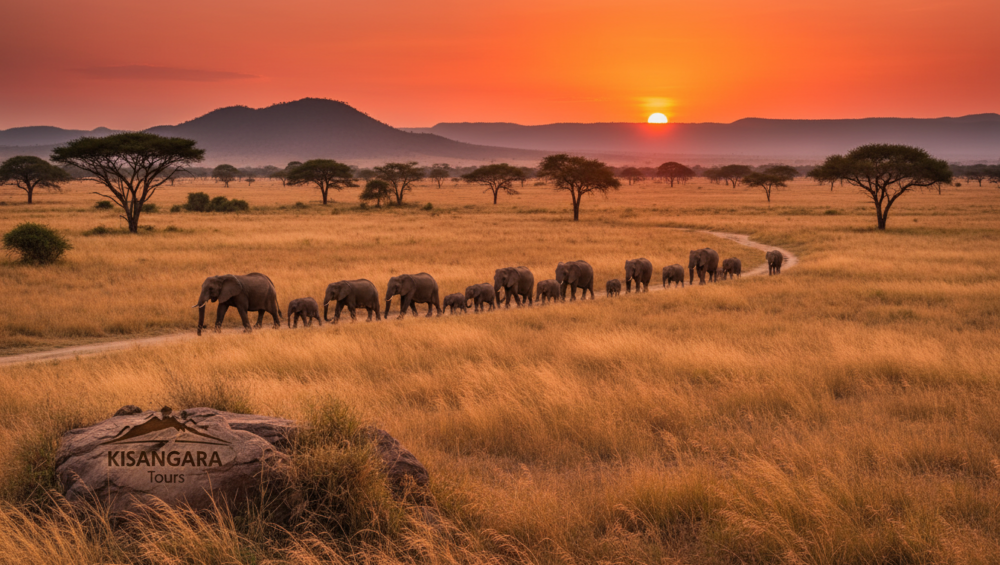
Best Time of Year for Safari in Tanzania: Expert Guide
We invite you to listen to the ancient heartbeat of Tanzania, where the savannah pulses with seasonal rhythms older than memory. Here, wildlife moves to patterns that transform mere travel into profound discovery.

Choosing your journey is more than logistics: it determines whether you witness thousands of wildebeest calves taking first steps or observe crocodiles at river crossings. This decision shapes solitude beneath acacia trees or shared wonder with fellow explorers.
We have walked these lands through every transformation. We watched rains paint the Serengeti emerald and saw dry months reveal secrets in golden grass. We share this wisdom as guardians of our homeland.
Your dream adventure exists within nature’s grand design. Understanding rainfall’s dance with migration, temperature’s effect on game viewing, and lunar influences on predators unlocks magic in every month. This is why many discover that the off-season is the new peak season in.
Our guide transcends simple calendar recommendations. It offers a philosophical and practical journey through Tanzania’s seasonal soul, revealing how each period offers unique wonders for those who know what to seek.
Key Takeaways
- Tanzania’s wildlife follows ancient seasonal patterns that dictate animal behavior and migration.
- Your travel dates determine whether you witness calving seasons or dramatic river crossings.
- Rainfall, temperature, and lunar cycles significantly impact wildlife viewing opportunities.
- Every month offers distinct advantages for different types of safari experiences.
- Local knowledge transforms seasonal understanding into transformative wilderness encounters.
- The traditional “off-season” often provides unexpected rewards and unique perspectives.
- Aligning personal desires with natural rhythms creates the most meaningful journeys.
Introduction to Tanzania Safari Seasons
Our land breathes in cycles of abundance and scarcity, a rhythm written in rain and sun. Tanzania does not have “good” or “bad” periods for your safari journey. Instead, we honor a sacred cycle where each season reveals different wilderness wisdom.

The rhythm follows two heartbeats. Dry seasons make water precious, gathering animals in concentrated splendor. Wet seasons bring life exploding across the plains in verdant celebration.
Understanding these patterns transforms how you time visit plans. The long dry period from June through October offers classic viewing conditions. The short dry season of January and February presents spectacular calving with unprecedented predator activity.
The rains are blessings, not obstacles. Long rains from March to May bring renewal and dramatic skies for photographers. November’s short rains create lush backdrops and reduced crowds.
We guide you through this wisdom as people whose ancestors read these patterns for survival. Timing your visit tanzania means aligning with natural phenomena that speak to your soul. Every season offers distinct wildlife encounters for those who know what to seek.
Understanding Tanzania’s Climate and Seasons
Our homeland dances to the ancient pulse of rainfall and sunlight, creating two profound seasonal personalities that shape every wilderness encounter.

These cycles determine how animals move, where they gather, and what mysteries they reveal. Each period offers distinct advantages for your journey.
Dry Season Characteristics
From June through October, the land slowly surrenders its green cloak. Vegetation thins dramatically, transforming golden grasslands into perfect viewing theaters.
Water becomes precious during this dry season. Animals congregate at shrinking waterholes, creating spectacular predator-prey dramas. Clear skies offer ideal photography conditions with temperatures ranging from 25-30°C.
This is a time of revelation when every movement becomes visible.
Rainy Season Characteristics
The wet season brings Tanzania’s great rebirth. Long rains between March and May paint dusty plains emerald, while November’s short rains create lush backdrops.
January and February offer a precious window—the land remains green from recent rain, yet skies clear for perfect viewing. Baby animals fill the plains during this vibrant season.
While animals disperse across abundant resources, patient observers witness intimate moments of birth and renewal.
The Impact of Rainfall on Safari Experiences
Rainfall writes the sacred script of the wilderness, dictating when life bursts forth and when it retreats into quiet contemplation. Every drop carries ancient programming that orchestrates nature’s grandest performances.

When the first rains arrive early, calving seasons and migrations begin sooner. When rain delays, the herds wait with ancestral patience. This timing directly shapes your wildlife viewing opportunities.
The long rains between March and May transform the landscape dramatically. These afternoon thundershowers paint the sky with dark clouds and lightning. April’s intensity often causes flooding, yet offers adventurous souls pristine wilderness.
November’s gentler blessing brings brief afternoon showers that refresh without overwhelming. During these long rains, animals remain concentrated near established territories. This creates excellent viewing conditions amid lush greenery.
We see wet season challenges not as obstacles but as invitations. Denser vegetation may make wildlife harder to spot, but patient observers witness Africa’s most fertile, life-giving state. Each rain brings unique rewards for those who understand its rhythm.
Month-by-Month Safari Guide
Tanzania’s calendar is written in animal tracks and blooming flowers, a twelve-month story of constant transformation. We walk you through this annual journey where each period reveals different wilderness wonders.
Understanding the rhythm of months helps you choose the perfect time for your adventure. Nature offers distinct gifts throughout the year.
January to March Highlights
January through March brings life’s great explosion. The southern Serengeti becomes a nursery for 500,000 wildebeest calves. Predators gather for nature’s feast.
Landscapes glow emerald green during this vibrant season. Black rhinos become more visible in Ngorongoro Crater. March offers ideal conditions for Kilimanjaro climbs.
April to May: The Wettest Months
April May challenges adventurers with afternoon thunderstorms. Humidity rises in western parks, yet rewards come generously.
Those who embrace the rain discover extraordinary value. Near-empty lodges offer profound solitude. You can have Africa’s wilderness as your private sanctuary.
| Period | Wildlife Highlights | Landscape | Experience |
|---|---|---|---|
| Jan-Mar | Calving season, predator activity | Lush green plains | Nursery viewing, beach combinations |
| Apr-May | Migration movement, birdlife | Emerald with storms | Solitude, value, adventure |
| Jun-Oct | River crossings, concentrated game | Golden grasslands | Classic viewing, peak activity |
| Nov-Dec | Bird migration, returning herds | Refreshing greens | Underrated opportunities |
June to December: Dry Season and Peak Safaris
June October marks the transition to dry season splendor. Vegetation recedes, improving sightings dramatically. Grumeti River crossings begin in June.
July and August represent the peak season crescendo. The Great Migration masses at Mara River for legendary crossings. Tourist numbers swell but wildlife justifies every expectation.
September through December offers a descending arc of opportunities. Crowds dissipate while viewing remains excellent. Each month completes nature’s perfect circle.
Best Time of Year for Safari in Tanzania
Your perfect journey emerges when your soul’s longing aligns with nature’s grand design. We believe the ideal period for your adventure transcends calendar dates and connects with what stirs your spirit most deeply.

The classic dry season from mid-June through October offers spectacular concentrations of wildlife around water sources. Vegetation thins to reveal hidden wonders, while the Great Migration performs its dramatic river crossings.
Yet we encourage looking beyond convention. If witnessing thousands of wildebeest calves taking first steps calls to you, then January and February become your perfect window. Each season reveals different miracles.
For those seeking the sweet spot of excellent conditions with lighter crowds, September shines particularly bright. Weather remains sublime while tourist numbers decrease, creating intimate wilderness encounters.
The ultimate wisdom we share: transformative experiences await every month. Your best time is the one that resonates with your specific dreams and desires for this sacred journey.
Safari Highlights: Witnessing the Great Wildebeest Migration
The Great Wildebeest Migration moves across our land like a living river, an ancient pulse of hooves and instinct that defines Tanzania’s wilderness. This circular pilgrimage of nearly two million animals represents Earth’s last great land migration.

We witness this spectacle as more than wildlife movement—it is survival written across the savannah. The herds follow rains and fresh grass in an eternal journey that has repeated for millennia.
Mara River Crossing Insights
The Mara River crossing stands as nature’s most dramatic theater. From mid-July through October, massive herds gather along northern Serengeti banks at Kogatende.
August emerges as the optimal time for witnessing this primal drama. The concentration of wildebeest reaches its peak, creating breathtaking moments as thousands plunge into crocodile-infested waters.
Grumeti River: A Natural Spectacle
The Grumeti River offers a different but equally compelling spectacle in June. Here in the western corridor, the migration builds numbers before attempting swollen waters thick with massive crocodiles.
This passage carries the animals toward northern plains and their eventual date with the Mara River. Each crossing represents courage and instinct in its purest form.
Understanding this great migration means recognizing it as a living response to rainfall patterns. The wildebeest migration follows ancient pathways written in DNA, completing a cycle that will continue long after we are gone.
Optimal Times for Game Viewing and Wildlife Encounters
Game viewing transforms from simple observation to profound connection when we align our presence with nature’s gathering rhythms. The dry months from June through October concentrate wildlife around precious water sources, creating natural amphitheaters where predators and prey interact in spectacular proximity.

Thinner vegetation during this period means easier spotting, while predictable animal movements allow strategic positioning. Yet we reveal a counterintuitive truth: black rhinos in Ngorongoro Crater emerge more readily during wet seasons when lush grass draws them from forest cover.
January and February offer unparalleled viewing opportunities as the southern plains become a predator’s paradise. Thousands of vulnerable newborns take first steps, attracting lions, leopards, and cheetahs to unprecedented hunting dramas.
September provides outstanding big cat spotting with excellent overall conditions. The art of exceptional game viewing transcends seasonal timing—it depends on experienced guides who read animal behavior and patience to wait for magic to unfold.
Every season offers its own form of wildlife wisdom to those willing to observe with open hearts. The right time for your journey is when your soul aligns with nature’s gathering rhythms.
Planning Your Safari for Photography and Birdwatching
We approach photography and birdwatching not as technical pursuits but as sacred conversations with light and life. Each season offers distinct creative possibilities for those who understand nature’s dual personalities.
The dry season presents golden clarity: crisp skies reveal every detail with crystalline sharpness. This time provides ideal viewing conditions for capturing wildlife in perfect illumination.

When the rains arrive, they bring dramatic transformation. Storm clouds create moody backdrops while lush landscapes glow with saturated intensity. This period challenges photographers with unique compositional opportunities.
January and February offer magical convergence: clear skies meet emerald landscapes from recent rains. This short dry window combines the best attributes of both periods for exceptional wildlife photography.
Birdwatchers discover paradise between November and March. Migratory species arrive from distant lands, joining residents in brilliant breeding plumage. December emerges as the peak time for observing this avian spectacle.
True mastery transcends equipment and timing. It requires meditative patience—waking before dawn when golden light paints the savannah, remaining motionless as birds perform ancient rituals. This transforms technical pursuit into spiritual practice.
Combining Safari with Beach Holidays and Kilimanjaro Hikes
We believe the most profound journeys weave together contrasting landscapes into one transformative tapestry. Tanzania offers the rare opportunity to experience wilderness, mountain, and ocean within a single sacred journey.

The archipelago’s powder-soft beaches provide perfect balance to safari intensity. During the long dry season from June through October, Zanzibar offers stable weather and crystal waters.
Beach Escapes in Zanzibar
Turquoise waters meet endless beaches under swaying palms. January presents another excellent time for coastal relaxation.
Sea temperatures reach 28°C during this window. The calm waters create ideal conditions for swimming and snorkeling.
Kilimanjaro: The Ultimate Hike
Mount Kilimanjaro stands as Africa’s eternal rooftop challenge. The prime climbing season runs from mid-June through mid-October.
December to mid-March offers another optimal time for ascent. Clear skies during these periods reveal stunning summit views.
September emerges as the ultimate month for combining all three experiences. This creates a comprehensive journey through mountain, savannah, and sea.
When planning your Tanzanian adventure, consider how these elements might weave together into your perfect itinerary.
Seasonal Value: Budgeting and Off-Peak Advantages
We approach safari economics with the same reverence we hold for wilderness rhythms, understanding that financial accessibility opens sacred landscapes to more seeking souls.

The traditional peak season from July through September commands premium rates as demand surges. This peak period delivers guaranteed spectacles that justify investment for those with fixed schedules.
| Season Period | Value Level | Crowd Density | Experience Quality |
|---|---|---|---|
| July-September | Premium Pricing | High Concentration | Guaranteed Spectacles |
| January-March | Exceptional Value | Moderate Flow | Calving Season Wonders |
| Early December | Ultimate Secret | Near Solitude | Lush Landscape Views |
| April-May | Extreme Savings | Minimal Presence | Exclusive Adventures |
True value money wisdom reveals itself in shoulder seasons. January through March offers exceptional game viewing during calving season with significantly lower prices.
Transformative wilderness encounters should be accessible to all seeking souls, not just those who can afford premium rates.
The first two weeks of December represent our best-kept secret. Prices drop to low-season levels while the savannah glows emerald from recent rains.
For adventurous spirits, April and May present extreme value money. You’ll discover near-empty parks and accommodations offering compelling deals.
Lower prices reflect crowd preferences, not experience quality. The same magnificent wildlife awaits those willing to embrace brief afternoon showers.
Insider Tips from Africa Safari Experts
After decades of guiding souls through these wild spaces, we’ve discovered that the most transformative journeys begin with flexible hearts. The choice of your guide matters more than any calendar date.
An experienced local companion can find magic when others see only emptiness. They read animal tracks like poetry and understand wind patterns as ancient languages.
If your heart desires specific wonders like river crossings or calving seasons, plan for the middle of expected windows. Nature’s timing dances to rainfall rhythms beyond human prediction.
Question the conventional path. Do you truly need crowded peak periods when solitude offers its own profound gifts? Sometimes a brief afternoon shower cleanses the landscape for perfect viewing.
Tanzania rewards those who welcome the unexpected. A sudden storm creates dramatic lighting. A quiet morning reveals intimate wildlife moments undisturbed by crowds.
Our ultimate wisdom: approach your safari as pilgrimage rather than checklist. Sit quietly until observer and observed become one. Remember you belong to this ancient web of life.
Each season holds unique treasures for those with patient eyes. The right time emerges when your spirit aligns with nature’s gathering rhythms.
Exploring Tanzania’s Premier Parks and National Reserves
Beyond the famous migration routes lie protected realms where ancient ecosystems thrive according to their own seasonal clocks. Each national park possesses a unique personality shaped by topography and rainfall patterns.
Serengeti National Park Insights
The Serengeti unfolds as a collection of distinct regions rather than one uniform landscape. Southern plains transform into a vast nursery between January and March.
Witness thousands of wildebeest calves taking first steps amid predator activity. The western corridor comes alive May through June with Grumeti River crossings.
Northern Serengeti reaches its dramatic peak July through October. Mara River crossings create nature’s most intense theater during this period.
Ngorongoro Crater Wonders
Ngorongoro Crater exists as a self-contained world within a massive caldera. This unique national park offers exceptional game viewing throughout the year.
Black rhinos become more visible outside dry seasons when fresh grass draws them into open areas. The enclosed ecosystem creates a natural amphitheater for wildlife interactions.
Beyond these famous destinations, Tarangire National Park dazzles with elephant gatherings in September. Mahale Mountains offer chimpanzee encounters in October.
Each national park reveals different wonders depending on when you visit. The right moment emerges when your interests align with each location’s seasonal rhythms.
Detailed Safari Itineraries: Activities and Regional Focus
We design journeys as living maps that follow the migration’s ancient pathways rather than rigid schedules. Each itinerary becomes a sacred alignment between your presence and nature’s most profound moments.
A January safari focuses intently on the southern Serengeti‘s Ndutu plains. Here, calving season transforms the landscape into a predator’s feast. You witness thousands of wildebeest calves taking first steps.
June positions you at the Grumeti River as massive herds prepare for western corridor crossings. This time combines perfectly with visits to other parks along the northern circuit.
September represents the ultimate Tanzanian adventure. It blends Kilimanjaro climbs with northern Serengeti river crossings and Zanzibar’s restorative beaches. This creates a comprehensive mountain-wildlife-ocean experience.
November and December invite exploration beyond famous destinations. We guide you to lesser-known parks where birdwatching peaks and the migration returns to southern plains.
| Season | Primary Focus | Key Activities | Regional Highlights |
|---|---|---|---|
| January-February | Calving Season | Predator viewing, nursery observations | Ndutu Plains, southern Serengeti |
| June | River Crossings | Western corridor migration, multi-park exploration | Grumeti River, northern circuit |
| July-September | Peak Migration | Mara River crossings, combined Kenya options | Northern Serengeti, Mara River |
| November-December | Off-Path Discovery | Birdwatching, returning herds | Nyerere, Tarangire, southern plains |
Our philosophy emphasizes deep presence over rushed checklists. We craft journeys that allow you to develop relationships with landscapes rather than merely passing through them.
Navigating High Season vs. Low Season in Tanzania
Tourist seasons create artificial boundaries across our timeless landscapes, yet understanding these patterns unlocks different forms of wilderness magic. Each period offers distinct advantages for your journey.
The high season from mid-June through October delivers guaranteed optimal conditions. This peak period features spectacular Mara River crossings and ideal weather for combining your visit tanzania safari with Zanzibar beaches.
| Season Type | Timing | Crowd Level | Experience Quality | Value Proposition |
|---|---|---|---|---|
| High Season | Mid-June to October | Maximum Density | Guaranteed Spectacles | Premium Pricing |
| Low Season | April-May, November | Minimal Presence | Adventurous Discovery | Extreme Savings |
| Shoulder Season | January-March, December | Moderate Flow | Excellent Conditions | Outstanding Value |
Low season during April-May long rains offers profound solitude. Prices reach their annual minimum, creating exceptional one best value opportunity. Morning game drives reveal lush landscapes transformed by brief afternoon showers.
Shoulder seasons represent the sweet spot for many travelers. January through March brings calving season wonders with fewer tourists. December provides excellent game viewing as migration herds return south.
The ultimate wisdom: choose your destination based on personal priorities rather than conventional patterns. Every period holds unique treasures for those with patient eyes.
Contact and Booking Information for Your Safari Adventure
The moment has arrived when your dreams of wilderness become tangible plans waiting to be woven into reality. We stand ready to transform the seasonal insights you’ve gathered into a personalized journey that honors both your vision and the land’s sacred rhythms.
Call Us: +255 755 002 886, +255 783 292 929
Hearing our voices carries the warmth of people who cherish this land deeply. When you call, you connect with guardians who find profound satisfaction in sharing Tanzania’s wonders with thoughtful travelers.
We approach each conversation as the beginning of collaboration rather than transaction.
Email Us: info@kisangaratours.com, kisangaratours@gmail.com
Share your questions, dreams, and timing considerations through email. We respond with considered recommendations drawn from decades of experience guiding visitors through every season.
Our team crafts journeys that position you perfectly for each safari spectacle. Whether you seek river crossings or calving seasons, we ensure your visit tanzania aligns with nature’s most profound moments.
Together we’ll determine the best time for your adventure and create an itinerary that becomes a defining chapter in your life story.
Conclusion
The truth we’ve discovered after generations in these wild spaces: there is no single answer to when you should visit, only the right moment for your soul. Your ideal time for a safari tanzania adventure emerges when personal longing aligns with nature’s ancient rhythms.
If witnessing newborn wildebeest stirs your spirit, January calls. If river crossings ignite your imagination, July through September becomes your window. Each season offers distinct wilderness wonders throughout the year.
We share this wisdom not to prescribe but to illuminate. There is no “bad” time—only different facets of wildness waiting to transform those who visit with open hearts.
Come when the moment feels right for your life. Come ready to be changed by encounters that remind us we belong to this beautiful, wild planet.
FAQ
What is the ideal time to visit Tanzania for witnessing the Great Migration?
The Great Migration is a continuous, year-round journey. For the dramatic river crossings, plan your visit between June and October when vast herds surge across the Mara and Grumeti rivers. To see the calving season on the Southern Serengeti plains, January to March offers incredible wildlife viewing with thousands of newborn wildebeest.
How does the wet season impact a safari experience?
The long rains from April to May transform the landscape into a lush, emerald paradise. While some roads may be challenging, this period offers fewer visitors, vibrant greenery, and excellent birdwatching. The short rains in November bring afternoon showers but rarely disrupt game drives, offering a wonderful balance of value and beauty.
When is the peak season for game viewing in Tanzania’s national parks?
The dry season, particularly from June to October, is considered the peak period for unparalleled game viewing. With sparse vegetation and wildlife congregating around reliable water sources, sightings in destinations like the Serengeti and Ngorongoro Crater are consistently spectacular.
Can I combine a safari with a beach holiday in Zanzibar?
A> Absolutely. Tanzania offers a perfect duality of wilderness and coastline. The dry season provides ideal safari conditions, while Zanzibar’s beaches are glorious year-round. For the ultimate combination of value and comfort, consider the shoulder seasons just after the long rains or before the short rains begin.
What is the best month for photography and seeing baby animals?
For photographers, the dry season offers clear skies and incredible light. However, the wet season provides a unique canvas of dramatic clouds and rich, saturated colors. To photograph tender moments with baby animals, plan your journey for February and March when the Southern Serengeti plains are dotted with newborn calves.
Are there advantages to visiting during the low season?
The green season offers distinct rewards: serene parks with far fewer vehicles, lower accommodation rates, and a landscape bursting with life. It’s a time for intimate encounters and witnessing the circle of life in its most verdant and peaceful state.