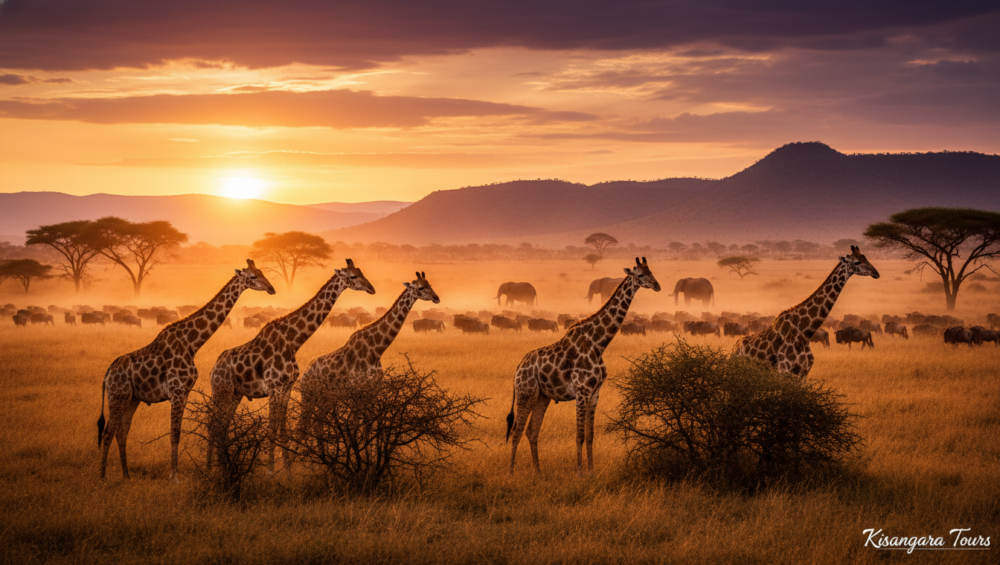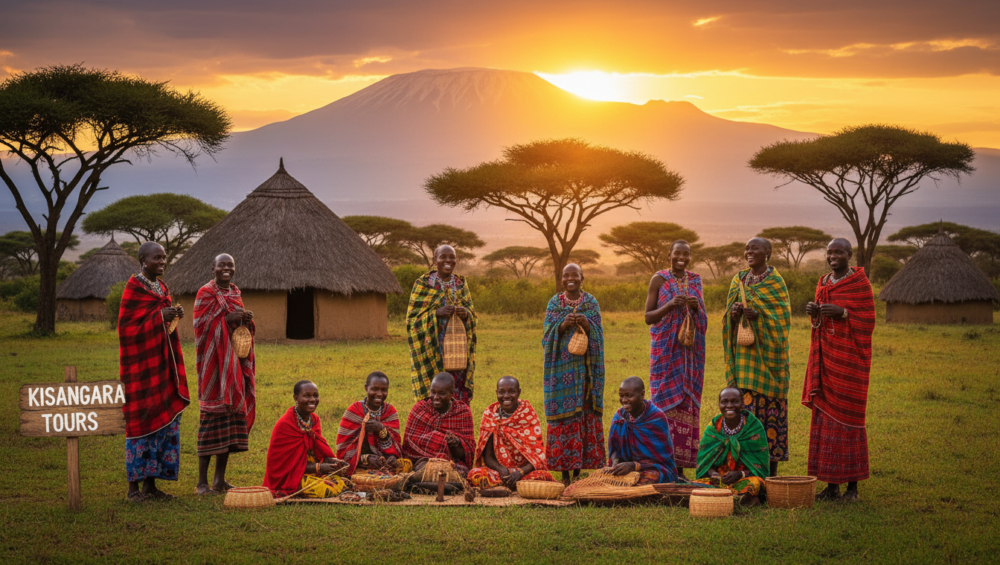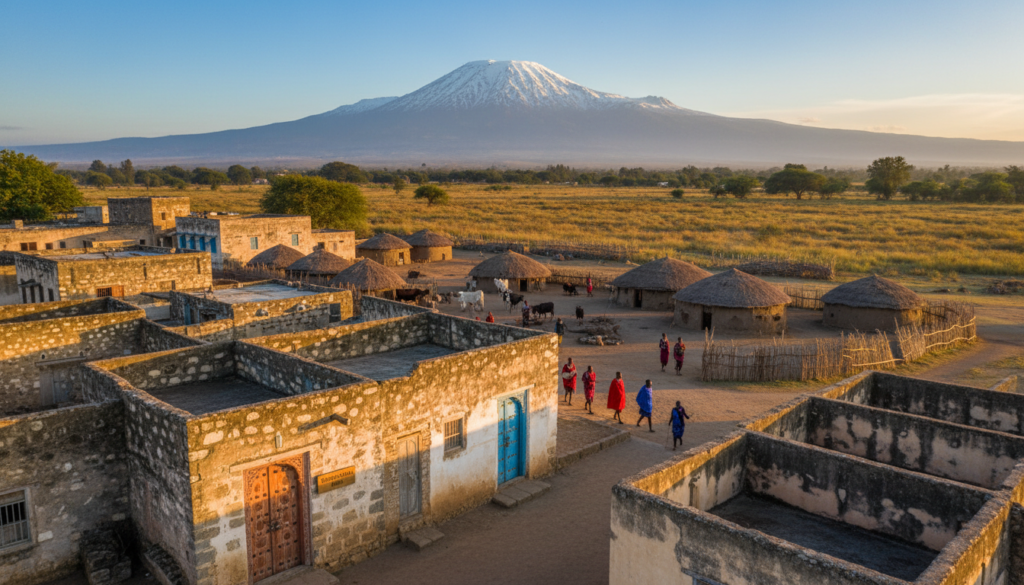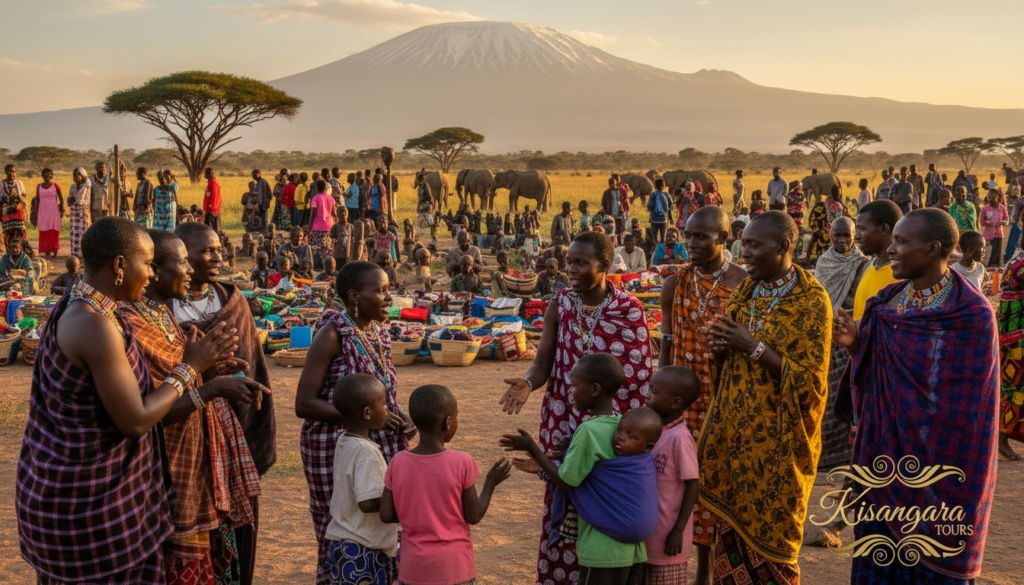
best time of year for safari in tanzania

Best Time of Year for Safari in Tanzania: Expert Guide

We invite you to listen to the ancient heartbeat of Tanzania, where the savannah pulses with seasonal rhythms older than memory. Here, wildlife moves to patterns that transform mere travel into profound discovery.

best time of year for safari in tanzania

Choosing your journey is more than logistics: it determines whether you witness thousands of wildebeest calves taking first steps or observe crocodiles at river crossings. This decision shapes solitude beneath acacia trees or shared wonder with fellow explorers.

We have walked these lands through every transformation. We watched rains paint the Serengeti emerald and saw dry months reveal secrets in golden grass. We share this wisdom as guardians of our homeland.

Your dream adventure exists within nature’s grand design. Understanding rainfall’s dance with migration, temperature’s effect on game viewing, and lunar influences on predators unlocks magic in every month. This is why many discover that the off-season is the new peak season in.

Our guide transcends simple calendar recommendations. It offers a philosophical and practical journey through Tanzania’s seasonal soul, revealing how each period offers unique wonders for those who know what to seek.

Key Takeaways

  • Tanzania’s wildlife follows ancient seasonal patterns that dictate animal behavior and migration.
  • Your travel dates determine whether you witness calving seasons or dramatic river crossings.
  • Rainfall, temperature, and lunar cycles significantly impact wildlife viewing opportunities.
  • Every month offers distinct advantages for different types of safari experiences.
  • Local knowledge transforms seasonal understanding into transformative wilderness encounters.
  • The traditional “off-season” often provides unexpected rewards and unique perspectives.
  • Aligning personal desires with natural rhythms creates the most meaningful journeys.

Introduction to Tanzania Safari Seasons

Our land breathes in cycles of abundance and scarcity, a rhythm written in rain and sun. Tanzania does not have “good” or “bad” periods for your safari journey. Instead, we honor a sacred cycle where each season reveals different wilderness wisdom.

Tanzania safari seasons

The rhythm follows two heartbeats. Dry seasons make water precious, gathering animals in concentrated splendor. Wet seasons bring life exploding across the plains in verdant celebration.

Understanding these patterns transforms how you time visit plans. The long dry period from June through October offers classic viewing conditions. The short dry season of January and February presents spectacular calving with unprecedented predator activity.

The rains are blessings, not obstacles. Long rains from March to May bring renewal and dramatic skies for photographers. November’s short rains create lush backdrops and reduced crowds.

We guide you through this wisdom as people whose ancestors read these patterns for survival. Timing your visit tanzania means aligning with natural phenomena that speak to your soul. Every season offers distinct wildlife encounters for those who know what to seek.

Understanding Tanzania’s Climate and Seasons

Our homeland dances to the ancient pulse of rainfall and sunlight, creating two profound seasonal personalities that shape every wilderness encounter.

Tanzania climate seasons

These cycles determine how animals move, where they gather, and what mysteries they reveal. Each period offers distinct advantages for your journey.

Dry Season Characteristics

From June through October, the land slowly surrenders its green cloak. Vegetation thins dramatically, transforming golden grasslands into perfect viewing theaters.

Water becomes precious during this dry season. Animals congregate at shrinking waterholes, creating spectacular predator-prey dramas. Clear skies offer ideal photography conditions with temperatures ranging from 25-30°C.

This is a time of revelation when every movement becomes visible.

Rainy Season Characteristics

The wet season brings Tanzania’s great rebirth. Long rains between March and May paint dusty plains emerald, while November’s short rains create lush backdrops.

January and February offer a precious window—the land remains green from recent rain, yet skies clear for perfect viewing. Baby animals fill the plains during this vibrant season.

While animals disperse across abundant resources, patient observers witness intimate moments of birth and renewal.

The Impact of Rainfall on Safari Experiences

Rainfall writes the sacred script of the wilderness, dictating when life bursts forth and when it retreats into quiet contemplation. Every drop carries ancient programming that orchestrates nature’s grandest performances.

Tanzania rainfall safari impact

When the first rains arrive early, calving seasons and migrations begin sooner. When rain delays, the herds wait with ancestral patience. This timing directly shapes your wildlife viewing opportunities.

The long rains between March and May transform the landscape dramatically. These afternoon thundershowers paint the sky with dark clouds and lightning. April’s intensity often causes flooding, yet offers adventurous souls pristine wilderness.

November’s gentler blessing brings brief afternoon showers that refresh without overwhelming. During these long rains, animals remain concentrated near established territories. This creates excellent viewing conditions amid lush greenery.

We see wet season challenges not as obstacles but as invitations. Denser vegetation may make wildlife harder to spot, but patient observers witness Africa’s most fertile, life-giving state. Each rain brings unique rewards for those who understand its rhythm.

Month-by-Month Safari Guide

Tanzania’s calendar is written in animal tracks and blooming flowers, a twelve-month story of constant transformation. We walk you through this annual journey where each period reveals different wilderness wonders.

Understanding the rhythm of months helps you choose the perfect time for your adventure. Nature offers distinct gifts throughout the year.

January to March Highlights

January through March brings life’s great explosion. The southern Serengeti becomes a nursery for 500,000 wildebeest calves. Predators gather for nature’s feast.

Landscapes glow emerald green during this vibrant season. Black rhinos become more visible in Ngorongoro Crater. March offers ideal conditions for Kilimanjaro climbs.

April to May: The Wettest Months

April May challenges adventurers with afternoon thunderstorms. Humidity rises in western parks, yet rewards come generously.

Those who embrace the rain discover extraordinary value. Near-empty lodges offer profound solitude. You can have Africa’s wilderness as your private sanctuary.

Period Wildlife Highlights Landscape Experience
Jan-Mar Calving season, predator activity Lush green plains Nursery viewing, beach combinations
Apr-May Migration movement, birdlife Emerald with storms Solitude, value, adventure
Jun-Oct River crossings, concentrated game Golden grasslands Classic viewing, peak activity
Nov-Dec Bird migration, returning herds Refreshing greens Underrated opportunities

June to December: Dry Season and Peak Safaris

June October marks the transition to dry season splendor. Vegetation recedes, improving sightings dramatically. Grumeti River crossings begin in June.

July and August represent the peak season crescendo. The Great Migration masses at Mara River for legendary crossings. Tourist numbers swell but wildlife justifies every expectation.

September through December offers a descending arc of opportunities. Crowds dissipate while viewing remains excellent. Each month completes nature’s perfect circle.

Best Time of Year for Safari in Tanzania

Your perfect journey emerges when your soul’s longing aligns with nature’s grand design. We believe the ideal period for your adventure transcends calendar dates and connects with what stirs your spirit most deeply.

best time for Tanzania safari

The classic dry season from mid-June through October offers spectacular concentrations of wildlife around water sources. Vegetation thins to reveal hidden wonders, while the Great Migration performs its dramatic river crossings.

Yet we encourage looking beyond convention. If witnessing thousands of wildebeest calves taking first steps calls to you, then January and February become your perfect window. Each season reveals different miracles.

For those seeking the sweet spot of excellent conditions with lighter crowds, September shines particularly bright. Weather remains sublime while tourist numbers decrease, creating intimate wilderness encounters.

The ultimate wisdom we share: transformative experiences await every month. Your best time is the one that resonates with your specific dreams and desires for this sacred journey.

Safari Highlights: Witnessing the Great Wildebeest Migration

The Great Wildebeest Migration moves across our land like a living river, an ancient pulse of hooves and instinct that defines Tanzania’s wilderness. This circular pilgrimage of nearly two million animals represents Earth’s last great land migration.

Great Wildebeest Migration river crossing

We witness this spectacle as more than wildlife movement—it is survival written across the savannah. The herds follow rains and fresh grass in an eternal journey that has repeated for millennia.

Mara River Crossing Insights

The Mara River crossing stands as nature’s most dramatic theater. From mid-July through October, massive herds gather along northern Serengeti banks at Kogatende.

August emerges as the optimal time for witnessing this primal drama. The concentration of wildebeest reaches its peak, creating breathtaking moments as thousands plunge into crocodile-infested waters.

Grumeti River: A Natural Spectacle

The Grumeti River offers a different but equally compelling spectacle in June. Here in the western corridor, the migration builds numbers before attempting swollen waters thick with massive crocodiles.

This passage carries the animals toward northern plains and their eventual date with the Mara River. Each crossing represents courage and instinct in its purest form.

Understanding this great migration means recognizing it as a living response to rainfall patterns. The wildebeest migration follows ancient pathways written in DNA, completing a cycle that will continue long after we are gone.

Optimal Times for Game Viewing and Wildlife Encounters

Game viewing transforms from simple observation to profound connection when we align our presence with nature’s gathering rhythms. The dry months from June through October concentrate wildlife around precious water sources, creating natural amphitheaters where predators and prey interact in spectacular proximity.

optimal game viewing wildlife encounters

Thinner vegetation during this period means easier spotting, while predictable animal movements allow strategic positioning. Yet we reveal a counterintuitive truth: black rhinos in Ngorongoro Crater emerge more readily during wet seasons when lush grass draws them from forest cover.

January and February offer unparalleled viewing opportunities as the southern plains become a predator’s paradise. Thousands of vulnerable newborns take first steps, attracting lions, leopards, and cheetahs to unprecedented hunting dramas.

September provides outstanding big cat spotting with excellent overall conditions. The art of exceptional game viewing transcends seasonal timing—it depends on experienced guides who read animal behavior and patience to wait for magic to unfold.

Every season offers its own form of wildlife wisdom to those willing to observe with open hearts. The right time for your journey is when your soul aligns with nature’s gathering rhythms.

Planning Your Safari for Photography and Birdwatching

We approach photography and birdwatching not as technical pursuits but as sacred conversations with light and life. Each season offers distinct creative possibilities for those who understand nature’s dual personalities.

The dry season presents golden clarity: crisp skies reveal every detail with crystalline sharpness. This time provides ideal viewing conditions for capturing wildlife in perfect illumination.

Tanzania photography birdwatching safari

When the rains arrive, they bring dramatic transformation. Storm clouds create moody backdrops while lush landscapes glow with saturated intensity. This period challenges photographers with unique compositional opportunities.

January and February offer magical convergence: clear skies meet emerald landscapes from recent rains. This short dry window combines the best attributes of both periods for exceptional wildlife photography.

Birdwatchers discover paradise between November and March. Migratory species arrive from distant lands, joining residents in brilliant breeding plumage. December emerges as the peak time for observing this avian spectacle.

True mastery transcends equipment and timing. It requires meditative patience—waking before dawn when golden light paints the savannah, remaining motionless as birds perform ancient rituals. This transforms technical pursuit into spiritual practice.

Combining Safari with Beach Holidays and Kilimanjaro Hikes

We believe the most profound journeys weave together contrasting landscapes into one transformative tapestry. Tanzania offers the rare opportunity to experience wilderness, mountain, and ocean within a single sacred journey.

combining safari beach kilimanjaro

The archipelago’s powder-soft beaches provide perfect balance to safari intensity. During the long dry season from June through October, Zanzibar offers stable weather and crystal waters.

Beach Escapes in Zanzibar

Turquoise waters meet endless beaches under swaying palms. January presents another excellent time for coastal relaxation.

Sea temperatures reach 28°C during this window. The calm waters create ideal conditions for swimming and snorkeling.

Kilimanjaro: The Ultimate Hike

Mount Kilimanjaro stands as Africa’s eternal rooftop challenge. The prime climbing season runs from mid-June through mid-October.

December to mid-March offers another optimal time for ascent. Clear skies during these periods reveal stunning summit views.

September emerges as the ultimate month for combining all three experiences. This creates a comprehensive journey through mountain, savannah, and sea.

When planning your Tanzanian adventure, consider how these elements might weave together into your perfect itinerary.

Seasonal Value: Budgeting and Off-Peak Advantages

We approach safari economics with the same reverence we hold for wilderness rhythms, understanding that financial accessibility opens sacred landscapes to more seeking souls.

seasonal value safari budgeting

The traditional peak season from July through September commands premium rates as demand surges. This peak period delivers guaranteed spectacles that justify investment for those with fixed schedules.

Season Period Value Level Crowd Density Experience Quality
July-September Premium Pricing High Concentration Guaranteed Spectacles
January-March Exceptional Value Moderate Flow Calving Season Wonders
Early December Ultimate Secret Near Solitude Lush Landscape Views
April-May Extreme Savings Minimal Presence Exclusive Adventures

True value money wisdom reveals itself in shoulder seasons. January through March offers exceptional game viewing during calving season with significantly lower prices.

Transformative wilderness encounters should be accessible to all seeking souls, not just those who can afford premium rates.

The first two weeks of December represent our best-kept secret. Prices drop to low-season levels while the savannah glows emerald from recent rains.

For adventurous spirits, April and May present extreme value money. You’ll discover near-empty parks and accommodations offering compelling deals.

Lower prices reflect crowd preferences, not experience quality. The same magnificent wildlife awaits those willing to embrace brief afternoon showers.

Insider Tips from Africa Safari Experts

After decades of guiding souls through these wild spaces, we’ve discovered that the most transformative journeys begin with flexible hearts. The choice of your guide matters more than any calendar date.

An experienced local companion can find magic when others see only emptiness. They read animal tracks like poetry and understand wind patterns as ancient languages.

If your heart desires specific wonders like river crossings or calving seasons, plan for the middle of expected windows. Nature’s timing dances to rainfall rhythms beyond human prediction.

Question the conventional path. Do you truly need crowded peak periods when solitude offers its own profound gifts? Sometimes a brief afternoon shower cleanses the landscape for perfect viewing.

Tanzania rewards those who welcome the unexpected. A sudden storm creates dramatic lighting. A quiet morning reveals intimate wildlife moments undisturbed by crowds.

Our ultimate wisdom: approach your safari as pilgrimage rather than checklist. Sit quietly until observer and observed become one. Remember you belong to this ancient web of life.

Each season holds unique treasures for those with patient eyes. The right time emerges when your spirit aligns with nature’s gathering rhythms.

Exploring Tanzania’s Premier Parks and National Reserves

Beyond the famous migration routes lie protected realms where ancient ecosystems thrive according to their own seasonal clocks. Each national park possesses a unique personality shaped by topography and rainfall patterns.

Serengeti National Park Insights

The Serengeti unfolds as a collection of distinct regions rather than one uniform landscape. Southern plains transform into a vast nursery between January and March.

Witness thousands of wildebeest calves taking first steps amid predator activity. The western corridor comes alive May through June with Grumeti River crossings.

Northern Serengeti reaches its dramatic peak July through October. Mara River crossings create nature’s most intense theater during this period.

Ngorongoro Crater Wonders

Ngorongoro Crater exists as a self-contained world within a massive caldera. This unique national park offers exceptional game viewing throughout the year.

Black rhinos become more visible outside dry seasons when fresh grass draws them into open areas. The enclosed ecosystem creates a natural amphitheater for wildlife interactions.

Beyond these famous destinations, Tarangire National Park dazzles with elephant gatherings in September. Mahale Mountains offer chimpanzee encounters in October.

Each national park reveals different wonders depending on when you visit. The right moment emerges when your interests align with each location’s seasonal rhythms.

Detailed Safari Itineraries: Activities and Regional Focus

We design journeys as living maps that follow the migration’s ancient pathways rather than rigid schedules. Each itinerary becomes a sacred alignment between your presence and nature’s most profound moments.

A January safari focuses intently on the southern Serengeti‘s Ndutu plains. Here, calving season transforms the landscape into a predator’s feast. You witness thousands of wildebeest calves taking first steps.

June positions you at the Grumeti River as massive herds prepare for western corridor crossings. This time combines perfectly with visits to other parks along the northern circuit.

September represents the ultimate Tanzanian adventure. It blends Kilimanjaro climbs with northern Serengeti river crossings and Zanzibar’s restorative beaches. This creates a comprehensive mountain-wildlife-ocean experience.

November and December invite exploration beyond famous destinations. We guide you to lesser-known parks where birdwatching peaks and the migration returns to southern plains.

Season Primary Focus Key Activities Regional Highlights
January-February Calving Season Predator viewing, nursery observations Ndutu Plains, southern Serengeti
June River Crossings Western corridor migration, multi-park exploration Grumeti River, northern circuit
July-September Peak Migration Mara River crossings, combined Kenya options Northern Serengeti, Mara River
November-December Off-Path Discovery Birdwatching, returning herds Nyerere, Tarangire, southern plains

Our philosophy emphasizes deep presence over rushed checklists. We craft journeys that allow you to develop relationships with landscapes rather than merely passing through them.

Navigating High Season vs. Low Season in Tanzania

Tourist seasons create artificial boundaries across our timeless landscapes, yet understanding these patterns unlocks different forms of wilderness magic. Each period offers distinct advantages for your journey.

The high season from mid-June through October delivers guaranteed optimal conditions. This peak period features spectacular Mara River crossings and ideal weather for combining your visit tanzania safari with Zanzibar beaches.

Season Type Timing Crowd Level Experience Quality Value Proposition
High Season Mid-June to October Maximum Density Guaranteed Spectacles Premium Pricing
Low Season April-May, November Minimal Presence Adventurous Discovery Extreme Savings
Shoulder Season January-March, December Moderate Flow Excellent Conditions Outstanding Value

Low season during April-May long rains offers profound solitude. Prices reach their annual minimum, creating exceptional one best value opportunity. Morning game drives reveal lush landscapes transformed by brief afternoon showers.

Shoulder seasons represent the sweet spot for many travelers. January through March brings calving season wonders with fewer tourists. December provides excellent game viewing as migration herds return south.

The ultimate wisdom: choose your destination based on personal priorities rather than conventional patterns. Every period holds unique treasures for those with patient eyes.

Contact and Booking Information for Your Safari Adventure

The moment has arrived when your dreams of wilderness become tangible plans waiting to be woven into reality. We stand ready to transform the seasonal insights you’ve gathered into a personalized journey that honors both your vision and the land’s sacred rhythms.

Call Us: +255 755 002 886, +255 783 292 929

Hearing our voices carries the warmth of people who cherish this land deeply. When you call, you connect with guardians who find profound satisfaction in sharing Tanzania’s wonders with thoughtful travelers.

We approach each conversation as the beginning of collaboration rather than transaction.

Email Us: info@kisangaratours.com, kisangaratours@gmail.com

Share your questions, dreams, and timing considerations through email. We respond with considered recommendations drawn from decades of experience guiding visitors through every season.

Our team crafts journeys that position you perfectly for each safari spectacle. Whether you seek river crossings or calving seasons, we ensure your visit tanzania aligns with nature’s most profound moments.

Together we’ll determine the best time for your adventure and create an itinerary that becomes a defining chapter in your life story.

Conclusion

The truth we’ve discovered after generations in these wild spaces: there is no single answer to when you should visit, only the right moment for your soul. Your ideal time for a safari tanzania adventure emerges when personal longing aligns with nature’s ancient rhythms.

If witnessing newborn wildebeest stirs your spirit, January calls. If river crossings ignite your imagination, July through September becomes your window. Each season offers distinct wilderness wonders throughout the year.

We share this wisdom not to prescribe but to illuminate. There is no “bad” time—only different facets of wildness waiting to transform those who visit with open hearts.

Come when the moment feels right for your life. Come ready to be changed by encounters that remind us we belong to this beautiful, wild planet.

FAQ

What is the ideal time to visit Tanzania for witnessing the Great Migration?

The Great Migration is a continuous, year-round journey. For the dramatic river crossings, plan your visit between June and October when vast herds surge across the Mara and Grumeti rivers. To see the calving season on the Southern Serengeti plains, January to March offers incredible wildlife viewing with thousands of newborn wildebeest.

How does the wet season impact a safari experience?

The long rains from April to May transform the landscape into a lush, emerald paradise. While some roads may be challenging, this period offers fewer visitors, vibrant greenery, and excellent birdwatching. The short rains in November bring afternoon showers but rarely disrupt game drives, offering a wonderful balance of value and beauty.

When is the peak season for game viewing in Tanzania’s national parks?

The dry season, particularly from June to October, is considered the peak period for unparalleled game viewing. With sparse vegetation and wildlife congregating around reliable water sources, sightings in destinations like the Serengeti and Ngorongoro Crater are consistently spectacular.

Can I combine a safari with a beach holiday in Zanzibar?

A> Absolutely. Tanzania offers a perfect duality of wilderness and coastline. The dry season provides ideal safari conditions, while Zanzibar’s beaches are glorious year-round. For the ultimate combination of value and comfort, consider the shoulder seasons just after the long rains or before the short rains begin.

What is the best month for photography and seeing baby animals?

For photographers, the dry season offers clear skies and incredible light. However, the wet season provides a unique canvas of dramatic clouds and rich, saturated colors. To photograph tender moments with baby animals, plan your journey for February and March when the Southern Serengeti plains are dotted with newborn calves.

Are there advantages to visiting during the low season?

The green season offers distinct rewards: serene parks with far fewer vehicles, lower accommodation rates, and a landscape bursting with life. It’s a time for intimate encounters and witnessing the circle of life in its most verdant and peaceful state.
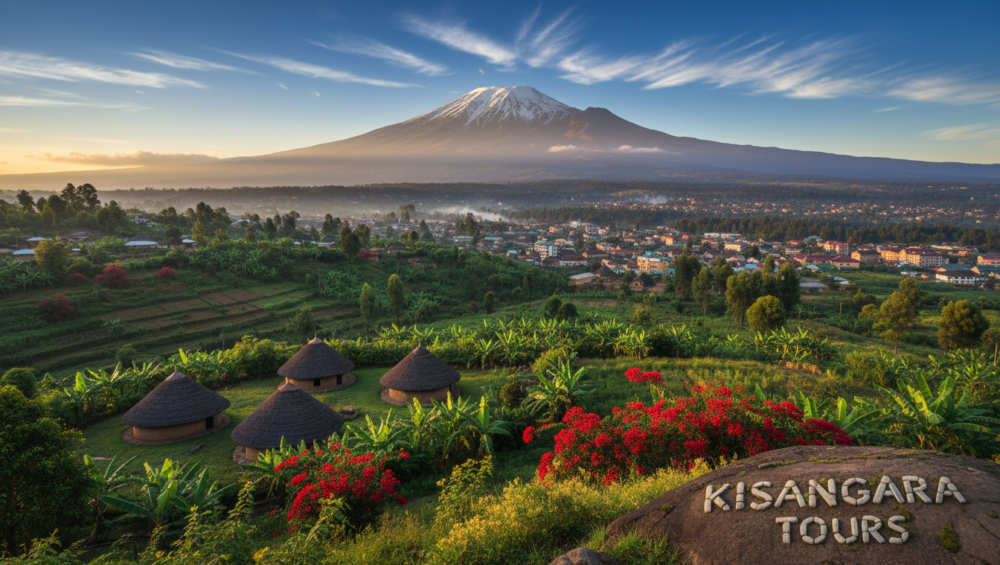
things to do in moshi tanzania

Things to Do in Moshi Tanzania: Explore Nature’s Wonders

Welcome to our town, a place cradled at the base of Africa’s most iconic peak. Here, the air carries the sweet perfume of coffee blossoms. The promise of transformation awaits every traveler who crosses our threshold.

things to do in moshi tanzania

Moshi stands as more than a gateway. It is a living tapestry woven from volcanic soils and ancient wisdom. The daily rhythms of a culture harmonized with nature for generations create a unique atmosphere.

Resting at 890 meters, our home enjoys perpetual spring-like weather. This makes every day an invitation to explore. The fertile slopes of Mount Kilimanjaro allow coffee and bananas to thrive, defining the landscape.

We have curated this journey to reveal the authentic soul of our homeland. The Chagga people, whose ingenuity defines our town‘s character, have cultivated these slopes for centuries. We are honored to share their legacy with you through unforgettable Tanzania adventures.

Ready to begin? Connect with us at +255 755 002 886, +255 783 292 929, or via email at info@kisangaratours.com and kisangaratours@gmail.com.

Key Takeaways

  • Moshi offers a cool, spring-like climate year-round due to its high altitude.
  • The town is a major coffee producer, with fragrant plantations defining the area.
  • Experiences here go beyond the mountain, deeply connecting you with local culture.
  • The Chagga people are the heart of the community, known for their warmth and ingenuity.
  • Volcanic soil creates incredibly fertile land, supporting lush agriculture.
  • It serves as a perfect base for exploring the wider natural wonders of Tanzania.

Introduction to Moshi’s Vibrant Culture and Scenic Views

Walking through Moshi’s streets feels like moving through a living gallery. Every turn reveals nature’s masterpiece. This town exists in beautiful contradiction—a hardworking agricultural center and a sanctuary for adventurers.

The people here embody mountain resilience and coastal warmth. Their English fluency makes exchange effortless. Swahili songs preserve traditions that predate colonial borders. The local culture flows directly from the land itself.

From nearly every vantage point, Kilimanjaro’s massive presence commands the horizon. We live in the shadow of giants. Our daily lives unfold beneath Africa’s rooftop.

Aspect Agricultural Heart Adventure Gateway
Primary Focus Coffee & Sugar Production Mountain Climbing & Safaris
Daily Rhythm Farm & Market Life Preparation & Exploration
Cultural Expression Chagga Terraced Farms International Exchange
Visual Landscape Lush Plantations Snow-Capped Peaks

Moshi culture scenic views

Understanding this place means recognizing its dual nature. Moshi serves as both destination and threshold. It offers a vibrant community with unique rhythms. The town stands as a sacred doorway to extraordinary experiences.

Exploring the Natural Wonders Around Moshi

The natural tapestry surrounding our home unfolds in layers of emerald forests and crystalline waters. We invite you to discover places where earth’s ancient rhythms still dictate the day.

Stunning Mountain Backdrops and Lush Forests

Just three kilometers southeast lies Rau Forest, a sanctuary where ancient trees form cathedral-like canopies. The Rau River carries Kilimanjaro’s gift—pure water sustaining life through this vibrant reserve.

natural wonders around Moshi

Colobus monkeys swing through emerald heights, their calls echoing through volcanic soils. This mountain-nurtured nature creates biodiversity found nowhere else.

Waterfalls and Hot Springs Escapes

Within an hour’s journey, geothermal hot springs bubble with earth’s warmth. These natural spas offer healing disguised as adventure.

Discover tranquil spots where waterfalls plunge into pools of impossible clarity. Each spot reveals how volcanic history shaped today’s botanical abundance.

Natural Attraction Distance from Town Unique Features
Rau Forest Reserve 3 km southeast Ancient trees, Rau River, colobus monkeys
Mkomazi National Park 2.5-hour drive Elephants, giraffes, endangered species
Arusha National Park 90 minutes Walking safaris, diverse landscapes, crater lake

These national park experiences connect you with wilderness on profound levels. Another national park adventure awaits just beyond our horizon.

Things to Do in Moshi Tanzania

The rhythm of life here pulses with more than twenty-nine distinct invitations to connect with land, culture, and self. Each experience we craft extends beyond typical itineraries into genuine immersion.

Our carefully curated offerings range from adrenaline-charged mountain ascents to meditative afternoons in coffee plantations. Dawn wildlife encounters blend seamlessly with twilight gatherings where traditional dances create profound connections.

Activity Type Experience Focus Sample Adventures
Natural Wonders Scenic Beauty & Wildlife Waterfall hikes, hot springs, forest reserves
Cultural Immersion Authentic Local Life Market exploration, artisan workshops, cooking classes
Urban Exploration Town Rhythm & Social Scenes Museum visits, restaurant tours, nightlife experiences

things to do in Moshi Tanzania

You can explore our landscape by walking, taking a daladala (local bus), bicycle, or motorcycle. We recommend starting your day at the town center before moving to the suburbs.

Every tour we design creates connections rather than merely collecting experiences. The beauty lies in proximity and diversity—within a single day, you can swim in geothermal springs, walk among wild animals, and dine on cuisine that tells ancient stories.

Whether you seek adventure or contemplation, the things Moshi offers will fill your time with purpose. These experiences resist forgetting and leave you transformed.

Adventurous Trails: Climbing Kilimanjaro & Mount Meru

In the shadow of Africa’s rooftop, we prepare travelers for journeys that transcend mere climbing and become rites of passage. These volcanic titans offer more than altitude—they provide vertical pathways through ecological zones and personal transformation.

Mount Kilimanjaro climbing routes

Mount Kilimanjaro Climb Experiences

Mount Kilimanjaro stands at 5,895 meters, the highest free-standing mountain in the world. This is not merely a climb but a pilgrimage through five climate zones compressed into a single ascent.

We guide travelers along seven sacred routes over six to eight days. Each path—Machame’s dramatic ridges, Lemosho’s wilderness solitude—offers unique revelations. The best time visit is during dry seasons when skies clear to reveal the mountain‘s full majesty.

Mount Meru Expedition as a Prelude

Many choose Mount Meru as preparation for the greater challenge. At 4,566 meters, this volcanic cone within Arusha national park provides serious altitude training.

The three to four day ascent through this national park combines wildlife encounters impossible on Kilimanjaro’s higher slopes. It’s the perfect time visit before attempting the iconic peak.

Both mountains demand respect, but what matters most is mental fortitude and proper acclimatization over sufficient time. The journey up Mount Kilimanjaro becomes time outside normal existence, measured in altitude gained and perspectives transformed.

Day Hikes and Easy Adventures in Moshi

Some of our most cherished revelations occur not over weeks but in single days that unfold like sacred scrolls. We craft these day experiences for travelers seeking concentrated magic without multi-day commitments.

Kilimanjaro Day Hike Options

The most popular hike ascends to Marangu Hut at 2,700 meters. This journey carries you through rainforest where clouds drift through ancient trees. Colobus monkeys observe your passage with curious eyes from the canopy above.

day hikes Kilimanjaro slopes

This spot serves as the first stop on the famous Marangu Route. The best time for this adventure is morning, when the air carries yesterday’s rain as mist.

Local Coffee and Waterfall Tours

Our coffee tour transforms a simple beverage into an epic tale. We walk you through volcanic soil on Kilimanjaro’s lower slopes where Arabica cherries ripen. You’ll learn to sort and roast beans over open flames.

The Materuni waterfall hike combines physical challenge with sensory reward. A 45-minute ascent through layered plantations culminates at an 80-meter cascade. Brave souls plunge into pools that steal your breath and return it transformed.

Adventure Type Distance from Town Duration Unique Experience
Marangu Hut Day Hike Within 1 hour Full Day Rainforest trek with monkey sightings
Coffee Plantation Tour 45 minutes Half Day Traditional roasting & Chagga lunch
Materuni Waterfall Hike 1 hour Half Day 80-meter waterfall & banana beer tasting

Each village we visit offers its own character and specialties. These experiences differ from typical tourist operations—we move slowly enough for genuine conversation. They’re perfect for acclimatization before longer climbs or for travelers with limited time.

While not within a national park boundary, these day adventures capture the essence of Tanzanian wilderness. Another national park experience awaits those seeking deeper immersion.

Exploring Crater Lakes and Hot Springs

Beyond the mountain’s shadow, water whispers ancient stories of fire and rebirth. These aquatic sanctuaries offer profound contrasts to high-altitude adventures.

crater lake hot springs Moshi

Lake Chala: A Crater Lake Retreat

Lake Chala reveals geological poetry—a crater lake born 250,000 years ago from volcanic fury. Its waters shift between sapphire and emerald, reflecting sky and season.

The crater walls rise dramatically above water plunging to incredible depths. This spot offers safe swimming in crocodile-free waters where kayaking becomes meditation.

Chemka Hot Springs: Refresh and Renew

An hour’s journey brings you to Chemka Hot Springs, where geothermal water bubbles through white sand. Baobab trees shade pools of constant 27°C warmth.

These springs serve as our favorite weekend escape. Underground currents create gentle massaging flows in water so clear you see every detail.

Lake Jipe, another remarkable lake, offers wildlife encounters just two hours away. Each water spot carries unique magic within easy reach of town.

Delight in Moshi’s Cultural Heritage

The soil remembers what history books often forget: the quiet resilience of the Chagga people who turned volcanic slopes into living poetry. Their agricultural genius created terraced farms that predate European contact by centuries.

Forty kilometers from town lies Marangu Village, where underground caves built over 200 years ago tell stories of survival. These tunnels served as hideouts during tribal conflicts, now welcoming visitors into their cool, historical embrace.

Moshi cultural heritage Marangu Village

Here, culture expresses itself through food and drink. Traditional lunches feature mtori stew combining meat and bananas in surprising harmony. Coffee demonstrations reveal bean-to-cup processes perfected through generations.

The Materuni Waterfall near another village represents Chagga life at its most picturesque. An 80-meter cascade provides both practical resources and spiritual significance to the community.

The Chagga people welcome visitors with genuine curiosity and warmth. Their business acumen ensures fair exchanges while preserving tradition. We design tours that directly benefit Marangu Village cooperatives and schools.

These village experiences offer profound connection to mountain life. From coffee plantations to the Materuni Waterfall, you witness culture adapted beautifully to challenging terrain.

Experience Local Markets and Artisan Shops

Commerce here sings a different song—one where currency flows not just as money but as stories exchanged between hands. We guide you through spaces where daily life becomes theater and every purchase supports mountain communities.

Bustling Markets for Fresh Finds

Memorial Market in Soweto and Mbuyuni Market pulse with East African rhythm. Tuesday and Friday transform this place into controlled chaos where farmers display mango pyramids.

The air fills with competing aromas of spices and fresh pineapple. Vendors cut fruit with machetes for immediate tasting. People arrive early from surrounding villages with dew-kissed produce.

Moshi local market artisan shops

Unique Handcrafted Souvenirs

Beyond typical souvenirs, our artisan shops offer purchases with purpose. Shirikisha employs deaf artisans creating beautiful leather goods. Moshi Mamas empowers women through kitenge fabric crafts.

Blue Zebra in Kibo Tower showcases handmade toys supporting local craftspeople. Chui’s Trading Limited features artisan products and traditional clothes. Each item carries the maker’s story in its stitches.

We teach market etiquette: how to bargain respectfully, distinguish quality kitenge from cheap prints. Your shopping connects to supply chains you can touch—coffee grown on slopes you’ve hiked, fabrics designed by artists you meet.

This town transforms commerce into cultural exchange. Every transaction at this vibrant market represents someone’s livelihood and family’s welfare.

Tasting the Flavors of Moshi

To taste Moshi is to read its history through flavors—a culinary map drawn by railway workers, missionaries, and mountain farmers. Each meal reveals layers of cultural exchange.

Moshi food coffee flavors

Our volcanic soil gifts unique mineral complexity to the coffee served at Union Coffee and Kilimanjaro Coffee Lounge. Baristas here treat brewing as sacred craft.

Traditional Chagga food like mtori stew tells mountain stories. Meat simmers for hours with bananas from nearby slopes. This place values patience in preparation.

The people welcome you to share social meals. At East Africa Pub, select your goat for nyama choma. Watch it grill over charcoal while conversations flow.

Dining Experience Cultural Influence Signature Dish
Indo Italiano Italian-Indian fusion Wood-fired pizza
Mama Freddies Swahili tradition Local stews with ugali
Secret Garden Hotel International refinement Fine dining with Kilimanjaro views
Street Vendors Everyday Tanzanian life Chips mayai (chip omelette)

Vegetarian options thrive at Ubuntu and More Than A Drop. These spots honor East Africa’s plant-based heritage. Every budget finds satisfying food here.

We believe meals become cultural education. Understanding why Chagga people combine bananas with meat reveals mountain ingenuity. Your breakfast coffee carries the taste of this sacred place.

Unwinding in Moshi: Relaxation and Pampering

The art of unwinding finds perfect expression in this highland sanctuary, where recovery becomes ritual. After days scaling volcanic slopes, your body deserves gentle restoration.

Lala Salama Spa at the YWCA offers more than massages—it provides healing touch that blends Swedish techniques with traditional Tanzanian wisdom. This social enterprise supports women’s empowerment while easing your travel-weary muscles.

Hotel pools scattered throughout town become social oases. At Kili Wonders or Weru Weru River Lodge, cool water contrasts with highland sun. An afternoon disappears into swimming, reading, and watching clouds gather over the mountain.

Relaxation Option Location Experience Type Community Impact
Lala Salama Spa YWCA Moshi Therapeutic treatments Women’s empowerment programs
Hotel Pool Access Various locations Social relaxation Maintains local facilities
Uhuru Park Town center Natural tranquility Free public space
Old Railway Station Historic district Sunset gatherings Cultural preservation

Uhuru Park offers shade beneath mature trees and benches perfect for people-watching. This public place reveals how locals spend leisure time.

The Old Railway Station bar serves as Moshi’s unofficial sunset spot. With a cold Kilimanjaro beer, watch daylight paint the mountain gold while trains rumble past.

We encourage building rest into your Tanzania adventures. The time you invest in recovery prevents injury and ensures each day begins with fresh energy. This town proves restoration need not cost much yet delivers immensely.

Nightlife and Social Scenes in Moshi

As evening descends, the boundaries between local life and visitor experience dissolve into shared celebration. Our town transforms when daylight yields to Kilimanjaro’s shadow.

The nocturnal rhythm pulses with Bongo Flava music flowing from doorways. Friday through Sunday mornings become the busiest time for social connection.

Vibrant Nightlife Spots and Local Hangouts

Pub Alberto and Black Diamond represent the energetic heart of weekend festivities. Tanzanian pop music fills these spaces with enthusiastic dancing.

For quieter conversations, Peter’s Club and Pamoja Bar offer pool tables and relaxed atmospheres. The Old Railway Station provides perfect sunset transitions with mountain views.

Venue Type Atmosphere Signature Experience
Energetic Clubs High-energy dancing Bongo Flava music nights
Social Bars Conversation-focused Pool games with locals
Scenic Spots Relaxed viewing Sunset Kilimanjaro vistas

The people here celebrate with genuine hospitality that welcomes strangers. This place maintains a safe, communal atmosphere rare in larger cities.

Nighttime food offerings shift to nyama choma grills and street vendor mishkaki. Kaka’s Pub becomes the go-to spot for barbecue enthusiasts. The entire town shares in creating joy that transcends cultural differences.

Participate in Community and Volunteer Initiatives

Beyond the well-trodden paths of tourism lies a deeper invitation: to join hands with communities in shared purpose and mutual growth. We believe the most meaningful journeys create ripples that extend long after departure.

The people here have cultivated remarkable resilience through initiatives like Give a Heart to Africa and Hostel Hoff. These organizations empower women and youth with skills that transform futures. Your time becomes an investment in sustainable change.

Our town welcomes volunteers in schools where classrooms overflow with eager minds. Clinics need extra hands for basic care. Every village around our national park faces unique challenges from human-wildlife coexistence.

Organization Focus Area Volunteer Role Impact Level
Global Volunteer Programs Education & Health Teaching, Medical Support Community-wide
Kilimanjaro Animal CREW Wildlife Rescue Animal Care, Conservation National park Protection
Shirikisha Cooperative Disability Inclusion Skills Training, Marketing Economic Empowerment
More Than A Drop Vocational Education Hospitality Training Women’s Advancement

We carefully match skills with genuine needs across various national parks and communities. Thoughtful volunteering avoids dependency while creating meaningful connections. The people you serve will leave lasting impressions on your journey.

Plan Your Trip: Contact Kisangara Tours

We stand ready to transform your travel dreams into meticulously crafted realities. Your journey begins with a simple conversation where aspirations meet our decades of local wisdom.

Whether you envision summiting Kilimanjaro or exploring Tanzania’s northern circuit, we listen to create your perfect itinerary. This trip should reflect your unique interests and available time.

Call Us: +255 755 002 886 | +255 783 292 929

When you call, real people answer—guides who know these mountains intimately. We discuss route conditions, seasonal considerations, and realistic timelines based on your fitness level.

Your available days determine whether a multi-day tour or shorter adventure suits you best. We never sell predetermined packages, only personalized experiences.

Email Us: info@kisangaratours.com | kisangaratours@gmail.com

Email us your questions and concerns—we respond promptly with transparent pricing and honest assessments. Each tour we design balances adventure with safety, cultural authenticity with comfort.

Our tours fill quickly during peak seasons, so the time to begin planning is now. We arrange everything from airport transfers to national park permits, ensuring your trip delivers transformation.

Conclusion

What most visitors experience in a brief overnight stay barely scratches the surface of the profound transformations awaiting those who linger in Moshi‘s embrace. This town reveals East Africa‘s soul through interconnected experiences where coffee cultivation meets mountain trails and cultural traditions.

Mount Kilimanjaro presides over everything, yet the true magic lies in unexpected moments. A shared meal with Chagga elders, dawn light painting volcanic slopes, market conversations that bridge continents—these are the treasures that define this special corner of East Africa.

The things we’ve shared represent only beginnings. Countless other discoveries await in surrounding villages and hidden places. Here, nature and culture weave together seamlessly, creating journeys that transform rather than simply transport.

We await your arrival as fellow travelers on this path of discovery. The memories forged beneath Mount Kilimanjaro‘s shadow will echo long after you return home, calling you back to Moshi‘s enduring magic.

FAQ

What is the best time to visit Moshi for hiking and seeing Mount Kilimanjaro?

The clearest skies and best conditions for hiking and viewing the mountain are during the dry seasons: from late June to October, and from December to early March. This is the ideal window for climbing Kilimanjaro and exploring the surrounding national parks.

Can I visit Arusha National Park from Moshi?

Absolutely. Arusha National Park is a magnificent day trip, located about an hour’s drive away. We can arrange tours to explore its diverse landscapes, from the lush slopes of Mount Meru to the tranquil beauty of Momella Lakes, often spotting giraffes and monkeys.

What are some unique cultural experiences near Moshi?

We cherish sharing authentic encounters, like a visit to Marangu Village to learn about the Chagga people, their history, and traditions. Another profound experience is a coffee tour, where you can participate in the entire process, from bean to cup, amidst stunning scenery.

Are there any easy day hikes suitable for families?

Yes, we offer several gentle adventures perfect for all ages. A hike to Materuni Waterfall combines a beautiful walk through coffee farms with a rewarding swim in a cool, natural pool. Alternatively, a trip to the serene Chemka Hot Springs provides a relaxing day surrounded by nature.

What should I pack for a trip to Moshi and its national parks?

A> We recommend layered clothing for varying temperatures, sturdy walking shoes for trails, a hat, sunscreen, and a reusable water bottle. For early morning game drives or hikes on the mountain slopes, a warm layer is essential. We provide detailed packing lists when you book your tour.

How far in advance should I book a climb with Kisangara Tours?

To secure the best guides and preferred dates, especially for a Mount Kilimanjaro climb, we advise booking several months in advance. This allows ample time for planning and preparation, ensuring your expedition is seamless and transformative.

Tanzania Luxury Safari Tour: Immersive Safaris for Discerning Travelers

We invite you to step beyond the threshold of the modern world. Here, the earth remembers its first stories, and the wilderness whispers secrets only the soul can hear. Your journey with us is more than a vacation; it is a transformative passage through ancient landscapes.

tanzania luxury safari tour

This land offers some of Africa’s most extraordinary encounters. Witness the thunderous spectacle of the Great Migration or the gentle rustle of elephant families in the morning light. A true safari here connects you with a vibrant tapestry of life, where every moment brings a profound wildlife encounter.

We don’t simply offer trips; we open doorways to the profound. Our approach merges raw authenticity with unparalleled comfort. Each sunrise promises an experience that will forever alter your understanding of beauty and connection.

As your local hosts, we bridge the chasm between comfort and wilderness. We are stewards of this sacred land, protecting its natural and cultural treasures. Our luxury safari adventures are curated with handpicked lodges and private game drives led by experienced guides. We ensure your journey honors both the land and your deepest yearning for meaning.

Ready to begin crafting your personalized odyssey? Contact us at +255 755 002 886 or +255 783 292 929. You can also reach us via email at info@kisangaratours.com and kisangaratours@gmail.com.

Key Takeaways

  • Journeys here are designed for deep, personal transformation, not just sightseeing.
  • Expect unparalleled wildlife encounters, from the Great Migration to intimate moments with nature.
  • Adventures are carefully curated with a focus on authenticity and responsible tourism.
  • Experienced local guides provide deep knowledge and ensure a safe, meaningful experience.
  • Accommodations and travel are tailored for comfort without sacrificing connection to the wild.
  • The company acts as a steward, committed to preserving the natural and cultural environment.
  • Personalized itineraries are available by contacting the provided phone numbers and email addresses.

Overview of a Tanzania Luxury Safari Experience

Your journey into the heart of East Africa begins with a subtle shift in perception. Here, the air carries a different scent, and the light paints the land in hues you’ve never seen. We welcome you to a luxury tanzania adventure designed to awaken your spirit.

What to Expect on Your Journey

Each day unfolds as a new chapter. You will traverse golden savannahs, ascend into misty highlands, and explore forests echoing with life. This safari is a dance with nature’s rhythms.

Tanzania luxury safari experience wildlife

Expect profound encounters with the region’s magnificent wildlife. From the silent stalk of a leopard to the thunderous march of elephants, every moment is a connection to the ancient pulse of the earth.

Key Highlights and Signature Moments

We craft moments that linger in the soul. Imagine a sunrise from the rim of the Ngorongoro Crater, watching a living tapestry of thousands of animals awaken below.

Your experience balances exhilarating discovery with deep quietude. It offers the thrill of tracking big cats and the peace of listening to elephants communicate in rumbles too low for human ears.

This destination reveals itself in layers. It transforms travelers into witnesses of a world far greater than themselves. Our handpicked lodges and expert guides ensure your comfort is woven seamlessly into the wild.

Planning Your “tanzania luxury safari tour”

The art of planning your journey begins with listening to the whispers of your own spirit. Before maps and itineraries come the quiet conversations with your deepest desires.

Customizable Itineraries and Options

We craft itineraries that honor your unique rhythm. Your adventure might span ten days or extend across three weeks. Each additional day allows deeper immersion into wilderness areas.

planning luxury safari itinerary

Whether you envision dawn-to-dusk wildlife pursuits or contemplative time beneath acacia trees, we design safaris that match your pace. Our journeys transform standard itineraries into personal odysseys.

Budgeting and Booking Insights

Thoughtfully designed safaris range from $5,549 during shoulder seasons to $7,249 during peak migration months. This luxury safari pricing reflects decades of cultivated relationships with the land.

We offer transparent budgeting that includes international flights, handpicked lodges, private vehicles, and all park fees. The time invested in planning proves invaluable for discovering hidden yearnings.

The days you dedicate become jewels in memory’s crown. Our seamless logistics free you to be fully present to wonder.

Discover Iconic Parks and Wildlife Destinations

Three distinct landscapes await your footsteps, each holding a different key to understanding this ancient land. These protected realms form the heart of your journey through northern Tanzania’s wilderness.

Serengeti National Park great migration

Serengeti National Park and the Great Migration

Serengeti National Park stands as Africa’s most iconic wildlife theater. Across 5,700 square miles, the great migration unfolds—a million wildebeest and zebras following ancient pathways.

This endless cavalcade represents nature’s greatest spectacle. The serengeti national ecosystem reveals itself differently each season, concentrating herds for breathtaking viewing.

Exploring Ngorongoro Crater and Tarangire National Park

Descending into Ngorongoro Crater feels like entering a lost world. This volcanic caldera shelters 25,000 animals in nature’s perfect amphitheater.

Black rhinos, massive elephants, and resident lion prides roam the crater floor. The experience culminates in private bush lunches surrounded by grazing zebras.

Tarangire National Park offers an intimate counterpoint to the Serengeti’s vastness. Massive baobabs dwarf even the park’s famous elephant herds.

During dry months, the Tarangire River becomes a wildlife magnet. We’ve witnessed gatherings of 300 elephants moving as unified families. Each national park serves a distinct purpose in your transformation.

Exclusive Safari Experiences and Game Viewing

Beyond the standard tourist path lies a realm where wildlife encounters become personal conversations with nature. We curate moments that transcend ordinary observation, transforming each sighting into a profound connection with the wild.

game viewing private game drives

Private Game Drives and Unique Encounters

Our private game drives unfold during nature’s most active hours. Dawn drives capture predators returning from nocturnal hunts, while afternoon excursions reveal animals emerging from midday rest.

These aren’t crowded tourist drives. Your private vehicle becomes a mobile observatory where we can pause indefinitely beside a leopard or follow hunting lessons. Each game encounter feels exclusively yours.

Afternoon light transforms ordinary viewing into photographic magic. The golden hour illuminates animal behaviors that daylight often conceals. This timing creates unforgettable wildlife moments.

We extend game viewing beyond famous species. Discover intricate bird behaviors and smaller creatures that reveal nature’s full creativity. Every drive becomes an educational journey.

Additional experiences elevate standard viewing. Walking safaris bring you to eye-level with prey species. Night drives reveal nocturnal worlds where different wildlife rules emerge.

Each afternoon brings new possibilities for discovery. The changing light and animal activity patterns ensure no two game experiences repeat exactly. This unpredictability makes every outing unique.

Cultural Immersion and Local Encounters

Humanity’s oldest stories are still being lived here, where tradition and wilderness intertwine. This land is home to over one hundred ethnic groups, each preserving wisdom that predates written history.

Meet the Maasai and Community Insights

We facilitate genuine exchanges with the iconic Maasai people. Their red-robed warriors have coexisted with lions for centuries, developing profound relationships with apex predators.

Your cultural experience extends to the Hadzabe and Datoga communities. These hunter-gatherers share intimate knowledge of the land, teaching ancient survival skills and medicinal plant wisdom.

Understanding Local Traditions and Conservation Efforts

In east africa, cultural preservation and wildlife protection beautifully merge. By engaging with local communities, you support initiatives that safeguard both traditional ways of life and the animals sharing their home.

We connect you with anti-poaching units working at conservation’s front lines. Witness how local knowledge protects rhinos, elephants, and wild spaces in our changing world.

These encounters transform standard visits into meaningful contributions. Your journey supports turtle conservation in Zanzibar and community education projects, carrying transformative stories back with you.

Luxury Accommodations: Camps, Lodges, and Beyond

Your accommodation serves as more than shelter—it becomes a lens through which the wilderness reveals itself. We select spaces where architecture frames nature rather than excluding it.

luxury safari accommodation

Each resting place is chosen with intention. Whether mobile camps or permanent lodges, your sanctuary becomes part of the story.

Mobile Tented Camps vs. Permanent Lodges

Mobile camps offer adaptive luxury that follows nature’s rhythms. Canvas walls separate you from prowling hyenas while maintaining surprising comfort.

Permanent lodges provide different rewards. Elevated positions transform sunrises into daily spiritual practices with breathtaking views.

Feature Mobile Tented Camps Permanent Lodges
Location Flexibility Seasonal movement with wildlife Fixed positions with strategic views
Environmental Impact Minimal footprint, temporary presence Eco-friendly design, solar power
Wildlife Proximity Immediate connection to migration paths Panoramic vistas of entire ecosystems
Architectural Style Expedition-inspired temporary structures Permanent buildings using local materials

Both accommodation styles honor their locations. They create employment that makes conservation viable for local communities.

Your choice depends on desired immersion. Mobile camps offer frontier energy while permanent lodges provide refined comfort with unforgettable views.

Signature Itineraries and Day-by-Day Adventures

Time unfolds differently here, measured not by clocks but by the slow arc of the sun and the movement of herds across the plains. Our journeys are composed like symphonies, each day building upon the last to create rhythms of discovery and integration.

Highlights from Multiday Safari Journeys

Your third day introduces African wilderness gently. Afternoon light illuminates your first elephant herds beneath ancient baobabs, easing you into nature’s tempo.

The transition to Serengeti on the fourth day becomes a journey through geological time. Your guide narrates the landscape’s biography while wildlife appears even before park boundaries.

signature safari itineraries

Days five and six represent the emotional crescendo of your safari. Full days are devoted to following the great migration, tracking predators, and witnessing survival’s raw arithmetic.

The eighth day‘s descent into the crater feels like entering a secret world. Your private lunch occurs amid grazing zebras—a surreal merging of civilization’s refinements with wilderness’s immediacy.

Special Excursions and Optional Add-Ons

We offer profound extensions to deepen your experience. Enhance Serengeti mornings with dawn balloon flights that reveal the great migration from an eagle’s perspective.

Extend your journey to Zanzibar’s spice-scented beaches or add gorilla trekking in Rwanda’s cloud forests. Each addition transforms your safari into a truly personalized odyssey.

These optional adventures complement our core itineraries beautifully. They allow you to craft a journey that resonates with your deepest yearnings for connection.

Insider Tips for Optimal Game Viewing and Photography

Patience reveals the wilderness in ways haste cannot comprehend. The most profound wildlife moments unfold when we surrender to nature’s timing rather than imposing our own.

optimal game viewing photography

Best Times and Strategies in the Wild

Dawn and dusk transform ordinary game viewing into magical encounters. These golden hours illuminate predator movements and prey behaviors that midday sun obscures.

Dry seasons from June through October concentrate wildlife around water sources. This creates predictable patterns for photographing elephants and witnessing the great migration.

Green seasons bring different rewards. Newborn wildebeest calves attract intense predator action, testing both your camera skills and emotional resilience.

Photographing lions demands different strategies than capturing elephant herds. Our guides read subtle behavioral cues that telegraph action seconds before it unfolds.

For bird species photography, faster shutter speeds capture Tarangire’s 500+ varieties. Understanding behavior reveals courtship displays and flight patterns invisible to casual observers.

The most successful photographers maintain what we call present-eye awareness. One eye captures the moment through the viewfinder while the other remains fully immersed in the experience.

Some spectacular moments occur during off-peak times. Shoulder seasons offer intimate encounters when fewer vehicles share the landscape.

True mastery comes from time invested watching animal rhythms. The best images emerge from understanding, not just equipment.

Reservations and Personalized Service

Your story with this land begins not with a booking, but with a conversation. It is a reaching out across distances to connect with guides who know it not as a destination to be sold, but as a homeland to be shared.

personalized safari service

We invite you to begin your conversation. This is the first step in a collaborative creation, far removed from a simple transaction.

Contact Us: Call +255 755 002 886 or +255 783 292 929

When you call, you speak directly with specialists who have walked these lands for decades. They can describe the exact quality of light on the plains in September.

Our team remains accessible throughout your planning. Our phone lines connect you with people who genuinely care about your safari experience.

Email Inquiries: info@kisangaratours.com or kisangaratours@gmail.com

Email allows you time to articulate those nebulous yearnings. Perhaps you seek spiritual renewal in landscapes unmarred by human dominance.

We listen deeply to your dreams and hesitations. We craft luxury tanzania experiences as unique as your fingerprints.

The reservation process honors the significant trust you place in us. We ensure transparency and a genuine partnership in creating your journey of a lifetime.

Feature Phone Conversation Email Exchange
Immediate Connection Real-time, personal dialogue Thoughtful, paced reflection
Ideal For Initial ideas and quick questions Detailed dreams and complex plans
Planning Depth Dynamic brainstorming Articulating deep-seated hopes
Our Response Instant expertise and warmth Detailed, customized proposals

Preparing for Your Future Journey in Tanzania

The land reveals different faces through the turning seasons, each offering its own unique invitation. Your choice of time shapes the entire character of your experience in this remarkable destination.

When to Visit: Seasonal Insights and Best Times

From June through October, the dry season presents east africa in its classic form. The serengeti plains glow gold, and wildlife gathers predictably at scarce water sources.

seasonal landscapes east africa

Alternatively, December to February brings the green season. Landscapes transform into emerald tapestries where newborn animals create thrilling predator action. This period offers a completely different view of life on the plains.

Essential Packing and Travel Tips

Your preparation balances luxury comfort with wilderness practicality. Neutral-colored clothing respects the animals’ space while quality binoculars extend your vision across vast landscapes.

Carry a reusable water bottle for hydration during game drives. The equatorial sun demands respect. Travel insurance is mandatory, ensuring peace of mind in remote areas.

Season Highlights Considerations
Dry (June-October) Concentrated wildlife, river crossings, clear views Popular period, book well in advance
Green (December-February) Lush plains, predator action, newborn animals Occasional afternoon showers, vibrant scenery
Shoulder (November, April-May) Quieter destination, balanced conditions Unpredictable weather, unique photographic opportunities

Each season makes this land feel like a different home, waiting for your footsteps.

Conclusion

What calls you here is a memory deeper than memory itself. It is an ancient pulse that modern life cannot quiet.

Your journey becomes a profound safari experience that recalibrates your soul. Witnessing the Ngorongoro Crater‘s abundance—where buffalo and elephant herds thrive—teaches lessons about connection that reshape your worldview.

This is more than travel. It is a homecoming to a more authentic self. The thundering wildebeest herds and the wisdom of local communities offer a perspective our modern world often lacks.

We invite you to answer the call. Explore our diverse destinations and begin crafting your personal odyssey. Contact us to transform longing into lived experience.

FAQ

What makes the Serengeti National Park such a legendary destination?

The Serengeti plains are the stage for the planet’s greatest wildlife spectacle: the Great Migration. This vast ecosystem is home to immense herds of wildebeest, zebra, and gazelles, followed closely by predators. It’s a living, breathing world where the ancient rhythm of life unfolds before your eyes.

How does the experience differ between the Ngorongoro Crater and Tarangire National Park?

Ngorongoro Crater is a natural amphitheater, a concentrated world teeming with species, including the Big Five. Tarangire, known for its majestic baobabs and large elephant herds, offers a different, more rugged beauty, especially pronounced in the dry season when animals gather along the river.

What is the advantage of a private game drive?

Private drives offer unparalleled flexibility. You set the pace, spending more time with a pride of lions or following a herd of buffalo. This intimate experience allows for deeper connection with the landscapes and wildlife, guided by your personal curiosity.

What type of accommodation best suits a mobile journey following the migration?

For those seeking the pulse of the Serengeti, mobile tented camps are unparalleled. They move with the herds, placing you in the heart of the action. These camps offer surprising luxury, blending authentic adventure with comfort under the vast African sky.

When is the optimal time for game viewing and witnessing the migration?

The wilderness is dynamic, offering different wonders each season. The dry season (June-October) provides excellent general viewing as animals congregate near water. To witness the dramatic river crossings of the migration, the greener months (late January to March) are truly spectacular.

How can we ensure our journey supports local conservation efforts?

By traveling with us, you directly contribute. We partner with community-run projects and prioritize eco-friendly lodges that protect these fragile ecosystems. Your journey becomes a force for preservation, helping safeguard this incredible world for generations.

What should we pack to be prepared for the varied conditions on safari?

Layering is key. Pack neutral-colored clothing for game drives, a warm layer for cool mornings, and a wide-brimmed hat. Don’t forget binoculars, a quality camera, and a sense of wonder—the most essential item of all.

tanzania safari accommodation types

Tanzania Safari Accommodation Types: A Comprehensive Guide

Welcome, traveler. You stand at the threshold of an ancient land, where the air hums with the whispers of a wilderness that time forgot. Your journey here is more than a trip; it is a calling. We invite you to discover the soul of this place, where every sunrise paints the savanna in gold and the rhythm of the wild becomes your own.

tanzania safari accommodation types

Your choice of where to rest your head is the heart of your adventure. Options range from $80 to over $1500 per person, each offering a unique portal into the experience. From canvas tents under a blanket of stars to luxurious lodges that embrace the wild with modern comfort, your shelter shapes your connection to the land.

This article is your compass. As local guardians, we share our intimate knowledge to guide you. From the rustic to the refined, we illuminate the path to your perfect retreat. Let us help you transform your journey. Reach us at +255 755 002 886 or +255 783 292 929, or email info@kisangaratours.com. Your profound journey home awaits.

Key Takeaways

  • Your choice of lodging is a central part of the transformative safari experience.
  • Options are diverse, catering to a wide range of budgets and personal styles.
  • More than a third of the country is protected, home to exclusive and unique properties.
  • This guide serves as a trusted resource from local experts with deep knowledge.
  • The right accommodation deepens your connection to the landscapes and wildlife.
  • Planning with a local partner ensures your journey aligns with your dreams.

Introduction to Tanzania Safari Accommodation Types

In the heart of Africa’s wild expanse, where ancient landscapes whisper stories of creation, your retreat becomes the soul of your adventure. We understand that where you choose to rest is not merely about comfort—it’s about how deeply you immerse yourself in this primordial world.

Tanzania safari wildlife experience

What to Expect on a Tanzanian Safari

Your days will begin before sunrise, when the bush awakens with symphonies of birdsong and distant animal calls. The right lodging places you minutes from prime viewing areas rather than hours away. This proximity transforms ordinary moments into extraordinary wildlife encounters.

Expect a rhythm of exhilarating game drives and peaceful contemplation. Your chosen sanctuary regulates this sacred cadence, framing each sunset and sunrise with intention. The wilderness reveals itself differently depending on where you call home during your journey.

The Importance of Accommodation Selection

Your choice extends far beyond creature comforts. It shapes how intimately you connect with the wilderness and local cultures. We’ve seen how the right lodges or camps can elevate an experience from memorable to life-changing.

Location often outweighs luxury when maximizing time in national parks. Being close to wildlife activity means more opportunities for profound encounters. Your selection should align with your deepest intentions for this transformative journey.

Choosing the Perfect Safari Experience on Your Budget

We believe that financial planning for your wilderness retreat should be an act of intention, aligning resources with the transformative experience you seek. Your budget becomes the canvas upon which your adventure is painted.

Understanding Cost Ranges and Budgeting

The financial landscape spans from $80 to over $1500 per person nightly. This spectrum reflects beautiful diversity rather than hierarchy.

Each price point offers its own authentic pathway into the wild. Understanding these ranges empowers you to craft a journey where every investment enhances your experience.

safari budget planning

Budget Range (per person) Experience Focus Key Features
$80 – $200 Authentic immersion Basic comfort, close to nature, community atmosphere
$200 – $500 Balanced adventure Enhanced amenities, guided experiences, strategic locations
$500 – $1500+ Transformative luxury Premium locations, exclusive access, personalized service

Balancing Amenities and Expenses

Strategic choices allow you to prioritize what matters most. Perhaps splurging on prime-location camps for crucial wildlife viewing nights.

Economizing on transit days in comfortable lodges can balance your overall investment. The magic emerges from right place, right time accommodations.

Authentic wilderness connection rarely correlates with price tags alone. Sometimes simpler options provide the richest rewards for transformative journeys.

Location Matters: Proximity to National Parks and Wildlife

Where you rest your head at night determines how deeply you awaken to the wild each morning. This truth guides our recommendations more than any luxury amenity.

We have witnessed how mere minutes separate ordinary trips from extraordinary encounters. Location transcends all other considerations when selecting your wilderness retreat.

wildlife viewing near national park

Benefits of Staying near Game Drives and National Parks

Properties inside or bordering protected areas deliver you to magic moments while others are still driving through gates. Wildlife viewing peaks during cool morning hours when predators hunt.

“The difference between being present at dawn versus arriving at dawn is the difference between witnessing creation and merely observing its aftermath.”

Strategic location allows you to experience subtle performances of nature. Secret waterholes and seasonal crossings become accessible when you stay proximate to prime areas.

Location Type Morning Access Time Wildlife Encounter Quality
Inside National Park Immediate Exceptional – witness undisturbed behavior
Park Border 5-15 minutes Excellent – prime viewing opportunities
Distant Lodging 60+ minutes Limited – miss peak activity hours

Your time here is precious. Prioritizing location ensures every dawn finds you immersed in wilderness rather than watching it approach through a window.

Luxury Safari Lodges: Comfort Amidst the Wilderness

Here, where the wilderness breathes, luxury lodges stand as sanctuaries of stone and thatch, offering a profound embrace after the day’s explorations. These permanent structures honor the land while cocooning you in refinement.

We see them as bases where modern expectations and ancient landscapes converge. Your journey finds its rhythm between exhilarating game drives and serene evenings in these thoughtfully designed spaces.

Top Features and In-House Amenities

The distinction of these lodges lies in their comprehensive amenities. Imagine a swimming pool reflecting the vast African sky, or a spa using indigenous botanicals to soothe your spirit.

luxury safari lodge swimming pool and view

Fully equipped gyms and multiple dining venues cater to every need. Properties like the Four Seasons offer air-conditioned rooms with private plunge pools and 24-hour service.

Ngorongoro Serena provides centrally heated rooms with breathtaking crater views. These features are practical luxuries, helping you process the overwhelming beauty of each day.

Feature Luxury Lodge Benefit Ideal For
Spacious Rooms & Views Private balconies for uninterrupted contemplation Travelers seeking reflection space
Spa & Gym Facilities Rejuvenation after long vehicle journeys Guests valuing wellness routines
Multiple Dining Areas Culinary experiences rivaling world capitals Those with diverse tastes

Ideal For Families and Groups

These lodges excel for families and children. Spacious rooms or interconnecting suites keep units together while allowing personal space.

Dedicated kids’ clubs and pool areas provide safe afternoon activities. The scale of these properties, with extensive common areas, suits multi-generational groups perfectly.

We recommend them for those who see comfort as the foundation for a deep, transformative experience. Every need is anticipated, allowing you to fully immerse in the journey’s magic.

Tented Lodges: Rustic Charm with a Touch of Luxury

There exists a perfect synthesis where canvas walls whisper wilderness secrets while solid foundations promise genuine comfort. These structures honor the wild without demanding sacrifice.

We cherish how they bridge two worlds. They offer the intimacy of camping with the reassurance of permanent amenities.

Combining Canvas Aesthetics with Modern Comfort

Sunlight filters through tent fabric in ways concrete never permits. You hear lion roars and hyena calls with crystalline clarity.

Yet within these canvas rooms, you find proper beds and ensuite facilities. Many feature outdoor bathtubs or private plunge pools for meditation under the stars.

luxury tented lodge with canvas walls and comfortable interior

The architectural poetry lies in their raised platforms and thatched roofs. They feel both temporary and secure, honoring the landscape’s spirit.

Properties like Tarangire Safari Lodge demonstrate this balance perfectly. Their stunning river views merge with classic standing tents that sacrifice nothing.

Who Should Consider Tented Lodges

These lodges suit travelers seeking authentic atmosphere without austerity. They’re ideal for those who want wilderness immersion but appreciate a swimming pool’s afternoon respite.

Romantics understand the thin barrier creates delicious awareness, not danger. Photographers value the natural light and unobstructed views these structures provide.

The variety within this category offers strategic flexibility. From simple tents to ultra-luxurious options, you find your perfect balance between adventure and comfort.

Spacious common areas with dining and lounge spaces create community. Yet individual tents provide solitude, honoring both introverts and extroverts equally.

Tented Camps: Immersive and Authentic Safari Experiences

This is where the boundary between observer and participant dissolves: within the intimate sanctuary of a tented camp. Here, canvas becomes your threshold to the wild’s most private moments.

tented camp experience

Experience Nature Up Close

Your nights transform into symphonies of natural sounds. Lions roar in the darkness, their calls vibrating through thin canvas walls. Elephants may brush past your temporary home at dawn.

This delicious vulnerability connects you to the land’s ancient pulse. You become part of the ecosystem rather than merely visiting it.

Unique Features and Practical Considerations

These camps typically host only 8-12 guests, creating profound community. Evenings around the campfire forge bonds through shared wonder.

Skilled chefs create remarkable meals in bush kitchens. The dining area becomes a place of celebration and connection.

Camp Type Key Advantage Ideal Season
Permanent Camps Consistent comfort and amenities Year-round operation
Mobile Camps Prime wildlife positioning Migration seasons
Small Private Camps Exclusive guided experiences Personalized journeys

Your guide transforms each game drive into a narrative journey. They read the bush like poetry, sharing their deep knowledge of resident wildlife.

Practical considerations include limited evening electricity and guard escorts after dark. These constraints liberate you to fully embrace the transformative moments.

Budget and Basic Camping for the Adventurous

For souls who measure adventure not by comfort but by proximity to the wild’s beating heart, basic camping offers the truest communion. This approach strips away every modern buffer, leaving only canvas and earth between you and Africa’s ancient rhythms.

budget camping gear

We’ve witnessed how sleeping on the ground transforms perception. The night becomes a symphony of distant calls and nearby rustlings. Morning light filters through tent fabric with a purity that luxury cannot replicate.

Essential Gear and What to Expect

Your kit includes fundamental shelter: tent, sleeping bag, foam mattress. Foldable chairs and tables create a mobile living space. Most importantly, a dedicated cook prepares three meals daily while you explore.

The experience demands adaptability. Shared washroom facilities may lack hot water. Charging devices happens only during game drives. Food variety is limited but nourishing.

During peak seasons from June through October, campsites can feel crowded. Yet we’ve seen how these constraints often create the deepest bonds among travelers.

This approach delivers you to prime viewing areas for a fraction of the cost. The challenges become part of the adventure, sharpening awareness and creating stories that last lifetimes.

City Hotels and Lodges: Convenience and Comfort Outside the Wild

Sometimes the most strategic choice lies not in the wild heart but at its edges, in towns that serve as gateways to adventure. Urban lodges offer a different rhythm—one of practical comfort and strategic positioning.

Advantages of Urban Accommodation Options

We appreciate how these properties provide essential comforts after intense wilderness days. Reliable electricity and WiFi maintain connections to home, while diverse dining options refresh weary travelers.

city hotel lodge comfort

Karatu hotels exemplify strategic positioning. They reduce transfer times between Tarangire and Ngorongoro, offering significant savings. This practical approach maximizes your park experience while managing costs.

For families with children, these lodges provide reassuring predictability. Spacious rooms accommodate groups comfortably, creating safe havens between safari adventures. The familiar hotel environment comforts young travelers.

Some high-end properties transcend urban limitations through beautiful settings. Coffee plantation lodges near Arusha offer pastoral tranquility that complements the wild experience. They provide gentle interludes between intense park days.

While you sacrifice wilderness immersion, you gain strategic advantages. These lodges serve itineraries perfectly, especially when coordinating flights or multi-park journeys. They become thoughtful parts of a well-planned adventure.

Comparing Tanzania Safari Accommodation Types

Each shelter whispers a different invitation to the wild. Understanding their distinct voices helps you find your perfect harmony.

This comparison reveals a spectrum of experiences, not a hierarchy. Every option offers unique trade-offs between immersion and amenities.

Pros and Cons Across Different Options

We’ve witnessed how each style serves different travel philosophies. Your choice should align with your authentic needs, not aspirational images.

Option Key Advantages Considerations Ideal For
Luxury Lodges Full amenities, reliable comforts, family-friendly spaces May feel disconnected from raw wilderness Multi-generational groups, comfort seekers
Tented Lodges Balance of nature immersion and refined comfort Canvas walls provide less insulation Romantic couples, first-time visitors
Tented Camps Authentic experience, intimate wildlife proximity Limited electricity, basic facilities Adventure seekers, small groups
Basic Camping Budget-friendly, deepest wilderness connection Requires physical resilience, adaptability Solo travelers, budget-conscious adventurers

Tips for Making an Informed Choice

Begin with honest self-assessment about your comfort needs. If you require reliable WiFi and air conditioning, choose lodges without guilt.

Prioritize location over accommodation type in most scenarios. A simpler camp near prime game viewing beats a distant luxury lodge.

Examine your entire travel party’s requirements. The right choice serves everyone’s vision for this transformative experience.

Insider Tips for Enhancing Your Safari Experience

We’ve learned that the truest wilderness encounters begin not with equipment but with presence. Your journey’s magic emerges from understanding the land’s sacred rhythms and positioning yourself accordingly.

morning game drives wildlife viewing

Maximizing Wildlife Viewing and Game Drives

Early morning game drives deliver disproportionate rewards. Predators complete hunts as dawn breaks, while prey animals graze alertly in the cool hours.

The angle of early light transforms photography from documentation to art. This argues for properties inside national park boundaries that allow immediate access.

Different parks reveal unique dramas throughout the year. Serengeti National Park demands strategic timing for migration spectacles. Ruaha National Park offers exceptional wild dog sightings with fewer vehicles.

Customizing Your Safari Itinerary

Build your journey around specific wildlife priorities rather than trying to see everything. If the great migration calls you, focus on Serengeti with precise seasonal timing.

Nyerere National Park provides unique activities like boat safaris and walking expeditions. These shift your perspective from observer to participant.

Your overall itinerary design matters more than individual lodging choices. The right park during the right season creates conditions for transformative wildlife encounters that linger in memory long after you return home.

Conclusion

The canvas walls that shelter you, the stone floors that ground you, the private plunge pools that refresh you—these are not mere amenities but portals to Africa’s ancient soul.

This rich variety of wilderness retreats serves every traveler’s unique calling. Luxury lodges with spa facilities and swimming pools comfort families with children. Authentic camps bring you closer to night sounds and wildlife viewing. Each option offers a different path to transformation.

Let our experienced guide team help you choose the perfect combination for your journey. Contact us at +255 755 002 886 or +255 783 292 929, or email info@kisangaratours.com. Together, we’ll craft the adventure that calls to your spirit.

FAQ

What is the difference between a safari lodge and a tented camp?

Safari lodges offer permanent structures with solid walls, providing a greater sense of enclosure and often more extensive amenities like a spa or gym. Tented camps feature canvas walls, creating a more intimate connection with the wilderness while still offering modern comforts like comfortable beds and ensuite bathrooms with showers.

Are these accommodations suitable for children and families?

A>Many lodges and camps are wonderfully family-friendly, offering family rooms or adjoining tents, special activities for younger guests, and swimming pools. It’s essential to check with the specific property regarding their policies for children, especially concerning game drives and age restrictions for certain wildlife viewing experiences.

How close are the accommodations to the national parks and game drives?

Proximity varies. Some lodges are situated directly within the boundaries of iconic parks like Serengeti National Park or Ruaha National Park, offering immediate access to morning and night drives. Others may be located on the park’s edge, requiring a short transfer to the main gate. This location greatly influences the overall experience.

What kind of dining and food can I expect on safari?

The culinary experience is a highlight. Most lodges and camps provide full-board meals, often featuring a mix of international and local Tanzanian cuisine. Dining can be a grand affair in a main dining area or a romantic bush dinner under the stars. Dietary requirements are typically accommodated with advance notice.

What amenities, like a swimming pool or private plunge pool, are common?

Luxury lodges frequently feature a central swimming pool, a perfect respite after a game drive. Some high-end suites or tents may include a private plunge pool. While not universal, these water features add a layer of relaxation to the adventure. Basic camping options, of course, do not include such amenities.

Is it safe to stay in a tented camp with wildlife nearby?

Absolutely. Safety is the utmost priority. Tented camps are designed to be secure, with staff guides always present. You will receive a thorough safety briefing upon arrival. The canvas walls are sturdy, and during the night, escorted movement around camp is standard procedure to ensure everyone’s well-being.

tanzania history

Ultimate Guide to Tanzania History: Unveiling the Past

We invite you to walk with us through sacred corridors of time. The story of this land unfolds like dawn breaking over the Serengeti. It is ancient, profound, and utterly transformative.

tanzania history

This country holds within its red earth the echoes of humanity’s first footsteps. It is a testament to our shared origins. These origins transcend all borders and time itself.

From prehistoric landscapes to the modern nation, the narrative woven here is one of resilience. It speaks of adaptation and an enduring spirit. We stand as guardians of this precious heritage.

Through many years of change, this place has remained a living chronicle of human aspiration. We share this history tanzania not as observers, but as people whose identity is inseparable from these stories.

This guide is our commitment. We honor the past while illuminating pathways for deeper understanding. Join us in exploring the soul of a remarkable country.

Key Takeaways

  • Explore the deep and transformative story of a land with ancient roots.
  • Discover echoes of humanity’s earliest beginnings within this country.
  • Understand a narrative defined by resilience and a powerful spirit.
  • Learn from local guardians deeply connected to this heritage.
  • Trace a journey through time, from ancient eras to modern achievements.
  • Gain a meaningful understanding that goes beyond basic facts.

Introduction to Tanzania History

Our journey begins where humanity first opened its eyes to the world. This land holds the earliest whispers of our collective story. It is a country that cradles the dawn of consciousness.

Introduction to Tanzania history

The modern nation was born in 1964. It emerged from the union of Tanganyika and Zanzibar. This political act formalized a bond forged over countless years.

Yet, the true history of this place spans millions of years. It encompasses epochs where our ancestors took their first steps. Their footprints still echo across the vast plains of east africa.

We approach this narrative with deep reverence. Every artifact tells a story. Every tradition is a thread in an unbroken tapestry of human experience.

Key Epochs in the Nation’s Formation
Period Significance Lasting Legacy
Prehistoric Era Cradle of mankind; earliest human fossils Fundamental understanding of human origins
Pre-Colonial Era Rise of trade networks and Swahili culture Deep cultural connections across the region
1964 Union Formal creation of the modern state A unified national identity from shared heritage

This land’s essence is ancient and patient. It has witnessed kingdoms rise and fall. Through it all, its spirit has endured, profoundly meaningful.

We honor both scholarly research and living oral traditions. They together illuminate the rich tapestry of this nation’s past.

Prehistoric Tanzania: The Cradle of Mankind

We descend now into the great rift, where the earth opens its arms to reveal our deepest beginnings. This land is a sacred archive. Its layers hold the earliest chapters of our shared human story.

Olduvai Gorge landscape

The heart of this narrative beats in the Olduvai Gorge. This immense canyon is more than a geological wonder. It is the very Cradle of Mankind.

Early Stone Age Discoveries at Olduvai Gorge

Louis and Mary Leakey dedicated their lives to this area. Their work revolutionized our understanding. In 1931, simple Oldowan tools were found, the oldest technology of our ancestors.

Then, in 1959, a discovery echoed around the world. Mary Leakey unearthed a skull known as Zinj. This “Nutcracker Man” was over 1.8 million years old.

The past is not dead; it is not even past. It lives in every stone, every footprint we uncover.

Mary Leakey

Significance of Oldowan Tools and Fossil Evidence

These simple tools mark a pivotal moment. They show when early people first shaped their world. It was a spark of ingenuity that would change everything.

Nearby at Laetoli, another miracle was preserved. Footprints, left 3.6 million years ago, are frozen in volcanic ash. They capture a family walking together across time.

Landmark Discoveries at Olduvai Gorge and Laetoli
Discovery Year Significance Estimated Age
Oldowan Tools 1931 Earliest evidence of human technology 2.6 million years ago
Zinj Skull (Paranthropus boisei) 1959 Revolutionized understanding of early hominids 1.8 million years
Laetoli Footprints 1978 Oldest known hominid footprints; proof of upright walking 3.6 million years

This evidence connects us directly to our origins. The Olduvai Gorge is not just a site. It is our collective home, a place where history breathes.

Middle Stone Age and Pastoral Neolithic Transitions

Moving beyond the dawn of mankind, we encounter the first stirrings of modern human thought. This era reveals our ancestors’ awakening to symbolic expression and complex social bonds.

Archaeological Sequences from Mumba Cave

Mumba Cave in the northern area preserves a continuous record of human development. Its layers capture a pivotal time when modern consciousness emerged.

Approximately 10,000 years ago, hunter-gatherer communities moved through this region. These people lived in deep harmony with the land’s natural rhythms.

Mumba Cave archaeological site

Between 4,000 to 3,000 years ago, pastoralists arrived from the north. They brought cattle, sheep, and goats that transformed human-land relationships.

Human Transitions in Ancient Times
Period Lifestyle Cultural Impact
Middle Stone Age Emergence of modern human behavior First symbolic thought and complex tools
Later Stone Age Hunter-gatherer communities Intimate knowledge of local environments
Pastoral Neolithic Animal domestication Transformation of landscape relationships

These transitions reveal humanity’s enduring capacity for adaptation. Each generation built upon the wisdom of those who came before.

We see in this history not sudden breaks but gradual evolution. The archaeological record shows waves of change rather than sharp replacements.

Iron Age Innovations and Tribal Migrations

We trace the paths of ancestors who brought the spark of iron and new ways of living to this cherished region. Around two thousand years ago, great movements began that would forever transform the land.

Bantu Expansion and Indigenous Adaptations

Bantu-speaking people arrived from western Africa carrying revolutionary knowledge. They brought ironworking skills and advanced agricultural techniques that reshaped the entire area.

Iron Age innovations Tanzania

These migrants arrived as settlers, not conquerors. They gradually integrated with existing communities through intermarriage and cultural exchange.

The introduction of iron tools marked a turning point in human development. Family groups could now cultivate land more efficiently and clear previously inaccessible territories.

Engaruka in the Great Rift Valley stands as testament to their engineering brilliance. Its sophisticated irrigation systems reveal deep understanding of sustainable land management.

Later, Nilotic pastoralists continued arriving through the eighteenth century. Their presence added further richness to the cultural tapestry of this nation.

These migrations established foundations that endure to this day. They created the ethnic diversity that defines the character of this remarkable land.

Early Coastal Trade and the Rise of Swahili Culture

Monsoon winds carried more than rain to this coastline; they brought the seeds of a vibrant new civilization. Since the first millennium CE, merchants from the Persian Gulf and Western India discovered these shores. They were drawn by the reliable winds and the promise of exotic goods.

Persian and Arab Influences on the East African Coast

Around 750 AD, entire families relocated to the pleasant palm-fringed climes of the East African coast. These were not conquerors but settlers seeking new beginnings. They brought their traditions and integrated peacefully with local communities.

Swahili coast trade settlements

Emergence of Swahili Urban Centers

Archaeological evidence reveals that Swahili towns arose from indigenous African roots. These were African centers built by African people conducting African commerce. The language spoken here, Swahili, emerged from Bantu foundations while incorporating foreign vocabulary.

Swahili Trade Goods and Cultural Exchange
Trade Good Origin Destination Cultural Impact
Ivory & Gold African Interior Indian Ocean World Wealth accumulation in coastal cities
Textiles & Porcelain Persia & China East African Markets New artistic influences and luxury goods
Glass Beads India & Middle East Local Communities Status symbols and trade currency
Islamic Knowledge Arab World Coastal Settlements Religious and educational transformation

By the second millennium CE, thriving trade connected interior communities with partners across the Indian Ocean. This exchange created the unique Swahili culture that remains central to coastal identity today.

Medieval East African Trade and the Kilwa Sultanate

The Indian Ocean’s monsoon winds whispered secrets of wealth, guiding ships to an island jewel that would define an era. For three centuries, a golden age flourished, a chapter in our shared history where commerce and culture reached a brilliant peak.

Medieval East African trade Kilwa Sultanate

From roughly 1200 to 1500 CE, the island city of Kilwa on the southern coast emerged as the crown of this civilization. It presided over a network of trade that stretched across the known world.

Formation of Trading Empires and Marketplaces

In the early 14th century, the renowned traveler Ibn Battuta walked its streets. He declared Kilwa one of the world’s finest cities, a testament to its cosmopolitan splendor.

The city’s power came from its strategic position. It became the essential transfer point for gold flowing from deep inland. This precious metal fueled an unprecedented level of Indian Ocean trade.

East african traders exported ivory, mangrove poles, and rare luxuries to Persia, India, and China. In return, they received silks, porcelain, and new ideas. This exchange created immense wealth along the coast.

We see this wealth in the magnificent stone architecture that still stands. Great mosques and palaces were adorned with imported Chinese porcelain. These were not simple outposts but sophisticated, urban centers fully engaged in global networks.

The patterns of connection forged during this century-spanning east african trade empire shaped the region’s economic geography for generations to come.

Colonial Tanzania: German East Africa

A shadow fell across the land in 1884, when foreign ambitions first touched these shores. Karl Peters arrived with his Society for German Colonization, securing treaties from chiefs who often misunderstood the documents they signed. This marked a devastating rupture in our autonomous development.

German East Africa colonial administration

Prince Otto von Bismarck’s government granted imperial protection to the German East Africa Company in 1885. This transformed private ventures into official colonial administration. The transition brought systematic exploitation to our region.

Administrative Control and Local Resistance

The Germans established brutal direct rule in german east africa. Administrators controlled every aspect of the colony’s government. A governor stood at the apex, creating decrees and commanding military forces.

District officers wielded absolute power over local populations. This system dismantled indigenous governance structures that had maintained order for centuries. Foreign administrators showed contempt for local traditions and authority.

The Impact of the Heligoland-Zanzibar Treaty

In 1890, Britain and Germany signed the Heligoland-Zanzibar Treaty. This formalized the partition of our country. Britain took Zanzibar and the coast, while Germany claimed the vast mainland territory.

European powers traded African lands like chess pieces. They treated entire nations as property to be bartered. The treaty’s consequences would echo through generations across the continent.

We acknowledge this painful chapter to honor those who endured. They maintained cultural integrity despite systematic attempts to erase both. Their resilience shaped the future of this remarkable land.

Maji Maji Rebellion and African Resistance

In the sweltering heat of July 1905, a spiritual awakening ignited the most profound resistance against colonial control. The Matumbi of Nandete, led by Kinjikitile Ngwale, revolted against the oppressive system that had stolen their freedom and dignity.

Kinjikitile emerged as a powerful spirit medium, administering sacred water he called maji. He proclaimed this water would turn German bullets to liquid, creating a powerful spiritual bond among diverse communities. This belief temporarily united southern tribes who had historically been rivals.

Maji Maji rebellion spiritual resistance

The German government responded with merciless brutality. They implemented scorched earth tactics, destroying villages and food stores to create deliberate famine. This cruel strategy killed far more people than actual combat.

The maji maji uprising was fueled by both economic exploitation and cultural assault. Missionaries actively destroyed mahoka huts where communities worshiped ancestral spirits. They attempted to erase indigenous beliefs that gave meaning to daily life.

The Ngoni people bore the heaviest burden of this conflict. They suffered devastating losses yet maintained extraordinary courage throughout the struggle. Their refusal to surrender dignity became a testament to human spirit.

We remember the maji maji rebellion not as failure but as sacred sacrifice. Our ancestors chose death over submission, declaring that freedom and cultural integrity are worth any price. This resistance planted seeds for future independence movements.

The legacy of maji maji endures as a powerful lesson in unity against oppression. It demonstrated that African communities would never accept foreign domination as permanent or inevitable.

World War I and Its Lasting Impact

A distant European storm reached our shores in 1914, bringing a conflict that would reshape our land forever. This world war transformed our peaceful region into an unwilling battlefield.

General Paul von Lettow-Vorbeck commanded german east forces with remarkable skill. His African Askari soldiers repelled a much larger British force at the Battle of Tanga in November 1914.

World War I East Africa campaign

For years, this brilliant commander conducted a guerrilla campaign across east africa. Cut off from Germany, his forces lived off the land and raided enemy supplies.

The war‘s devastation extended far beyond combat. Scorched earth policies destroyed villages and crops. Forced requisitions created widespread famine among our people.

When surrender finally came in November 1918, von Lettow’s remaining force included 1,165 African Askaris and thousands of porters. They had endured unimaginable hardship in a world war that was never truly theirs.

The Treaty of Versailles stripped Germany of german east possessions. Control transferred to Britain, fundamentally reshaping east africa‘s political landscape.

We honor the African soldiers and civilians who suffered in this European war. Their sacrifices, largely forgotten by the world, remain sacred in our collective memory.

British Administration and the Formation of Tanganyika

As the dust of war settled across our land, a new colonial administration emerged from the ruins of conflict. Sir Horace Archer Byatt arrived in 1919 to lead a territory of 3.5 million souls struggling to rebuild. This marked the beginning of British control over our war-weary country.

In January 1920, the colony received its enduring name: Tanganyika Territory. This designation created a distinct political identity separate from Zanzibar. It established boundaries that would shape mainland tanzania for the coming century.

Sir Donald Cameron became governor in 1925, introducing indirect rule through local authorities. His approach differed from German direct control, sometimes empowering traditional leaders but often creating confusion. The legislative council formed in 1926 excluded African representation, reflecting racial hierarchies in colonial government.

British economic policy prioritized cash crops like cotton and coffee over food security. This transformed agricultural patterns, making our country dependent on global markets. Meanwhile, education suffered dramatically under the new government.

The 1924 Phelps-Stokes Commission noted that German educational achievements had been “marvelous.” Yet by 1920, the Education Department had just one officer and two clerks. Their budget represented merely 1% of national revenue.

The British developed dar es salaam as their administrative capital on the coast. Meaning “Haven of Peace,” this city grew into the political and economic center of mainland tanzania. The infrastructure and systems established during this period would profoundly influence the nation that emerged decades later.

This era of British administration created both challenges and foundations. The structures implanted in dar es salaam would shape the independent nation that eventually rose from colonial rule.

The Struggle for Independence

From the quiet determination of local gatherings emerged a movement that would reshape our nation’s destiny forever. The longing for self-rule grew from deep within our collective spirit, a fire that colonial authority could not extinguish.

Julius Nyerere and the Tanzanian African National Union

In 1953, Julius Nyerere became president of the Tanganyika African Association. His leadership brought intellectual depth to the independence movement. The following year, this organization transformed into the Tanganyika African National Union.

This African National Union adopted “Uhuru Na Umoja” as its rallying cry. The words “Freedom and Unity” echoed across our land. They expressed the deepest aspirations of our people.

The national union participated in colonial elections in 1958 and 1959. These early contests exposed deep injustice. Two-thirds of legislative seats were reserved for non-Africans in a country where Africans formed the overwhelming majority.

When these restrictions lifted in 1960, the African National Union won nearly all seats. The victory demonstrated overwhelming popular support for independence. British control became politically untenable.

On December 9, 1961, independence arrived with Julius Nyerere as prime minister. Exactly one year later, our nation became a republic with Nyerere as president. He would guide our country for decades as “Mwalimu”—the teacher.

We honor this journey toward independence as a testament to our people’s unwavering spirit. The vision of Julius Nyerere and the Tanganyika African National Union created the foundation for our modern nation.

Modern Tanzania: Economic and Political Reforms

A new chapter of national transformation began with quiet footsteps into retirement. In 1985, President Ali Hassan Mwinyi inherited the immense task of reshaping our country‘s path.

His government initiated profound changes. They privatized state businesses and welcomed foreign investment to revive the economy.

A pivotal moment arrived in 1992. Our nation embraced multi-party democracy, a profound political evolution. This opened a new era of contested elections and diverse voices.

The democratic process continued with the elections of President Benjamin Mkapa in 1995 and President Jakaya Kikwete in 2005. Each leader guided the economy with a focus on growth and poverty reduction.

A landmark decision in 2001 abolished primary school fees. This act planted seeds of knowledge for countless children. School attendance surged, investing powerfully in our future.

Modern Reform Period at a Glance
Period Key Leader Major Initiative National Impact
1985-1995 Ali Hassan Mwinyi Economic Liberalization Shift from socialist policies to market economy
1995-2005 Benjamin Mkapa Anti-Corruption & Infrastructure Strengthened governance and development
2005-2015 Jakaya Kikwete Poverty Reduction & Regional Integration Sustained growth and increased international role

This time of reform has brought both progress and challenge. Our economy grows, yet poverty persists. We navigate this complex journey with the enduring spirit forged since independence.

We honor this ongoing story of resilience. It is a testament to our people’s unwavering hope for a brighter future, built upon the foundation of hard-won independence.

tanzania history: Key Events Across the Century

A century of profound change began with foreign flags flying over our soil, but would end with our own banner waving proudly. The twentieth century marked our most transformative journey as a people.

From German colonial rule through British administration, each phase left deep marks on our political landscape. The Maji Maji Rebellion established powerful traditions of resistance that would echo through the years.

The formation of TANU in 1954 ignited the independence movement that would reshape our destiny. When freedom finally arrived in 1961, it marked not an end but a beginning.

Julius Nyerere’s leadership during these crucial years profoundly shaped our national identity. His vision promoted unity through Swahili language and cultural values emphasizing community.

Economic reforms beginning in the 1980s marked another crucial transition for our country. We moved toward market economics while maintaining our commitment to national unity.

Throughout this century of change, we maintained remarkable ethnic peace. This enduring harmony stands as testament to policies promoting tolerance and shared identity.

Understanding this past is essential for navigating our present. Each generation builds upon the wisdom of those who came before, continuing our journey toward justice and dignity.

Cultural Heritage, Oral Traditions, and Archaeological Sites

Upon ancient stone canvases, our ancestors painted the poetry of their existence. These vibrant testaments reveal lives lived in harmony with the land.

Preservation of Rock Art and Indigenous Storytelling

Over a thousand rock art sites grace this cherished region. They form ancient galleries where painters captured their world thousands of years ago.

The finest examples at Kondoa and other sites display remarkable artistry. They depict hunting scenes and spiritual ceremonies with sophisticated skill.

For centuries, oral traditions preserved historical knowledge. Elders served as living libraries, passing stories through generations.

These indigenous storytelling traditions connect contemporary people to ancestors across vast stretches of time. They maintain cultural continuity despite modern challenges.

Archaeological sites throughout the land provide physical evidence. They complement oral histories, creating a complete understanding of how people lived.

Preservation faces constant challenges from exposure and development. The elders who hold traditions grow fewer as younger generations pursue new opportunities.

We recognize cultural heritage as a living connection to identity. When we lose these stories, we lose irreplaceable parts of our collective human inheritance.

Many attractions today derive significance from this rich history. Preservation becomes both cultural responsibility and economic imperative for sustainable development.

Tourism, Natural Wonders, and Historical Preservation

Beyond the chronicles of empires and resistance lies a living landscape where history breathes through every acacia tree and coral stone. Tourism in our country represents more than economic opportunity. It is an invitation to meaningful connection.

Our national parks protect ecosystems that have existed since our earliest ancestors walked these plains. Visitors encounter lions, leopards, and giraffes in their ancient home.

Historical sites provide tangible connections to the past. From Olduvai Gorge to Kilwa’s ruins, people can stand where our story unfolded.

The coast and islands like Zanzibar blend natural beauty with layered history. Every stone building in Stone Town tells a story of trade and cultural fusion.

Dar es Salaam serves as the primary gateway. This bustling metropolis embodies modern Tanzania while remembering its past as a fishing village.

We approach tourism not as extraction but as a reverent invitation. We welcome travelers who value conservation and genuine understanding.

  • Serengeti & Ngorongoro: Vast plains and crater ecosystems teeming with wildlife.
  • Swahili Coast: A vibrant region where ancient maritime traditions continue.
  • Island Sanctuaries: Zanzibar and Mafia offer spice-scented air and coral reefs.

While agriculture and minerals drive our economy, tourism offers broad-based prosperity. It benefits rural communities and incentivizes preservation.

Discover the soul of this remarkable country by exploring our diverse destinations. The greatest treasures are experienced through open hearts.

Dar es Salaam welcomes you to begin a journey of transformation. We are guardians of this heritage, ready to share it with you.

Get in Touch: Contact Us for More Information

We stand ready to transform your questions into meaningful encounters with our homeland. Your journey toward deeper understanding begins with a simple conversation.

We invite you beyond surface tourism into the soul of this remarkable country. Our team combines professional expertise with genuine passion for sharing our heritage.

The most profound journeys begin not with packing, but with a question whispered to those who know the way.

Whether you dream of standing where humanity began or exploring living cultures, we design experiences aligned with your values. Each journey honors the past while supporting sustainable futures.

Call: +255 755 002 886 | +255 783 292 929

Reach us by phone to discuss your vision for meaningful travel. We create memories that resonate long after you return home.

Email: info@kisangaratours.com | kisangaratours@gmail.com

Email us with questions or ideas about encountering this land’s soul. We facilitate transformative experiences that respect both people and place.

Our Transformative Journey Options
Experience Type Key Focus Unique Value
Archaeological Discovery Human origins and ancient sites Walking with ancestral footprints
Cultural Immersion Living traditions and communities Authentic exchange beyond performance
Ecological Pilgrimage Wildlife and conservation Seeing landscapes as sacred geography

Based in dar salaam, we maintain deep connections throughout the land. We partner with local guides and conservation initiatives to ensure tourism benefits those protecting these traditions.

Contact us to begin planning not just a trip, but a journey of discovery and connection. We await the privilege of sharing our homeland’s extraordinary heritage.

Conclusion

Our shared journey through tanzania history reveals a profound truth. This land holds the entire human story, spanning millions of years.

This country is a living archive. Its landscapes preserve ancient wisdom accumulated over centuries.

Understanding this past transforms our present. The resilience of our people across time is our greatest inheritance.

We invite you to experience this legacy firsthand. Come walk where our story began and feel its enduring spirit.

FAQ

Why is Olduvai Gorge considered so significant in human history?

Olduvai Gorge is often called the Cradle of Mankind. It is where our ancestors left the earliest footprints and crafted the first stone tools, offering us a profound window into the dawn of humanity millions of years ago.

How did the Swahili culture emerge along the East African coast?

The Swahili culture blossomed from a beautiful fusion. For centuries, African communities welcomed Persian and Arab traders, creating a unique coastal identity defined by its language, architecture, and vibrant urban centers like Kilwa.

What was the Maji Maji Rebellion, and what was its outcome?

The Maji Maji Rebellion was a powerful, unified stand against German colonial control. Though ultimately suppressed, this courageous resistance became a enduring symbol of the fight for freedom and deeply influenced the later movement for independence.

Who was Julius Nyerere, and what was his role in the nation’s story?

Mwalimu Julius Nyerere was the visionary teacher and first prime minister who led the peaceful struggle for sovereignty through the Tanganyika African National Union. He is revered as the father of the nation, guiding its early path with his philosophy of Ujamaa, or familyhood.

How did World War I reshape the territory of German East Africa?

The Great War brought fierce battles to East Africa. Following Germany’s defeat, the League of Nations granted Britain a mandate to administer the mainland, which was renamed Tanganyika, setting the stage for a new chapter in governance.

What are some key historical sites a visitor can explore today?

Beyond the legendary Olduvai Gorge, you can walk through the ruins of ancient Swahili city-states on Kilwa Island, discover rock art shelters, and feel the spirit of resilience in places central to the independence movement, connecting you directly to the layers of our past.

Serengeti National Parks: Our Ultimate Guide to an Unforgettable Safari

We invite you to a land where the earth itself seems to breathe. Here, the horizon melts into a vast, open space. This is the Serengeti National Park, a sanctuary that feels more like a pilgrimage than a simple destination.

serengeti National Parks

As hosts of this extraordinary wilderness, we welcome you. Our guide unveils the deep mysteries of this celebrated national park. We begin at the edge of one of the planet’s most magnificent ecosystems.

This land stretches over 14,763 square kilometers. It was established as a protected area in 1940. Later, it was named a UNESCO World Heritage Site. The name “Serengeti” comes from the Maasai language. It means “the place where the land runs on forever.”

This resource is born from decades of intimate knowledge. We blend practical advice with the poetic soul of a place that has inspired generations. Whether you seek the thunder of the Great Migration or the quiet majesty of its wildlife, we are here to guide you. Your journey will forever change your understanding of the natural world.

Key Takeaways

  • The Serengeti is a vast, protected ecosystem in Tanzania, renowned for its untouched beauty and scale.
  • It holds prestigious status as a UNESCO World Heritage Site, recognized for its global significance.
  • The name “Serengeti” translates to “endless plains,” perfectly capturing its expansive landscape.
  • This guide is crafted by local experts to provide deep, transformative insights beyond standard tourism.
  • A safari here offers unparalleled opportunities to witness iconic wildlife and natural spectacles.
  • The experience is designed to be a meaningful journey that connects you with ancient rhythms of nature.

Introduction to Serengeti National Parks

This sanctuary whispers secrets of a world untouched by modern haste, inviting us to listen with our souls. We welcome you to understand this world heritage site not as a destination, but as a living classroom.

Overview and Significance

The Serengeti national park forms the vibrant heart of a massive ecosystem spanning 12,000 square miles. This extraordinary area connects seamlessly with Kenya’s Maasai Mara, creating an unbroken sanctuary.

Diverse landscapes range from endless grasslands to riverine forests. Elevations climb from 3,000 to 6,000 feet. Each zone nurtures distinct communities of life.

Serengeti ecosystem diversity

Over 500 bird species paint the skies above virgin savanna. The national park shelters Africa’s greatest lion concentration and the world’s largest mammalian migration.

Why This Guide Is Your Ultimate Resource

We offer more than travel advice. Our guidance comes from years of intimate partnership with this land. We blend ecological wisdom with cultural understanding.

This ecosystem faces real threats from human pressures. We commit to responsible tourism that protects this treasure. Even visiting during quieter months supports conservation while offering unique perspectives.

We invite you to join conscious travelers who seek transformation. Here, you don’t conquer wilderness—you surrender to its power and return forever changed.

The History and Legacy of Serengeti National Parks

Before the first safari vehicle ever crossed these plains, a quiet revolution of conservation was unfolding. We honor the visionaries who saw beyond immediate needs to protect this treasure for generations.

Early Beginnings and Establishment

In 1930, conservationists designated 2,286 square kilometers as a game reserve. This marked the first formal protection for this extraordinary land.

A decade later, the area transformed into a national park. The journey required years of delicate negotiation with local communities.

By 1951, boundaries were finalized, cementing the park‘s protected status. In 1959, the eastern portion became the ngorongoro conservation area, balancing wildlife and human needs.

history of serengeti national park

UNESCO World Heritage Recognition

The 1959 documentary “Serengeti Shall Not Die” awakened global consciousness. It transformed this ecosystem from regional treasure to worldwide icon.

Scientific research began in 1966 with the Serengeti Research Institute. This deepened our understanding of the Great Migration’s intricate patterns.

In 1981, UNESCO designated this serengeti national park as a world heritage site. This heritage site status acknowledges that this serengeti national treasure belongs to all humanity.

Today, we inherit this rich legacy. We continue evolving our understanding of responsible stewardship for this precious world heritage.

Exploring the Diverse Landscapes of the Serengeti

The land unfolds before us in three distinct tapestries, each weaving its own story into the grand narrative of this ecosystem. We invite you to journey through these varied realms where geography shapes destiny.

The Endless Plains and Volcanic Grasslands

In the south, the legendary endless plains stretch toward infinity. These Serengeti plains feature almost treeless grassland that humbles every visitor.

Ancient volcanic ash from Kerimasi and Ol Doinyo Lengai creates nutrient-rich soils here. During calving season, these verdant grasses draw millions of wildebeest to this fertile area.

diverse landscapes of the serengeti

Western Corridor and Northern Serengeti Features

The Western corridor transforms the landscape dramatically. Here, the Grumeti and Mbalageti rivers carve through the land, creating ribbons of forest.

This region serves as the migration pathway from May through July. Further north, open woodlands dominate the scenery.

The Northern area stretches to the legendary Mara River. This permanent waterway represents the ultimate test for migrating herds in this vital ecosystem.

Wildlife Wonders and the Great Migration

Life here moves to a rhythm older than time itself, a pulse felt through the very soil. We welcome you to the stage where Earth’s greatest wildlife drama unfolds.

Iconic Big Five and Predators

The legendary Big Five command respect within this vast ecosystem. Africa’s largest lion population, over 3,000 strong, rules the plains.

Elusive leopard and swift cheetah complete the triumvirate of great predators. Majestic elephant herds and massive buffalo congregations add to the breathtaking variety of animals.

great migration wildlife serengeti

Over 500 birds species fill the skies, from ostriches to lovebirds. This incredible abundance makes every game drive an unforgettable encounter.

The Spectacle of the Great Migration

The Great Migration is the planet’s most awe-inspiring movement of animals. Over 1.5 million wildebeest, joined by 250,000 zebras, trace an 800-kilometer circle.

This ancient journey follows the rains across the Mara River into the Mara National Reserve. Each season brings new drama, from calving to river crossings.

We guide you to witness this world-renowned spectacle. Seeing these massive herds thunder across the plains is a truly transformative experience.

Planning Your Safari Adventure

Planning your pilgrimage to this sacred ecosystem requires more than logistics—it demands an understanding of nature’s intricate calendar. We guide you through seasonal rhythms that dictate the movement of wildlife across this vast wilderness.

Travel Options and Seasonal Tips

Your journey to this renowned national park offers diverse travel paths. Fly-in safaris deliver you directly to prime wildlife viewing areas. Overland adventures allow gradual immersion into Tanzania’s breathtaking landscapes.

Timing shapes your experience profoundly. The annual migration follows ancient patterns across the Mara National Reserve boundary. Each season reveals different wonders for fortunate visitors.

safari planning seasonal guide

Season Wildlife Highlights Visitor Experience Recommended Focus
Jan-Mar Calving season in southern plains Intimate predator-prey dramas Photography & newborn animals
Apr-Jun Migration moves northward Changing landscapes & herds Following movement patterns
Jul-Oct River crossings peak Spectacular mass gatherings Iconic safari moments
Nov-Dec Herds return south Quieter, reflective periods Solitude & birdwatching

Contact Us: Give Us a Call or Email

We craft bespoke journeys aligned with your aspirations and the park‘s natural cycles. Our expertise ensures meaningful encounters beyond typical tourism.

Reach our dedicated team for personalized consultation. Call +255 755 002 886 or +255 783 292 929. Email info@kisangaratours.com or kisangaratours@gmail.com.

Together, we’ll design your transformative encounter with the Serengeti National Park‘s timeless wonders.

Experience Local Culture and Maasai Heritage

Beyond the wildlife spectacle lies a deeper story woven into the very soil—the living heritage of the Maasai people who first named this endless expanse. Their word siringet captures an essence that scientific descriptions cannot: “the place where the land runs on forever.” We honor this indigenous wisdom that predates modern conservation.

Immersion in Maasai Traditions

The Maasai have been guardians of this area for centuries, maintaining a delicate balance with nature. Their traditional jumping dances and vibrant beadwork tell stories of warrior courage and community values. Each pattern encodes generations of cultural knowledge.

We facilitate respectful encounters where visitors can learn pastoralist lifestyles that have sustained harmony with wildlife. This cultural immersion forms an essential part of any meaningful journey to the Serengeti National Park.

maasai culture and heritage

Cultural Encounters Along the Safari Routes

Lodges like &Beyond Klein’s Camp create bridges between conservation and community development. They facilitate authentic meetings with local Maasai residents, ensuring tourism benefits rather than marginalizes these cultural guardians.

The surrounding area remains home to communities maintaining traditional lifestyles. We guide these encounters with deep respect, avoiding exploitative dynamics while fostering genuine exchange. Learning Maasai perspectives on wildlife—where lions symbolize both respected adversaries and warrior courage—adds profound dimensions to safari experiences.

Through this culture immersion, visitors discover environmental knowledge refined over centuries. This wisdom complements scientific conservation, reminding us that indigenous peoples are essential partners in preservation.

Luxury Accommodation and Safari Experiences

Where wilderness meets comfort, a new kind of luxury emerges—one that honors the land rather than conquers it. We curate accommodations that become sanctuaries within the sanctuary, where the boundary between comfort and wilderness dissolves completely.

luxury safari accommodation serengeti

Each property we select reflects decades of understanding this delicate ecosystem. They position you perfectly for unforgettable encounters while respecting the natural rhythms of this world heritage site.

Top Camps and Lodges in the Serengeti

In the remote Northern Serengeti, &Beyond Klein’s Camp offers enchanting refuge from $1,050 per person. This quiet haven facilitates both exceptional game drives and meaningful cultural exchanges.

Central Serengeti’s Four Seasons represents safari luxury from $902 per person. Here, world-class spa treatments complement panoramic views of wildlife gathering at nearby waterholes.

One Nature Nyaruswiga creates an exclusive haven from $1,654 per person. All the park‘s splendors converge here, with animals wandering through the grounds as if the lodge were merely another part of their territory.

Exclusive Safari Packages and Special Offers

Our bespoke packages transform safari dreams into reality. We integrate accommodation, game drives, and specialized experiences like hot air balloon safaris.

These limited-time opportunities often provide the catalyst that makes transformative travel accessible. They create the difference between imagining this national park and actually standing within it at sunrise.

We continuously negotiate seasonal promotions that honor both your budget and our conservation values. Discover how luxury and responsibility can coexist beautifully in this extraordinary home to magnificent animals.

Conclusion

What began as practical guidance transforms now into something more intimate—a shared understanding that transcends maps and itineraries. We offer not just information but an invitation to one of the world‘s last great wildernesses.

This extraordinary serengeti ecosystem forms part of a triumvirate with ngorongoro conservation area and Mount Kilimanjaro. Visitors often experience these three wonders together, witnessing how the serengeti national park and ngorongoro conservation area share migrating herds.

The Great migration, selected as one of Africa’s Seven Natural Wonders, represents the heartbeat of this ecosystem. Yet it is only one dimension of the serengeti national treasure.

Years from now, you will recall leopard encounters and thunderous hooves at dawn. These moments become lifelong gifts from this sacred place.

We have prepared you for the journey ahead, but the land itself will teach the deepest lessons. Visit with reverence and return as an ambassador for this irreplaceable wildlife sanctuary.

FAQ

When is the best time to witness the Great Migration in the Serengeti?

The river crossings in the northern Serengeti and Masai Mara National Reserve are most dramatic from July to October. However, the million wildebeest and zebras are always moving. The calving season on the southern plains from January to March offers a different, equally profound spectacle of new life.

What kind of animals can we expect to see on a game drive?

Beyond the famous herds of the migration, our home supports all of the Big Five. Lions are abundant, and you may encounter leopards, cheetah, and immense elephants. The ecosystem teems with a stunning variety of species, from towering giraffes to countless birds.

How does the landscape change across the different regions of the park?

The endless plains of the Serengeti give way to wooded hills and riverine forests in the western corridor. The north, near the Mara River, is more rugged. This diversity of land creates unique habitats for wildlife and ensures every game drive holds new wonders.

Is the Serengeti a UNESCO World Heritage Site?

Yes. The entire Serengeti National Park was declared a World Heritage Site for its unparalleled ecological significance and its role in protecting one of the last great terrestrial mammal migrations on Earth.

What should we pack for our safari adventure?

We recommend neutral-colored clothing for blending into the environment, a warm layer for cool morning game drives, sturdy shoes, high-quality binoculars, and of course, your sense of wonder. Our team provides a detailed packing list upon booking.

Are there opportunities to learn about Maasai culture during a safari?

Absolutely. We believe a journey here is incomplete without understanding its people. We can arrange authentic visits to nearby communities, offering a heartfelt glimpse into Maasai traditions and their deep, harmonious connection to this land.

Arusha tanzania

Arusha Tanzania: Unveiling the Heart of Tanzania’s Wilderness

We welcome you to a city cradled at the foot of volcanic giants, where every sunrise illuminates pathways to transformation. This is a place where ancient wilderness meets the soul of East Africa.

Arusha tanzania

Here in this verdant gateway, we witness the convergence of earth’s most spectacular natural theaters. The endless plains of the Serengeti, the primordial crater of Ngorongoro, and Africa’s highest peak piercing the heavens await.

This remarkable city reveals itself not merely as a destination but as a threshold. It is the place where modern travelers shed their ordinary worlds. They step into landscapes that have remained unchanged since the dawn of time.

We have made our home here, positioning ourselves as guardians and guides. Our mission at Kisangara Tours is to share the profound beauty that radiates from these northern highlands.

This is where your safari begins—not just a journey through wilderness, but a pilgrimage into the heart of what makes this land eternally wild. The travel that awaits transcends typical tourism.

It becomes an encounter with wildlife that roams freely and cultures that honor ancient traditions. Welcome to the beating heart of a wilderness that invites you to discover what it truly means to return home to nature’s most authentic expression.

Key Takeaways

  • Arusha is the primary gateway for exploring Northern Tanzania’s iconic national parks and conservation areas.
  • The city sits beneath Mount Meru, offering stunning landscapes and a cool, highland climate.
  • It is renowned as the safari capital, providing access to the Serengeti, Ngorongoro Crater, and Mount Kilimanjaro.
  • Travel here is transformative, focusing on deep cultural and natural connections.
  • Responsible tourism practices are essential to preserving the region’s pristine beauty.
  • Expert local guides provide invaluable insight into the ecosystems and communities.
  • The journey is designed for those seeking meaningful adventure over standard vacation experiences.

Introduction to Arusha Tanzania

Here, where jacaranda blossoms paint the streets purple, visitors discover more than a gateway—they find a living tapestry of cultures. This vibrant town breathes with the energy of explorers drawn to Africa’s wild heart.

An Overview of Tanzania’s Safari Capital

Nestled at the base of volcanic slopes, this city serves as the true starting point for wilderness adventures. We witness daily how it transforms travelers from observers into participants.

The air carries the scent of rich volcanic soil, reminding us that this is more than just a stopover. It’s where modern rhythms yield to ancient wilderness calls.

safari capital city landscape

Historical and Cultural Significance

Beyond its role as a safari hub, this city holds profound historical weight. The Arusha Declaration of 1967 shaped the nation’s character right here, creating a philosophical foundation that still resonates.

We see Arusha city as part sanctuary, part classroom—where over 120 tribes weave their wisdom into a vibrant cultural mosaic. This living culture gives deeper meaning to every safari journey that follows.

Here, tradition and progress dance together, creating the authentic experience that thoughtful visitors seek. It’s where your transformation truly begins.

Unmatched Safari Experiences

Two extraordinary wilderness areas beckon just beyond the urban threshold, each offering unique encounters with Africa’s iconic wildlife. We guide you into realms where nature’s ancient rhythms still govern the land.

Adventures in Arusha National Park

This compact sanctuary reveals extraordinary diversity. Soda lakes shimmer pink with flamingo congregations while Mount Meru’s volcanic slopes create a dramatic backdrop.

Morning game drives in this national park offer intimate wildlife viewing. Giraffes browse at eye level along forest trails. Large herds of elephants emerge from woodland shadows with powerful serenity.

Arusha National Park wildlife safari

Highlights of Tarangire National Park

Beyond the city boundaries, Tarangire National Park unfolds as a vast wilderness revelation. Ancient baobab trees stand as sentries over grasslands hosting massive elephant populations.

The Tarangire River serves as the lifeline during dry seasons. Hundreds of elephants converge on precious water sources while zebras and wildebeests move in synchronized waves across golden savannah.

These contrasting safari experiences—one compact and diverse, the other expansive and wildlife-rich—define classic African adventure. Discover more about these incredible national park destinations with us.

Iconic Mountain and Hiking Adventures

Above the city’s rhythm, two volcanic titans rise in silent conversation—one an intimate challenge, the other a continental ambition. These peaks define our landscape and call to those seeking transformation through vertical journeys.

mount meru kilimanjaro hiking views

Exploring Mount Meru and Kilimanjaro Views

We begin with Mount Meru, Africa’s fifth-highest peak at 4,566 meters. This 43-kilometer hiking adventure unfolds over 3-4 days through ever-changing ecosystems.

The trek reveals emerald rainforests alive with colobus monkeys, mystical moorlands wrapped in mist, and finally alpine deserts. Each step builds toward the spectacular reward at Socialist Peak.

From the summit, views encompass the Great Rift Valley and Maasai Steppe. On crystalline mornings, the snow-capped dome of Mount Kilimanjaro floats like a vision on the eastern horizon.

Feature Mount Meru Mount Kilimanjaro
Height 4,566 meters 5,895 meters
Trek Duration 3-4 days 5-9 days
Key Experience Intimate wilderness immersion Continental summit achievement
Best Views Kilimanjaro from summit African continent from Uhuru Peak

“To stand atop these ancient volcanoes is to touch the sky while remaining grounded in earth’s deepest history.”

Mount Kilimanjaro represents Africa’s ultimate vertical pilgrimage. This dormant volcano creates its own weather systems across five distinct climate zones.

We guide adventurers through seven official routes, each offering unique perspectives on this magnificent mountain. The journey transforms casual tourists into accomplished mountaineers.

These volcanic giants frame not just our physical landscape but our spiritual identity. They are the challenges that reveal what we’re truly capable of achieving.

Cultural Immersion in Arusha

Beyond the safari trails, a different kind of discovery awaits—one that pulses with the creative heartbeat of generations. We guide you into spaces where human expression becomes the wildest landscape of all.

Experiencing Local Traditions and Art

Here, culture lives in vibrant motion. The Tinga Tinga art classes transform observers into creators. Visitors hold brushes guided by master artists.

Rhythmic dot patterns dance across canvas. East African wildlife springs to life through vibrant colors. This interactive experience connects hands to heritage.

Visits to the Cultural Heritage Centre

The Arusha Cultural Heritage Centre gathers Tanzania’s soul under one roof. Established in 1994, this space serves as museum, marketplace, and conservation champion.

Proceeds from the art gallery support elephant protection. Every purchase becomes an act of cultural preservation. The heritage centre bridges artistic tradition with wildlife conservation.

Art Form Traditional Expression Contemporary Evolution
Painting Tinga Tinga wildlife scenes Modern interpretations of classic themes
Sculpture Tribal wood carvings Abstract forms in local materials
Jewelry Maasai beadwork encoding status Tanzanite settings in modern designs

Gemstones tell geological stories alongside artistic ones. Tanzanite’s violet glow speaks of rare earth pressures. Rubies capture sunset fire in permanent form.

This cultural heritage centre proves that tradition evolves while honoring roots. It’s where visitors become participants in living culture.

Wildlife Encounters Beyond Safari

True connection with the wild begins when you exchange the familiar hum of an engine for the vulnerable silence of your own footsteps. This is where observation transforms into participation.

We guide you into spaces where every rustle in the grass becomes a story. Your senses awaken to details vehicles simply cannot reveal.

Game Drives and Walking Safaris

Walking safaris unlock a new dimension of wilderness awareness. You notice the intricate architecture of termite mounds and fresh elephant tracks pressed into the soil.

Armed rangers ensure your safety while you immerse in nature’s unfiltered reality. These activities demand presence in a way that vehicle-based game drives cannot replicate.

walking safari wildlife experience

Near Ngurdoto Crater, colobus monkeys leap through canopy shadows. At Lake Momella, flamingos paint the water pink while buffalo graze in nearby clearings.

Following elephant footprints on foot creates memories that transcend typical safari experiences. You feel their distant rumbles vibrating through the ground.

Beyond traditional formats, we introduce specialized encounters like Meserani Snake Park. Here, education replaces fear as you learn about Africa’s most misunderstood reptiles.

This is how wildlife encounters become transformative journeys. You become part of the ecosystem rather than just an observer passing through.

Coffee and Culinary Journeys

Beyond the wilderness trails, our journey continues through landscapes of flavor where every bean tells a story of the land that nurtured it. We guide you into the heart of cultivation, where agriculture becomes artistry and every meal connects you to generations of tradition.

coffee plantation tour

Coffee Plantation Tours

Walking through lush coffee plantations, you witness the complete process from cherry to cup. The volcanic soil of Mount Meru’s slopes produces beans renowned for their complex flavors.

We invite you to participate in traditional roasting methods. You’ll taste the difference between varieties while learning how altitude shapes each cup’s character.

At Materuni village, the experience deepens with waterfall views and authentic local food. Women prepare traditional dishes using ingredients grown in surrounding hills.

You can try grinding your own coffee using traditional tools. This hands-on process connects you to the physical work behind every aromatic cup.

Time spent in these plantations becomes an education in terroir. You learn how volcanic soil influences flavor profiles across different growing regions.

Arusha’s dining scene reflects global sophistication rooted in local ingredients. From Africafe’s excellent coffee to Café Bamboo’s fusion dishes, every meal tells a cultural story.

These culinary journeys complement wilderness adventures perfectly. After days tracking wildlife, sharing locally roasted coffee grounds you in human warmth.

The experience reveals how food serves as a medium for cultural expression. Each recipe carries stories of ancestors and adaptation through time.

Exploring Arusha’s Local Markets and Shops

Where commerce meets culture, the vibrant marketplaces of this highland town invite you into a different kind of wilderness—one woven from human creativity and ancient trade routes.

We guide you through corridors where pyramids of cinnamon, cardamom, and cloves create fragrant landscapes. Their aromas mingle with the earthy scent of fresh produce piled high by local farmers.

local markets shopping experience

Finding Gemstones, Spices, and Local Crafts

The true magic of shopping here reveals itself in moments of connection. Maasai women share stories behind intricate beadwork patterns, each color encoding meanings about age and status.

Gemstones tell geological tales of extraordinary heat and pressure. Tanzanite’s violet-blue depths exist nowhere else on Earth, while rubies and emeralds reveal ancient forces that shaped this land.

These spices connect to coastal trading histories centuries old. Arab dhows once carried cinnamon and cloves from Zanzibar inland, and today these aromatics remain central to local cuisine.

Between India Road and the Clock Tower, wood carvers transform raw ebony into elegant animal forms. The rhythmic tapping of their tools provides the neighborhood’s soundtrack.

Beyond tourist shopping, supermarkets like Nakumatt serve practical needs with fresh organic produce. This city balances its role as safari gateway with being a fully functioning community.

Every purchase becomes a tangible connection to take home—objects that will forever trigger memories of your time in Arusha’s beating heart.

Family-Friendly Activities in Arusha

For families traveling with curious minds, we open doors to activities that transform observation into participation through artistic expression. These experiences ensure younger travelers become active creators rather than passive observers.

family art activities

Interactive Art Classes and Workshops

At Tinga Tinga art classes, generations sit side by side with master artists. Children learn to render wildlife in vibrant dotted patterns that originated in this region. This shared creative time becomes a bridge between cultures.

The Swahili Art Group Studio offers a dynamic way to engage with local youth empowerment. Visitors of all ages participate in workshops that support community development. Artistic expression here serves as both livelihood and cultural preservation.

Activity Experience Type Age Suitability Key Feature
Tinga Tinga Classes Traditional Painting All Ages Master Artist Guidance
Swahili Art Studio Community Workshop 5+ Years Youth Empowerment Focus
KiliTouch Replica Interactive Climbing 3+ Years Accessible Mountain Experience

“When children’s hands shape color into story, they don’t just visit a place—they become part of its living tapestry.”

The KiliTouch replica offers playful mountain climbing for families. Children experience summit achievement without physical demands. These activities create memories that transcend typical tourism.

Each creative session becomes a journey into East African art traditions. Families leave with more than souvenirs—they carry connections forged through shared creativity.

Adventure and Outdoor Activities

Beyond the well-trodden paths lies a landscape that challenges the body while nourishing the soul through vertical ascents and geothermal wonders. We guide you to experiences that transform observation into participation.

These activities reveal the region’s geological drama in ways that vehicle-based travel cannot. Each trail becomes a conversation with ancient forces.

Hiking Trails and Scenic Landscapes

Mount Longido demands six hours of committed effort through vibrant forests. The reward: panoramic views encompassing four iconic peaks on crystalline days.

hiking trails scenic landscapes

Maasai Crater offers accessible volcanic drama with stunning sunsets. Lake Duluti provides gentle canoeing amidst bird-rich forests. These complementary activities create a well-rounded adventure portfolio.

Chemka Hot Springs serve as the ultimate reward. Sinking into turquoise waters feels like discovering a secret oasis. The warm water eases muscles while small fish provide natural exfoliation.

This is the way we experience our home—through interconnected trails and healing waters. Each part of this volcanic playground offers different views into nature’s enduring power.

Navigating Arusha: Where to Stay and Get Around

Your sanctuary awaits in diverse forms, from urban centers to volcanic slopes. Each neighborhood offers its own unique conversation with the landscape, helping you find your temporary home in this vibrant city.

Top Accommodation Picks and Neighborhoods

Luxurious lodges on the outskirts provide Mount Meru views and safari-style elegance. Centrally located hotels like Arusha Hotel place you within walking distance of restaurants and markets in the heart of town.

Your choice of neighborhood shapes your entire experience. Kijenge offers semi-rural tranquility near Lake Duluti. Sakina’s position on volcanic slopes provides cooler temperatures and strategic park access.

Neighborhood Location Advantage Unique Feature
Kijenge 3 miles from center Lake Duluti access
Sakina Northern slopes Cool mountain climate
Tengeru Easy bus access Coffee culture immersion

Transport Options and Local Travel Tips

Transport options range from adventurous to comfortable. Daladala minibuses offer authentic local travel at minimal cost. Private taxis provide convenient navigation through urban streets.

We recommend driver-included rentals for regional exploration. The roads to national park gateways demand local expertise. This ensures both safety and enriched cultural interpretation during your journey.

Arusha accommodation and transport options

These practical choices significantly impact your overall trip. Thoughtful planning balances budget consciousness with comfort appropriate to your stay. The right transportation options transform mere movement into meaningful discovery.

Essential Tips for Arusha Tanzania Trips

As your journey approaches, practical wisdom becomes the bridge between anticipation and authentic experience. We guide you through considerations that transform a dream into carefully crafted reality.

Contact Kisangara Tours for Personalized Itineraries

Our expertise extends beyond logistics to genuine cultural guardianship. We design journeys honoring both your interests and the wilderness we protect.

Reach us at +255 755 002 886 or +255 783 292 929. Email info@kisangaratours.com to begin your planning journey. We respond with the attention your adventure deserves.

Practical Travel Advice and Must-Know Details

Timing shapes your entire experience. The high season from June through September offers optimal wildlife viewing in dry conditions.

The Ngorongoro Conservation Area and Serengeti National Park each require adequate exploration time. We recommend 2-3 days in Ngorongoro and 3-4 days in the Serengeti.

Season Timing Experience Consideration
High Season June-September Optimal wildlife viewing Higher prices, more visitors
Rainy Season March-May Green landscapes, fewer tourists Challenging roads, dispersed wildlife
Dry Season June-October Easy animal spotting Concentrated water sources

Our personalized itineraries range from 7-day wildlife trips starting at US$5,000 to comprehensive 10-day adventures. Budget for meals averaging TZS 50,000-100,000 in the city.

Early planning ensures optimal guides and accommodations. We become local partners invested in your transformation through this remarkable land.

Conclusion

As the final chapter of your Tanzanian exploration unfolds, the experiences gathered along the way become treasures that reshape your understanding of home. This city serves as more than a geographical starting point—it becomes an essential part of your transformation.

Each encounter, from wildlife sightings to cultural exchanges, combines to produce a journey richer than any single element. We’ve shared practical details not as logistics but as pathways to deeper presence.

The invitation remains: reach out to us at Kisangara Tours. Allow us to craft an itinerary that honors both your dreams and the wilderness we protect. Tanzania offers perspective shifts that ripple through your life long after you return.

This is your moment to transition from imagining to experiencing—to come home to something ancient within yourself through authentic encounters with wild spaces.

FAQ

What is the best time of year to visit for optimal wildlife viewing?

The dry seasons, from June to October and December to February, offer the finest wildlife encounters. Animals gather around water sources, making sightings of elephants and giraffes spectacular. The skies are clear, granting breathtaking views of Mount Kilimanjaro.

Can we combine a visit to Arusha National Park with a trip to the Serengeti or Ngorongoro?

A> Absolutely. Many of our safaris are crafted as seamless journeys. You can begin with walking safaris among giraffes on the slopes of Mount Meru before venturing to the vast plains of the Serengeti or the Ngorongoro Conservation Area, creating an unforgettable travel experience.

Are the activities and hiking trails suitable for families with children?

Yes, we offer many family-friendly options. Gentle walking safaris, interactive art classes at the cultural heritage centre, and shorter hikes provide safe, engaging ways for all ages to connect with nature and local culture.

What unique cultural experiences can we expect beyond the typical safari?

We invite you to dive deeper. Visit a coffee plantation to learn the process from bean to cup, explore the vibrant markets for gemstones and spices, and engage with local artisans. These moments reveal the true soul of the city and its people.

What type of accommodation options are available for different travel styles?

From luxurious lodges with stunning mountain views to cozy, authentic stays closer to town, we help you find the perfect home base. Whether you seek adventure or tranquility, your stay will be a cherished part of the journey.

kilimanjaro national park, kilimanjaro facts

Kilimanjaro National Park, Kilimanjaro Facts: Unveiling Tanzania’s Natural Wonder

We invite you to step into a realm where the earth reaches for the sky. Here, ancient volcanic forces sculpted Africa’s most iconic summit. This is a place of breathtaking grandeur.

kilimanjaro national park, kilimanjaro facts

This peak is more than a geographical feature. It is a testament to the raw power of creation. Mount Kilimanjaro stands as the tallest in Africa and the highest free-standing mountain in the world. Its summit, Uhuru Point, rests at 19,341 feet.

It calls to adventurers and dreamers from every corner of the globe. This majestic giant is one of the legendary Seven Summits. We explore it as a living cathedral of ecosystems. Each layer tells a chapter in Earth’s ancient story.

We begin our journey with essential kilimanjaro facts. We honor the sacred relationship between this mountain and humanity. This is the heart of Kilimanjaro National Park.

Key Takeaways

  • Mount Kilimanjaro is Africa’s tallest peak and the world’s highest free-standing mountain.
  • The summit is known as Uhuru Point, reaching 19,341 feet (5,895 meters) above sea level.
  • It holds a place among the Seven Summits, the highest mountains on each continent.
  • The climb is considered non-technical, not requiring specialized mountaineering gear.
  • The mountain is a protected centerpiece of a vast and diverse national park.
  • Its slopes contain distinct ecological zones, each with unique life.
  • It represents a powerful, transformative journey for those who answer its call.

Overview: Discovering Tanzania’s Iconic Natural Wonder

We witness the earth’s majesty in its purest form: a mountain that needs no mountain range to define its grandeur. Unlike the Himalayas where peaks huddle together, this colossal formation stands sovereign. It rises in splendid isolation from the Tanzanian plains, a volcanic titan born from ancient eruptions.

Mount Kilimanjaro overview

The summit called Uhuru Peak—meaning “freedom” in Swahili—reaches 19,341 feet toward the heavens. This makes Mount Kilimanjaro not just Africa tallest sentinel, but the highest free-standing mountain in the world. Its protected status as a UNESCO World Heritage Site honors this unique treasure.

We understand this peak as both geographical apex and spiritual destination. Within its slopes, entire ecosystems unfold like chapters in Earth’s story. For those who answer its call, the journey becomes a pilgrimage where modern life meets ancient wilderness.

Early History and the First Ascents of Mount Kilimanjaro

Long before the first boots crunched its volcanic scree, the mountain existed in legend and whispered awe. Its snow-capped peak, known as Kibo to the Chagga people, was a symbol of greatness for centuries. The earliest written account comes from Ptolemy of Alexandria, who described a “large snow mountain” long ago.

This history is a rich tapestry of human endeavor. It culminates in the first documented ascent over a century ago.

Hans Meyer’s Breakthrough Journey

The story of the first successful climb is one of perseverance. German geologist hans meyer made three attempts to conquer mount kilimanjaro. His initial effort years ago failed at the icy walls of Kibo.

Political unrest thwarted his second try. But hans meyer did not give up. His third attempt in 1889 was a triumph of partnership.

He collaborated with Austrian climber Ludwig Purtscheller and a local guide, Yohani Kinyala Lauwo. Together, they finally reached summit of Uhuru Peak. This historic moment changed exploration forever.

Hans Meyer’s Attempts to Summit Mount Kilimanjaro
Year Outcome Key Reason
1887 Failed Lacked equipment for ice and snow
1888 Failed Captured during the Abushiri Revolt
1889 Success Collaboration with local guide and team

Legends and Local Narratives

Long before that first ascent, the mountain was alive in local stories. Its name itself holds mystery. Some interpretations suggest “mountain of whiteness” or “mountain of caravans.”

These narratives speak of a powerful, almost spiritual presence. They remind us that every climber today walks paths first imagined long ago.

Geological Wonders: The Three Volcanic Cones of Kilimanjaro

We uncover the ancient fires that built Africa’s roof, a process that created not a single summit but a trio of volcanic cones. Each cone tells a different chapter in an epic story of creation and change.

three volcanic cones of mount kilimanjaro

Kibo, Mawenzi, and Shira Explained

The central and tallest of the three volcanic cones is Kibo. It is a dormant volcano, meaning it could awaken again. This youngest cone formed 460,000 years ago and cradles the famous Uhuru peak.

To the east stands Mawenzi. Its jagged profile marks it as an extinct volcano. It ranks as the third-highest peak in Africa, a silent sentinel of raw power.

Shira, the westernmost cone, is also extinct. Its story is one of collapsed grandeur. It is no longer a peak but a vast plateau, a testament to the mountain’s dynamic past.

The Three Volcanic Cones of Mount Kilimanjaro
Cone Name Status Height (feet/meters) Key Characteristic
Kibo Dormant 19,340′ / 5,895m Youngest cone; contains the summit
Mawenzi Extinct 16,893′ / 5,149m Africa’s third-highest peak; rugged and craggy
Shira Extinct Plateau at 13,000′ / 3,962m Collapsed crater forming the Shira Plateau

The last major eruption shook the earth 360,000 years ago. This timeline humbles us, placing human history against the deep clock of geology.

Ecological Diversity and Climate Zones

Within this single majestic peak lies the climatic diversity of an entire continent compressed into vertical space. The climb offers an extraordinary experience through five distinct ecological zones, each a complete world unto itself.

ecological zones of mount kilimanjaro

We begin where the earth feels most familiar. The cultivated lower slopes give way to lush rainforests where ancient trees create emerald cathedrals.

Rainforest, Moorland, and Cultivated Zones

The rainforest envelops climbers in vibrant life. Moisture drips from canopies that shelter unique flora and fauna found nowhere else.

As we ascend, the landscape transforms dramatically. The moorland zone reveals otherworldly plants adapted to harsh conditions. Giant groundsels and lobelias stand as silent sentinels.

This middle section of the mountain teaches us about resilience. Life persists in forms that defy expectation.

Alpine Desert and Arctic Landscapes

The transition into the alpine desert marks a profound shift. Vegetation surrenders to geology, and the air thins with every step upward.

Finally, we reach the arctic summit—a realm of ice and rock where permanent human presence is impossible. This crown of the mountain challenges both body and spirit.

Each of these zones demands different preparation. The journey through these ecological bands makes the ascent more than physical achievement—it becomes a pilgrimage through Earth’s diversity.

The Melting Ice Cap: Climate Change Impact on Kilimanjaro

We stand before a vanishing crown, watching as millennia of frozen history retreat before our eyes. The legendary glaciers that have defined this peak are disappearing in a transformation both profound and sobering.

melting ice cap mount kilimanjaro

Rapid Ice Loss Over the Past Century

Scientists have documented an alarming truth: since 1912, the ice cap has shrunk by 82%. What once seemed eternal now exists as mere fragments of its former glory.

The mechanisms of loss are twofold. Direct melting combines with sublimation, where ice transforms directly to vapor. This dual assault accelerates the disappearance of ancient snow fields.

Future Predictions and Environmental Concerns

With only 20% of the historic coverage remaining, projections suggest complete disappearance within decades. We may witness the last of this equatorial ice within our lifetime.

Conservation efforts offer glimmers of hope. In 2008, nearly 5 million indigenous trees were planted around the base. Yet time presses forward, and the outcome remains uncertain.

This environmental concern transforms every journey to mount kilimanjaro into an act of witness. The window to experience these vanishing glaciers narrows with each passing year.

Challenges on the Climb: Acute Mountain Sickness and Altitude

There is an invisible adversary on this journey, one that respects neither strength nor determination—the altitude itself. This silent challenge separates successful ascents from necessary retreats.

acute mountain sickness symptoms

Acute mountain sickness affects climbers when their bodies struggle with reduced oxygen. Headaches, nausea, and dizziness signal this mountain sickness.

The most serious forms can be fatal. Pulmonary edema floods the lungs with fluid. Cerebral edema causes dangerous brain swelling.

Between five and fifteen people perish here annually. Most succumb to hypothermia or altitude-related complications. This reminds us that respect for the mountain is essential.

Even elite athletes have turned back due to acute mountain challenges. Fitness alone cannot guarantee summit success against thinning air.

Time becomes the greatest medicine for acclimatization. Success rates climb from 27% on rushed five-day routes to 98% on properly paced expeditions. Approximately half of all climbers will not reach their goal due to altitude issues.

We monitor every person for symptoms of this mountain sickness. We carry emergency oxygen and prioritize descent when acute mountain sickness threatens. No peak is worth a life.

Popular Climbing Routes and What to Expect

The path you choose becomes the story you tell. Seven official trails weave their way upward, each with a distinct character and rhythm. Your selection shapes the entire climbing kilimanjaro experience.

popular climbing routes mount kilimanjaro

We guide you through these options with care. The right route matches your spirit, your stamina, and the time you have to listen to the mountain.

Marangu, Machame, and Lemosho Routes

The Marangu route, following Hans Meyer’s historic path, is famously called the “Coca-Cola” route. Its popularity, however, belies a challenge. The standard five-day schedule offers little time for the body to adjust to the altitude.

We often favor the Machame route, the “Whiskey Route.” It demands more over six to seven days. This climb rewards effort with stunning ecological diversity and superior acclimatization.

For the most scenic approach, the Lemosho route is unparalleled. It begins on the wild western flank, crossing the vast Shira Plateau. This path offers a gentle start and the highest chance of summit success.

Alternative Paths and Their Unique Features

Other paths offer solitude and unique perspectives. The Rongai route ascends from the north, providing drier conditions and dramatic views of Mawenzi peak.

The Northern Circuit is the longest journey. It circles the peak, allowing for profound acclimatization and a truly immersive experience.

Tanzania requires all adventurers to use an authorized route with a licensed guide. This rule protects the fragile environment and ensures every climber‘s safety.

Comparing Key Kilimanjaro Climbing Routes
Route Name Typical Duration Common Nickname Key Feature Success Rate
Marangu 5-6 days Coca-Cola Route Historic path, hut accommodation Lower
Machame 6-7 days Whiskey Route High scenic variety, excellent acclimatization High
Lemosho 7-8 days Scenic Route Remote start, crosses Shira Plateau Very High
Rongai 6-7 days Wilderness Route Drier climate, views of Mawenzi High

Kilimanjaro as One of the Seven Summits

There exists a sacred fellowship among the world’s highest points, and our Tanzanian giant claims its rightful place within this hallowed circle. The seven summits represent more than geographical statistics—they embody human aspiration across continents.

seven summits mount kilimanjaro

We celebrate this peak’s position as Africa’s contribution to this legendary collection. It stands fourth in elevation yet first in accessibility among these continental monarchs.

The Seven Summits: Continental High Points
Mountain Continent Height (feet/meters) Technical Difficulty Notable Feature
Everest Asia 29,035′ / 8,850m Extreme World’s highest peak
Aconcagua South America 22,834′ / 6,960m High Highest outside Asia
Denali North America 20,310′ / 6,190m High Extreme weather challenges
Mount Kilimanjaro Africa 19,340′ / 5,895m Non-technical Highest free-standing
Elbrus Europe 18,513′ / 5,642m Moderate Volcanic peaks
Vinson Antarctica 16,050′ / 4,892m Moderate Remote polar location
Carstensz Pyramid Oceania 16,023′ / 4,884m Extreme Technical rock climbing

While other summit attempts demand ropes and ice axes, this ascent requires only determination and proper acclimatization. This accessibility makes climbing kilimanjaro an ideal introduction to high-altitude achievement.

The seven summits represent not just peaks to conquer, but continents to understand—each telling a different story of our planet’s grandeur.

—Mountaineering Philosophy

We remind every adventurer that “easiest” among the seven summits never means “easy.” The altitude remains a formidable challenge that demands respect. This mountain world achievement transforms visitors into witnesses of global geological majesty.

Record-Breaking Feats and Incredible Climbing Stories

Human ambition finds its ultimate expression in the race against time on this great peak. We marvel at those who transform the ascent into a sprint, rewriting the limits of human endurance.

speed climbing mount kilimanjaro world record

These athletes turn the trail into a track, where every second counts toward a new world record.

Speed Climb Records and Notable Achievements

The Swiss-Ecuadorian athlete karl egloff achieved a feat that seems almost superhuman. His round-trip ascent and descent took a mere 6 hours 42 minutes.

This shattered previous marks and stands as a testament to perfect preparation. Other legends like Kilian Jornet reached the summit in just over 5 hours.

German climber Anne-Marie Flammersfeld set the women’s record. Her incredible effort took 8 hours 32 minutes to reached summit.

These achievements are not just about speed. They represent weeks of acclimatization and profound respect for the mountain’s challenge.

Notable Speed Climbing Records on the Mountain
Athlete Nationality Achievement Time (Hours:Minutes) Year
karl egloff Swiss-Ecuadorian Fastest Ascent & Descent 6:42 2014
Kilian Jornet Spanish Fastest Ascent 5:23 2010
Anne-Marie Flammersfeld German Women’s Ascent Record 8:32 2015
Simon Mtuy Tanzanian Fastest Unaided Climb 9:19 2006

Anecdotes of Triumph and Challenge

Beyond pure athleticism, the peak has hosted unique human stories. In 2016, a pizza delivery created a world record at the top.

DJ Joozey became the first to perform music at Uhuru Peak. These moments add a layer of whimsy to the solemnity of climbing kilimanjaro.

We celebrate every journey, whether it takes hours or days. Each successful summit is a personal victory against the elements.

Diverse Flora and Fauna on and Around Kilimanjaro

The mountain breathes with a living pulse, where ancient forests shelter secrets and wildlife thrives in vertical kingdoms. This is not merely stone and ice but a vibrant ecosystem supporting over 140 mammal species.

diverse flora and fauna mount kilimanjaro

We guide you through forests where leopards prowl shadows and blue monkeys swing through canopies. Twenty-four bat species navigate darkness while honey badgers defend their territory. Nearly 180 bird species fill the air with song.

The discovery of Africa’s tallest tree here in 2016 reminds us this mountain still harbors ancient secrets. The Entandrophragma Excelsum stands possibly 500 years old—a living testament to time.

This biodiversity forms part of a greater world where human communities have lived for centuries. The Chagga people farm fertile volcanic soil while Maasai herdsmen move through western foothills.

Eighteen forest villages maintain traditional relationships with the land. They keep bees, hunt sustainably, and honor the balance between use and preservation.

Every climb becomes a richer experience when you encounter this interconnected life. You ascend for the summit but discover an entire world along the way. This part of the journey transforms the mountain from challenge to sanctuary.

Inspiring Journeys: Personal Stories from Kilimanjaro Climbers

The true summit of this mountain is not measured in feet, but in the human spirit it awakens. We have witnessed extraordinary journeys that redefine possibility.

Anne Lorimor reached the peak at 89 years old, proving that determination transcends calendar pages. Meanwhile, Coaltan Tanner stood triumphant at just six years old.

Triumphs of the Young and the Old

These climbers show that age defines neither courage nor capability. With proper guide support, even children achieve extraordinary feats.

We honor those overcoming profound challenges. Bernard Goosen summited twice with cerebral palsy. Kyle Maynard climbed without forearms or lower legs.

The experience of climbing kilimanjaro becomes deeply personal. Every successful summit represents victory over doubt.

Even elite athletes face humbling moments here. The mountain respects no reputation, only preparation and spirit.

These stories remind us that climbing kilimanjaro welcomes all who approach with respect. Each journey transforms ordinary climbers into witnesses of human potential.

Essential Climbing Preparations and Gear Recommendations

Success on Africa’s rooftop is woven from three essential threads: the right equipment, physical readiness, and experienced local wisdom. While this journey requires no technical mountaineering skills, proper preparation transforms challenge into achievable adventure.

The right gear makes the difference between misery and magic. Layered clothing systems, broken-in hiking boots, and sub-zero sleeping bags become your trusted companions against extreme temperature variations.

Training Tips for First-Time Adventurers

Physical preparation should begin months before your climb kilimanjaro adventure. Cardiovascular training builds the endurance needed for long days on the trail. Hiking with weighted packs conditions your legs and back for the real challenge.

Choosing your guides separates success from disappointment. Reputable operations provide multiple guides per climb and carry comprehensive medical equipment. They prioritize safety over summit statistics.

We’ve guided thousands safely because our experience becomes your foundation. With proper preparation, appropriate gear, and qualified guides, your climbing kilimanjaro experience transforms from impossibility to achievement.

Essential Insights: kilimanjaro national park, kilimanjaro facts

We gather the threads of history, conservation, and human achievement that weave the complete tapestry of this African giant. These essential kilimanjaro facts transform statistics into understanding, numbers into meaning.

The protected expanse of Kilimanjaro National Park spans 1,668 square kilometers of precious heritage. Every adventurer must walk with licensed guides on authorized routes—regulations designed for both safety and preservation.

Between 25,000 and 35,000 people attempt to climb kilimanjaro each year. Yet only about half reach the summit, making proper preparation the difference between statistics and success.

We honor the East African Mountain Club’s pioneering work in the 1920s. They built the first rest huts and trained the initial guides before Tanzania assumed management in 1973.

Conservation facts inspire responsibility: the 2008 planting of 5 million indigenous trees demonstrates community commitment. At the summit, a wooden box holds a book where nearly every successful climber records their reflections.

Understanding these essential facts means recognizing you’re not merely climbing a mountain. You’re participating in a carefully managed, culturally significant experience that transforms adventure into reverence.

Safety Measures and Tips for Preventing Altitude Sickness

Altitude becomes the silent teacher on this pilgrimage, reminding us that humility is the true path to the summit. We walk with careful attention to your body’s whispers before they become shouts of distress.

Our guides receive intensive High Altitude First Responder training, transforming them into medical guardians. They monitor oxygen levels and pulse rates multiple times daily, watching for headaches or nausea that signal altitude challenges.

Prevention begins before your boots touch the trail. Choosing longer routes gives your body precious time to adapt. Success rates leap from 27% on rushed five-day climb schedules to 98% on properly paced journeys.

The golden rules are simple yet profound: pole pole (slowly slowly), drink abundantly, eat without appetite, and speak honestly about symptoms. We carry emergency oxygen and maintain communication systems for immediate response.

Over the years, we’ve learned that turning back demonstrates greater courage than pushing upward. Your guide must sometimes make the difficult decision to descend when the mountain speaks through your body. Reaching the summit matters far less than returning safely to those who love you.

Contact and Booking Information

The journey to Africa’s rooftop begins not with a step on the trail, but with a conversation that bridges continents and dreams. We welcome your questions and aspirations—our team stands ready to transform visions into carefully planned reality.

Call Us: +255 755 002 886 | +255 783 292 929

Reaching us is your first step toward achievement. Speak directly with our experienced planning team who understand both the ascent and your unique needs. We’re available across time zones to accommodate international travelers.

Email: info@kisangaratours.com | kisangaratours@gmail.com

For detailed inquiries or itinerary requests, email allows thoughtful conversation. We respond personally to every message, offering comprehensive consultation based on your experience level and goals.

Our booking process is transparent and thorough. We explain exactly what’s included and what to expect each day. As local Tanzanian operators, we build trust through clear communication.

Expedition Options Tailored to Your Vision
Adventure Type Ideal For Key Features Preparation Support
Solo Journey Personal transformation seekers Focused guidance, personal pace Individual training plan
Couples Ascent Shared achievement partners Intimate experience, paired accommodation Joint preparation strategy
Group Expedition Teams and friends Private guiding, group dynamics Collective training sessions

Whether you seek solitary reflection or shared triumph, we customize each expedition while maintaining uncompromising safety standards. Contact us today—your transformative adventure begins with a simple connection.

Conclusion

The call of this peak echoes across continents, inviting transformation through challenge and reverence. Every step upward becomes a meditation on human potential against ancient geology.

We’ve shared essential facts that reveal Mount Kilimanjaro as more than Africa’s highest summit. It represents a journey where personal limits dissolve into achievement. The mountain offers one of the world‘s most accessible yet profoundly challenging adventures.

Whether you seek to climb Kilimanjaro as a personal test or witness vanishing glaciers, responsible tourism becomes our shared duty. The window to experience this crown of snow narrows with each season.

We invite you to add your story to this living legacy. The Roof of Africa awaits those ready to transform adventure into reverence.

FAQ

What are the three volcanic cones that form the mountain?

The majestic silhouette is composed of three distinct volcanic cones: Kibo, the dormant centerpiece crowned with snow; Mawenzi, a rugged and jagged remnant; and Shira, an eroded plateau to the west. Kibo is home to Uhuru Peak, the ultimate goal for every climber.

How serious is acute mountain sickness on the ascent?

Acute mountain sickness (AMS) is a genuine and serious consideration. We prioritize a slow, acclimatization-focused ascent on all our routes to help your body adjust. Our expert guides are trained to recognize symptoms early, ensuring your safety and well-being are paramount throughout the journey.

Which climbing route is best for a first-time adventurer?

A> The Marangu and Machame routes are popular choices, each offering a unique experience. Marangu, often called the “Coca-Cola” route, features hut accommodations. The Machame path, the “Whiskey” route, is more scenic and challenging. We’ll help you choose the path that best aligns with your spirit and fitness level.

How long does it typically take to reach Uhuru Peak?

Most successful summit attempts are spread over 6 to 9 days. This careful pacing is not about speed; it’s a deliberate dance with the altitude, allowing your body the essential time it needs to adapt to the thinning air and increasing elevation.

What kind of wildlife might we encounter on the climb?

While the summit zones are starkly beautiful and largely devoid of large animals, the journey upward is a passage through life itself. The lush rainforest zone at the base is alive with colobus monkeys, blue monkeys, and a chorus of exotic birds, a vibrant introduction to the mountain’s soul.

What is the best time of year to plan a climb?

The clearest and driest windows are typically from late June to October and from December to mid-March. These periods offer the most stable conditions, though the mountain, in its grandeur, can present any weather at any time. We find each season holds its own unique magic.

safari tanzania

Safari Tanzania: Ultimate Buyer’s Guide for Future Expeditions

We invite you to step beyond the ordinary and into the ancient heartbeat of East Africa. Here, the soul of the wild awakens something primal within every traveler who journeys across these sacred lands.

safari tanzania

This comprehensive guide serves as your compass through a wilderness of choices. It illuminates the path toward your perfect Tanzania safari experience, transforming a mere vacation into a profound pilgrimage.

As local guardians, we understand that planning an authentic expedition requires more than booking a trip. It demands wisdom, cultural sensitivity, and a deep connection to the land itself. Our mission is to bridge the chasm between your modern world and the timeless wilderness.

Within these pages, you will discover the essential elements that distinguish a transcendent journey. We share how to select the right season and understand the rhythm of animal movements for unparalleled wildlife encounters. This is for thoughtful travelers seeking meaningful transformation through genuine adventure.

Key Takeaways

  • This guide transforms a standard trip into a deeply personal and meaningful pilgrimage.
  • Successful planning requires local wisdom and a respectful connection to the culture and land.
  • Choosing the correct season is critical for witnessing specific wildlife behaviors and migrations.
  • The focus is on authentic, transformative experiences rather than rushed, tourist-centric itineraries.
  • Our expertise stems from decades of passionate stewardship of Tanzania’s delicate ecosystems.
  • The goal is to create encounters that resonate long after you return home.

Introduction to Your Safari Tanzania Adventure

Before you lies not merely a trip, but a passage into realms where the earth’s ancient rhythms still dictate the pace of life. The word “safari” carries the poetry of movement—derived from Swahili, it means “long journey.” This linguistic heritage reminds us that authentic exploration cannot be rushed.

safari journey experience

Your adventure represents more than a vacation. It becomes a pilgrimage through landscapes where time moves to different rhythms. The ancient dance between predator and prey unfolds as it has for millennia.

This country offers something increasingly rare in our modern world: spaces vast enough to humble the human spirit. We’ve witnessed travelers arrive as tourists and depart as transformed individuals. Their perspectives shift through encounters with wildlife moving across golden grasslands.

Aspect Traditional Safari Modern Experience
Pace Slow, deliberate movement Mindful, immersive journeys
Focus Basic wildlife observation Deep ecological understanding
Outcome Simple adventure Lifetime transformation

This experience demands thoughtful preparation. Not the anxious kind that breeds stress, but the mindful kind that deepens appreciation. Our role extends beyond logistics to storytelling and cultural guidance.

The greatest natural spectacle on Earth awaits your participation. Every sunrise promises discoveries that resonate long after you return home.

Understanding the Essence of a Safari

The heart of this experience beats not in the checklist of species seen, but in the silent conversations between traveler and terrain. We must dismantle the notion that this journey is about collecting animal sightings like stamps in a passport.

essence of safari experience

True understanding begins when you submit to wilderness rhythms. Game drives become moving meditations through living ecosystems. Each creature plays an irreplaceable role in the delicate balance of life.

The landscapes themselves whisper ancient stories. Volcanic craters cradle entire worlds within their walls. Golden grasses ripple across plains that stretch to the horizon.

Perspective Superficial Experience Profound Understanding
Focus Counting species Reading ecosystems
Pace Rushed observation Patient presence
Outcome Photo collection Personal transformation

In this world beyond digital distractions, you rediscover forgotten capacities. The ability to sit quietly. To observe without judgment. To feel connection to something larger than yourself.

Encounters with wildlife teach profound humility. When a lion’s gaze meets yours across the savanna, something primal stirs within. We are visitors here, not masters.

Each moment with animals in their natural habitat becomes experiential education. You learn lessons in ecology, adaptation, and survival. The delicate balance that sustains all life reveals itself.

This safari essence transforms observation into participation. It reminds us that the greatest adventures are those that change how we see our place in the natural world.

Planning Your Dream Expedition

The architecture of your expedition begins with a question whispered by the wilderness itself: how deeply do you wish to immerse? This initial contemplation shapes every aspect of your journey.

Key Considerations for Your Itinerary

Your trip duration becomes the foundation of experience. Three days offers an intensive introduction to iconic parks. Six to seven days allows deeper connection without rushing wonder.

safari itinerary planning

For comprehensive immersion, ten to twelve-day expeditions provide the temporal space necessary for transformation. The ultimate trip extends to seventeen days, blending wilderness with coastal beauty.

Ideal Travel Times and Durations

Seasonal timing profoundly affects your experience. The dry season concentrates wildlife around water sources. The green season transforms landscapes with newborn animals.

Duration Experience Level Ideal For
3-5 Days Introduction First-time visitors
6-9 Days Deep Exploration Thorough immersion
10+ Days Comprehensive Complete transformation

Each day follows natural rhythms. Morning drives catch predators hunting. Afternoon excursions reveal animals emerging as temperatures moderate.

Your chosen destination priorities determine the time needed. Focus on famous parks or discover lesser-known gems. Let us help craft your perfect dream expedition.

Safari Tanzania: What to Expect

Your expedition unfolds as a living tapestry woven from patience, presence, and profound animal sightings. We prepare you for the authentic rhythm where breathtaking encounters alternate with meditative travel through vast landscapes.

wildlife viewing experience

The wildlife viewing defies imagination. Great herds of buffalo move like dark rivers across golden plains. Elephants appear in family groups, their gray forms backlit by African sunlight creating silhouettes that linger in memory.

Predators command attention with regal presence. Lions lounge in shade with indifference to human observers. Cheetahs scan horizons with coiled intensity, while leopards remain perfectly camouflaged gifts from the wilderness.

This country reveals itself in layers. Beyond iconic animals, smaller dramas unfold. Dung beetles roll their precious cargo while lilac-breasted rollers explode into flight in cascades of impossible color.

Your viewing experience depends on patience and grace. Some days deliver spectacular sightings while others teach the value of quiet observation. Finding beauty in landscapes becomes as rewarding as animal encounters.

Between game drives, expect moments of profound stillness. Sitting on a veranda watching the bush come alive delivers satisfaction equal to any organized activity. Africa operates on its own schedule, indifferent to human agendas.

The physical journey includes dusty roads that test your suspension and early wake-up calls when darkness still wraps the world. This peculiar fatigue comes from sustained attention rather than exertion, leaving you richly satisfied.

Exploring Top Destinations and Wildlife Highlights

The northern circuit reveals itself as a constellation of protected realms, each pulsing with distinct life. These legendary parks represent our homeland’s crown jewels, clustered in accessible proximity yet offering profoundly different encounters.

northern circuit parks

Serengeti National Park and Ngorongoro Crater

Serengeti National Park stretches across endless plains where the greatest wildlife spectacle unfolds. Here you’ll find the big five alongside cheetah sprinting across grasslands.

Ngorongoro Crater descends into an ancient caldera holding 25,000 large mammals. This geological marvel creates wildlife densities unmatched on the continent.

Standing on the crater rim at dawn delivers one of our most spiritually powerful moments. The scale and beauty temporarily overwhelm language itself.

Tarangire National Park and More

Tarangire National Park offers intimate encounters with massive elephant populations gathering around the river. Its landscapes feature iconic baobab trees and over 550 bird species.

Beyond these famous parks, Ruaha National Park offers wilderness solitude in the southern reaches. Lake Manyara National Park delivers concentrated experiences with tree-climbing lions.

Each national park within this circuit presents different ecosystems. Together they teach that this land contains not one Africa but many.

Customizing Itineraries for Every Interest

Customization transforms travel from a packaged product into a living conversation between you and the wilderness. We reject the notion that one itinerary fits all travelers.

Your unique constellation of interests, photography goals, and spiritual needs deserves experiences crafted specifically around them. This personal approach honors what makes your journey meaningful.

Tailor-Made Experiences

Every expedition becomes 100% tailor-made based on your wishes. Whether you seek intensive wildlife viewing or cultural immersion, we build around your deepest travel desires.

Photography enthusiasts benefit from guides who position vehicles for optimal light and understand that perfect images require patience measured in hours. Cultural options include visiting Maasai communities and learning traditional medicines.

customized safari itinerary

Flexible Schedules and Private Safaris

Private expeditions represent the pinnacle of personalized exploration. You receive your own vehicle and dedicated guide who learns your rhythms and adjusts daily plans based on what captivates you most.

This flexibility transforms good trips into extraordinary ones. When you discover wildlife behavior unfolding, you can remain immersed rather than rushing to the next checkpoint.

Experience Level Customization Options Ideal For
Private Safari Complete schedule control, personal guide Photographers, specific interests
Tailor-Made Group Themed itineraries, special activities Families, cultural seekers
Standard Custom Pace adjustments, activity choices First-time visitors

For those combining wilderness with relaxation, we seamlessly integrate beach extensions to Zanzibar’s shores. The northern circuit offers concentrated excellence, while expanded schedules venture to remote southern parks.

Flexible schedules honor individual energy patterns. Early risers maximize prime wildlife hours, while others prefer leisurely mornings followed by extended afternoon drives.

Budgeting Your Safari: Costs and Value

Your investment in this journey represents more than financial planning—it’s a commitment to transformative experience. We guide you beyond simple price tags toward understanding the profound value equation.

Budget options start around $605 per person for three days, offering authentic wilderness access. Mid-range expeditions balance comfort and immersion at $1,815-$2,950 per person for six to seven days.

Luxury experiences deliver elevated encounters from $2,958 per person. Extended journeys spanning seventeen days command higher investment but offer comprehensive transformation.

safari budgeting costs

Each person experiences different value based on accommodation level and group size. Your trip cost reflects not just amenities but conservation support and cultural preservation.

True value emerges when pricing aligns with your priorities. The right investment per day creates encounters that resonate for lifetimes. Your trip becomes an investment in personal transformation.

We help you navigate this landscape where every dollar spent per person contributes to sustainable wilderness stewardship. The ultimate value transcends economics, measured in awakened perspectives.

Accommodation Options: From Luxury Lodges to Budget Camps

Where you rest your head at night becomes as integral to your journey as the wildlife encounters that fill your days. Your chosen accommodation shapes the rhythm of your immersion, transforming mere shelter into an extension of the wilderness itself.

We believe your evening retreat should harmonize with the day’s discoveries. Each option offers its own unique conversation with the landscape.

Luxury and Mid-Range Choices

Luxury lodges represent the pinnacle of wilderness immersion. Imagine canvas-walled suites where elephants pass within meters as you sip morning coffee. Properties like TNS Kimarishe Serengeti Lodge demonstrate eco-friendly excellence with solar power and stunning plains views.

Mid-range options balance comfort with authenticity. These establishments prove that thoughtful design need not sacrifice environmental sensitivity. Their restaurants and pools frame the wilderness as living art.

safari accommodation options

Budget-Friendly and Camping Options

Budget camping brings you closest to the earth’s heartbeat. Simple tents strip away distractions, demanding fuller presence. The absence of luxury paradoxically enriches the experience through raw connection.

Strategic placement matters profoundly. Properties within parks eliminate long commutes, maximizing wildlife viewing time. Those on park borders might offer savings but consume precious daylight hours in transit.

Most accommodation includes full board meals, recognizing remote dining limitations. This thoughtful inclusion sustains your energy for dawn game drives and extended explorations.

Wildlife Migration and Game Drives

Witnessing the great migration unfolds as nature’s grandest theater, where life and death dance in perfect balance. Approximately 1.5 million wildebeest join 200,000 zebras in ancient circular patterns across the serengeti plains.

This wildebeest migration follows predictable seasonal rhythms. Calving occurs in southern regions from January to March. The herds then move through central areas from April to June.

Dramatic river crossings happen in northern sectors from July to October. Nature’s clock keeps perfect time across countless generations.

Morning and afternoon game drives capitalize on optimal wildlife activity. Predators shadow the herds, waiting for moments of weakness. Newborn calves take first steps minutes after birth.

great migration wildlife viewing

Massive crocodiles explode from rivers during crossings. These displays of prehistoric power leave viewers breathless. Each day delivers constant drama during viewing activities.

Beyond the famous migration, the serengeti national parks maintain extraordinary resident populations. The ngorongoro crater holds dense wildlife concentrations year-round.

Thousands of animals remain visible on the golden plains regardless of seasonal movements. Lion prides lounge in shade while cheetahs scan from termite mounds. This ensures spectacular viewing every month.

We help position you strategically for this magnificent spectacle. Specialized expeditions follow the herds’ locations across different regions. Longer journeys allow flexibility to track movement patterns.

Safety, Travel Tips, and Essential Guidelines

Your safety becomes the silent foundation upon which every moment of wonder is built. We approach protection not as restriction, but as the sacred space that allows true exploration to flourish.

Before delving into specifics, understand this: wilderness concerns often shrink when met with proper preparation. This welcoming country hosts countless visitors who return home enriched rather than endangered.

Travel Insurance and Local Safety

Comprehensive insurance transforms from luxury to necessity for your entire trip. Trip cancellation, interruption, and medical coverage protect your investment in this extraordinary vacation.

Proof of insurance becomes mandatory before confirmation. This requirement honors both your wellbeing and local supplier protocols. The stable political environment welcomes visitors with genuine hospitality.

Expert Recommendations

Your English-speaking guide serves as your greatest safety asset. These professionals possess wilderness expertise, medical training, and years of experience reading complex situations.

Game drives occur in purpose-built 4×4 vehicles engineered for rough terrain and optimal viewing. Time your journey during dry seasons for smoothest travel conditions through this magnificent country.

Respect wildlife boundaries by remaining in vehicles and following guide instructions without delay. Health preparations should begin months before departure with proper vaccinations and medications.

Comparing Private Versus Shared Safari Tours

This pivotal decision—private versus shared exploration—determines how deeply you connect with the wild and how freely you can follow its rhythms. We guide you through this choice with the wisdom of hosts who understand both intimacy and community.

Private expeditions grant you exclusive use of a dedicated vehicle and personal guide. Your interests become the compass for each day’s journey. You linger when wonder captivates you, depart when ready, and request detours for specific wildlife encounters.

Your dedicated guide learns your rhythms quickly. Photographers receive optimal positioning. Bird enthusiasts get expert identification. Those seeking quiet contemplation find guides adjusting their approach to honor your spiritual connection.

Shared tours typically accommodate six to seven fellow travelers per vehicle. This creates intimate group dynamics where solo explorers find companionship. Costs decrease significantly, making authentic experiences more accessible.

However, flexibility diminishes as decisions must satisfy multiple preferences. Game viewing works beautifully when group chemistry aligns. Shared excitement over lion sightings creates collective memories. But mismatched expectations can challenge everyone’s satisfaction.

Window access becomes competitive during spectacular game encounters. While operators rotate seating, middle positions during prime viewing moments may frustrate. Private arrangements eliminate this entirely.

We believe both options offer profound value. Private tours justify premium pricing for couples and families seeking control. Shared safari experiences provide authentic adventures at accessible prices. Lifelong friendships sometimes emerge from shared journeys through golden plains.

Booking Process: Inclusions, Exclusions, and Extras

Transparency in the booking process reveals the integrity of an operator and ensures your investment aligns with expectations. We believe clarity prevents surprises and builds the trust necessary for meaningful journeys.

What’s Included in Your Safari Package

Your investment covers essential elements that transform dreams into reality. Standard packages include all transport in specialized 4×4 vehicles with expert English-speaking guides.

Accommodation, specified meals, and national park fees are comprehensively covered. Some comprehensive options include international flights, while land-only packages offer flexibility.

Exclusions typically involve personal expenses like beverages, laundry, and gratuities. Optional extras allow customization through balloon rides or beach extensions.

Contact Details for Booking Inquiries

To begin planning your personalized expedition, reach our dedicated team directly. We offer patient guidance through every booking step with local expertise.

Call us at +255 755 002 886 or +255 783 292 929 for immediate assistance. Email detailed inquiries to info@kisangaratours.com or kisangaratours@gmail.com.

We respond within 24 hours with thoughtful proposals based on your interests and timeframe. Let us help you craft the journey that resonates with your soul.

Insider Advice from Safari Specialists

True wilderness wisdom flows not from guidebooks but from generations of living intimately with the land. As Arusha-based operators, we breathe the rhythms of this country daily.

Personalized Itineraries and Expert Insights

Our approach begins with deep listening. We craft each journey around your unique photography goals, pace preferences, and comfort levels.

Only 10% of guide applicants pass our rigorous selection. These aren’t just trained professionals—they’re Tanzanians who learned animal behavior from their elders.

Our daily field contact provides real-time intelligence. We know when the ngorongoro crater offers optimal viewing before crowds arrive.

This insider knowledge transforms good trips into exceptional experiences. We understand which lodges deliver genuine value versus overpriced mediocrity.

Aspect Standard Knowledge Insider Wisdom
Timing General seasons Specific wildlife movements
Destinations Famous parks only Hidden gems and optimal routes
Experience Pre-set packages Tailor-made journeys

Your tanzania safari benefits from this granular understanding. We help determine whether adding remote wilderness justifies travel time.

Our expertise ensures your destination choices align with deepest interests. Every guide becomes your cultural ambassador.

Planning for Future Expeditions

Your return to these ancient lands represents not repetition but revelation. Each visit peels back another layer of wilderness wisdom, revealing Africa’s infinite complexity.

Future explorations might venture to the southern circuit’s remote wilderness. Here, wild dogs hunt in coordinated packs across landscapes painted in earth tones distinct from northern regions.

Western regions beckon adventurous souls with chimpanzee trekking experiences. Observing our closest genetic relatives illuminates human evolution in profound ways.

Seasonal return visits transform familiar destinations into new worlds. The same park reveals entirely different energies during calving versus river crossing seasons.

Combining your visit tanzania with neighboring countries creates comprehensive East African odysseys. Add Rwanda gorilla trekking or Kenya’s migration viewing for expanded perspectives.

Beach extensions to Zanzibar provide perfect counterpoints to safari intensity. These Indian Ocean paradises offer turquoise waters and centuries of Swahili culture.

Many travelers book return safaris while still on their current vacation. Inspired by their experiences, they secure preferred dates for future adventures in this magnificent world.

Conclusion

What began as curiosity now stands poised to become the most meaningful expedition of your lifetime—a pilgrimage to the cradle of humanity itself. Your safari tanzania represents more than travel; it becomes a journey back to essential rhythms that modern life has obscured.

We’ve shared the framework for your perfect tanzania safari, but the true magic awaits beyond planning. It lives in moments when wilderness wisdom touches your soul unexpectedly. This adventure transforms observers into participants in nature’s grand narrative.

Your journey begins with a single decision to embrace transformation. As local guardians, we stand ready to craft your safari tanzania experience with reverence for both your dreams and the delicate ecosystems we protect.

This lifetime adventure calls you home to landscapes where human stories first unfolded. Answer the call, and discover what waits beneath African skies.

FAQ

What is the best time of year to witness the Great Migration in the Serengeti?

The timing of this natural spectacle shifts with the rains. For the dramatic river crossings in the northern Serengeti, plan your journey between July and October. To see the calving season on the southern plains, when thousands of wildebeest are born, January to February offers an incredible spectacle of new life.

How many days are recommended for a comprehensive northern circuit trip?

We find that a 6 to 8-day adventure allows for a truly immersive experience. This duration provides ample time to explore the Serengeti National Park, descend into the Ngorongoro Crater, and visit Tarangire National Park, known for its large elephant herds, without feeling rushed.

What type of vehicle is used for game viewing drives?

Your comfort and viewing are our priority. We use custom-built 4×4 Land Cruisers with pop-up roofs, ensuring an unobstructed view for photography and a smooth journey across diverse landscapes, from the Serengeti plains to Ruaha National Park.

Can itineraries be customized for specific interests, like bird watching or photography?

A> Absolutely. We craft tailor-made journeys. Whether your passion is tracking the Big Five, photographing a cheetah in motion, or identifying rare bird species, we design your days to align perfectly with your interests for a truly personal vacation.

What is typically included in the per person cost of a safari package?

Our packages are designed for a seamless experience. They generally include park entry fees, all accommodation, meals on safari, professional guide services, game drives, and airport transfers. International flights, travel insurance, and gratuities are typically excluded.

Is it possible to combine a wildlife expedition with a beach vacation?

Yes, this is a beautiful way to complete your Tanzanian journey. Many travelers extend their adventure to the pristine beaches of Zanzibar, creating a perfect balance between the thrill of the wild and the tranquility of the Indian Ocean.

tanzania culture

Unveiling Tanzania Culture: Ultimate Guide for Thoughtful Travelers

We invite you to step beyond ordinary tourism. Enter the living heartbeat of a nation where heritage breathes through every landscape. Every greeting carries ancient wisdom. Every sunset over the Serengeti tells a story.

This is not a museum exhibit frozen in time. It is the warm handshake that lingers. The rhythmic pulse of music echoing through city streets. The intricate beadwork adorning an elder’s neck speaks volumes.

Our homeland, with over 120 ethnic groups, offers travelers a rare gift. You witness diversity as harmonious symphony, not division. We serve as your compass through this cultural mosaic.

We share knowledge as guardians of this extraordinary place. We honor both whispered stories of ancestors and vibrant voices of today. Your journey into authentic transformation begins here.

Key Takeaways

  • Move beyond typical tourism to experience living heritage
  • Discover a nation where ancient wisdom meets modern expression
  • Explore over 120 ethnic groups creating cultural harmony
  • Learn from local guardians passionate about preservation
  • Experience authentic connections through traditions and art
  • Understand the sacred bond between people and land
  • Begin a journey of meaningful transformation

Introduction to Tanzania’s Rich Heritage

Our story begins with a deliberate choice: to weave many voices into one national song. Following independence, visionary leadership crafted a shared identity that transcends tribal boundaries. This philosophy continues to shape the soul of our country today.

Tanzania historical foundations

Historical Foundations and National Identity

The historical arc of this land stretches across centuries. Ancient trade routes along the East Africa coast saw Arab merchants and Bantu peoples create cultural exchanges. These interactions birthed the Swahili civilization that still dominates coastal areas.

Stone Town in Zanzibar stands as a living monument to this history. Its coral architecture whispers tales of sultans and spice traders who shaped this region. Meanwhile, Dar es Salaam represents the modern pulse of national life.

Religious coexistence reflects our fundamental unity. Christian and Muslim communities share neighborhoods and markets peacefully. This harmony demonstrates how people can choose collective identity over division.

Time has layered meaning upon this land—from archaeological treasures spanning millions of years to independence struggles measured in decades. The foundation of our heritage rests in consciously weaving over 120 ethnic groups into one vibrant tapestry.

Exploring Tanzania Culture: History, Languages, and Traditions

The true music of our nation reveals itself not in melodies alone, but in the symphony of voices that shape our identity. Our linguistic landscape tells a profound story of unity woven from diversity.

Unifying Ethnic Diversity

Across our country, 126 distinct East African languages create a rich tapestry of expression. Each tongue carries ancestral wisdom about this land’s seasons and spirits.

Most people here navigate multiple linguistic worlds daily. They speak their ethnic language at home, Swahili in public spaces, and often English for broader connections.

Tanzania languages and communication

The Role of Swahili and English in Nation Building

After independence, we made a conscious choice: elevate an indigenous language as our national unifier. Swahili became the bridge across ethnic divides.

English maintains its place in higher education, a practical decision from our history. Translating advanced academic materials proved challenging in those early years.

This dual-language approach reflects both triumph and compromise. While Swahili builds national identity, English’s presence acknowledges colonial legacies not fully transcended.

When you journey here, you’ll witness this linguistic dance everywhere. Learning even basic Swahili phrases opens doors to genuine connection that English alone cannot provide.

Experiencing Tanzania’s Natural Wonders and Archaeological Treasures

Across remote landscapes, archaeological treasures reveal how generations understood their relationship with the natural world. These sites form living libraries where stone speaks ancestral wisdom.

Olduvai Gorge and Tendaguru Excavations

Olduvai Gorge whispers stories from millions of years past. This cradle of humanity reveals our deepest origins. Nearby, Tendaguru’s dinosaur fossils complete the ancient narrative.

Tanzania archaeological discoveries

Rock Art Discoveries and Conservation Efforts

Recent discoveries continue to astonish the archaeological world. In 2021, Polish researchers found remarkable rock art at Amak’hee 4 shelter. The paintings show anthropomorphic figures with buffalo heads and domesticated cattle.

These images may document Sandawe rituals lost to time. They reveal spiritual practices where animals became sacred vessels. The art remains vibrant after hundreds of years.

Remote areas preserve these treasures through careful stewardship. Conservation intertwines with community identity here. Our cultural journeys support these preservation efforts while sharing profound heritage.

You witness time layering where ancient art meets living traditions. Each discovery reminds us that deeper stories await beneath the surface.

Navigating Regional Customs and Social Etiquette

The rhythm of daily life here pulses with unspoken codes of connection—a language of gestures and greetings that welcomes strangers into community. We measure respect not in grand gestures but in the quiet attention paid to each interaction.

Visiting Etiquette and Respectful Interactions

When entering homes or sacred spaces, we observe simple courtesies that honor our hosts. Greetings flow with deliberate pace, acknowledging each person’s presence. Taking time for proper salutations shows deep respect for shared humanity.

We offer refreshments as symbols of welcome, not mere hospitality. Accepting what is given creates bonds that transcend language barriers. These small acts weave visitors into the fabric of local life.

festival customs

Local Festivals and Traditional Celebrations

Our calendar dances with celebrations that transform ordinary time into sacred moments. In dar salaam, urban energy meets ancestral traditions during vibrant gatherings. These events draw people from all walks of life into collective joy.

Festivals become living classrooms where customs breathe and evolve. They honor everything from national unity to creative expression. Each celebration offers unique windows into how we resolve conflicts and mark milestones.

Festival Name Location Time of Year Key Features
Mwaka Kogwa Zanzibar July Ritual conflict resolution with banana stalks
Unification Day Nationwide April Commemorates Tanganyika-Zanzibar union
Kilimanjaro Marathon Moshi Region February Circumnavigates Africa’s highest peak
Dar Film Festival Dar Salaam Various Showcases emerging African cinema

These gatherings remind us that celebration can heal divisions. They transform potential conflicts into creative expressions. Festival spaces become where hierarchies soften and connections deepen.

Immersing in Art, Music, and Culinary Delights

Our kitchens hum with melodies of spice and tradition, where every meal tells a story of convergence. The sensory landscape here invites you to taste, hear, and see heritage in motion.

Tanzanian culinary arts

Tingatinga, Makonde, and Contemporary Visual Arts

Tingatinga paintings burst with vibrant wildlife scenes that capture our connection to nature. Makonde carvings reveal intricate stories in ebony wood. Contemporary artists in dar salaam blend these traditions with modern themes.

These visual forms represent a living dialogue between past and present. They show how creative expression evolves while honoring ancestral roots.

Bongo Flava, Taarab, and Traditional Music Rhythms

Music pulses through daily life here as a universal language. Bongo Flava’s urban beats mix Swahili poetry with global influences. Taarab’s melodic strings carry centuries of coastal history.

Traditional rhythms still anchor celebrations across ethnic groups. This musical diversity reflects the harmonious way different traditions coexist.

A Taste of Tanzanian Cuisine and Fusion Foods

Along the coast, coconut-rich curries speak of Indian Ocean trade routes spanning years. Inland, hearty ugali and stews sustain agricultural communities. The number of banana varieties—at least 17—showcases incredible biodiversity.

Women across regions preserve distinct cooking methods that form an essential part of family life. Street food in urban centers fuels the vibrant pace of today.

Fusion dishes like Zanzibar pizza demonstrate how culinary culture absorbs influences while maintaining local character. Sharing a meal here offers intimate access to how people live and connect throughout east africa.

Plan Your Tanzanian Adventure: Practical Tips and Contacts

Beyond the checklist of destinations lies the real treasure: moments of genuine connection that linger long after you return home.

Contact Information: Give Us a Call and Email Us

We stand ready as your local guides. Our team brings deep knowledge of this remarkable country. We help craft journeys that respect both land and people.

Conservation forms the heart of our approach. Communities actively safeguard wildlife across protected areas. Your travel choices can support these vital efforts.

Travel Recommendations and On-the-Ground Tips

Build generous time into your itinerary. The best experiences unfold at nature’s pace, not a rushed schedule. Quality moments matter more than quantity of sites.

Wildlife viewing in Serengeti National Park follows natural rhythms. Patience rewards you with unforgettable encounters. Flexibility becomes your greatest travel asset.

Tanzania travel planning tips

Today’s infrastructure supports comfortable exploration. Luxury safaris can align with sustainable ethics. Choose operators who benefit local communities directly.

Travel Aspect Recommended Approach Timing Considerations Community Impact
Wildlife Viewing Early morning/late afternoon Dry season (June-October) Supports park conservation fees
Cultural Visits Respectful, unhurried pace Avoid sacred days/holidays Direct benefits to villages
National Park Entry Pre-booked permits essential Peak season requires advance planning Funds wildlife protection programs
Local Guides Hire certified professionals Available year-round Creates sustainable employment

Every journey reflects your unique interests. We customize recommendations rather than offering generic packages. Our team’s deep local knowledge ensures your adventure honors both your dreams and our homeland’s spirit.

Conclusion

What we’ve shared here are not endpoints but invitations into a living dialogue with a remarkable nation. This tanzania culture breathes through every interaction, waiting for your authentic engagement.

The true measure of meaningful travel lies in how this country reshapes your understanding of human connection. You carry forward stories that bridge distances and transform perspectives.

We welcome you to witness how ancestral wisdom meets contemporary vitality. Your journey into this living culture becomes part of a larger story—one where respect and curiosity open doors to genuine transformation.

FAQ

What are the main ethnic groups in Tanzania?

Our homeland is a beautiful mosaic of over 120 distinct peoples. The Sukuma, Chagga, and Maasai are among the largest, yet each group contributes unique traditions to our national tapestry. This rich diversity is woven together by our shared Swahili language and a profound sense of unity.

Is English widely spoken across the country?

English serves as an official language alongside Swahili, primarily used in government, higher education, and business. In bustling hubs like Dar es Salaam and Arusha, you’ll hear it often. As you journey into rural areas and local markets, the melodic flow of Swahili becomes the heart of daily life and connection.

How can I be a respectful visitor when interacting with local communities?

A warm, respectful greeting is the key that opens every door. A simple “Shikamoo” (to an elder) or “Habari” shows immediate respect. Always use your right hand for giving and receiving items. Dress modestly, especially outside urban centers, and always ask permission before taking photographs of people—this honors their dignity and privacy.

What is the significance of Olduvai Gorge?

Often called the ‘Cradle of Mankind,’ Olduvai Gorge is a sacred landscape where the earth whispers secrets of our earliest ancestors. This archaeological treasure in the Ngorongoro Conservation Area has revealed fossils and stone tools that trace human evolution back millions of years, making it a pilgrimage site for understanding our shared history.

What kind of traditional music and art can I experience?

The rhythm of our land pulses through vibrant art forms. You can marvel at the colorful, dreamlike Tingatinga paintings or the intricate wood carvings of the Makonde people. Your ears will be treated to the soulful strings of Taarab music and the modern, energetic beats of Bongo Flava, a sound born in Dar es Salaam that tells the story of contemporary life.