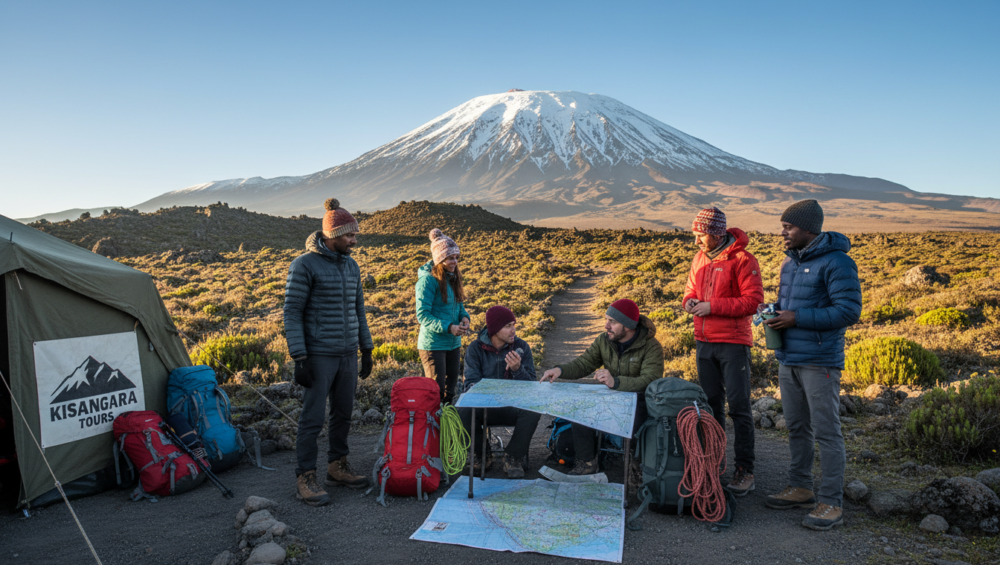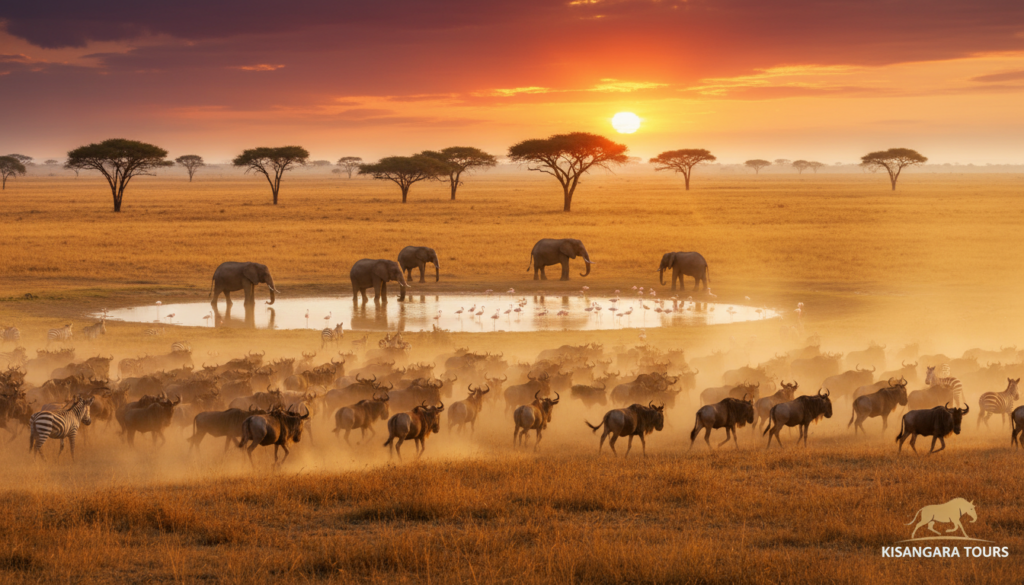
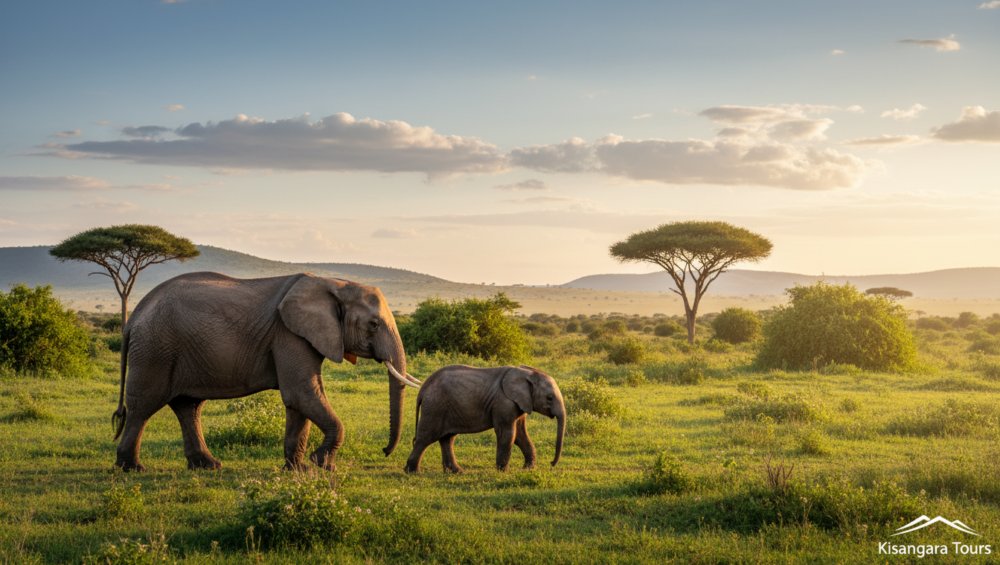
are elephants endangered

The Truth: Are Elephants Endangered in the Wild?

A profound question echoes across the savanna, carried on the wind: are elephants endangered? We stand at a crossroads, witnessing the uncertain future of these ancient giants. Their majestic presence, a timeless thread in the tapestry of the wild, now faces unprecedented challenges.

are elephants endangered

From Tanzania’s golden plains to Central Africa’s dense forests, these magnificent animals confront mounting pressures. Their numbers have plummeted to alarming lows. Recent data reveals a stark reality: only around 415,000 African elephants remain.

This is a fraction of their historic populations. The truth is sobering and urgent. These intelligent, emotional beings who shape entire ecosystems are slipping away. Human activities, from poaching to habitat loss, drive this decline.

We invite you to understand not just the statistics, but the deeper story. What does it mean for our world if these architects of the landscape disappear? This article unveils the complete picture, from the distinct challenges facing forest and savanna species to the hopeful efforts in conservation.

Key Takeaways

  • African elephant populations have experienced severe declines over recent decades.
  • There are two distinct African species, each facing a critical conservation status.
  • Major threats include illegal poaching for ivory and significant habitat loss.
  • Understanding their plight is the first step toward meaningful action and protection.
  • Conservation efforts offer a beacon of hope for these iconic animals.

Understanding Elephant Populations in Tanzania and Beyond

In the heart of Tanzania’s wilderness, we witness the intricate dance of elephant demographics across changing territories. These magnificent creatures move through landscapes that have sustained them for countless generations.

elephant populations distribution map

Elephant Demographics and Distribution

Across 37 African countries, elephant populations reveal a story of concentration and fragmentation. Southern Africa shelters 70% of the continental population, while Tanzania and East Africa host approximately 20%. This distribution creates vital strongholds for species survival.

The available land for these far-ranging animals has shrunk by more than half since 1979. This compression forces them into smaller wilderness islands, disrupting ancient migration corridors.

Region Population Percentage Key Countries
Southern Africa 70% Botswana, Zimbabwe, Namibia
Eastern Africa 20% Tanzania, Kenya, Uganda
Central Africa 6% Gabon, Republic of Congo
West Africa 3% Burkina Faso, Ghana

Key Regions and Protected Areas

Tanzania’s protected areas serve as crucial anchors for regional elephant populations. The Selous-Nyerere ecosystem, Ruaha National Park, and Tarangire-Manyara complex support significant breeding groups.

These areas contribute to the broader East African metapopulation across multiple countries. Forest elephants now occupy just a quarter of their historic range, concentrated heavily in Gabon and the Republic of Congo.

Overview of African Elephants: Savanna vs. Forest

Two magnificent forms grace Africa’s landscapes, each shaped by millennia of evolution. We recognize three living elephant species worldwide, but Africa claims two distinct treasures: the African savanna elephant and the African forest elephant. These are not mere variations but separate species with unique evolutionary paths.

african elephants comparison savanna forest

Genetic research has confirmed what field observers long suspected. These animals diverged along separate trajectories countless years ago. Their differences extend far beyond appearance to fundamental biological distinctions.

Distinctive Physical Features

The savanna elephant stands as Earth’s largest land animal. Males reach towering heights of three meters and weigh up to six tonnes. Their massive triangular ears function as cooling systems in open habitats.

Forest elephants present a more compact form adapted for dense vegetation. They average two meters tall and weigh two to three tonnes. Their rounded ears and straighter tusks navigate tangled forest undergrowth with precision.

Feature Savanna Elephant Forest Elephant
Shoulder Height Up to 3 meters 2-2.3 meters
Weight Up to 6 tonnes 1.7-2.3 tonnes
Ear Shape Large, triangular Small, rounded
Tusk Direction Curved outward Straight, downward

Habitat and Range Analysis

Savanna elephants thrive in open country across Eastern and Southern Africa. They inhabit grasslands, deserts, and woodlands where space allows their grand scale. Tanzania’s ecosystems provide ideal conditions for these majestic animals.

Forest elephants dwell in Central Africa’s tropical rainforests. Their range concentrates in the Congo Basin with fragments in West Africa. These habitats demand different survival strategies from their savanna cousins.

Understanding these distinctions is crucial for effective conservation. Each species requires tailored approaches to protection based on their unique ecological roles.

Are Elephants Endangered: Understanding the Threats

A shadow falls across the continent, one cast not by clouds but by human hands. We witness two primary dangers converging: the immediate violence of poaching and the gradual erosion of living space. These forces create a pincer movement that threatens both African species.

elephant threats poaching habitat loss

Impact of Illegal Wildlife Trade

The illegal wildlife trade represents perhaps the most visceral threat. Despite international bans, demand for ivory continues to fuel a brutal economy. Poaching peaked in 2011 but persists as an existential danger.

We have seen entire family groups decimated for tusks weighing mere kilograms. The social fabric of elephant society tears apart when matriarchs fall. This trade values ivory over life itself.

Effects of Habitat Destruction

Habitat loss constitutes a slower but equally lethal threat. As human populations expand, wilderness shrinks relentlessly. These wide-ranging animals find themselves trapped in shrinking pockets.

Ancient migration corridors sever under roads and railways. Seasonal ranges become inaccessible behind fences. Infrastructure development fragments the landscape in catastrophic ways.

These threats amplify one another’s impacts. Understanding this full spectrum is essential for meaningful protection. The battle must be fought on multiple fronts simultaneously.

Human-Elephant Conflict and Community Impact

At the boundary between cultivated fields and wild landscapes, human and elephant worlds collide with profound consequences. We witness the daily tension where ancient migration routes intersect with modern livelihoods.

This delicate dance between survival and coexistence defines life for communities sharing space with these magnificent animals. The relationship carries both cultural reverence and practical challenges.

Local Livelihoods and Cultural Significance

For people living near protected areas, a single night’s raid can destroy a season’s food security. These elephants transform from cultural icons into immediate threats to survival.

Yet tourism revenue creates powerful incentives for conservation. When communities benefit from living elephants, they become their strongest protectors.

Innovative solutions like solar-powered fences demonstrate how technology can safeguard both people and wildlife. These approaches honor the shared habitat that sustains all life.

The cultural significance of these great animals runs deep in local traditions. Balancing this reverence with practical coexistence remains our greatest challenge and opportunity.

Conservation Efforts: Successes and Ongoing Challenges

We stand witness to remarkable conservation victories that rewrite the narrative of decline. Across Africa, dedicated conservation efforts are creating sanctuaries where ancient rhythms can continue.

elephant conservation protected areas

Protected Areas and Conservation Policies

The Kavango-Zambezi Transfrontier Conservation Area spans five nations, sheltering the continent’s largest savanna elephant population. Here, numbers have remained stable through decades of sustained protection.

In Central Africa’s rainforests, well-managed conservation areas in Gabon and Congo demonstrate what’s possible. Forest elephants find stability where national commitment meets adequate enforcement.

Yet challenges persist like shadows at dusk. Insufficient funding, political instability, and persistent ivory demand threaten these hard-won gains. Our conservation work requires constant vigilance.

True success demands holistic approaches that blend strong protection with community partnership. When populations recover and coexistence thrives, we see the blueprint for scaling these efforts continent-wide.

Innovative Measures and Technological Advances in Monitoring

A new dawn breaks over conservation, illuminated by the glow of satellite signals and the dedication of local guardians. We witness a profound shift in how we protect these magnificent creatures.

elephant monitoring technology

Technology transforms our understanding of elephant movements. GPS collars act as electronic sentinels, mapping ancient migration routes with precision. This data reveals critical corridors between protected areas.

GPS Tracking and Survey Techniques

Advanced survey methods paint detailed pictures of population dynamics. Aerial surveys cover vast landscapes while dung DNA analysis identifies individual animals. Each technique contributes unique insights.

Real-time tracking alerts rangers to potential conflicts. When these great animals approach farmlands, rapid response teams can prevent damage. This proactive approach represents a major development in coexistence strategies.

Community Ranger Training Initiatives

Local communities become conservation’s frontline through comprehensive training programs. Rangers learn sophisticated monitoring techniques and conflict resolution skills. Their intimate knowledge of the land proves invaluable.

Training extends to crime scene investigation and habitat assessment. These initiatives build sustainable protection capacity within local populations. The approach honors traditional wisdom while embracing modern technology.

This fusion of ancient knowledge and innovation creates resilient conservation models. Together, we’re writing a new chapter in wildlife protection across Tanzania’s magnificent ranges.

The Role of Poaching and Infrastructure Development

A double-edged sword of progress cuts through ancient elephant corridors. We witness two relentless forces converging upon these gentle giants.

poaching and infrastructure threats to elephants

The illegal wildlife trade operates with chilling efficiency. Organized networks move ivory from killing fields to distant markets. Each tusk represents a family torn apart.

Infrastructure development creates more insidious threats. Roads and railways fragment ancestral habitats. These projects open remote areas to new dangers.

“Wildlife crime remains a low-risk, high-reward enterprise that fuels corruption and undermines governance.”

The intersection of these threats creates compound impacts. A new road brings economic opportunity but also poacher access. Each development project carries hidden ecological costs.

Threat Type Immediate Impact Long-Term Consequence
Poaching Direct population loss Social structure collapse
Road Development Habitat fragmentation Migration route severance
Agricultural Expansion Food source reduction Human-wildlife conflict increase

Solutions require balancing protection with progress. Wildlife corridors can be integrated into development plans. Anti-poaching efforts must adapt to changing landscapes.

We believe in conservation-conscious development that honors both human needs and wildlife survival. The future of these magnificent creatures depends on this delicate balance.

Comparative Analysis: African Savanna and Forest Elephant Trends

In the grand narrative of African wildlife, forest and savanna elephants chart separate destinies. Their conservation stories unfold along dramatically different timelines and trajectories.

The numbers reveal a stark contrast. African forest elephants have suffered catastrophic losses—more than 86% over just 31 years. Meanwhile, savanna elephant populations declined by at least 60% across five decades.

comparative analysis african savanna forest elephant trends

This differential decline reflects their distinct ecological challenges. Forest elephants navigate dense rainforests where protection proves difficult. Savanna elephants benefit from more visible habitats and established conservation networks.

Metric Forest Elephants Savanna Elephants Conservation Implication
Population Decline 86% (31 years) 60% (50 years) Urgent vs. sustained intervention needed
IUCN Status Critically Endangered Endangered Different conservation priorities
Range Occupancy 25% of historic range Variable across regions Habitat fragmentation severity
Success Stories Gabon & Congo stability Kavango-Zambezi growth Proof effective models exist

Understanding these contrasting trends guides conservation strategy. Each species demands tailored approaches based on their unique ecological contexts and threats.

Elephant Conservation in the IUCN Red List and Global Frameworks

In the meticulous pages of international conservation records, we find the sobering reality of elephant species etched in data and urgency. The IUCN Red List stands as the world’s most comprehensive inventory, maintained by thousands of expert scientists.

iucn red list elephant conservation status

A historic 2021 decision transformed our understanding. Genetic research confirmed African forest and savanna elephants as distinct species. This separation on the Red List demands tailored conservation approaches for each unique animal.

The assessments reveal a stark divide. Forest elephants face critically endangered status after 86% population decline. Savanna cousins are endangered, with numbers dropping 60% over fifty years.

IUCN Category Extinction Risk Level Conservation Priority
Critically Endangered Extremely High Maximum Urgency
Endangered Very High High Priority
Vulnerable High Active Protection
Near Threatened Moderate Monitoring Required

These IUCN Red List designations carry real weight. They guide international funding and shape protective policies across borders. The assessment methodology draws from decades of field data.

For conservationists, the Red List provides both warning and roadmap. It quantifies decline with scientific precision while highlighting where protection succeeds. This global framework offers our best hope against extinction.

How You Can Get Involved and Support Elephant Protection

Your journey into the heart of Africa can become a lifeline for its most majestic inhabitants. We believe conservation is not a spectator sport but a shared responsibility that welcomes every caring soul.

elephant protection support

Supporting reputable organizations multiplies your impact dramatically. Donations fund ranger patrols, community programs, and vital research. Each contribution directly enhances protection efforts where they matter most.

Choose responsible wildlife tourism that benefits local communities. When you travel with operators who prioritize conservation, you create economic incentives for protection. Living elephants generate far more value than ivory ever could.

Even from home, your choices matter. Reject ivory products and support companies with strong environmental policies. Share knowledge about these magnificent animals’ endangered status.

  • Financial support funds GPS collars and ranger training
  • Responsible tourism demonstrates the value of living wildlife
  • Consumer choices reduce demand for harmful products
  • Advocacy builds political will for stronger protections

This is your invitation to participate in something larger than yourself. Together, we can ensure future generations inherit a world still graced by these ancient beings.

Contact Us for More Information and Assistance

The journey from concern to meaningful action begins with a simple conversation. We invite you to start that dialogue with us today. Our team bridges international passion with local conservation reality.

Your questions about these magnificent animals deserve thoughtful, experienced answers. We offer insights born from years living alongside Tanzania’s wildlife.

Give Us a Call

Reach us at +255 755 002 886 or +255 783 292 929. Our guides discuss safari opportunities in Tanzania’s premier wildlife areas. We design experiences aligning with your conservation values.

Email Us

Contact info@kisangaratours.com or kisangaratours@gmail.com. We respond to all inquiries with care reflecting our commitment to hospitality and conservation.

Engagement Level Contact Method Response Time
General Questions Email Within 24 hours
Safari Planning Phone Call Immediate discussion
Conservation Partnerships Email & Follow-up Call Comprehensive response within 48 hours

We serve as bridges between global advocates and Tanzania’s conservation reality. Your curiosity transforms into practical support through our guidance.

Conclusion

Across the vast African horizon, a delicate balance hangs between ancient rhythms and modern pressures. The truth about these magnificent animals is sobering yet filled with possibility. Both African elephants face critical challenges in their remaining habitats.

The forest elephant survives in scattered forests, its population reduced by devastating losses. Meanwhile, savanna elephants navigate shrinking grasslands. Each species requires tailored protection strategies.

Yet hope persists where committed conservation efforts thrive. The future of these iconic creatures depends on choices we make today. Will we value living wild majesty over short-term gain?

Our collective action can ensure these gentle giants continue shaping African landscapes. They remain vital architects of the ecosystems they inhabit. Their survival represents our commitment to preserving Earth’s natural wonders.

FAQ

What is the current conservation status of African elephants?

The majestic African savanna elephant is classified as Endangered, while its elusive relative, the African forest elephant, is listed as Critically Endangered on the IUCN Red List. This sobering status reflects the severe pressures these magnificent animals face across their range.

What are the primary threats driving these species toward extinction?

The most significant dangers are poaching for the illegal ivory trade and the rapid loss of vital habitat due to human development. These twin threats fragment ancient migratory routes and destabilize entire ecosystems, pushing populations to the brink.

How does habitat destruction specifically impact elephant herds?

When forests are cleared and savannas are fragmented for agriculture or infrastructure, it decimates the vast areas these gentle giants need to find food and water. This destruction forces them into conflict with local communities and isolates groups, threatening their long-term survival.

What conservation efforts are proving successful in Tanzania?

In Tanzania, we witness the power of protected areas, robust anti-poaching patrols, and innovative community-based initiatives. Training local rangers and integrating GPS tracking technology are yielding hopeful results, helping to safeguard these iconic animals for future generations.

What is the difference between savanna and forest elephant species?

African savanna elephants are larger with expansive, curved tusks, roaming the open grasslands. Forest elephants are smaller, darker, with straighter, denser tusks, adapted for life in the deep Congo Basin woods. Recognizing these distinctions is crucial for tailored protection strategies.

How can travelers responsibly experience elephants in the wild?

By choosing ethical tour operators committed to conservation, your safari becomes a force for good. Your visit supports protected areas, funds community projects that reduce human-wildlife conflict, and helps ensure these sovereign creatures continue to thunder across the land.
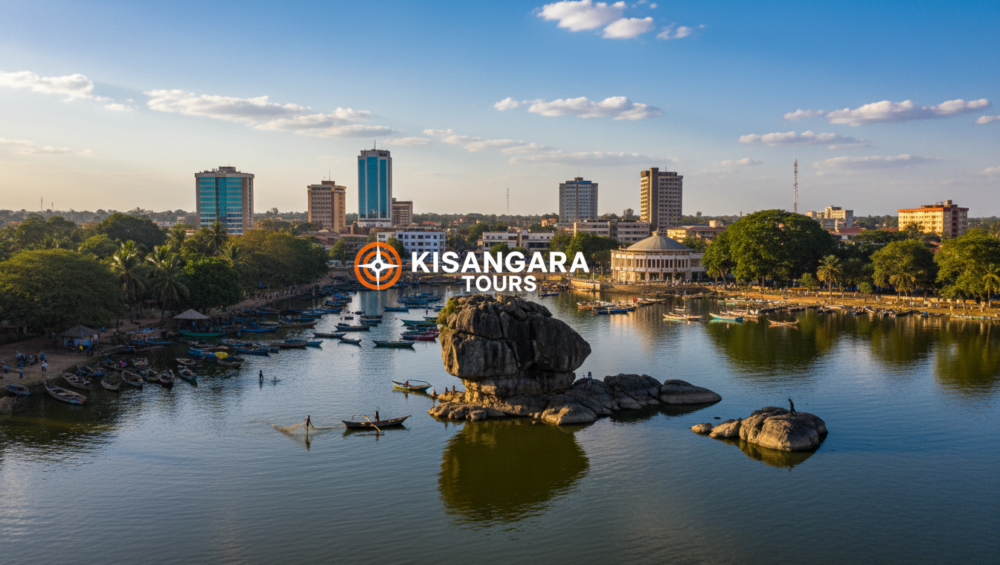
things to do in Mwanza tanzania

Top Things to Do in Mwanza Tanzania: Explore

Welcome to Mwanza, a vibrant urban landscape cradled by the ancient waters of Lake Victoria. This is Tanzania’s second-largest city, a bustling port where granite formations sculpted by time create a skyline unlike any other. We invite you to discover a place where nature and culture dance in perfect harmony.

things to do in Mwanza tanzania

Known as “Rock City,” this gem reveals a profound beauty. The Sukuma people, Tanzania’s largest ethnic group, have woven their heritage into the very fabric of this community. Your trip here is more than a simple visit; it is an experience that connects you to the soul of East Africa.

From the gentle rhythm of lakeside life to the warm welcome of its people, Mwanza offers a journey of transformation. We share this guide as passionate guardians, eager to help you uncover the authentic treasures of this remarkable city.

Key Takeaways

  • Mwanza is Tanzania’s second-largest city, situated on the southern shores of Lake Victoria.
  • The city is famously known as “Rock City” due to its unique granite rock formations.
  • It serves as a major port and a gateway to the western Serengeti.
  • The area is the homeland of the Sukuma, the country’s largest ethnic group.
  • Mwanza boasts a tropical climate, making it a year-round destination.
  • The local economy thrives on fishing, agriculture, mining, and trade.
  • A journey here promises a deep cultural and natural experience.

Experience the Rich Heritage of Mwanza

Our journey into this region’s identity begins not with a landmark, but with a legacy—the enduring spirit of the Sukuma. This is the home of Tanzania’s largest ethnic group, and their heritage is a vibrant, living force. We guide you to where this history is preserved and celebrated.

Sukuma Museum cultural heritage

Sukuma Museum and Cultural Exhibits

Just a short drive from the city, the Sukuma Museum stands on sacred grounds. Traditional homesteads and royal drums whisper tales of centuries. Artifacts narrate a profound history of leadership and spirituality.

The highlight is a legendary ritual: the snake dance. Performers handle live pythons with reverence. It is a powerful symbol of the community’s bravery and unity.

Bujora Cultural Center and Traditional Performances

The Bujora Cultural Center brings this heritage to life. It is a living monument where the people share their way of life. You will witness exhilarating traditional dances and music.

Engage with local artisans practicing age-old crafts. Your visit during morning tours or annual festivals offers the deepest connection to the community.

Comparing Cultural Experiences
Feature Sukuma Museum Bujora Cultural Center
Primary Focus Historical artifacts & preservation Live performances & interaction
Key Experience Guided tours of exhibits Traditional music and dance
Unique Highlight The legendary snake dance Hands-on artisan encounters
Best Visit Time Morning for quiet reflection Festivals for vibrant energy

This journey reveals that heritage is not a relic. It is the wisdom and artistry that give meaning to contemporary life. The Sukuma Museum and Bujora Cultural center are gateways to this understanding.

Explore Top Things to Do in Mwanza Tanzania

Mwanza unfolds as a symphony of urban energy and natural wonder, each activity revealing a new melody. We invite you to discover how this vibrant city blends cultural depth with breathtaking landscapes.

Mwanza activities and attractions

The urban pulse beats strongest at the bustling port, where fishing boats dance on the water. This gateway reveals the city’s working heart. Then venture to granite outcrops that frame panoramic lake views.

Your journey can embrace gentle boat safaris across the vast lake. Hippos surface beside your vessel while fish eagles circle overhead. Or seek adrenaline on rock climbing challenges that reward with photographer’s dreams.

“True travel transforms not just our location, but our perspective. Mwanza offers this alchemy.”

Urban and Nature Experiences Comparison
Experience Type Urban Activities Nature Attractions
Primary Focus City culture & working port Wildlife & scenic beauty
Key Activities Port tours, market visits Boat safaris, island exploration
Wildlife Encounters Local fishing traditions Hippos, birds, safari extensions
Best Time Morning for market energy Sunset for golden lake views

These experiences invite personal transformation. Whether you seek cultural immersion or wilderness connection, each activity carries profound meaning. We craft journeys that honor your unique path.

Uncover the Natural Beauty of Lake Victoria

Lake Victoria reveals itself not as a body of water, but as a living presence that has shaped civilizations. Africa’s largest freshwater body stretches beyond sight, its horizon blending sky and water into seamless beauty. We approach this ancient lake with the reverence it commands.

Your journey upon these waters becomes a meditation. A gentle boat safari carries you across tranquil surfaces where hippos surface unexpectedly. The lake’s daily transformation—from dawn’s soft pastels to sunset’s fiery display—offers photographers endless inspiration.

Lake Victoria boat safari and natural beauty

We treasure the fishing traditions that sustain communities along these shores. Join local guides to learn techniques passed through generations. You’ll discover the patience required to harvest the lake’s bounty, including over 38 fish species that evolved in these waters.

Lake Victoria connects nations through ferry routes to Uganda and Kenya. This nature highway reminds us that water recognizes no borders. Your encounter with Lake Victoria becomes a touchstone memory of nature’s grandeur and life-sustaining power.

A Guide to Mwanza’s Scenic Attractions

The city’s scenic attractions unfold like pages from a living history book, each landmark revealing a different chapter of cultural convergence. We invite you to explore where nature’s artistry meets human heritage.

Iconic Landmarks and Historical Sites

Bismarck Rock stands as Mwanza’s signature marvel. This gravity-defying granite formation perches impossibly at the lake’s edge. Sunset transforms it into a silhouette against fiery skies.

Mwanza scenic attractions landmarks

The city’s historical sites weave narratives of diverse influences. The Clock Tower marks colonial history while the Gandhi Sculpture celebrates harmony. Each site offers unique perspectives on the city’s evolution.

Jiwe Kuu, The Dancing Rocks, rises north of the city with panoramic views. Local legends speak of magical witch doctors who softened these stones. The German Watchtower now frames contemplative vistas across Lake Victoria.

“Landmarks are not merely stones and structures; they are the soul of a place made visible, where history breathes and nature speaks.”

Comparing Mwanza’s Landmark Experiences
Feature Natural Formations Historical Structures
Primary Character Geological wonders Cultural heritage
Key Examples Bismarck Rock, Jiwe Kuu Clock Tower, German Watchtower
Best Experience Sunset viewing, photography Historical reflection, architecture
Unique Quality Panoramic lake views Multicultural narratives

These attractions reveal Mwanza City’s layered identity. From Haji Mussa Mansion’s architecture to spiritual sites, they demonstrate cultural richness. We encourage meditative exploration of these meaningful sites.

Adventure Awaits: Outdoor Activities in Mwanza

Ancient rocks and living waters offer pathways to discovery that engage body and soul. We guide you toward experiences where physical challenge meets spiritual renewal.

outdoor activities in Mwanza

Bismarck Rock Climbing and Hiking

Ascending Bismarck Rock becomes a vertical meditation. Each handhold tests your strength while panoramic views reward your effort.

This iconic formation teaches lessons about perseverance. The summit reveals perspectives that transform how you see the entire landscape.

Boat Safaris and Fishing Excursions on the Lake

Your boat safari across the lake offers a different adventure. It requires presence to spot hippos surfacing or appreciate light dancing on water.

Fishing excursions connect you with traditions that sustained communities for generations. These activities engage your whole being in nature’s grand theater.

We provide experienced guides who decode the landscape’s secrets. They transform geographical features into characters with personalities worth knowing.

Relax and Rejuvenate: Lakeside Experiences

After days filled with exploration, the shores of Lake Victoria offer a sanctuary where modern urgency dissolves into nature’s timeless pace. We understand that true transformation requires moments of profound stillness—precious intervals where the soul integrates all the wonders absorbed during your journey.

The lake’s gentle breezes and moderate temperatures create an ideal environment for relaxation. Here, you can sink into a chair with a book or simply watch wavelets whisper their ancient rhythms. Sandy beaches and shaded groves become natural meditation spaces where tension dissolves like morning mist.

Lake Victoria relaxation and sunset cruise

A sunset boat cruise transforms into water-borne meditation. The vessel’s gentle rocking induces a trance-like state as spectacular colors paint the western sky. This experience allows the lake’s beauty to permeate your entire being rather than merely passing through your eyes.

Whether through quiet picnics or intentional contemplation, these lakeside moments create the balanced rhythm that characterizes truly restorative travel. The water‘s timeless presence works its healing magic on those wise enough to surrender.

Diverse Wildlife and Nature Encounters

We invite you to cross the threshold from urban energy to primal wilderness, where two remarkable island sanctuaries await your discovery. These protected realms offer intimate encounters with wildlife that thrives in Lake Victoria’s embrace.

island national park wildlife

Each island national park presents a unique chapter in Tanzania’s conservation story. They demonstrate how nature can flourish when given sanctuary.

Saanane Island Urban Safari

Saanane Island National Park stands as Tanzania’s first urban wildlife refuge. A brief boat ride from Capri Point transports you to this green jewel.

The park’s three islets harbor diverse species including impalas and vervet monkeys. Over forty bird varieties fill the air with vibrant life.

Rubondo Island Wildlife Exploration

Rubondo Island National Park unfolds across 457 square kilometers of pristine wilderness. This vast sanctuary shelters chimpanzees and elephants in lush rainforest.

Tracking chimpanzees here becomes a profound mirror to our own humanity. Hippos wallow in hidden coves while over 300 bird species create dawn choruses.

Island Sanctuary Comparison
Feature Saanane Island National Park Rubondo Island National Park
Accessibility 10-minute boat ride from city Remote wilderness experience
Wildlife Focus Impalas, monkeys, hyraxes Chimpanzees, elephants, sitatungas
Bird Species 40+ recorded varieties 300+ including African grey parrots
Best For Day trips, easy access Overnight stays, deep immersion

These island national park experiences offer contrasting scales of wilderness immersion. Both protect precious wildlife while providing transformative encounters.

Capturing Mwanza: Iconic Landmarks and Photo Spots

Photography here transcends simple documentation, evolving into a meditative practice that reveals the soul of the place. Your camera becomes a tool of deep engagement, forcing you to truly see the play of light and fleeting moments of beauty.

Mwanza iconic landmarks photo spots

Bismarck Rock Sunsets and Panoramic Views

Bismarck Rock at sunset becomes a pilgrimage for photographers. That magical hour paints the granite silhouette against a fiery sky. Lake Victoria transforms into a canvas of impossible colors each evening.

Locals gather here to enjoy evening breezes, adding life to your compositions. The panoramic views from this and other sites offer what we call “God’s perspective.”

From the high outcrop of Jiwe Kuu, the patterns of the city and landscape reveal themselves. These elevated vantage points provide breathtaking views ideal for capturing the region’s essence.

We guide you to spots at dawn as well as dusk. Morning light offers soft pastels and mist rising from the water. This contrasts beautifully with the golden glow of evening.

These iconic landmarks offer endless compositional possibilities. Your search for the perfect shot becomes a compass pointing toward discovery and a deeper understanding of this remarkable place.

Local Cuisine and Cultural Encounters

Culinary traditions here serve as living archives, preserving centuries of cultural exchange in every spice blend and cooking technique. We approach food as the most intimate portal into understanding a place’s soul.

Mwanza Central Market fresh fish and produce

Exploring Traditional Dishes and Bustling Markets

Mwanza’s Central Market awakens every sense simultaneously. Pyramids of tomatoes and mangoes create visual feasts while aromatic spices mingle with grilling fish. The acoustic energy of Swahili banter fills the air.

Fresh fish from Lake Victoria represents more than sustenance. It embodies the covenant between people and waters that have sustained life for generations. Each morning’s catch renews this ancient relationship.

Traditional dishes carry multicultural influences in their DNA. Sukuma agricultural heritage blends with fishing traditions and trader influences. Your culinary experience might include ugali porridge or spice-rubbed tilapia.

Market Encounters vs. Restaurant Dining
Feature Central Market Experience Traditional Restaurant Dining
Cultural Immersion Direct vendor interaction & negotiation Structured service & curated menus
Freshness Level Morning catches & daily harvests Kitchen-prepared consistency
Sensory Engagement Full sensory overload: sights, smells, sounds Focused taste experience
Social Connection Spontaneous conversations with locals Planned social gatherings

We encourage approaching market visits as cultural encounters rather than shopping trips. Engaging vendors transforms transactions into genuine human connections. This city‘s food culture reveals the essential rhythms of daily life.

Sharing meals creates instant bonds across cultural boundaries. The bustling markets reflect how ordinary people sustain community through commerce and conversation. Each bite expands your understanding of this remarkable city.

Plan Your Mwanza Itinerary: Practical Tips

We approach travel planning as sacred groundwork that transforms logistics into liberation. Your journey deserves a foundation that anticipates wonder while respecting local rhythms.

Best Time to Visit and Transport Options

The best time visit spans June through October. Clear skies bless photography while comfortable temperatures welcome outdoor exploration. This dry season creates ideal conditions for safari extensions into nearby wilderness.

Your trip to this remarkable region begins with thoughtful arrival choices. Mwanza Airport welcomes flights from major carriers including Air Tanzania and Precision Air. The scenic Central Railway Line offers an overland adventure through the heart of one tanzania.

Seasonal Travel Comparison
Season Weather Conditions Travel Experience Recommended Activities
Dry Season
(June-October)
Clear skies, minimal rain Optimal wildlife viewing Island trips, photography, safaris
Wet Season
(March-May)
Lush landscapes, occasional showers Fewer crowds, vibrant greenery Cultural immersion, market visits

Get in Touch for More Information

For personalized guidance crafting your perfect visit mwanza experience, connect with our expert team. We transform practical details into meaningful journeys.

Call us at +255 755 002 886 or +255 783 292 929. Email detailed inquiries to info@kisangaratours.com. Our knowledgeable staff responds with customized recommendations for your mwanza city adventure.

We advise carrying Tanzanian Shillings for authentic market encounters. Learning basic Swahili phrases deepens connections with local communities. These practical preparations ensure your energy remains focused on transformative experiences.

Where to Stay in Mwanza: Accommodations and Lodging

Accommodations here serve as portals to deeper understanding. Each evening’s return offers new perspectives on the day’s discoveries. Your chosen home becomes the sanctuary where adventures settle into memory.

Budget-friendly hotels like Hotel Tilapia and Ryan’s Bay provide comfortable bases. They deliver essential amenities without distraction from your experience. Malaika Beach Resort offers direct access to Lake Victoria shores.

Consider location carefully when selecting your retreat. City-center properties place you near vibrant markets. Lakeside lodgings maximize connection to the water’s rhythm.

For immersive wildlife encounters, Rubondo Island’s eco-lodges await. They place you within the park itself. Saanane Island National Park stays offer urban wilderness access.

Accommodation Options Comparison
Accommodation Type Best For Key Feature Proximity
Budget City Hotels Cultural immersion & market access Central location Walking distance to attractions
Lakeside Resorts Water-focused experiences Lake Victoria views Boat departure points
Park Eco-Lodges Wildlife enthusiasts Wilderness immersion Within national park boundaries

Your accommodation should support sustainable practices. We partner with providers committed to local communities. They honor the region’s natural and cultural heritage.

Conclusion

Your journey through Mwanza’s tapestry of wonders concludes not with an ending, but with an invitation to carry its spirit forward. We have walked together through cultural heritage and wild nature, from the Sukuma group‘s traditions to Lake Victoria‘s ancient shores.

This remarkable city offers experiences that transform ordinary travel into profound connection. Each safari encounter with local wildlife reveals deeper truths about our place in the natural world.

Your trip here becomes a collection of moments that resonate long after departure. The outdoor activities challenge your body while the cultural experiences nourish your understanding.

We stand ready to craft your personal safari adventure. Contact us at +255 755 002 886 or +255 783 292 929. Email info@kisangaratours.com to begin planning your transformative journey.

FAQ

What is the best time to visit Mwanza for a safari and lake experience?

The ideal period is during the dry seasons, from June to October and December to February. These months offer optimal weather for wildlife viewing on Saanane Island, boat safaris on Lake Victoria, and exploring Rubondo Island National Park, with clear skies and minimal rainfall enhancing your adventure.

What cultural heritage sites should we not miss in Mwanza?

A> We deeply recommend the Sukuma Museum at the Bujora Cultural Center. It is a profound journey into the history and traditions of the Sukuma, Tanzania’s largest ethnic group. Here, you can witness vibrant traditional performances and connect with the living soul of the community.

Can you see chimpanzees near Mwanza?

Yes, for a truly transformative wildlife encounter, we arrange trips to Rubondo Island National Park. This secluded gem on Lake Victoria is a protected sanctuary for chimpanzees and other species, offering a rare chance to observe these incredible primates in their natural habitat.

What are the top outdoor activities for adventure seekers?

Adventure awaits on the water and the rocks. Embark on a thrilling boat safari to see hippos and bird life, try your hand at fishing for the lake’s legendary Nile Perch, or challenge yourself with a climb on the iconic Bismarck Rock for breathtaking panoramic views of the city.

Is Mwanza a good destination for bird watching?

A> Absolutely. The shores of Lake Victoria and the protected islands are a paradise for bird enthusiasts. From the water’s edge to the forests of Rubondo Island National Park, you can spot a magnificent array of bird species, making it a serene and rewarding experience for nature lovers.

How can we get more information or book a trip?

We are here to help you craft your perfect itinerary. Please get in touch with us directly for more information at +255 755 002 886 or via email at info@kisangaratours.com. Let us guide you to the authentic heart of this magnificent region.

how many days to hike kilimanjaro

How Many Days to Hike Kilimanjaro: Planning Your Ascent

Before you stands a geographic marvel: Mount Kilimanjaro. Africa’s highest peak pierces the equatorial sky at 5,895 meters. This volcanic giant rises almost 5km from the Tanzanian plains. It is a sight that calls to the explorer within.

how many days to hike kilimanjaro

The question of time for your climbing Kilimanjaro journey is profound. It is not a simple count of days. It is a meditation on patience and preparation. The mountain rewards those who listen to its ancient rhythm.

We have guided countless souls up these sacred slopes. Our experience teaches a vital truth. Success is woven into the fabric of acclimatization. A minimum of five days is possible, but six to eight offers a far greater chance of standing on the roof of Africa.

This mountain is a world of its own. Each day reveals a new ecosystem, from lush rainforests to alpine deserts. Granting yourself adequate time is the ultimate gift. It allows your body to adapt and your spirit to fully absorb the transformation.

Key Takeaways

  • Mount Kilimanjaro is Africa’s tallest peak, standing at 5,895 meters (19,341 feet).
  • A successful ascent requires careful planning, with a strong focus on proper acclimatization.
  • While a 5-day route exists, a 6 to 8-day itinerary dramatically increases your chance of reaching the summit.
  • The journey takes you through multiple, distinct climate zones, from rainforest to arctic summit.
  • Respecting the mountain’s altitude and allowing your body time to adjust is the key to a safe and rewarding experience.
  • Our expert guides are available to help you plan your transformative adventure.

Introduction to Mount Kilimanjaro Trekking

Kilimanjaro National Park shelters a wonder that defies ordinary description – a mountain that whispers to the soul of every adventurer. This is not merely geography; it is a living testament to Earth’s creative power.

Mount Kilimanjaro trekking introduction

Overview of Tanzania’s Iconic Mountain

Mount Kilimanjaro stands as Africa’s rooftop at 5,895 meters. Volcanic forces sculpted this freestanding giant over millennia. Its snow-capped summit defies equatorial logic.

The journey through Kilimanjaro National Park reveals five distinct climate zones. You traverse from lush rainforest to alpine desert in days. This ecological marvel exists nowhere else on our planet.

Geological Marvel Ecological Journey Accessible Summit
World’s tallest freestanding mountain Five climate zones in one ascent No technical climbing required
Ancient volcanic formation Rainforest to arctic conditions Guided treks available for all
Year-round snow near equator Unique flora and fauna sightings Democratic peak achievement

Why Kilimanjaro Should Be on Your Bucket List

This peak offers what few mountains can: transformation without technical barriers. The reason so many succeed lies in its welcoming nature.

Ordinary people achieve extraordinary feats here. Standing at the top of Africa changes perspective forever. This is the profound reason for its bucket-list status.

We witness daily how this mountain reveals inner strength. Mount Kilimanjaro calls not to conquerors, but to seekers. Answer its call, and discover what awaits within.

Overview of Kilimanjaro Ascent Duration

We have learned Kilimanjaro’s most essential lesson through decades of guiding: patience is the currency that buys summit success. The mountain reveals its truth not in speed, but in gradual adaptation.

Typical Climb Durations and Success Rates

Park data paints a clear picture. Fewer than 30% of five-day climbers reach Uhuru Peak. Each additional day dramatically improves the success rate.

Kilimanjaro climb success rates

Six-day itineraries see about 45% of climbers succeed. Seven-day climbs achieve a 65% success rate. Those granting themselves eight days or more succeed at rates exceeding 85%.

This progression reveals the mountain’s wisdom. Time allows your body to adapt to thinning air. Rushed attempts often end in disappointment near the summit.

The question becomes one of intention. Are you seeking transformation or checking a box? Longer journeys transform endurance into pilgrimage.

Factors Affecting Climb Success

The mountain reveals its secrets only to those who understand its three fundamental languages. Mastering these elements transforms your ascent from mere endurance into profound communion.

Altitude and Acclimatization Challenges

Altitude is the invisible force that humbles even the strongest athletes. Kilimanjaro’s rapid ascent challenges your body’s capacity for acclimatization in ways few mountains do.

Your body requires time to increase red blood cell production and adjust breathing patterns. Rushing this biological process invites headaches, nausea, and potentially life-threatening conditions.

Weather Conditions and Seasonal Considerations

Choosing the best time for your climb dramatically improves your chance of success. January through March and July through October offer stable conditions.

Weather creates microclimate challenges regardless of season. Expect sub-zero temperatures at altitude year-round, requiring preparation for both tropical heat and arctic cold.

Kilimanjaro climb factors

Fitness Level and Preparatory Training

Physical preparation paves the way for summit success. We recommend building cardiovascular endurance through consistent training.

Your chance of reaching the top increases exponentially when physical preparation meets adequate acclimatization time. This is the surest way to honor both mountain and body.

Exploring Popular Kilimanjaro Routes

The choice of route becomes your first conversation with the mountain, setting the rhythm for your entire journey. Each path offers distinct character and philosophy.

Kilimanjaro routes

Marangu and Machame Route Insights

Marangu, the “Coca-Cola Route,” provides hut accommodation over five to six days. This popular path suffers from crowding but offers comfort.

Machame, known as the “Whiskey Route,” spans six to seven days with superior scenery. Its strategic camp placements follow vital acclimatization principles.

Scenic Alternatives: Lemosho, Shira, Rongai, and Northern Circuit

For those seeking wilderness immersion, Lemosho and Northern Circuit routes dedicate eight to eleven nights to gradual ascent. They traverse Kilimanjaro National Park’s most pristine zones.

Rongai approaches from the north, offering solitude and wildlife encounters. Shira begins at higher elevation, merging with Lemosho after the first day.

Route Duration Accommodation Success Rate
Marangu 5-6 days Huts 30-50%
Machame 6-7 days Camping 65-75%
Lemosho 8-10 days Camping 85-90%
Northern Circuit 9-11 days Camping 90-95%

Choosing your route wisely determines the nature of your experience. Our expert guides at Kisangara Tours help you select the perfect path to climb Mount Kilimanjaro.

how many days to hike kilimanjaro

Each additional sunrise on these slopes purchases more than mere time—it grants grace. The question of duration becomes one of intention, revealing whether you seek to conquer or commune.

Kilimanjaro itinerary comparison

Comparing 5, 6, 7, and 8+ Day Itineraries

A five-day ascent represents the absolute minimum. Fewer than three in ten climbers reach the summit. The body scrambles to adapt while pushing ever higher.

Six days improves success to 45 percent. Yet this remains a rushed timeline. Most hours are spent hiking 5-7 through changing elevations.

The seven-day journey emerges as the sweet spot. Success rates climb to 65 percent. This schedule allows for proper “climb high, sleep low” acclimatization strategy.

Eight to ten days transform the experience entirely. Success exceeds 85 percent. You move through ecosystems rather than rushing past them.

The final push demands 10-14 continuous hours. But with adequate preparation, you arrive ready. Each extra day purchases reduced suffering and deeper connection.

Planning for Acclimatization and Safety

The mountain’s thin air demands a conversation, not a confrontation. We share its most sacred wisdom: true acclimatization unfolds on biological timelines, respecting neither athletic prowess nor determination.

Kilimanjaro acclimatization safety

This vital process begins before your climb mounts the first slope. Spending 2-3 days at mid-altitude locations like Ngorongoro Crater allows your body to start adapting comfortably.

Strategies to Minimize Altitude Sickness

Understanding how long takes your body to adapt reveals why extended journeys succeed. At each new elevation, your system needs 24-48 hours to increase red blood cell production.

“Climb high, sleep low” is the cornerstone of safe ascent.

This strategy trains your body for the extreme altitude of the summit far more effectively than sleeping progressively higher. It is the safest way to prepare.

We guide with constant vigilance, knowing that people of all fitness levels can be affected. Mild symptoms are common, but severe signs require immediate descent.

Strategy Benefit Impact on Summit Success
Pre-climb Acclimatization Starts physiological adaptation early Significantly increases red blood cell production
“Climb High, Sleep Low” Trains body for oxygen deprivation Dramatically improves altitude tolerance
8+ Day Itineraries Allows full physiological adaptation Triples likelihood of reaching the summit

The long takes approach to your climb mountains journey provides multiple safety layers. It grants adequate time for adaptation and reduces risk, ensuring your summit attempt is both safe and transformative.

Daily Itinerary Insights and Highlights

The rhythm of a seven-day ascent reveals the mountain’s true character. Each camp marks a sacred threshold in your journey upward. We witness how this progression transforms endurance into pilgrimage.

Kilimanjaro daily itinerary

Sample Day-by-Day Breakdown

Our Machame route unfolds like a carefully composed symphony. Each stage builds upon the last, preparing you for the ultimate challenge.

Day Elevation Gain Hours Key Feature
1 1,830m to 3,000m 6 Rainforest immersion
2 3,000m to 3,800m 4-6 Moorland transition
3 3,800m to 3,900m 7-9 Lava Tower acclimatization
4 3,900m to 4,055m 4-5 Barranco Wall scramble
5 4,055m to 4,815m 5 High desert approach
6 4,815m to 5,895m 12-16 Summit push to Uhuru Peak
7 5,895m to 1,800m 5 Jungle descent

Key Milestones on the Ascent

Certain moments become eternal waypoints. Crossing the Shira Plateau opens you to endless sky. The Great Barranco Wall demands hands and feet working in concert.

Reaching Stella Point at dawn offers premature celebration. The final traverse to Uhuru Peak completes your transformation. Standing at Africa’s highest point rewrites your definition of possible.

Essential Gear, Training, and Preparation

We believe the summit begins long before you set foot on the mountain, in the careful selection of equipment and the dedication of training. This preparation becomes your silent dialogue with the peak, where respect is measured in thoughtful choices.

Gear Checklist for a Successful Trek

Your gear forms a protective shell against Kilimanjaro’s extreme contrasts. From humid rainforests to arctic summit winds, each item serves a vital purpose in your climbing journey.

Kilimanjaro gear preparation

The mountain demands layers that adapt to sudden changes. Waterproof shells, insulating mid-layers, and broken-in boots become your most trusted companions. Every piece must withstand 50 kilometers of varied terrain.

Category Essential Items Purpose Notes
Protection Waterproof jacket/trousers, gloves Shield from rain and wind Test waterproofing before your trip
Insulation Down jacket, layered clothing Combat sub-zero temperatures Essential for summit night
Footwear Waterproof boots, hiking socks Support and blister prevention Break in thoroughly pre-trip
Hydration 2L capacity, energy snacks Sustain energy at altitude Critical for summit push

Our porters carry camp equipment while you manage personal gear. This division honors their strength while keeping your daypack manageable. Understanding this balance respects the mountain family that makes your ascent possible.

Training Tips and Fitness Recommendations

Physical preparation transforms the experience from ordeal to achievement. We recommend building toward five-hour hikes in hilly terrain over several months.

Cardiovascular fitness through running or cycling prepares you for thin air. Practice with your daypack and boots to simulate real conditions. This training builds the endurance needed for the final push to the top.

Our guides bring decades of experience to support your journey. They understand when to encourage and when to caution. This wisdom, combined with proper preparation, creates the ideal conditions for summit success.

Choosing an operator with certified guides and well-treated porters ensures ethical practices. Learn more about our commitment to responsible tourism at Kisangara Tours.

Contact and Booking Information

The path to Africa’s rooftop starts not with footsteps on volcanic soil, but with voices across oceans. Your transformative trip begins when you reach out to our dedicated team.

We stand ready to translate your dreams into reality. Every inquiry receives our full attention and care.

Kilimanjaro booking contact

Give Us a Call: +255 755 002 886, +255 783 292 929

Hear the warmth of Tanzanian hospitality in our voices. Our experienced planners understand every trail and strategy for success.

We help you climb Mount Kilimanjaro with confidence. Our certified guides share decades of wisdom earned on these sacred slopes.

Email Us: info@kisangaratours.com, kisangaratours@gmail.com

Share your questions and aspirations through written word. We craft personalized responses that honor your unique journey.

From the starting point of planning to the final climb, we ensure every detail supports your success. Each route is carefully chosen for your fitness level.

“Proper planning transforms ambition into achievement—the mountain rewards those who approach with preparation and respect.”

Contact Method Response Time Best For
Phone Call Immediate Detailed discussions and urgent questions
Email Within 24 hours Detailed itineraries and documentation
Both Methods Flexible Comprehensive planning support

Reaching the top requires partnership with registered Tanzanian operators. We provide everything from permits to porters, ensuring your safety and comfort throughout the entire experience.

Conclusion

The final truth about Africa’s rooftop emerges from the mountain’s own rhythm—a tempo that honors the body’s need for gradual adaptation. While a five-day climb Kilimanjaro represents the minimum, seven to eight days transforms the journey from gamble to achievable dream.

Mount Kilimanjaro rewards patience and humbles haste. Extra days purchase more than higher success rates—they offer reduced suffering and deeper immersion. This investment separates those who merely touch the summit from those who truly absorb the achievement.

Your chance to stand at this sacred point comes once for most people. Honor it by choosing routes that prioritize gradual ascent. The mountain teaches that adequate time transforms physical endurance into spiritual pilgrimage for all climbers.

FAQ

How long does it take to climb Mount Kilimanjaro?

The time required for a successful climb varies by route, but we strongly recommend a minimum of seven days. This longer duration dramatically increases your chance of reaching Uhuru Peak by allowing your body to properly acclimatize to the high altitude. Shorter five or six-day itineraries have a much lower success rate.

What is the best time of year to plan my ascent?

The clearest weather and best conditions for climbing Kilimanjaro are typically during the dry seasons: from late June to October and from late December to early March. These windows offer the most stable trails and stunning views, though the mountain’s majesty can be experienced year-round with proper preparation.

Which route offers the highest success rate for reaching the summit?

Routes with longer itineraries, like the 8-day Lemosho or the 7-day Machame, consistently boast the highest success rates. The extra days are not about distance, but about acclimatization—giving your body the precious time it needs to adapt to the thinning air, making your final push to the top a safer and more rewarding experience.

How difficult is the climb, and what fitness level is required?

While no technical climbing skills are needed, this is a strenuous high-altitude trek. The challenge lies in endurance and altitude tolerance. We recommend a solid foundation of cardiovascular fitness built through months of consistent hiking, stair climbing, and hill training. The mountain rewards those who come prepared.

What gear is absolutely essential for the trek?

Beyond proper clothing layers, the most critical piece of gear is a high-quality, well-broken-in pair of waterproof hiking boots. Other essentials include a warm sleeping bag rated for sub-zero temperatures, a headlamp for your summit night ascent, and trekking poles to save your knees on the long descent.

What happens if I get altitude sickness during the climb?

Your safety is our paramount concern. Our guides are highly trained in recognizing the symptoms of altitude sickness. The primary strategy is a slow, measured ascent, but if symptoms become severe, the only cure is immediate descent. We have protocols in place for a rapid and safe evacuation from any point on the mountain.

training to climb mt kilimanjaro, how long to climb kilimanjaro

Training to Climb Mt Kilimanjaro, How Long to Climb Kilimanjaro

Mount Kilimanjaro rises from the African plains, a silent giant reaching 19,340 feet into the sky. It is Africa’s highest peak and the world’s tallest free-standing mountain. This is not a journey to be taken lightly. It calls for deep respect and months of dedicated preparation.

training to climb mt kilimanjaro, how long to climb kilimanjaro

We see this ascent as more than a physical challenge. It is a pilgrimage that reshapes the soul. The question of how long to climb Kilimanjaro is deeply personal. It intertwines with the depth of your training and your willingness to be transformed.

Success on this great mountain rests on three pillars. Proper acclimatization is vital, often requiring eight days or more on the slopes. Specific physical training builds the necessary strength. Finally, our guides, born in the shadow of the peak, offer wisdom that turns a climb into a profound experience.

We walk with you not as instructors, but as companions. We have witnessed thousands of people discover their inner strength here. The time you invest honors both the mountain and yourself. This is a commitment to a journey that will stay with you forever.

Key Takeaways

  • Mount Kilimanjaro is Africa’s highest peak and requires significant physical and mental preparation.
  • A successful climb depends on proper acclimatization, physical conditioning, and expert guidance.
  • The journey is a transformative experience, demanding respect and a deep personal commitment.
  • Preparation time varies but is essential for safety and to fully appreciate the ascent.
  • Local guides provide invaluable knowledge, ensuring a respectful and enriching climb.

Understanding Mt Kilimanjaro’s Unique Challenges

We approach this mountain not as conquerors but as students, learning from its ancient wisdom at every turn. The journey reveals itself through layers of challenge that demand both physical readiness and mental flexibility.

Kilimanjaro altitude zones ecosystem

Altitude, Weather, and Ecosystem Variations

Kilimanjaro National Park contains five distinct worlds stacked vertically. You move from lush rainforests to barren alpine deserts within days. The altitude transforms everything—temperature, vegetation, even the quality of light.

Weather shifts dramatically as you ascend. Tropical warmth gives way to arctic conditions. At the summit, temperatures can plummet to -30°C while the base remains mild. This vertical journey exposes people to Earth’s full climatic range.

The Importance of Acclimatization

Altitude adaptation cannot be rushed. Your body performs invisible miracles each day, creating red blood cells to function in thin air. We’ve witnessed how proper time for acclimatization transforms the experience.

An extra day on the mountain often means the difference between success and retreat. This patience allows you to descend under your own power, honoring both safety and the profound nature of the journey.

Training to Climb Mt Kilimanjaro, How Long to Climb Kilimanjaro

The path to Uhuru Peak begins not on the mountain’s slopes but in the quiet discipline of preparation. We witness this transformation in the months before departure, where each step becomes a meditation.

Overview of Essential Training Components

Your preparation must mirror the mountain’s demands. Cardiovascular endurance sustains hours of effort. Leg strength powers steep ascents while core stability navigates uneven terrain.

Downhill conditioning proves equally vital for the demanding descent. These elements work together like instruments in an orchestra, each essential for the symphony of your ascent.

Kilimanjaro fitness training components

Current Fitness Level Preparation Time Primary Focus Areas
Active (3-4 workouts weekly) 2-3 months Altitude simulation, endurance building
Moderate (1-2 workouts weekly) 4-5 months Base fitness, strength development
Beginner (sedentary lifestyle) 6+ months Foundation building, gradual progression

Time Frames Based on Fitness Levels

Your starting point determines the journey’s duration. Active individuals may need just eight weeks. Those beginning from stillness require half a year or more.

This timeframe honors biological adaptation. Your body needs months to develop capacity for sustained effort in thin air. The investment reflects deep respect for the mountain’s challenge.

Consistent work creates what we call mountain memory. Your body learns the precise movements and endurance required. This preparation transforms the entire experience.

Designing Your Custom Climb Preparation Plan

Before mapping the route upward, we must first understand the terrain of our own physical readiness. This honest assessment becomes the foundation upon which every successful ascent is built.

Kilimanjaro fitness assessment

Assessing Your Current Fitness Level

We begin with a simple truth: your starting point matters less than your willingness to progress. A thorough fitness evaluation reveals your current level across multiple dimensions.

Consider your weekly routine and available resources. Do you have access to hills or stair-climbing facilities? Can you commit ten hours weekly to focused training? This assessment uncovers hidden weaknesses before the mountain exposes them.

Setting Realistic Training Goals

Many people mistake general fitness for mountain-specific conditioning. A marathon runner may struggle with sustained uphill hiking carrying weight. The way forward requires patient, progressive building.

Your custom plan should honor your unique circumstances. We celebrate every starting place because consistent progression matters more than initial capacity. This thoughtful approach transforms preparation from chore to sacred ritual.

Incorporating Endurance and Strength Workouts

The mountain reveals its secrets not to the swift, but to those who understand the marriage of endurance and strength. These elements intertwine like roots and trunk of the ancient baobab—neither sufficient alone, but together creating the foundation for sustained effort.

We guide you toward preparation that honors specific demands awaiting you. This is not random exercise but precise conditioning replicating the muscular patterns and energy systems you’ll encounter.

Outdoor Hikes and Stairmaster Sessions

Your backpack becomes your constant companion during these sessions. The weight serves double purpose: building leg capacity and familiarizing your body with carrying load for extended hours.

Outdoor hiking provides what no gym can replicate. Uneven terrain challenges stability while downhill sections stress muscles differently than ascent. Each step on natural ground builds mountain-specific resilience.

Endurance strength workouts Kilimanjaro

When hills aren’t accessible, stairs become your vertical gymnasium. Stairmaster sessions lasting 60-90 minutes teach your legs the specific strength required for gaining thousands of feet elevation.

Heart Rate Zone Training for Mountain Conditioning

Heart rate zone training transforms workouts from arbitrary effort to scientific precision. Maintaining specific rate zones develops the aerobic engine powering multi-day expeditions.

Zone 2 builds your fat-burning efficiency while Zone 3 develops the threshold where you sustain effort without depletion. This controlled approach prevents working too hard during base-building phases.

Your target becomes gaining 700 meters elevation while maintaining 135-140 heart rate with 20 pounds in your pack. This specific conditioning creates what we call mountain memory in your muscles.

Building Climbing-Specific Fitness

Elevation gain is the true language of the mountain, and your weighted pack becomes your translator. We guide you toward preparation that speaks this language fluently.

Kilimanjaro weighted backpack training

Simulating Elevation Gains with Weighted Backpacks

Your backpack transforms from mere equipment to your most honest teacher. The progressive weight you carry builds not just muscle but mountain wisdom.

We follow a simple principle: train with double the pack weight you’ll carry on the actual ascent. This compensates for the oxygen theft of high altitude.

Training Phase Backpack Weight Elevation Gain Session Duration
Foundation Building 6 kg (13 lbs) 500 meters 3 hours
Strength Development 8 kg (18 lbs) 750 meters 5 hours
Peak Performance 10-12 kg (22-26 lbs) 1000+ meters 6-8 hours

The strength gained through weighted climb simulation differs fundamentally from gym conditioning. It’s the ability to sustain effort hour after hour.

When you can comfortably gain 1,000 meters with your training weight and repeat it the next day, your body speaks the mountain’s language. You are ready.

Navigating Kilimanjaro’s Routes and Acclimatization Schedules

Kilimanjaro’s seven main arteries pulse with distinct energies, each carrying trekkers upward through different ecosystems and experiences. The chosen route becomes your dialogue with the mountain—a conversation that unfolds over multiple days of gradual revelation.

Route Selection: Lemosho, Machame, and More

We guide most expeditions along the lemosho route, where eight days allow your body to adapt while your spirit absorbs stunning scenery. This path offers exceptional trekking through varied landscapes with fewer crowds.

The machame route, known for its “climb high, sleep low” pattern, provides solid altitude adaptation over six to seven days. Its dramatic scenery makes every day of the journey memorable.

Kilimanjaro route selection map

For those seeking ultimate acclimatization, the northern circuit offers eight to nine days circling the mountain’s remote northern slopes. The rongai route approaches from Kenya’s border, offering drier conditions and peaceful trekking.

Planning Extra Days for Acclimatization

Each additional day on the mountain dramatically increases your chances to successfully climb mount Kilimanjaro. We’ve witnessed how proper time for adaptation transforms the experience from struggle to sacred journey.

The extra time allows your body to create the red blood cells needed for high altitude function. This patience honors both safety and the mountain’s ancient wisdom, making your climb mount Kilimanjaro a transformative pilgrimage rather than a race against time.

Practical Training Tips and Gear Preparation

Your boots and backpack are not just equipment; they are your most intimate companions on this journey. We guide you toward making them trusted allies long before you reach the mountain.

Practical gear preparation for Kilimanjaro trekking

Integrating Indoor and Outdoor Workouts

Your training environment should mirror the mountain’s versatility. Outdoor hikes build natural resilience while indoor sessions deliver precise conditioning.

Training Environment Primary Benefit Weekly Frequency
Outdoor Hills/Trails Natural terrain adaptation 2-3 sessions
Stairmaster/Building Stairs Vertical gain simulation 2 sessions
30% Incline Treadmill Controlled ascent practice 1 session

Each day of preparation should serve a specific purpose. Multi-day back-to-back hikes teach your body the recovery rhythm needed for consecutive trekking.

Familiarizing Yourself with Trekking Equipment

Your pack should feel like an extension of your body. Train with double the weight you’ll carry on the mountain to build strength reserves.

Wear your trekking boots during every hiking session until they mold to your feet. This prevents blisters and creates unconscious familiarity.

The equipment that feels foreign in your living room becomes your greatest comfort at 15,000 feet.

Test all gear thoroughly before departure. Know your sleeping bag’s warmth, your layers’ combinations, your backpack‘s exact weight distribution. This preparation transforms potential problems into trusted tools.

Staying Motivated and Tracking Your Progress

Your transformation unfolds through the silent language of incremental gains, where each week reveals new capacities. We witness how motivation flourishes not from distant summit dreams but from tangible evidence of your evolving strength.

Kilimanjaro fitness progress tracking

Using Fitness Tests and Milestones

Regular assessment creates a roadmap of your readiness. These benchmarks serve as honest conversations between your current fitness level and the mountain’s demands.

We celebrate the moment your weighted pack feels lighter, when elevation gain becomes sustainable rather than exhausting. This tangible progress builds the confidence that predicts summit success.

Training Phase Elevation Goal Pack Weight Time Target
Foundation Building 1,000 feet 10 lbs 1 hour
Strength Development 2,000-3,000 feet 20 lbs 2-3 hours
Peak Readiness 600 meters Full trek weight 90 minutes

Commit to ten-plus hours weekly in your final preparation months. Monitor how your body performs during back-to-back weekend hikes.

The final week before departure should involve reduced intensity. Arrive at the mountain fresh, well-hydrated, and confident in your preparation. Your consistent work over months builds both physical capacity and mental resilience for the climb ahead.

Contact Us for Expert Guidance

Your journey toward the summit begins with a conversation, a shared vision between you and those who know the mountain intimately. We extend our hands across oceans, inviting you to draw from our deep well of experience.

Kilimanjaro expert guides contact

Our guides have stood where you dream of standing. They understand what it means to prepare for a kilimanjaro climb. This wisdom becomes your foundation when you reach out.

Give Us a Call: +255 755 002 886 | +255 783 292 929

Hear the warmth in our voices as we answer your questions. We help you understand exactly what preparation your unique situation requires for climbing kilimanjaro.

Email Us: info@kisangaratours.com | kisangaratours@gmail.com

Share your timeline concerns or requests for personalized guidance. We respond with specific recommendations, not generic advice. Our collective experience spans hundreds of successful ascents.

When you choose to climb kilimanjaro with us, you join our family. The same team has worked together for over a decade. This creates seamless teamwork that supports your journey to the summit.

We honor your investment by ensuring you receive expert guidance. Our passionate guides view your success as their sacred responsibility. The mountain responds to proper preparation and experienced companionship.

Conclusion

The summit awaits not as a prize to be won, but as a gift earned through dedicated preparation. Your journey transforms ordinary steps into sacred movement, each weighted pack session and early morning hike building the foundation for your ascent.

We have walked this path with countless people and witnessed how proper preparation unlocks the mountain’s wisdom. The convergence of physical readiness, route selection, and acclimatization days creates the conditions for success.

Your strength and endurance become your companions when thin air challenges every breath. The sustainable pace you maintain honors both the mountain and your personal transformation.

This experience reshapes how you understand your own capabilities. When you finally reach summit, you carry with you the profound satisfaction of preparation meeting worthy challenge.

FAQ

How long does it take to reach the summit of Kilimanjaro?

The time to reach Uhuru Peak varies by route, typically taking 5 to 9 days. We prioritize longer itineraries like the 8-day Lemosho or 9-day Northern Circuit for better acclimatization, dramatically increasing your success rate. The final summit push itself usually begins around midnight and takes 6-8 hours.

What is the best way to train for the climb’s physical demands?

Focus on building strength endurance through consistent hiking with a weighted pack. We recommend long weekend hikes on uneven terrain and stair-climbing sessions to simulate the mountain’s relentless ascent. Your fitness level should allow you to hike for 6-8 hours comfortably while carrying a daypack.

Which route offers the highest chance of a successful summit?

Routes with more days for acclimatization, such as the Northern Circuit or the 8-day Lemosho route, have the highest success rates. These paths allow your body to adapt gradually to the altitude, which is the most critical factor in reaching the summit safely and joyfully.

How difficult is the climb, and what fitness level is required?

Climbing Kilimanjaro is a strenuous trek, not a technical climb. The challenge lies in the altitude and sustained endurance. A good baseline fitness is essential; you should be able to hike for several hours multiple days in a row. Our guides are masters at setting a sustainable “pole pole” (slowly, slowly) pace.

What should I pack in my backpack for summit day?

For your summit pack, we advise layering for extreme cold: thermal layers, a warm jacket, gloves, a headlamp, water, high-energy snacks, and your camera. Your main backpack will remain at the final camp. We provide detailed packing lists to ensure you have everything needed without excess weight.

When is the best time of year to plan my trek?

The clearest and driest times are the dry seasons: late June to October and December to early March. These windows offer the most stable weather conditions in Tanzania’s Kilimanjaro National Park, with brilliant skies and optimal trekking conditions for your ascent.

best times to hike kilimanjaro

Best Times to Hike Kilimanjaro: Expert Guide

Mount Kilimanjaro calls not as a mere peak, but as a journey into the soul of Tanzania’s ancient wilderness. It is a transformative destination for those seeking an adventure that transcends the ordinary. We have walked these sacred slopes countless times, learning the mountain’s subtle moods.

best times to hike kilimanjaro

Timing transforms everything on this great mountain. The difference lies between a struggle through rain and an ascent beneath crystalline skies. It is the gap between turning back defeated and standing triumphant at Uhuru Peak as dawn breaks over Africa.

We understand the two golden windows when the mountain’s temperament shifts to welcoming. During the dry seasons, ancient glaciers gleam under clear skies. Your footsteps then follow the path of greatest possibility toward a successful summit.

With over 20 years of experience and more than 4,000 successful ascents, we offer wisdom born of reverence. Our 95% success rate stands in contrast to the overall average. We are local hosts, sharing our homeland’s greatest treasure. For guidance, call +255 755 002 886 / +255 783 292 929 or email info@kisangaratours.com.

This climb is more than a physical challenge; it is a respectful visit to a realm that has stood for millennia. Proper preparation—understanding routes, acclimatization, and readiness—is key to this profound experience.

Key Takeaways

  • Mount Kilimanjaro offers a transformative adventure that goes beyond a typical climb.
  • The timing of your trek is the single most important factor for a safe and enjoyable experience.
  • The mountain has two primary dry seasons that provide the most stable conditions for climbing Kilimanjaro.
  • A successful summit requires respect for the mountain, proper acclimatization, and physical readiness.
  • Expert guidance dramatically increases your chances of reaching the summit safely.
  • This journey is about connection and transformation, not conquest.

Understanding Kilimanjaro’s Climate and Seasons

The mountain’s temperament shifts with celestial precision, offering windows of clarity between seasons of introspection. We have learned to read these patterns like an ancient text written in cloud and wind.

kilimanjaro climate seasons weather

Dry vs. Rainy Seasons and Their Impact

Kilimanjaro breathes in two distinct rhythms. The dry seasons from January-March and June-October bring crystalline skies and stable conditions. During these months, the mountain welcomes climbers with open arms.

Conversely, the rainy season transforms trails. From late March through May, persistent rain creates challenging conditions. November’s shorter rainy season brings intense but brief downpours.

How Weather Influences Trekking Conditions

Weather dictates every aspect of your journey. Dry trails mean safer footing and better acclimatization. Clear skies reward effort with breathtaking views that fuel determination.

Wet conditions test resilience. Slippery paths demand extra caution. Reduced visibility can obscure both navigation and the soul-stirring vistas that make the climb transformative.

Choosing the right time to climb kilimanjaro each year is about more than comfort—it’s about aligning with the mountain‘s generous seasons. This harmony between preparation and nature’s rhythm creates the space for true transformation.

Overview of Popular Kilimanjaro Trekking Routes

The Lemosho, Machame, and Rongai routes are the mountain’s primary arteries. Each carries climbers on a journey of unique character and challenge. Your choice of path shapes your entire experience on this great mountain.

kilimanjaro trekking routes map

Lemosho, Machame, and Rongai: A Quick Comparison

We walk these trails with deep familiarity. The Lemosho route begins on the remote western slopes. It unfolds over eight days, offering superb acclimatization and breathtaking views across the Shira Plateau.

The Machame route, often called the “Whiskey Route,” is steeper and more direct. It challenges climbers with its intensity but rewards them with dramatic scenery.

Approaching from the north, the Rongai route is the driest path. It provides a sense of true wilderness and different perspectives on the mountain.

Route Key Feature Ideal For Typical Duration
Lemosho Route Best acclimatization, low crowds First-time climbers, scenic trekking 7-8 days
Machame Route Stunning views, challenging ascent Experienced hikers seeking a tougher trail 6-7 days
Rongai Route Drier conditions, remote feel Those preferring solitude, wetter seasons 6-7 days

Choosing the Ideal Route for Your Expedition

Selecting your path is a personal decision. Consider your experience, available time, and desire for solitude. We specialize in the Lemosho route for its gradual profile. This gives climbers the highest chance of a successful and transformative summit.

Each of these routes tells a different story. We help you choose the one that will become your own.

Expert Insights: Best Times to Hike Kilimanjaro

The wisdom of forty-seven summits speaks through our footsteps, each ascent revealing the mountain’s true nature across two decades of intimate relationship. We have witnessed how timing transforms ambition into achievement.

Why Dry Seasons are Favored by Climbers

Dry months offer the mountain’s most generous embrace. Stable weather patterns create predictable conditions where every step feels secure. Clear skies reveal panoramic views that fuel determination during challenging moments.

Contrast this with rainy season attempts. Trails become slick obstacles testing both physical endurance and mental resolve. Clouds obscure the very views that make the climb kilimanjaro transformative.

climbing kilimanjaro dry season conditions

Historical Success and Participant Experiences

Our 95% success rate versus the mountain-wide average of 50-60% demonstrates how expert guide knowledge transforms outcomes. This statistical truth reflects thousands of joyful summit moments.

We remember people standing breathless at dawn, tears freezing on cheeks as Africa unfolded below. Their successful summit during optimal conditions created memories that last lifetimes.

Proper timing combined with experienced guide support makes climbing kilimanjaro not just possible but profoundly rewarding. The right season allows your body to focus on altitude adaptation rather than battling environmental challenges.

Month-by-Month Kilimanjaro Climbing Guide

The mountain’s annual rhythm unfolds like a sacred calendar, each month offering distinct blessings and challenges to those who seek its summit. We have walked through all twelve cycles, learning how subtle shifts in atmosphere transform the entire experience.

Highlights of January to March Climbing

January welcomes climbers with warmer temperatures and generally clear skies. This month brings excellent visibility though more fellow adventurers share the trails.

February stands as perhaps the finest of all months. Optimal weather conditions create spectacular views across the mountain. The dry atmosphere does bring dusty trails that require face protection.

Mid-March marks a dramatic transition as the long rains arrive. Daily precipitation turns paths slippery, and clouds often obscure the inspiring vistas. Snow accumulates at higher elevations during these months.

kilimanjaro monthly climbing conditions

June to October: Optimal Conditions and Crowd Considerations

June establishes the long dry season with noticeably colder temperatures above 5,000 meters. Despite the chill, this month offers breathtaking views under crystal-clear skies.

July through September represents the peak climbing season. These months provide the most reliable weather patterns with minimal rainfall. The tradeoff involves sharing routes with more people drawn by ideal conditions.

October brings warmer high-altitude temperatures with morning clarity that often gives way to afternoon clouds. Each of these months creates unique experiences within the favorable dry season window.

Altitude, Acclimatization, and Trek Duration Tips

The true challenge of this ascent whispers not in steepness but in the thinning air, where oxygen becomes the most precious currency. We have learned that the mountain’s greatest test is invisible—the body’s struggle to adapt to altitudes where sea-level fitness offers no protection.

The Importance of a Gradual Ascent

Rushing upward defeats even the strongest climbers. Your body needs time to produce more red blood cells and recalibrate breathing. This biological process cannot be hurried.

Altitude sickness stops more climb attempts than any trail difficulty. A patient pace transforms the journey from survival to celebration. Each extra day dramatically increases your chance of a successful summit.

Planning an 8-Day Trek for Better Acclimatization

We passionately advocate for eight days as the gold standard. This duration allows your system to adapt at each elevation before pushing higher. The Lemosho route shines across eight days, offering ideal acclimatization profiles.

Our strategic use of Kosovo Camp as high camp provides optimal final adaptation. This reduces summit night’s difficulty and gives climbers vital reserves. The marginal cost of extra days pays exponential dividends in success rates.

lemosho route acclimatization trek

While shorter routes exist, they often lead to failed attempts. Investing in adequate time on the mountain ensures you actually enjoy the journey rather than merely enduring it.

Essential Gear and Preparation for Your Climb

The conversation between climber and mountain begins long before arrival, in the careful selection of tools that will become trusted companions. Your gear represents more than equipment—it becomes your protective layer against elemental forces.

Recommended Clothing and Equipment

We have learned that quality climbing equipment transforms struggle into flow. The right layers protect you from tropical heat to arctic cold encountered during your trekking adventure.

Footwear stands as your most critical choice. Well-broken-in boots prevent blisters that have ended countless summit attempts. Waterproof construction keeps feet dry through rainforest and snow.

kilimanjaro hiking gear essentials

For summit night, specialized equipment becomes essential. Heavy-weight down jackets, insulated pants, and quality headlamps prepare you for freezing temperatures. Trekking poles provide stability on steep terrain.

Our porters carry tents, sleeping mats, and food. This allows you to focus on personal gear that must withstand extreme conditions. Your sleeping bag should be rated to at least -10°C.

Fitness Training and Pre-Trek Preparation

Training should begin months before your climb. Focus on cardiovascular endurance through weighted hikes. Build leg strength for sustained ascent on the mountain‘s varied trail.

Medical preparation is equally vital. Schedule a physical exam before committing to the expedition. Arrive healthy, as respiratory issues increase altitude sickness risk during these challenging times.

Mental conditioning prepares you for summit night’s test. Visualize success and approach with humility rather than conquest mentality. Proper gear and preparation create space for transformation on this sacred trekking journey.

Planning and Booking Your Kilimanjaro Adventure

The bridge between aspiration and achievement is built through thoughtful booking and expert guidance. Now that you understand the optimal seasons and routes, the next step transforms knowledge into committed action.

planning kilimanjaro adventure

We encourage early planning for those wishing to climb mount kilimanjaro. Tanzania’s park system limits daily entries to protect the mountain’s fragile ecosystem. Prime dates on the lemosho route often fill many months in advance.

Booking Timeline Availability Recommended Action
6-12 months ahead Wide selection Ideal for securing preferred dates
3-6 months ahead Limited options Flexibility required for popular months
Less than 3 months Very restricted Last-minute cancellations only

Contact Us: Call +255 755 002 886 / +255 783 292 929

Our team stands ready to discuss your goals and experience level. We specialize in creating personalized expeditions that maximize your chance of a successful climb kilimanjaro.

Email Us at info@kisangaratours.com or kisangaratours@gmail.com

For detailed itineraries and comprehensive support, email our planning team. We provide everything from gear lists to training guidance for your adventure.

Your journey to the roof of Africa begins with a simple conversation. The mountain awaits those who approach with proper preparation and respect.

Conclusion

Our final wisdom echoes what the mountain itself teaches: success blossoms from the marriage of optimal timing, patient acclimatization, and deep respect. The dry seasons from January through March and June to October offer the most generous windows for your climb. Within these months, February, July, and August shine as the golden trinity for climbing kilimanjaro.

Choosing the eight-day Lemosho route provides the scenic beauty and gradual ascent that transforms ambition into achievement. For those who can align their journey with the lunar cycle, a full moon ascent illuminates ancient glaciers and creates celestial magic during your summit night.

Mount kilimanjaro awaits not as a conquest but as a conversation. When you approach with proper preparation during the right time of year, the mountain reveals its most breathtaking views and profound lessons. Your transformative adventure begins with reaching out to those who know these trails as home.

FAQ

What are the best months to climb Mount Kilimanjaro?

The mountain reveals its most welcoming character during the dry seasons. We favor the windows from late June to October and January to early March. These periods offer stable weather, clear skies for breathtaking views, and drier trails for a more comfortable trekking experience.

How does the rainy season affect a climb?

The long rains from April to May and the short rains in November bring life to the mountain’s forests but create challenging conditions for climbing. Trails can be slippery and muddy, and clouds often obscure the magnificent vistas. While these months are less crowded, they demand extra preparation and resilience from adventurers.

Which route is best for a first-time climber?

For those seeking a profound first encounter, the Machame and Lemosho routes offer excellent acclimatization profiles and stunningly diverse landscapes. The Rongai route, approaching from the north, is often drier and a gentler ascent. We guide you in choosing the path that aligns with your spirit and physical readiness.

Is climbing during a full moon a good idea?

Absolutely. A full moon summit night is a truly magical experience. The lunar light illuminates the glaciers and the vast landscape, creating an otherworldly atmosphere. While it can be a popular time, the celestial spectacle adds an unforgettable dimension to the adventure.

How many days should I plan for the trek?

We passionately recommend itineraries of 7 to 9 days. A longer duration is not a luxury; it is a strategy for success. It allows your body to acclimatize gradually to the altitude, dramatically increasing your chance of reaching Uhuru Peak safely and savoring every moment of the journey.

What is the most important piece of gear?

A> Beyond a sturdy pair of broken-in boots, a high-quality, cold-weather sleeping bag is essential. Nights on the mountain are frigid, and restorative sleep is your secret weapon for acclimatization and summit-day strength. We provide detailed gear lists to ensure you are fully prepared.

How do I start planning my Kilimanjaro adventure?

The first step is a conversation. Reach out to us. Call +255 755 002 886 or +255 783 292 929. Email us at info@kisangaratours.com or kisangaratours@gmail.com. Let’s begin crafting your transformative journey to the roof of Africa together.

Where do wildebeest migrate to?

The Great Migration: Where do wildebeest migrate to? Expert Insights

Across the vast plains of East Africa, a timeless drama unfolds. It is one of the planet’s last great wildlife spectacles: the great wildebeest migration. This ancient journey captivates the human spirit, a powerful reminder of nature’s untamed rhythms.

Where do wildebeest migrate to?

We have witnessed this circular odyssey for years. Nearly two million souls traverse the Serengeti-Mara ecosystem. Their path is an eternal search for life-giving rain and fresh grasses.

This movement is more than a simple animal trek. It is the very heartbeat of Africa. The precise timing remains a beautiful mystery, guided by instinct and weather.

Our journey together begins here. We offer expert insights drawn from a deep connection to this land. We will guide you to understand the destinations of this incredible wildebeest migration.

Key Takeaways

  • The Great Wildebeest Migration is a massive, year-long movement of approximately two million animals.
  • This epic journey is a circular route between Tanzania’s Serengeti and Kenya’s Masai Mara.
  • The driving force behind the migration is the search for fresh grazing land and water.
  • Timing is unpredictable, governed by seasonal rains and ancient instincts.
  • Witnessing this event is a transformative experience, connecting you to a primordial wilderness.
  • Expert guidance is essential for planning a successful safari to see this natural wonder.

Introduction to the Great Migration

An ancient clockwork of nature turns with the seasons, guided by ancestral memory. This great wildebeest migration represents one of Earth’s last great terrestrial wildlife movements. We stand in awe of this phenomenon that has persisted for millennia.

great wildebeest migration overview

Overview of the Phenomenon

The great migration encompasses an entire community of nearly two million animals moving as one breathing organism. This includes 200,000 zebra and countless antelope species traveling together in symbiotic harmony.

Their clockwise pilgrimage follows routes imprinted in ancestral memory. The movement crosses international borders that mean nothing to hooves driven by survival.

Species Approximate Numbers Ecological Role
Wildebeest 1.5-2 million Primary grazers, soil fertilizers
Zebra 200,000 Complementary grazers, alert systems
Antelope Species Thousands Diverse herbivores, ecosystem balance
Following Predators ~3,000 lions Population control, natural selection

Historical and Ecological Significance

The Serengeti ecosystem is the world’s oldest living laboratory. Here, evolution has crafted intricate relationships that maintain perfect balance.

Zebra and wildebeest travel together because they graze different vegetation layers. This creates harmony across the plains while maximizing resource use.

The ecological impact is profound. These herds leave behind 60,000 tons of dung that enriches the soil. Approximately 3,000 lions follow the migration, maintaining the eternal dance of predator and prey.

Protecting these unfenced wildernesses in Tanzania’s Serengeti National Park and Kenya’s Masai Mara represents humanity’s commitment to preservation. Here, nature still orchestrates its own grand symphony.

Understanding “Where do wildebeest migrate to?”

The path of the herds is a living river, flowing not by gravity but by an ancient, internal compass. To ask where they are going is to seek a fixed point on a map that does not exist. Their destination is simply: life itself.

Migratory Destinations Explained

This great movement traces a colossal circle across the Serengeti Masai Mara ecosystem. The animals journey through Tanzania’s Serengeti National Park, the Ngorongoro Conservation Area, and the Grumeti Reserve.

Their trek then pushes north into Kenya’s legendary Masai Mara. These are not single locations but vast, seasonal stages. Each area provides crucial resources at a specific time of year.

wildebeest migration route serengeti masai mara

Key Factors Influencing Their Journey

Rainfall is the ultimate conductor. It triggers the growth of fresh, nutrient-rich grass that pulls the herds forward. Their movement is a direct response to the weather.

We believe their navigation is profound. Older animals may sense distant thunderstorms. This guides them toward water sources over 30 miles away.

The journey between Tanzania and Kenya is a testament to survival. It is a purposeful search for sustenance and safety, written in the language of the land.

The Serengeti and Masai Mara: Migration Route Explained

The land itself breathes with the rhythm of hooves, a sacred geography etched by generations. This clockwise pilgrimage through the Serengeti Masai Mara ecosystem follows ancient paths of survival.

serengeti migration route map

Route Dynamics Between Tanzania and Kenya

We trace the journey from Tanzania’s southern plains where new life begins. The herds then arc northwest through the central Serengeti‘s iconic kopjes. Each landscape offers distinct grasses and challenges.

The northern Serengeti becomes a dramatic staging ground. Here, the migration faces its ultimate test at river crossings before reaching Kenya’s Masai Mara. This is not one massive movement but many smaller herds traveling together.

The Serengeti National Park remains beautifully unfenced. Animals move freely where they find grazing, creating multiple crossing points. Understanding these dynamics helps us position travelers at strategic locations throughout the cycle.

This route encompasses vast wilderness where nature’s drama unfolds across seasons. The Serengeti National Park blends seamlessly with conservation areas, preserving this eternal journey.

Seasonal Dynamics and Timing of the Migration

Each season paints a different masterpiece across the savanna, with the herds as its living brushstrokes. Many people think this great spectacle only takes place during dramatic river crossings. In truth, the movement continues throughout the entire year.

seasonal wildebeest migration calendar

Event Timeline from Calving to River Crossings

The annual cycle begins with February’s calving season. Over 8,000 newborns arrive daily in the southern Serengeti. This synchronous birth overwhelms predators with abundance.

April brings the rutting season’s intense competition. Males clash for mating rights across the plains. Their grunting calls announce the creation of next year’s generation.

By May, herds move northward toward river crossings. These dramatic events peak from July through August. Yet their precise timing remains beautifully unpredictable.

Impact of Rainfall and Weather Patterns

Rainfall governs every aspect of this journey. The short rains of November summon animals southward. The long rains of April push them north again.

Climate change has disrupted once-reliable patterns. Rains arrive early or late, shifting the entire calendar. This demands flexible safari planning with adequate time.

Each time of year offers unique spectacles across the Serengeti Masai ecosystem. Understanding these seasonal dynamics helps travelers align expectations with nature’s authentic rhythm.

River Crossings: The Heart of the Migration

At the river’s edge, a primal tension grips the air: the moment of decision between life and the unknown. This is the climax of the great movement, where the journey’s abstract perils become terrifyingly real.

dramatic wildebeest river crossing

We have learned to read the signs of an impending event. Thousands of animals gather on high banks, their collective energy a palpable force. Yet the exact moment of the river crossing remains a beautiful mystery, even to them.

Challenges at the Mara and Grumeti Rivers

The Mara River presents the ultimate test. Herds may wait for days or plunge in immediately. This unpredictability defines the spectacle.

Each crossing point offers a different drama. We guide travelers to locations that match their hopes.

Crossing Point Key Feature Best For
Serena Crossing Steep, dramatic riverbanks Heart-stopping action
Lookout Hill Elevated, panoramic views Capturing the full scale
Paradise Plains Open, photogenic landscape Iconic wildlife photography

Dangers lurk beyond the famous Nile crocodiles. Steep, muddy banks cause fatal pile-ups. Strong currents separate families.

The Grumeti River crossings in the Serengeti National Park offer a earlier, equally intense chapter. Witnessing these river crossings requires patience. But the reward is a memory etched forever: raw nature in its most powerful form.

Life Cycle Events and Calving Season

When February arrives, the volcanic plains transform into nature’s grandest nursery. This calving season represents the migration’s most profound renewal. We witness over 8,000 new lives emerging daily across the southern Serengeti.

wildebeest calving season serengeti

The spectacle unfolds with raw intensity. Wobbly-legged calves must stand within minutes or face certain death. Their mothers nudge them urgently toward mobility.

Calving Peaks and Predator Encounters

This synchronous birthing strategy overwhelms predators with abundance. While big cats and hyena clans feast, most calves survive those critical first days. The evolutionary genius ensures the herd’s continuity.

The southern Serengeti’s volcanic soils produce nutrient-rich grasses. This provides essential minerals for nursing mothers. The location demonstrates nature’s perfect design.

Predator Species Hunting Strategy Success Rate During Calving
Lions Coordinated group attacks Significantly increased
Cheetahs Speed-based single pursuit Peak opportunity period
Hyenas Opportunistic scavenging Maximum food availability

By March, the young grow stronger on the rich plains. Those born early face the longest journey ahead. The herds begin their northward movement by May.

To see wildebeest during this season connects travelers to life’s fundamental cycles. While river crossings draw crowds, calving reveals the migration’s heart: relentless renewal against all odds.

Tracking the Herd: Tools and Techniques

Technology now dances with ancient instinct across the savanna, creating new pathways to witness nature’s grandest spectacle. This great migration follows ancestral routes with remarkable consistency throughout the year. Yet predicting exact locations at any given time remains beautifully challenging.

migration tracking tools

Modern Herdtracker Apps and Forecasting

The Herdtracker app represents a technological solution to an age-old question. Developed by safari specialists, it combines satellite data with real-time field reports. This creates unprecedented accuracy for safari planning.

Forecasting blends traditional knowledge with modern innovation. Maasai guides share generations of tracking wisdom. This complements aerial surveys and weather modeling.

Even with sophisticated tools, flexibility remains essential. The herds operate on nature’s schedule, not human calendars. They may linger in areas with excellent grazing or rush toward distant rains.

Consult monthly predictions before booking your safari. Then refine plans using updated tracking information. This approach maximizes your chances to see great wildlife moments during the right time of year.

Embrace the beautiful uncertainty of this wildebeest migration. While tracking tools provide valuable guidance, the wilderness always maintains its mysterious rhythm. This unpredictability makes encountering the migration truly transformative.

Safari Experiences: Accommodations and Tours

Your safari experience begins with a fundamental choice: to move with the herds or to anchor in comfort. This decision shapes your entire journey through the wilderness.

migration safari accommodations

Mobile Camps versus Permanent Lodges

Mobile camps represent the purest form of migration safari. They follow the herds’ path, placing you at the epicenter of action. These seasonal tents offer flush toilets but often feature bucket showers and solar power.

Permanent lodges provide different comforts. They offer hot running water, reliable electricity, and consistent amenities. These structures serve as comfortable bases for exploring the Masai Mara and Serengeti National Park.

Feature Mobile Camps Permanent Lodges
Water System Bucket showers, jug water Hot running water, plumbed showers
Power Source Solar/generator, communal charging Reliable electricity, in-room charging
Wi-Fi Availability Minimal or none Usually available
Location Strategy Moves with migration Fixed strategic locations

Recommended Safari Tours and Itineraries

Our curated great migration safari options span various durations. Ten-day journeys follow the herds year-round. Thirteen-day expeditions combine wildlife viewing with cultural experiences.

We recommend booking your best safari at least one year in advance. This ensures availability during peak river-crossing season. Choosing good-value accommodations can extend your time on safari.

Families with young children should consider fenced camps for safety. Longer stays increase your chances to see great wildlife events during this remarkable wildebeest migration.

Expert Tips for Planning Your Migration Safari

Your encounter with the herds begins long before you set foot on African soil, in the quiet moments of preparation. We share wisdom gathered from decades of positioning travelers for transformative encounters.

migration safari planning tips

Booking Strategies and Early Reservations

Secure your migration safari at least one year in advance. Prime accommodations near the Mara River fill completely during peak time from June through October.

Your booking strategy should match your dreams. Choose your time of year based on the spectacle you wish to see.

Practical Advice for an Unpredictable Journey

Plan for as much time as possible. The herds operate on nature’s schedule. More days dramatically increase your chances.

We recommend the private conservancies adjoining the Masai Mara. They offer exclusivity and unique activities.

Experience Private Conservancy National Park
Vehicle Crowds Fewer vehicles, intimate viewing Can be crowded at crossings
Allowed Activities Night drives, bush walks Strictly regulated game drives
Overall Atmosphere Exclusive, tranquil Iconic, sometimes busy

Diversify your journey. End your safari at camps away from the herds for tranquil Big Five viewing.

Pack warm layers for early drives in the northern Serengeti. Temperatures can drop surprisingly low.

For expert planning assistance, reach Kisangara Tours at +255 755 002 886 or info@kisangaratours.com. Let us guide you to the right place at the right time.

Conclusion

In the great stillness after the herds have passed, the land holds its breath, waiting for the cycle to begin anew. This eternal rhythm reminds us that wilderness still governs its own destiny.

The great wildebeest migration represents more than spectacle. It reveals nature’s profound wisdom. Planning your safari requires embracing beautiful uncertainty.

Each season offers unique rewards across the Serengeti Masai ecosystem. From calving grounds to river crossings, the journey continues through the year.

Now is the time to witness this living wonder. Climate change makes each passing year more precious. The experience transcends ordinary travel.

Let us guide you to the perfect place at the right time. Contact Kisangara Tours to begin your transformative journey.

Give us a call at +255 755 002 886 or +255 783 292 929. Email us at info@kisangaratours.com and kisangaratours@gmail.com.

FAQ

What is the best time of year to see the Great Migration?

The best time depends on the spectacle you wish to witness. For the dramatic river crossings in the northern Serengeti and Masai Mara, aim for July through October. To experience the heartwarming calving season in the southern Serengeti plains, plan your visit for late January to February. The movement of the herds is a fluid dance with the rains, so timing is an art we help you master.

Where does the Great Wildebeest Migration take place?

This epic journey unfolds across the vast plains of the Serengeti National Park in Tanzania and the Masai Mara National Reserve in Kenya. The herds traverse an ancient, circular route, a timeless pilgrimage dictated by the search for fresh grazing and water. We guide you to the precise locations where this great wildebeest migration spectacle is most alive.

Is it better to stay in a mobile camp or a permanent lodge for a migration safari?

Mobile camps offer an unparalleled, intimate connection to the herds, moving with the migration to ensure you are at the heart of the action. Permanent lodges provide consistent luxury and stunning vistas. The choice is deeply personal; we help you select the accommodation that aligns with your desire for adventure or comfort, ensuring your safari is perfectly tailored.

How can I increase my chances of seeing a river crossing?

A> Witnessing a river crossing requires patience, strategic positioning, and a bit of luck. We prioritize time spent near key points like the Mara River or Grumeti River during peak season. Our expert guides read the subtle signs of the herds’ intent, giving you the best possible opportunity to experience this raw, powerful event.

What other wildlife can I see during the Great Migration?

The migration is a moving ecosystem. Where the two million wildebeest and zebra go, predators follow. You can expect thrilling sightings of big cats—lion, cheetah, and leopard—along with hyenas and countless other species. The Serengeti and Masai Mara are teeming with life, offering a complete safari experience beyond the great migration itself.

altitude sickness kilimanjaro

Kilimanjaro Altitude Sickness: Prevention and Treatment

We begin this journey into understanding one of the most formidable challenges facing those who answer the call of the great peak. The invisible adversary known as altitude sickness humbles even the strongest climbers. It teaches us that the true test lies not in physical strength, but in our body’s ability to adapt to the thinning air of extreme elevations.

altitude sickness kilimanjaro

Standing at 19,340 feet, Mount Kilimanjaro pierces into what mountain medicine defines as extreme altitude. The atmospheric pressure drops so dramatically that each breath delivers only half the oxygen molecules available at sea level. This transforms the simple act of breathing into a conscious effort that demands respect.

This guide emerges from our years of walking these sacred slopes, witnessing both triumph and struggle. It represents our commitment as guardians of this land to share the wisdom necessary for you to climb safely. We aim to transform what could be a dangerous encounter into a journey of profound personal discovery.

We approach this challenge not as an inevitable defeat, but as one that can be anticipated and managed. Through informed preparation and proper acclimatization, you can learn the respectful patience that the mountain itself teaches to all who listen.

Key Takeaways

  • The summit of Kilimanjaro presents a significant challenge due to the low oxygen levels at high elevation.
  • Understanding how your body reacts to less oxygen is the first step in a safe ascent.
  • Proper preparation and a slow, steady pace are your greatest allies on the mountain.
  • This condition is a physiological response, not a reflection of your fitness or willpower.
  • Knowledge and respect for the environment are the foundations of a successful and transformative climb.

Understanding Altitude Sickness on Kilimanjaro

Beneath the vast African sky, a silent conversation begins between your body and the thinning air. This dialogue determines whether your climb becomes a struggle or a graceful ascent.

What is Altitude Sickness?

Acute Mountain Sickness represents your body’s protest against an environment where each breath delivers insufficient oxygen. It occurs when you ascend too rapidly to elevations above 4,900 feet.

This condition humbles even the fittest athletes. The mountain cares not for your training regimen, only for your unique physiological adaptability.

How High Altitude Affects Your Body

At extreme elevations, atmospheric pressure drops dramatically. Though oxygen remains 21% of the air, fewer gas molecules exist in each inhalation.

Your lungs cannot extract the same volume of oxygen they would at sea level. Your body enters emergency mode: breathing quickens, heart rate accelerates, and blood chemistry begins transforming.

Altitude Category Elevation Range Physiological Impact Common Symptoms
High Altitude 4,900 – 11,500 ft AMS becomes common Headache, fatigue
Very High Altitude 11,500 – 18,000 ft Decreased performance expected Nausea, dizziness
Extreme Altitude 18,000+ ft Temporary function only Severe AMS, HAPE risk

high altitude effects on the body

Understanding these categories transforms the challenge from frightening unknown to manageable reality. With patience and respect for the mountain’s demands, your body can learn the rhythm of ascent.

What Causes Acute Mountain Sickness

When ambition outpaces physiology, the body sends unmistakable signals that the pace of ascent has exceeded its capacity to adapt. This condition emerges from a fundamental mismatch between what we demand and what our cells can receive.

The Role of Reduced Oxygen Levels

At higher elevations, the air itself becomes thinner. While oxygen still makes up 21% of the atmosphere, fewer gas molecules exist in each breath. Your lungs struggle to extract the same volume your body requires.

This lack of adequate oxygen triggers a cascade of physiological responses. Your breathing quickens, heart rate accelerates, and blood chemistry begins its slow transformation toward efficiency.

Elevation Range Oxygen Availability Body’s Response Time
8,000 – 12,000 ft 75% of sea level 24-48 hours
12,000 – 16,000 ft 60% of sea level 48-72 hours
16,000+ ft 50% of sea level 3+ days required

oxygen levels at high elevation

Factors Impacting the Rate of Ascent

We have observed four interconnected elements that determine susceptibility. The absolute height reached matters less than how quickly you arrive there.

Physical exertion and hydration status amplify or mitigate the effects. The cruel paradox: fittest climbers often suffer most. Their efficiency allows rapid climbing without feeling strain, racing past their body’s adaptation capacity.

True wisdom lies in understanding that acclimatization cannot be rushed. Giving your physiology the gift of time transforms potential danger into manageable challenge.

Recognizing the Symptoms and Severity

On the sacred slopes, your body begins to whisper its truths through a language of sensations that demand your attention. Learning this vocabulary represents your first defense against escalating challenges.

More than 75% of people climbing above 10,000 feet will experience some form of acute mountain sickness. We share this not to alarm but to normalize the body’s expected response to elevation changes.

Mild Symptoms: Acute Mountain Sickness (AMS)

Mild symptoms often mirror an intense hangover. They include persistent headaches that pulse with each heartbeat and waves of nausea that suppress appetite.

Other common signs include profound fatigue despite minimal exertion and fitful sleep interrupted by vivid dreams. These discomforts typically worsen during nighttime hours.

symptoms altitude sickness

Severe Symptoms and Emergency Responses

Severe conditions announce themselves through unmistakable warnings. A wet, productive cough signals fluid accumulation in lungs, known as high altitude pulmonary edema.

Confusion and loss of coordination indicate brain swelling from high altitude cerebral edema. These rare but serious conditions require immediate action.

Symptom Category Common Indicators Required Response Time Sensitivity
Mild AMS Headache, nausea, fatigue Rest, hydration, slowed pace Monitor over hours
Severe Conditions Chest congestion, confusion, blue lips Immediate descent, oxygen, evacuation Emergency: minutes matter
Critical Threshold Inability to walk, gurgling breaths Non-negotiable descent of 2,000 feet Life-saving intervention needed

Understanding this spectrum empowers climbers to maintain perspective. Constant communication with guides about every symptom creates the safety net that allows early intervention.

How to Prevent “altitude sickness kilimanjaro” Effectively

Long before your boots touch the volcanic soil, the wisdom of prevention begins its quiet work. We approach this challenge with a three-fold strategy that honors both modern medicine and ancient mountain wisdom.

preventing altitude sickness kilimanjaro

Pre-Climb Medical Advice and Medication

Consult your physician months before your journey. Discuss prescription medications like acetazolamide that help your system adapt to reduced oxygen levels.

Your medical toolkit might include pain relievers for headaches and anti-nausea medications. Natural remedies like ginger and lavender oil can complement pharmaceutical approaches.

Remember that fitness alone cannot prevent this condition. Age and physical strength have no correlation with susceptibility.

Choosing Routes with Proper Acclimatization

Route selection represents your most crucial decision. Five-day ascents achieve only 25% summit success due to insufficient adaptation time.

We recommend eight or nine-day climbs that allow seven to eight days for reaching the summit. This gradual pace gives your body the time it needs.

Consider paths like the Lemosho route that incorporate natural acclimatization patterns. “Climb high, sleep low” profiles help your physiology adjust safely.

An acclimatization hike on nearby Mount Meru before your main climb can significantly reduce risk. This prepares your body for the extreme elevations ahead.

The Importance of Acclimatization and Controlled Ascent

The mountain teaches its most profound lesson not in strength but in patience, where the slow dance of adaptation becomes your greatest ally. This biological transformation unfolds over days, not hours, as your body learns to thrive in thinner air.

acclimatization strategies

Acclimatization Strategies Prior to the Climb

True acclimatization begins before you ever set foot on the trail. Your physiology undergoes remarkable changes: breathing deepens, blood enriches with red cells, and enzymes enhance oxygen release.

We recommend spending time at moderate elevation before your climb. This jumpstarts the adaptation process, giving your system a crucial head start.

Best Practices for a Slow and Steady Ascent

The Swahili wisdom “pole pole” guides our approach. Walk so slowly that it feels deliberate, almost meditative. This controlled ascent rate allows your body to keep pace with the changing environment.

Young, fit climbers often struggle because their efficiency masks the strain. Older people frequently succeed by naturally embracing this patient rhythm. Each deliberate breath becomes a step toward the summit.

Give yourself the gift of time—typically one to three days at each new altitude. Your physiology cannot rush what nature demands unfold gradually.

Preparing for Your Climb: Fitness and Operator Selection

In the quiet weeks before your journey, a different kind of training unfolds—one that honors the mountain’s unique demands. This preparation transforms conventional fitness wisdom into something more profound and purposeful.

preparing for kilimanjaro climb

Physical and Mental Pre-Climb Preparation

Forget intense gym sessions. Your body needs endurance for multi-hour walks across varied terrain. Train for consecutive days of moderate-paced hiking.

Mental readiness proves equally vital. Visualize pushing through discomfort. Embrace the “pole pole” rhythm that the sacred slopes demand.

Arrive several days early to recover from travel strains. This simple step can boost your summit chances significantly. Your body deserves this gentle transition.

Selecting Experienced Guides and Trustworthy Operators

Your safety depends entirely on your guides’ expertise. We ensure all our people maintain Wilderness First Responder certification—the highest non-medical training available.

Reputable operators carry comprehensive medical kits, emergency oxygen, and pulse oximeters. These tools objectively monitor your adaptation throughout the climb.

Price differences reflect fundamental safety standards. Budget operators compromise on the very factors that determine whether your experience becomes transformative or tragic.

For climbs with guides who prioritize your wellbeing above all else, contact us at +255 755 002 886 or info@kisangaratours.com.

On-Mountain Strategies for a Safe and Enjoyable Climb

As your boots find their rhythm on the volcanic trail, a new kind of awareness must awaken within you. The mountain demands daily disciplines that transform simple acts into vital rituals.

on-mountain strategies kilimanjaro

Staying Hydrated and Managing Nutrition

Water becomes your most precious cargo. We recommend four to five liters daily—a volume that sustains circulation and eases unpleasant symptoms. Heavy breathing at high altitude accelerates dehydration dramatically.

Monitor your hydration through simple observation. Pale, odorless urine signals good health. Dark, strong-smelling output warns of dangerous lack.

Nutrition presents another challenge. Appetite vanishes when your body needs calories most. Force yourself to eat high-carbohydrate foods despite nausea. Cold weather and long day hikes burn tremendous energy.

Stay warm and dry with proper gear. This reduces physiological stress that worsens mountain sickness. Keep your day pack light—every extra kilogram demands more oxygen.

Effective Communication and Pacing with Guides

Your guides form your primary safety system. Share every sensation, no matter how minor. Over-communication prevents emergencies that under-communication creates.

When guides recommend immediate descent, trust their expertise. They distinguish between manageable discomfort and dangerous conditions. This decision comes from training, not convenience.

The descent protocol activates swiftly when needed. Guides escort climbers downward. If walking becomes impossible, our team carries people to safety. This intervention saves lives.

Understanding these strategies before your climb kilimanjaro establishes patterns that separate success from evacuation. Each deliberate breath becomes a step toward triumph.

Conclusion

At the threshold of your greatest challenge, the mountain reveals its final truth: the summit is not conquered but earned through respectful partnership with the thin air. Altitude sickness need not end your Kilimanjaro climb dreams when armed with proper prevention knowledge.

Summit day will test you like nothing before. Sleep deprivation, nausea, and oxygen-starved thinking may convince you to turn back. This psychological battle represents the mountain’s final exam.

Your success depends on choosing routes with sufficient acclimatization time and trusting your guides‘ expertise. When they recommend immediate descent, trust their training—it saves lives.

We’ve witnessed thousands of people transformed by this journey. For those ready to approach Mount Kilimanjaro with proper preparation, we offer our commitment to your safety.

Contact us at +255 755 002 886, +255 783 292 929, or email info@kisangaratours.com. Let us guide you to stand in wonder at Africa’s roof, transformed by the journey.

FAQ

What is acute mountain sickness?

Acute mountain sickness (AMS) is your body’s natural response to being at high elevation where the air contains less oxygen. It’s a condition that can affect anyone, regardless of fitness, as the body struggles to adapt to the reduced atmospheric pressure.

How does high altitude affect my body?

As you ascend, the air pressure drops, meaning each breath delivers fewer oxygen molecules to your bloodstream. Your body must work harder, increasing your heart and breathing rates to compensate. This lack of oxygen at high altitude is the primary trigger for various symptoms.

What are the common symptoms I should watch for?

Mild symptoms often include a persistent headache, dizziness, fatigue, loss of appetite, and nausea. These are signs of AMS. More severe indicators, like confusion, a persistent cough, or difficulty breathing even at rest, require immediate attention and likely descent.

How can I prevent problems during my climb?

The most effective prevention is a slow, controlled ascent that allows your body time to acclimatize. Choosing routes with built-in acclimatization days, staying well-hydrated, and communicating openly with your guides are crucial steps. Certain medications can also be discussed with a doctor before your trek.

Why is choosing the right route and operator so important?

Experienced operators design itineraries that prioritize safety through proper pacing and acclimatization. Their knowledgeable guides are trained to recognize early warning signs of mountain sickness, making them your greatest ally for a safe and successful summit attempt on Mount Kilimanjaro.

What should I do if I start feeling unwell on the mountain?

The most critical action is to communicate any symptoms to your guide immediately. Do not try to “push through.” The standard and most effective treatment for worsening symptoms is to stop ascending or to descend to a lower elevation. Your guide will assess the situation and make the safest decision.

tanzania migration season

Tanzania Migration Season: Ultimate Guide and Expert Tips

We invite you to witness one of nature’s most profound manifestations, where ancient rhythms pulse through golden plains in an eternal dance of survival. This is not merely wildlife movement—it is the heartbeat of the Serengeti itself.

The great migration unfolds as a circular symphony across our beloved homeland. Nearly two million wildebeest, zebra, and gazelle trace an 800-kilometer path written in the language of rain and instinct. Each year brings subtle variations to this timeless spectacle, yet the fundamental truth remains unchanged.

Born from decades of intimate knowledge, this guide transforms ordinary travelers into witnesses of wonder. We stand ready as your companions in discovery at +255 755 002 886, +255 783 292 929 or info@kisangaratours.com. Let us reveal the soul of Tanzania through the greatest wildlife spectacle on earth.

Key Takeaways

  • The Great Migration involves approximately 2 million animals moving in a continuous 800-kilometer cycle
  • This represents the largest mammal movement on our planet
  • The journey follows rainfall patterns and the greening of nutritious grasses
  • Wildebeest, zebra, and various gazelle species participate in this annual event
  • Timing your visit correctly is essential for witnessing key moments
  • Local expertise dramatically enhances the safari experience
  • The phenomenon occurs within the magnificent Serengeti National Park

Understanding the Great Migration

We understand this phenomenon as a living tapestry woven from instinct, rainfall, and the eternal search for sustenance. It represents nature’s most profound conversation between earth and animal.

Migration Patterns and Behaviors

The wildebeest follow an evolutionary blueprint perfected over generations. Their journey responds to seasonal rains that green the nutritious grasses.

These animals gather on short-grass plains where predators stand exposed. This offers safety during the vulnerable calving period. The herds then move northward as drought claims the southern lands.

great migration patterns

Ecological and Historical Context

The ecological web reveals deep interconnections. Volcanic soils rich in phosphorus nourish the grasses that fuel the herds. Rainfall patterns orchestrate the timing of this grand movement.

Predators follow the migration like shadows tracking light. Lions and hyenas position themselves where opportunity meets hunger. This represents one of Earth’s last intact large-mammal journeys.

Migration Phase Location Key Behavior Environmental Trigger
Calving Season Southern Plains Birth and protection Wet season rains
Northward Journey Western Corridor Search for pasture Drying plains
Dry Season Retreat Northern Extension Conservation Scarce resources

Key Insights on Tanzania Migration Season

This spectacle unfolds as four distinct chapters, each revealing profound truths about life’s eternal cycle in the wild. There exists no single moment to witness this phenomenon—it breathes continuously across the plains.

great migration seasonal highlights

We emphasize a transformative understanding: every period offers unique revelations. The journey represents nature’s grand symphony, playing different movements but never falling silent.

Highlights and Seasonal Dynamics

The southern calving season brings the miracle of new life. Half a million wildebeest calves emerge within weeks, creating scenes of profound vulnerability.

River crossings showcase raw determination and peril. Ancient crocodiles await the herds’ courageous plunges into churning waters.

“To witness this movement is to understand the circle of life itself—each season writes a different verse in nature’s eternal poem.”

The best time to experience this phenomenon depends entirely on which chapter calls to your spirit. Some seek dramatic river crossings, while others prefer intimate birth scenes.

Seasonal Phase Primary Location Key Wildlife Events Visitor Experience
Calving Period Southern Plains Birth of 500,000 calves Intimate wildlife moments
Westward Movement Grumeti River First major crossings Dramatic predator action
Northern Journey Mara River Iconic river plunges Photographic highlights
Return South Central Serengeti Grazing patterns Contemplative viewing

We guide travelers toward understanding that to see great migration at its most meaningful, one must align with personal intentions rather than chasing perfect timing.

Each chapter offers its own wisdom about survival and renewal in this extraordinary wildlife spectacle.

Seasonal Breakdown and Wildlife Encounters

We witness nature’s grand theater unfold across distinct chapters, each revealing profound truths about survival and renewal.

Calving Season and Predator Action

February brings a miracle of scale to the Serengeti’s short-grass plains. Half a million new lives enter the world within weeks.

The southern plains transform into a living nursery. Vulnerable newborns take their first uncertain steps as predators gather like shadows.

Lions, hyenas, and cheetahs converge on this abundance. Life and death dance in intimate proximity across the golden grasslands.

calving season wildebeest calves

River Crossings and the Journey North

As rains diminish, the herds move north through the central plains. Thousands of wildebeest create rivers of life flowing across the savannah.

The Grumeti River presents the first major test. Crocodiles wait with prehistoric patience in the dark waters.

The Mara River crossings showcase raw courage and peril. Herds surge into churning currents where steep banks and predators await.

Crossing Location Timing Key Challenges Wildlife Dynamics
Grumeti River June First major aquatic obstacle Large crocodiles, hesitant herds
Mara River July-October Steep banks, strong currents Multiple crossings, predator concentration
Return South October-November Completed circle journey Less crowded viewing opportunities

Planning the Ultimate Safari Experience

The question we hear most often—’When is the best time?’—reveals a deeper truth about how we connect with wilderness. Your journey should align with the story you wish to witness, whether the tender vulnerability of new life or the raw drama of river crossings.

Best Time to Visit and Weather Considerations

January through March offers distinct magic. February transforms the southern plains into a nursery where 500,000 newborns take their first steps. The dry season months from June to October reveal wildlife clearly as vegetation recedes.

safari planning best time

Weather patterns shape each experience differently. The long rains of April and May bring lush landscapes and fewer travelers. Brief afternoon showers during short rains rarely disrupt viewing but create spectacular skies.

Safari Itineraries and Expert Recommendations

We craft each trip as a unique conversation with the land. The best time to see dramatic crossings is July through October in the northern territories. For intimate wildlife moments, focus on the southern plains from December to May.

Months Location Focus Wildlife Highlights Travel Experience
January-March Southern Plains Calving season, predator action Intimate wildlife encounters
June-October Northern Serengeti River crossings, large herds Dramatic photographic opportunities
April-May, November Various regions Lush landscapes, reduced crowds Value-focused contemplative journeys

To see great migration moments that resonate with your spirit, contact us at +255 755 002 886 or +255 783 292 929. Our expertise ensures your safari captures the essence of this living spectacle.

Expert Safari Preparation and Local Tips

Your journey begins long before you set foot on African soil, in the careful crafting of an experience that honors both the wild and your soul. We approach preparation as spiritual alignment with ancient rhythms.

Accommodation Options and Safety Advice

Strategic lodging placement transforms your entire safari. We position you within the heart of the action using mobile camps along the movement routes.

Safety requires respecting that wild animals follow no human schedule. Our guides possess deep ecological knowledge protecting both guests and wildlife.

safari accommodation and preparation

Local Travel Insights and Off-the-Beaten-Path Destinations

For profound solitude, the Lobo area in October reveals spectacular viewing with thousands of wildebeest. November offers underrated destinations as prices drop.

The great migration demands flexible planning. We adjust itineraries based on current herds locations for optimal encounters.

Contact us at +255 755 002 886 or +255 783 292 929 to transform your trip into a carefully choreographed wilderness experience.

Conclusion

This living spectacle teaches us that true wilderness follows no schedule but the ancient call of rain and grass. The circle completes itself each year when the short rains summon the herds back to their ancestral grounds.

We have witnessed how this eternal rhythm transforms travelers into pilgrims. Whether you encounter the miracle of calving or the drama of river crossing, you stand before nature’s fundamental truth.

The great migration continues its journey whether human eyes witness it or not. Yet those who walk among the wildebeest carry back something precious: the memory of a world still wild, still magnificent.

As you plan your safari to Serengeti National Park, we extend our invitation. Let us guide you to witness this living circle that has shaped our homeland for millennia.

FAQ

When is the best time to see the river crossings in the northern Serengeti?

The dramatic Mara River crossings typically occur between July and October. This is when the herds move north into Kenya’s Maasai Mara, facing crocodile-infested waters in a breathtaking spectacle of survival.

Where do the wildebeest give birth to their calves?

The short grass plains of the southern Serengeti become a vast nursery from late January to February. This calving season sees thousands of calves born, attracting predators and creating a profound cycle-of-life experience.

How does the weather influence the movement of the herds?

The journey is a relentless search for fresh grazing and water, dictated entirely by the rains. The animals follow the rainfall, moving from the south after the short rains to the north as the dry season progresses.

What other wildlife can we see during a safari focused on this journey?

Beyond the thundering herds, you’ll witness a thriving ecosystem. Lions, cheetahs, and hyenas follow the migration, while resident wildlife like elephants and giraffes populate the plains year-round.

Are there other significant river crossings besides the Mara River?

Yes, the Grumeti River in the western corridor presents earlier, equally intense crossings around May and June. These waters also teem with massive crocodiles awaiting the herds.

What makes the calving season a special time to travel?

The southern Serengeti in February offers a unique blend of tender new life and intense predator action. It’s a quieter, yet equally dramatic, chapter of the great migration, with fewer crowds.

where is kilimanjaro

best time to climb kilimanjaro

We welcome you to the mountain that defines our horizon: Mount Kilimanjaro. This is not just a peak of rock and ice. It is a living monument, Africa’s tallest sentinel standing at 19,341 feet. Its solitary presence on the plains is a sight that humbles the soul.

This ancient giant rises from northern Tanzania, a land we call home. Its summit pierces the equatorial sky, a paradox where glaciers glow under the African sun. The journey up its slopes is a passage through the world‘s climates, from lush forest to arctic silence.

We have witnessed this transformation in countless travelers. The climb is a test of spirit, not just strength. Each step is a meditation. You walk through shifting ecosystems, each one a chapter in an ancient story.

Your success on this mountain hinges on more than training. Choosing the best time to climb Kilimanjaro is your first crucial decision. It determines whether you walk beneath clear, generous skies or face the mountain’s raw, unpredictable power. Timing is as vital as your preparation.

Key Takeaways

  • Mount Kilimanjaro is Africa’s tallest peak, standing at 5,895 meters (19,341 feet).
  • It is a free-standing mountain located in northern Tanzania, near the border with Kenya.
  • The ascent takes you through multiple climate zones, from tropical to arctic.
  • The journey is more a test of mental determination than technical climbing skill.
  • Selecting the optimal season for your climb is critical for a safe and rewarding experience.
  • The mountain, known as the “Roof of Africa,” is one of the renowned Seven Summits.
  • Its unique position creates the stunning contrast of equatorial sun shining on glacial ice.

Understanding Kilimanjaro’s Unique Location

Our homeland cradles a mountain whose presence transcends mere geography. This ancient giant stands within Kilimanjaro National Park, a protected world heritage site that honors nature’s grandeur.

Kilimanjaro National Park climate zones

Geographical Overview and Map Insights

The mountain dominates the entire area, rising dramatically from the surrounding plains. Its position near the Kenya border creates a spectacle visible for miles. This national park preserves a landscape that belongs to all humanity.

Climate Zones from Tropical Forests to Alpine Deserts

We guide travelers through five distinct ecological zones. Each layer reveals a different face of the mountain’s complex climate. From lush rainforests to alpine deserts, the journey compresses Earth’s diversity into a single ascent.

The Kilimanjaro National Park protects this remarkable transition. As a UNESCO world heritage site, it safeguards the mountain’s sacred ecology. This precious area represents our commitment to preserving wild places.

Where is Kilimanjaro?

At 3.0674° S, 37.3556° E, our continent’s highest peak stands as a geographical anchor for transformative journeys. This sacred area in northern Tanzania calls to those seeking elevation beyond mere altitude.

Mount Kilimanjaro location coordinates

Access Points and Travel Routes

Your passage to mount kilimanjaro flows through strategic gateways. The primary kilimanjaro international airport serves as your threshold, positioned between Moshi and Arusha.

This modern international airport connects global travelers to ancient wilderness. Alternative routes include Nairobi’s hub or domestic flights to Arusha Airport. Each path leads to the same magnificent destination.

Mapping Kilimanjaro’s Precise Coordinates

The mountain’s coordinates mark more than a map point. They represent a destination that has drawn seekers across continents. Rising 19,341 feet above sea level, this elevation measures transformational distance.

Located near the Kenyan border, mount kilimanjaro graces two nations with its presence. From Arusha, a ninety-minute journey carries you to the mountain’s realm.

For detailed planning tailored to your vision, connect with our team: call +255 755 002 886 or +255 783 292 929. Email info@kisangaratours.com or kisangaratours@gmail.com.

The Best Time to Climb Kilimanjaro

Timing your ascent is the first conversation you have with this ancient peak. It determines whether you meet the mountain in its generous mood or witness its formidable power.

best time climb Kilimanjaro weather conditions

Dry Season Highlights: January, February, and September

We have learned the mountain’s rhythms through countless journeys. The best time to climb aligns with dry tranquility. January, February, and September offer stable trails and skies of profound clarity.

This time transforms the challenge. The air feels crisp, and visibility stretches to the horizon. It is the season of achievable triumph.

Rainy Season Considerations and Safety

Conversely, the long rains of March to May and the short rains of November test resolve. Trails become slippery, and clouds veil its majesty.

Fewer travelers mean a solitary experience. But this time demands respect for the mountain’s raw force. Safety becomes the paramount consideration.

Seasonal Weather Challenges and Gear Tips

Weather here defies simple forecasts. A sunny start can shift to a sudden storm. Your preparation must embrace this unpredictability.

Gear selection is your shield. Even in dry seasons, waterproof layers are essential. Summit attempts require insulation for sub-zero temperatures and potential snow.

The best time for your climb balances ideal conditions with your inner readiness. It is a personal alignment of spirit and season.

Planning and Preparation for the Climb

We believe preparation for this ascent is a sacred ritual—a careful balancing of physical readiness and spiritual alignment with the mountain’s rhythms. Your choice among the seven distinct routes shapes the entire experience, from Machame’s dramatic scenery to Lemosho’s superior acclimatization profile.

Kilimanjaro climb preparation gear routes

Acclimatization and Physical Preparation

Altitude presents the true challenge, not technical difficulty. Your body needs time to adapt, which is why longer trek options dramatically increase success rates. We advocate for routes that build elevation gradually.

Physical training should begin months before your journey. Cardiovascular conditioning builds endurance for long hiking days. Strength training prepares your legs for endless ascending. Practice hikes with loaded packs simulate the mountain experience.

Gear, Permits, and Route Selection

Every climb kilimanjaro requires a licensed guide—this is essential safety, not bureaucracy. Our guides possess generations of mountain knowledge, reading weather patterns and recognizing altitude sickness symptoms.

Proper gear selection can determine success. Quality boots prevent blisters, layering systems regulate temperature, and sleeping bags rated for freezing ensure recovery rest. The right equipment supports climbers at every level.

For expert guidance on route selection and personalized planning, contact us at +255 755 002 886 or email info@kisangaratours.com. We’ll help you reach summit success with wisdom earned through countless journeys.

Discovering Natural and Cultural Heritage of Kilimanjaro

Beyond the climb itself lies a deeper journey into the cultural and natural heritage that makes this mountain sacred. This world heritage site reveals stories written in terraced gardens and ancient forests.

Kilimanjaro natural cultural heritage Chagga people

Local Culture and the Chagga People’s Traditions

We walk alongside the Chagga people, whose ancestors have cultivated these slopes for centuries. Their agricultural wisdom transforms volcanic soil into thriving coffee and banana gardens.

For these people, the mountain stands as a sacred presence woven through mythology and daily life. Their traditions represent a sustainable partnership with the ecosystem.

Biodiversity, Conservation, and Tourism Benefits

The Kilimanjaro National Park protects staggering diversity across its vertical zones. From rainforests with 180 bird species to the haunting alpine desert, each layer reveals unique natural beauty.

Responsible tourism creates vital economic benefits for local communities. Each climbing journey employs teams of guides and porters, ensuring benefits reach the people who steward this treasure.

Conservation efforts in this national park balance human access with wilderness preservation. We advocate for sustainable practices that honor both the world heritage designation and the Chagga people‘s ancestral connection.

Conclusion: Your Journey to the Roof of Africa Awaits

Your transformation begins with a single decision to answer the mountain‘s ancient summons to its frozen summit. Standing at Uhuru peak, you witness sunrise ignite glaciers in golden fire—a moment when personal achievement merges with universal triumph.

This solitary giant rises from the plains, unconnected to any range. Its dramatic ascent creates a journey through multiple climate zones. The climb demands endurance and mental strength, yet requires no technical climbing expertise.

We’ve guided countless climbers through this transformative experience. Each route offers unique perspectives on the same magnificent destination. The mountain reveals what becomes possible when comfort yields to commitment.

To begin planning your journey with experienced guides who know this sacred, reach us at +255 755 002 886 or email info@kisangaratours.com. Your summit awaits—we would be privileged to walk this path alongside you.

FAQ

Where exactly is Mount Kilimanjaro located?

Mount Kilimanjaro rises majestically in northeastern Tanzania, near the border with Kenya. This colossal stratovolcano stands alone on the African plains, creating a breathtaking silhouette against the sky. Most climbers access the mountain through Kilimanjaro International Airport, which serves as the primary gateway to this world heritage site.

What is the best time to climb Kilimanjaro for optimal conditions?

The best time to climb Kilimanjaro aligns with the dry seasons: January to mid-March and June to October. These windows offer the clearest skies and most stable weather for your ascent. During these periods, the trails are drier, and the views from the summit, Uhuru Peak, are often spectacular, making the challenging journey profoundly rewarding.

How difficult is the climb, and what experience level is required?

Climbing Kilimanjaro is a strenuous trek that demands excellent physical fitness, not technical climbing skills. The true challenge lies in the high altitude and the rapid ascent through five distinct climate zones. Success depends heavily on proper acclimatization, a positive mindset, and the support of experienced guides who understand the mountain’s rhythms.

What are the different routes to the summit, and how do I choose?

Kilimanjaro National Park offers several routes, each with unique character. The Marangu route is often called the “Coca-Cola” route for its hut accommodations, while Machame, the “Whiskey” route, is more scenic and challenging. Your choice should balance your fitness, desired experience, and acclimatization needs—a decision we gladly help you navigate.

What should I know about the cultural heritage around the mountain?

The foothills of Kilimanjaro are the ancestral home of the Chagga people, whose rich traditions are woven into the land. Their deep respect for the mountain, or “Kilema Kyaro,” informs our approach to sustainable tourism. We believe understanding this cultural context adds profound meaning to the climb, transforming it from a physical feat into a spiritual journey.

How does the climate change as you ascend the mountain?

Your journey begins in lush tropical forests and ascends through heath and moorland zones before reaching the stark, beautiful alpine desert. Near the summit, you’ll encounter the arctic zone, where the famous snows of Kilimanjaro cap Uhuru Peak. This dramatic transition is one of the mountain’s most magical aspects, a walk through multiple worlds in a single climb.

What essential gear and permits are needed for the climb?

A successful climb requires robust preparation. Essential gear includes reliable waterproof layers, insulated clothing for the summit night, and a quality sleeping bag rated for sub-zero temperatures. All climbers must obtain permits through Kilimanjaro National Park, a process we handle to ensure your adventure is both seamless and compliant with conservation protocols.

tanzania migration season

Ultimate Guide to Tanzania Migration Season: Expert Insights

We invite you to witness Earth’s most profound natural ceremony. Millions of hoofbeats echo across ancient plains in a rhythm older than memory. This creates a symphony of survival that transforms all who experience it.

tanzania migration season

This guide serves as your compass to understanding the sacred journey of the Great Migration. We share deep wisdom gathered from years walking these lands. Our intimate knowledge of the Serengeti ecosystem reveals nature’s living tapestry.

As guardians of this wilderness, we reveal timing and location secrets. These insights position you at the heart of nature’s greatest drama. Your safari becomes a transformative journey rather than mere observation.

We bridge modern travel with ancient wilderness rhythms. For personalized assistance, contact us at +255 755 002 886, +255 783 292 929, or email info@kisangaratours.com. Let us help you plan an authentic connection with the natural world.

Key Takeaways

  • The Great Migration involves millions of wildebeests, zebras, and gazelles moving throughout the year
  • This spectacular wildlife event occurs across the Serengeti ecosystem
  • Different locations offer unique viewing opportunities depending on timing
  • Proper planning ensures you witness nature’s most dramatic moments
  • Expert guidance transforms your experience from observation to immersion
  • The movement follows seasonal patterns of rain and grazing lands
  • This is one of the world’s most significant natural spectacles

Understanding the Great Migration in Tanzania

Nature’s grandest procession unfolds across vast plains in a continuous cycle. We honor this eternal journey where millions of wildebeest and zebra follow ancient rhythms. Their movement creates a living tapestry across the Serengeti ecosystem.

great migration patterns

The great herds respond to subtle environmental cues that have guided their ancestors for millennia. Rainfall patterns and grass growth stages dictate their clockwise journey throughout the year. This creates nature’s perfect choreography across different regions.

Migration Patterns and Natural Rhythms

These animals move in response to seasonal changes across the plains. Their instincts drive them toward fresh grazing grounds and water sources. The unpredictability of modern rainfall adds wildness to each encounter.

We witness how short rains guide herds southward during November-December. As long rains cease, the journey turns northward. This eternal dance demonstrates survival’s delicate balance.

Season Primary Movement Key Drivers Wildlife Activity
Short Rains (Nov-Dec) Southward Journey Fresh Grass Growth Calving & Grazing
Dry Season Northward Travel Water Availability River Crossings
Transition Periods Circular Patterns Resource Scarcity Predator Interactions

The Ecological Impact on the Serengeti

The great herds serve as landscape architects rather than mere travelers. Their grazing stimulates new growth while hoofbeats aerate the soil. This continuous movement maintains the ecosystem’s delicate balance.

These animals support diverse predator-prey relationships across the plains. Their journey creates nutrient cycling that sustains biological diversity. This makes the Serengeti one of the world’s most important wildlife sanctuaries.

We recognize how each encounter becomes a unique wilderness experience. The herds respond to nature’s ever-changing moods rather than human schedules. This transforms safari observation into authentic immersion.

Month-by-Month Insights for the Great Migration

We decode the seasonal whispers that guide the herds, revealing where to find nature’s most profound moments. Each chapter of the year offers a distinct spectacle. Understanding this rhythm helps you choose the best time for your soul’s desire.

great migration calendar

The sacred calendar of the plains is our map. While patterns guide us, nature writes its own story each year.

To witness the calving is to see hope born; to witness the crossing is to see courage tested.

Southern Serengeti Calving and Early Herd Movements

From December through March, the southern plains become a nursery. The short rains paint the landscape emerald. Vast herds gather near Ndutu, preparing for the miracle of birth.

February is the peak of this calving season. Over 500,000 calves are born in a breathtaking window. Their first steps on ancient soil attract predators, creating raw, dramatic scenes. This is truly the best time to see great concentrations of new life.

Northern Serengeti Crossings and Mara River Action

By July, the drama shifts north. The herds converge on the infamous Mara River. This period, through October, features the most intense river crossings.

Thousands of wildebeest plunge into turbulent waters. Massive crocodiles await. The desperate determination displayed here is unforgettable. It is the pinnacle of action for the entire great migration.

Season Focus Primary Location Key Spectacle Best For
Calving & New Life Southern Serengeti Birth of thousands of calves Intimate wildlife drama
River Crossings Northern Serengeti Dramatic Mara River action Heart-stopping adventure

Planning Your Tanzania Migration Season Safari

We approach safari design as sacred storytelling, weaving your dreams into wilderness reality. Your journey should reflect what calls to your soul most deeply.

planning migration safari

Tailor-Made Itineraries for Every Traveler

Some hearts yearn for river-crossing adrenaline. Others seek the quiet miracle of newborn wildlife. We craft each trip around your unique calling.

Our itineraries honor individual rhythms and desires. Whether you prefer intimate encounters or grand spectacles, we shape experiences that resonate.

Choosing the Best Time Based on Weather and Wildlife

The best time to see great migration action is July-October in northern regions. This period offers dramatic river crossings.

Alternatively, December-March reveals calving wonders in southern areas. This season provides profound encounters with new life.

Contact us at +255 755 002 886 or +255 783 292 929. Email info@kisangaratours.com to begin crafting your perfect safari experience.

Best Regions to Experience the Migration

We reveal the sacred geography where ancient rhythms paint living landscapes across the plains. Each territory offers distinct encounters with the moving herds, transforming your perspective of this natural phenomenon.

best regions migration experience

Exploring the Southern Serengeti and Ndutu Areas

The southern plains become a cradle of life from January through March. Here, nutrient-rich grasses nourish pregnant wildebeest before the miracle of mass calving.

Ndutu occupies a unique position in the northwestern conservation area. The landscape opens into sweeping vistas perfect for witnessing new life amid ancient grasslands.

Discovering North Serengeti and the Masai Mara Border

The northern serengeti represents the pinnacle of drama from July through October. The Mara River becomes nature’s greatest theater for spectacular crossings.

Hundreds of thousands of animals face the terrifying challenge of navigating fast-flowing waters. This creates unforgettable wildlife encounters at the border with Masai Mara.

We help you choose regions based on your desired experience. Each location offers unique connections with the moving herds across different seasons.

Insights on Safari Accommodations and Tips

Your wilderness sanctuary becomes the canvas where safari dreams transform into living memories each evening. We understand that where you rest profoundly shapes your connection to the moving herds.

safari accommodations and camps

Top Camps and Lodges Along the Migration Route

Strategic placement along the animal pathways ensures you witness nature’s drama unfold. From January through March, Ndutu-based camps like Tanzania Bush Camps and Heritage Migration Camp position you at the heart of calving wonders.

During peak crossing months, northern properties like Sayari Camp offer front-row seats to river dramas. Mobile luxury camps follow the herds, creating intimate wilderness connections.

Expert Advice for an Unforgettable Safari Experience

Beyond accommodation selection, we share wisdom for deep immersion. Hire guides who read animal behavior like ancestral poetry. Maintain flexibility to embrace unexpected wildlife gifts.

Practice patience during river gatherings—herds may wait days before crossing. Book peak season camps six to twelve months ahead for optimal positioning.

Consider shoulder seasons for excellent value and quieter wilderness encounters. Your migration safari becomes transformative when you surrender to nature’s timeline.

Get in Touch for Your Ultimate Safari Experience

We stand ready to guide you from imagination to authentic wilderness encounter. Your vision of witnessing nature’s grand spectacle deserves careful nurturing and expert planning.

contact safari experts

Our team brings decades of combined experience walking these ancient lands. We understand the subtle patterns that guide the great herds across the plains.

Contact Us

Give us a call at +255 755 002 886 or +255 783 292 929. Speak directly with guides who have witnessed countless river crossings and calving wonders.

We listen carefully to your vision before offering honest guidance. Our expertise helps position you for the most profound wildlife encounters.

Email

Reach out via info@kisangaratours.com or kisangaratours@gmail.com. Share your travel dates, group size, and interests.

We respond with customized recommendations and detailed itineraries. Every inquiry receives the serious attention such a transformative journey deserves.

Contact us today to begin crafting your unforgettable African adventure. Let us help you witness Earth’s living masterpiece with your own eyes.

Conclusion

Beyond the practical planning lies the soul of the journey—the quiet moments when wilderness speaks directly to the heart. The great herds move in rhythms that predate human memory, offering a window into Earth’s ancient pulse.

This living spectacle unfolds as a year-round cycle of transformation. Each chapter reveals nature’s profound honesty. We witness vulnerability and courage in equal measure.

Your role becomes that of humble observer in a drama where human presence remains peripheral. The real story involves survival, birth, and the eternal search for sustenance.

While we’ve shared when and where to position yourself, consider how the green season offers its own unique. Fewer crowds reveal more intimate connections with the land.

The deepest preparation happens within. It requires surrendering expectations and embracing whatever the wilderness chooses to reveal. This journey transforms observation into sacred participation.

We await the privilege of standing beside you as the herds pass. Together, we’ll witness nature’s living masterpiece unfold before our eyes.

FAQ

When is the best time to see the river crossings?

The most dramatic Mara River crossings typically occur from July through October. This is when the massive herds gather in the northern Serengeti, driven by the search for fresh plains and water. Timing is everything, as these spectacular events hinge on rainfall patterns.

Where do the herds go during the calving season?

From late January to February, the journey cycles back to the nutrient-rich southern Serengeti and Ndutu plains. Here, hundreds of thousands of wildebeest calves are born in a remarkably short period, attracting predators and creating an incredible wildlife spectacle.

What is the most challenging part of the animals’ journey?

The river crossings are arguably the most perilous. At the Grumeti River in the western corridor and later at the Mara River, the herds face strong currents and waiting crocodiles. It is a raw, unfiltered testament to the struggle for survival that defines this ancient pilgrimage.

How far in advance should I plan my trip?

We recommend planning your safari at least 9 to 12 months ahead, especially for peak periods like the crossings or calving. This ensures access to the best camps situated directly along the moving herds’ path for a truly front-row experience.

Can I witness this incredible event throughout the year?

A> While the herds are always on the move, the most concentrated viewings happen during specific windows: calving in the south (Jan-Feb), the Grumeti River gathering (May-June), and the northern crossings (Jul-Oct). The dry season often offers the clearest sightings as animals congregate near water sources.