
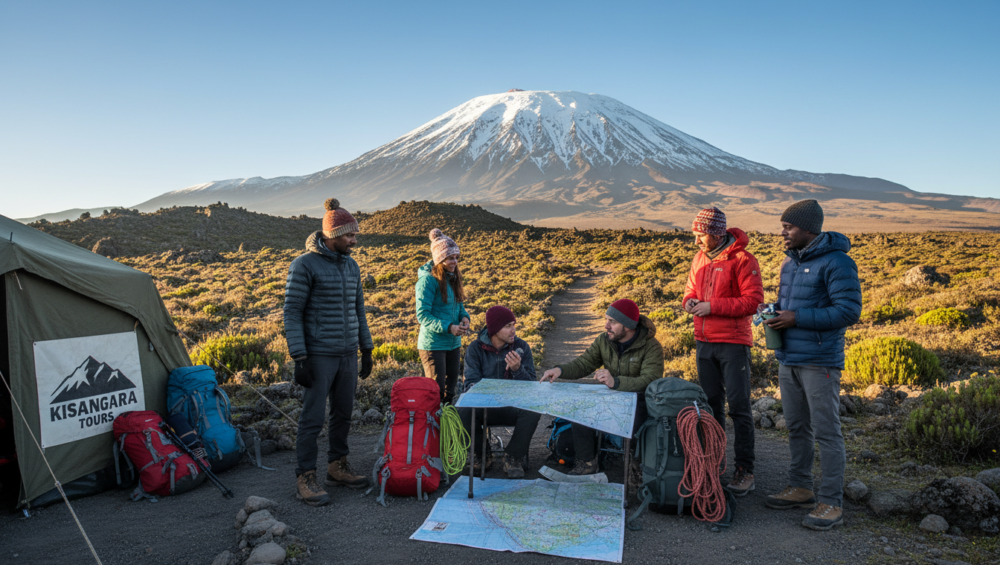
Kilimanjaro Altitude Sickness: Prevention and Treatment
We begin this journey into understanding one of the most formidable challenges facing those who answer the call of the great peak. The invisible adversary known as altitude sickness humbles even the strongest climbers. It teaches us that the true test lies not in physical strength, but in our body’s ability to adapt to the thinning air of extreme elevations.

Standing at 19,340 feet, Mount Kilimanjaro pierces into what mountain medicine defines as extreme altitude. The atmospheric pressure drops so dramatically that each breath delivers only half the oxygen molecules available at sea level. This transforms the simple act of breathing into a conscious effort that demands respect.
This guide emerges from our years of walking these sacred slopes, witnessing both triumph and struggle. It represents our commitment as guardians of this land to share the wisdom necessary for you to climb safely. We aim to transform what could be a dangerous encounter into a journey of profound personal discovery.
We approach this challenge not as an inevitable defeat, but as one that can be anticipated and managed. Through informed preparation and proper acclimatization, you can learn the respectful patience that the mountain itself teaches to all who listen.
Key Takeaways
- The summit of Kilimanjaro presents a significant challenge due to the low oxygen levels at high elevation.
- Understanding how your body reacts to less oxygen is the first step in a safe ascent.
- Proper preparation and a slow, steady pace are your greatest allies on the mountain.
- This condition is a physiological response, not a reflection of your fitness or willpower.
- Knowledge and respect for the environment are the foundations of a successful and transformative climb.
Understanding Altitude Sickness on Kilimanjaro
Beneath the vast African sky, a silent conversation begins between your body and the thinning air. This dialogue determines whether your climb becomes a struggle or a graceful ascent.
What is Altitude Sickness?
Acute Mountain Sickness represents your body’s protest against an environment where each breath delivers insufficient oxygen. It occurs when you ascend too rapidly to elevations above 4,900 feet.
This condition humbles even the fittest athletes. The mountain cares not for your training regimen, only for your unique physiological adaptability.
How High Altitude Affects Your Body
At extreme elevations, atmospheric pressure drops dramatically. Though oxygen remains 21% of the air, fewer gas molecules exist in each inhalation.
Your lungs cannot extract the same volume of oxygen they would at sea level. Your body enters emergency mode: breathing quickens, heart rate accelerates, and blood chemistry begins transforming.
| Altitude Category | Elevation Range | Physiological Impact | Common Symptoms |
|---|---|---|---|
| High Altitude | 4,900 – 11,500 ft | AMS becomes common | Headache, fatigue |
| Very High Altitude | 11,500 – 18,000 ft | Decreased performance expected | Nausea, dizziness |
| Extreme Altitude | 18,000+ ft | Temporary function only | Severe AMS, HAPE risk |

Understanding these categories transforms the challenge from frightening unknown to manageable reality. With patience and respect for the mountain’s demands, your body can learn the rhythm of ascent.
What Causes Acute Mountain Sickness
When ambition outpaces physiology, the body sends unmistakable signals that the pace of ascent has exceeded its capacity to adapt. This condition emerges from a fundamental mismatch between what we demand and what our cells can receive.
The Role of Reduced Oxygen Levels
At higher elevations, the air itself becomes thinner. While oxygen still makes up 21% of the atmosphere, fewer gas molecules exist in each breath. Your lungs struggle to extract the same volume your body requires.
This lack of adequate oxygen triggers a cascade of physiological responses. Your breathing quickens, heart rate accelerates, and blood chemistry begins its slow transformation toward efficiency.
| Elevation Range | Oxygen Availability | Body’s Response Time |
|---|---|---|
| 8,000 – 12,000 ft | 75% of sea level | 24-48 hours |
| 12,000 – 16,000 ft | 60% of sea level | 48-72 hours |
| 16,000+ ft | 50% of sea level | 3+ days required |

Factors Impacting the Rate of Ascent
We have observed four interconnected elements that determine susceptibility. The absolute height reached matters less than how quickly you arrive there.
Physical exertion and hydration status amplify or mitigate the effects. The cruel paradox: fittest climbers often suffer most. Their efficiency allows rapid climbing without feeling strain, racing past their body’s adaptation capacity.
True wisdom lies in understanding that acclimatization cannot be rushed. Giving your physiology the gift of time transforms potential danger into manageable challenge.
Recognizing the Symptoms and Severity
On the sacred slopes, your body begins to whisper its truths through a language of sensations that demand your attention. Learning this vocabulary represents your first defense against escalating challenges.
More than 75% of people climbing above 10,000 feet will experience some form of acute mountain sickness. We share this not to alarm but to normalize the body’s expected response to elevation changes.
Mild Symptoms: Acute Mountain Sickness (AMS)
Mild symptoms often mirror an intense hangover. They include persistent headaches that pulse with each heartbeat and waves of nausea that suppress appetite.
Other common signs include profound fatigue despite minimal exertion and fitful sleep interrupted by vivid dreams. These discomforts typically worsen during nighttime hours.

Severe Symptoms and Emergency Responses
Severe conditions announce themselves through unmistakable warnings. A wet, productive cough signals fluid accumulation in lungs, known as high altitude pulmonary edema.
Confusion and loss of coordination indicate brain swelling from high altitude cerebral edema. These rare but serious conditions require immediate action.
| Symptom Category | Common Indicators | Required Response | Time Sensitivity |
|---|---|---|---|
| Mild AMS | Headache, nausea, fatigue | Rest, hydration, slowed pace | Monitor over hours |
| Severe Conditions | Chest congestion, confusion, blue lips | Immediate descent, oxygen, evacuation | Emergency: minutes matter |
| Critical Threshold | Inability to walk, gurgling breaths | Non-negotiable descent of 2,000 feet | Life-saving intervention needed |
Understanding this spectrum empowers climbers to maintain perspective. Constant communication with guides about every symptom creates the safety net that allows early intervention.
How to Prevent “altitude sickness kilimanjaro” Effectively
Long before your boots touch the volcanic soil, the wisdom of prevention begins its quiet work. We approach this challenge with a three-fold strategy that honors both modern medicine and ancient mountain wisdom.

Pre-Climb Medical Advice and Medication
Consult your physician months before your journey. Discuss prescription medications like acetazolamide that help your system adapt to reduced oxygen levels.
Your medical toolkit might include pain relievers for headaches and anti-nausea medications. Natural remedies like ginger and lavender oil can complement pharmaceutical approaches.
Remember that fitness alone cannot prevent this condition. Age and physical strength have no correlation with susceptibility.
Choosing Routes with Proper Acclimatization
Route selection represents your most crucial decision. Five-day ascents achieve only 25% summit success due to insufficient adaptation time.
We recommend eight or nine-day climbs that allow seven to eight days for reaching the summit. This gradual pace gives your body the time it needs.
Consider paths like the Lemosho route that incorporate natural acclimatization patterns. “Climb high, sleep low” profiles help your physiology adjust safely.
An acclimatization hike on nearby Mount Meru before your main climb can significantly reduce risk. This prepares your body for the extreme elevations ahead.
The Importance of Acclimatization and Controlled Ascent
The mountain teaches its most profound lesson not in strength but in patience, where the slow dance of adaptation becomes your greatest ally. This biological transformation unfolds over days, not hours, as your body learns to thrive in thinner air.

Acclimatization Strategies Prior to the Climb
True acclimatization begins before you ever set foot on the trail. Your physiology undergoes remarkable changes: breathing deepens, blood enriches with red cells, and enzymes enhance oxygen release.
We recommend spending time at moderate elevation before your climb. This jumpstarts the adaptation process, giving your system a crucial head start.
Best Practices for a Slow and Steady Ascent
The Swahili wisdom “pole pole” guides our approach. Walk so slowly that it feels deliberate, almost meditative. This controlled ascent rate allows your body to keep pace with the changing environment.
Young, fit climbers often struggle because their efficiency masks the strain. Older people frequently succeed by naturally embracing this patient rhythm. Each deliberate breath becomes a step toward the summit.
Give yourself the gift of time—typically one to three days at each new altitude. Your physiology cannot rush what nature demands unfold gradually.
Preparing for Your Climb: Fitness and Operator Selection
In the quiet weeks before your journey, a different kind of training unfolds—one that honors the mountain’s unique demands. This preparation transforms conventional fitness wisdom into something more profound and purposeful.

Physical and Mental Pre-Climb Preparation
Forget intense gym sessions. Your body needs endurance for multi-hour walks across varied terrain. Train for consecutive days of moderate-paced hiking.
Mental readiness proves equally vital. Visualize pushing through discomfort. Embrace the “pole pole” rhythm that the sacred slopes demand.
Arrive several days early to recover from travel strains. This simple step can boost your summit chances significantly. Your body deserves this gentle transition.
Selecting Experienced Guides and Trustworthy Operators
Your safety depends entirely on your guides’ expertise. We ensure all our people maintain Wilderness First Responder certification—the highest non-medical training available.
Reputable operators carry comprehensive medical kits, emergency oxygen, and pulse oximeters. These tools objectively monitor your adaptation throughout the climb.
Price differences reflect fundamental safety standards. Budget operators compromise on the very factors that determine whether your experience becomes transformative or tragic.
For climbs with guides who prioritize your wellbeing above all else, contact us at +255 755 002 886 or info@kisangaratours.com.
On-Mountain Strategies for a Safe and Enjoyable Climb
As your boots find their rhythm on the volcanic trail, a new kind of awareness must awaken within you. The mountain demands daily disciplines that transform simple acts into vital rituals.

Staying Hydrated and Managing Nutrition
Water becomes your most precious cargo. We recommend four to five liters daily—a volume that sustains circulation and eases unpleasant symptoms. Heavy breathing at high altitude accelerates dehydration dramatically.
Monitor your hydration through simple observation. Pale, odorless urine signals good health. Dark, strong-smelling output warns of dangerous lack.
Nutrition presents another challenge. Appetite vanishes when your body needs calories most. Force yourself to eat high-carbohydrate foods despite nausea. Cold weather and long day hikes burn tremendous energy.
Stay warm and dry with proper gear. This reduces physiological stress that worsens mountain sickness. Keep your day pack light—every extra kilogram demands more oxygen.
Effective Communication and Pacing with Guides
Your guides form your primary safety system. Share every sensation, no matter how minor. Over-communication prevents emergencies that under-communication creates.
When guides recommend immediate descent, trust their expertise. They distinguish between manageable discomfort and dangerous conditions. This decision comes from training, not convenience.
The descent protocol activates swiftly when needed. Guides escort climbers downward. If walking becomes impossible, our team carries people to safety. This intervention saves lives.
Understanding these strategies before your climb kilimanjaro establishes patterns that separate success from evacuation. Each deliberate breath becomes a step toward triumph.
Conclusion
At the threshold of your greatest challenge, the mountain reveals its final truth: the summit is not conquered but earned through respectful partnership with the thin air. Altitude sickness need not end your Kilimanjaro climb dreams when armed with proper prevention knowledge.
Summit day will test you like nothing before. Sleep deprivation, nausea, and oxygen-starved thinking may convince you to turn back. This psychological battle represents the mountain’s final exam.
Your success depends on choosing routes with sufficient acclimatization time and trusting your guides‘ expertise. When they recommend immediate descent, trust their training—it saves lives.
We’ve witnessed thousands of people transformed by this journey. For those ready to approach Mount Kilimanjaro with proper preparation, we offer our commitment to your safety.
Contact us at +255 755 002 886, +255 783 292 929, or email info@kisangaratours.com. Let us guide you to stand in wonder at Africa’s roof, transformed by the journey.
FAQ
What is acute mountain sickness?
Acute mountain sickness (AMS) is your body’s natural response to being at high elevation where the air contains less oxygen. It’s a condition that can affect anyone, regardless of fitness, as the body struggles to adapt to the reduced atmospheric pressure.
How does high altitude affect my body?
As you ascend, the air pressure drops, meaning each breath delivers fewer oxygen molecules to your bloodstream. Your body must work harder, increasing your heart and breathing rates to compensate. This lack of oxygen at high altitude is the primary trigger for various symptoms.
What are the common symptoms I should watch for?
Mild symptoms often include a persistent headache, dizziness, fatigue, loss of appetite, and nausea. These are signs of AMS. More severe indicators, like confusion, a persistent cough, or difficulty breathing even at rest, require immediate attention and likely descent.
How can I prevent problems during my climb?
The most effective prevention is a slow, controlled ascent that allows your body time to acclimatize. Choosing routes with built-in acclimatization days, staying well-hydrated, and communicating openly with your guides are crucial steps. Certain medications can also be discussed with a doctor before your trek.
Why is choosing the right route and operator so important?
Experienced operators design itineraries that prioritize safety through proper pacing and acclimatization. Their knowledgeable guides are trained to recognize early warning signs of mountain sickness, making them your greatest ally for a safe and successful summit attempt on Mount Kilimanjaro.
What should I do if I start feeling unwell on the mountain?
The most critical action is to communicate any symptoms to your guide immediately. Do not try to “push through.” The standard and most effective treatment for worsening symptoms is to stop ascending or to descend to a lower elevation. Your guide will assess the situation and make the safest decision.