Serengeti National Parks: Our Ultimate Guide to an Unforgettable Safari
We invite you to a land where the earth itself seems to breathe. Here, the horizon melts into a vast, open space. This is the Serengeti National Park, a sanctuary that feels more like a pilgrimage than a simple destination.

As hosts of this extraordinary wilderness, we welcome you. Our guide unveils the deep mysteries of this celebrated national park. We begin at the edge of one of the planet’s most magnificent ecosystems.
This land stretches over 14,763 square kilometers. It was established as a protected area in 1940. Later, it was named a UNESCO World Heritage Site. The name “Serengeti” comes from the Maasai language. It means “the place where the land runs on forever.”
This resource is born from decades of intimate knowledge. We blend practical advice with the poetic soul of a place that has inspired generations. Whether you seek the thunder of the Great Migration or the quiet majesty of its wildlife, we are here to guide you. Your journey will forever change your understanding of the natural world.
Key Takeaways
- The Serengeti is a vast, protected ecosystem in Tanzania, renowned for its untouched beauty and scale.
- It holds prestigious status as a UNESCO World Heritage Site, recognized for its global significance.
- The name “Serengeti” translates to “endless plains,” perfectly capturing its expansive landscape.
- This guide is crafted by local experts to provide deep, transformative insights beyond standard tourism.
- A safari here offers unparalleled opportunities to witness iconic wildlife and natural spectacles.
- The experience is designed to be a meaningful journey that connects you with ancient rhythms of nature.
Introduction to Serengeti National Parks
This sanctuary whispers secrets of a world untouched by modern haste, inviting us to listen with our souls. We welcome you to understand this world heritage site not as a destination, but as a living classroom.
Overview and Significance
The Serengeti national park forms the vibrant heart of a massive ecosystem spanning 12,000 square miles. This extraordinary area connects seamlessly with Kenya’s Maasai Mara, creating an unbroken sanctuary.
Diverse landscapes range from endless grasslands to riverine forests. Elevations climb from 3,000 to 6,000 feet. Each zone nurtures distinct communities of life.

Over 500 bird species paint the skies above virgin savanna. The national park shelters Africa’s greatest lion concentration and the world’s largest mammalian migration.
Why This Guide Is Your Ultimate Resource
We offer more than travel advice. Our guidance comes from years of intimate partnership with this land. We blend ecological wisdom with cultural understanding.
This ecosystem faces real threats from human pressures. We commit to responsible tourism that protects this treasure. Even visiting during quieter months supports conservation while offering unique perspectives.
We invite you to join conscious travelers who seek transformation. Here, you don’t conquer wilderness—you surrender to its power and return forever changed.
The History and Legacy of Serengeti National Parks
Before the first safari vehicle ever crossed these plains, a quiet revolution of conservation was unfolding. We honor the visionaries who saw beyond immediate needs to protect this treasure for generations.
Early Beginnings and Establishment
In 1930, conservationists designated 2,286 square kilometers as a game reserve. This marked the first formal protection for this extraordinary land.
A decade later, the area transformed into a national park. The journey required years of delicate negotiation with local communities.
By 1951, boundaries were finalized, cementing the park‘s protected status. In 1959, the eastern portion became the ngorongoro conservation area, balancing wildlife and human needs.

UNESCO World Heritage Recognition
The 1959 documentary “Serengeti Shall Not Die” awakened global consciousness. It transformed this ecosystem from regional treasure to worldwide icon.
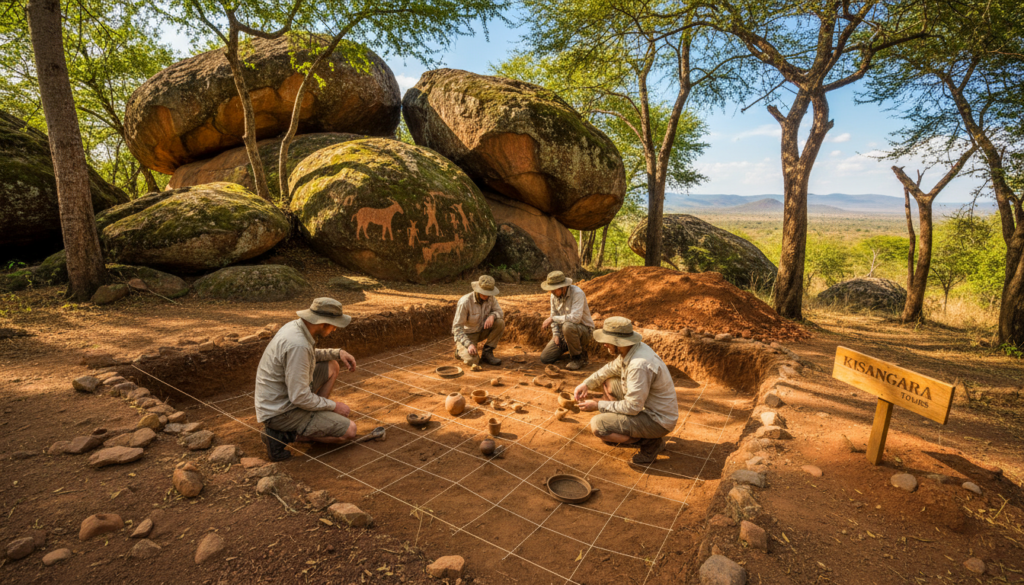
Scientific research began in 1966 with the Serengeti Research Institute. This deepened our understanding of the Great Migration’s intricate patterns.
In 1981, UNESCO designated this serengeti national park as a world heritage site. This heritage site status acknowledges that this serengeti national treasure belongs to all humanity.
Today, we inherit this rich legacy. We continue evolving our understanding of responsible stewardship for this precious world heritage.
Exploring the Diverse Landscapes of the Serengeti
The land unfolds before us in three distinct tapestries, each weaving its own story into the grand narrative of this ecosystem. We invite you to journey through these varied realms where geography shapes destiny.
The Endless Plains and Volcanic Grasslands
In the south, the legendary endless plains stretch toward infinity. These Serengeti plains feature almost treeless grassland that humbles every visitor.
Ancient volcanic ash from Kerimasi and Ol Doinyo Lengai creates nutrient-rich soils here. During calving season, these verdant grasses draw millions of wildebeest to this fertile area.

Western Corridor and Northern Serengeti Features
The Western corridor transforms the landscape dramatically. Here, the Grumeti and Mbalageti rivers carve through the land, creating ribbons of forest.
This region serves as the migration pathway from May through July. Further north, open woodlands dominate the scenery.
The Northern area stretches to the legendary Mara River. This permanent waterway represents the ultimate test for migrating herds in this vital ecosystem.
Wildlife Wonders and the Great Migration
Life here moves to a rhythm older than time itself, a pulse felt through the very soil. We welcome you to the stage where Earth’s greatest wildlife drama unfolds.
Iconic Big Five and Predators
The legendary Big Five command respect within this vast ecosystem. Africa’s largest lion population, over 3,000 strong, rules the plains.
Elusive leopard and swift cheetah complete the triumvirate of great predators. Majestic elephant herds and massive buffalo congregations add to the breathtaking variety of animals.

Over 500 birds species fill the skies, from ostriches to lovebirds. This incredible abundance makes every game drive an unforgettable encounter.
The Spectacle of the Great Migration
The Great Migration is the planet’s most awe-inspiring movement of animals. Over 1.5 million wildebeest, joined by 250,000 zebras, trace an 800-kilometer circle.
This ancient journey follows the rains across the Mara River into the Mara National Reserve. Each season brings new drama, from calving to river crossings.
We guide you to witness this world-renowned spectacle. Seeing these massive herds thunder across the plains is a truly transformative experience.
Planning Your Safari Adventure
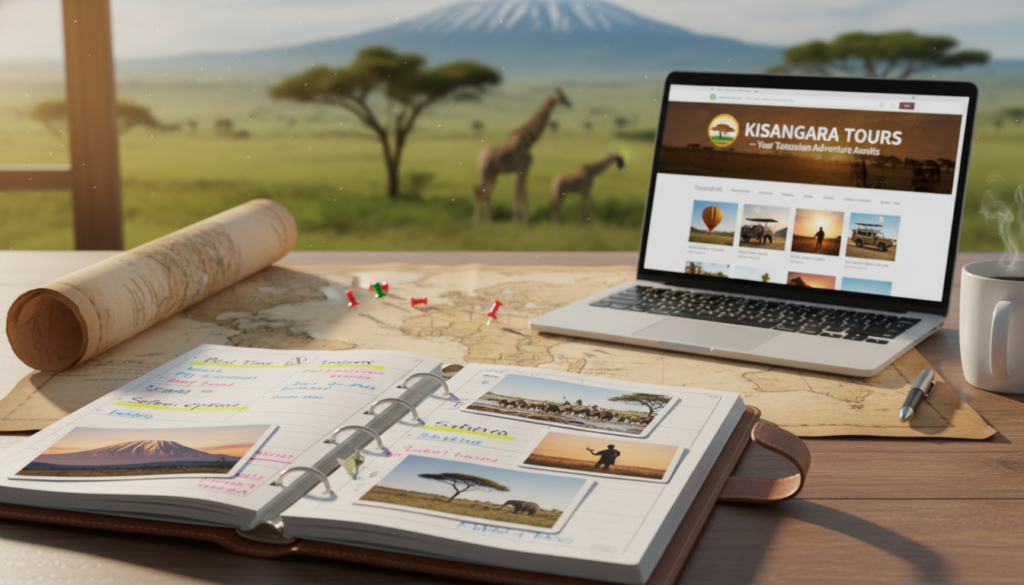
Planning your pilgrimage to this sacred ecosystem requires more than logistics—it demands an understanding of nature’s intricate calendar. We guide you through seasonal rhythms that dictate the movement of wildlife across this vast wilderness.
Travel Options and Seasonal Tips
Your journey to this renowned national park offers diverse travel paths. Fly-in safaris deliver you directly to prime wildlife viewing areas. Overland adventures allow gradual immersion into Tanzania’s breathtaking landscapes.
Timing shapes your experience profoundly. The annual migration follows ancient patterns across the Mara National Reserve boundary. Each season reveals different wonders for fortunate visitors.

| Season | Wildlife Highlights | Visitor Experience | Recommended Focus |
|---|---|---|---|
| Jan-Mar | Calving season in southern plains | Intimate predator-prey dramas | Photography & newborn animals |
| Apr-Jun | Migration moves northward | Changing landscapes & herds | Following movement patterns |
| Jul-Oct | River crossings peak | Spectacular mass gatherings | Iconic safari moments |
| Nov-Dec | Herds return south | Quieter, reflective periods | Solitude & birdwatching |
Contact Us: Give Us a Call or Email
We craft bespoke journeys aligned with your aspirations and the park‘s natural cycles. Our expertise ensures meaningful encounters beyond typical tourism.
Reach our dedicated team for personalized consultation. Call +255 755 002 886 or +255 783 292 929. Email info@kisangaratours.com or kisangaratours@gmail.com.
Together, we’ll design your transformative encounter with the Serengeti National Park‘s timeless wonders.
Experience Local Culture and Maasai Heritage
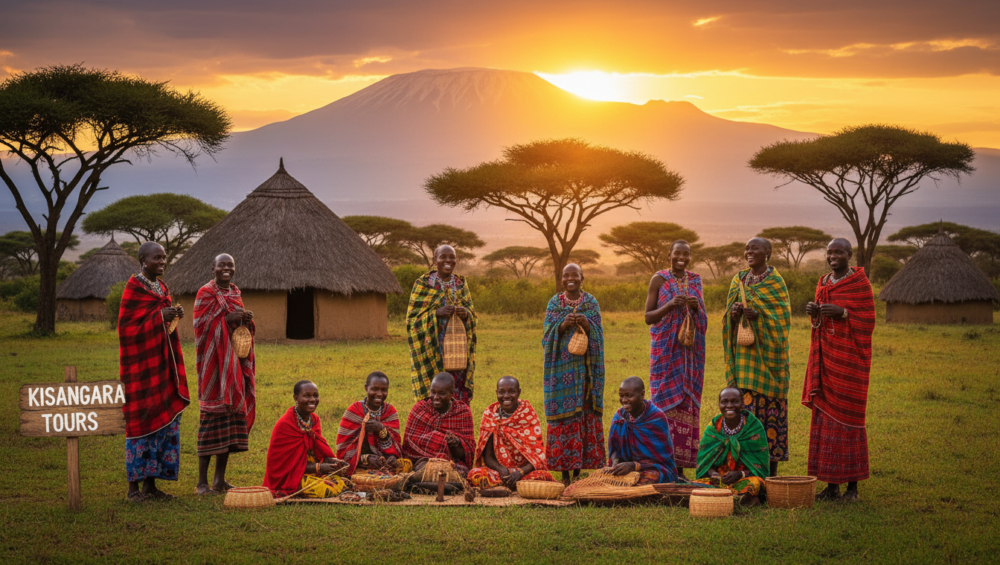
Beyond the wildlife spectacle lies a deeper story woven into the very soil—the living heritage of the Maasai people who first named this endless expanse. Their word siringet captures an essence that scientific descriptions cannot: “the place where the land runs on forever.” We honor this indigenous wisdom that predates modern conservation.
Immersion in Maasai Traditions
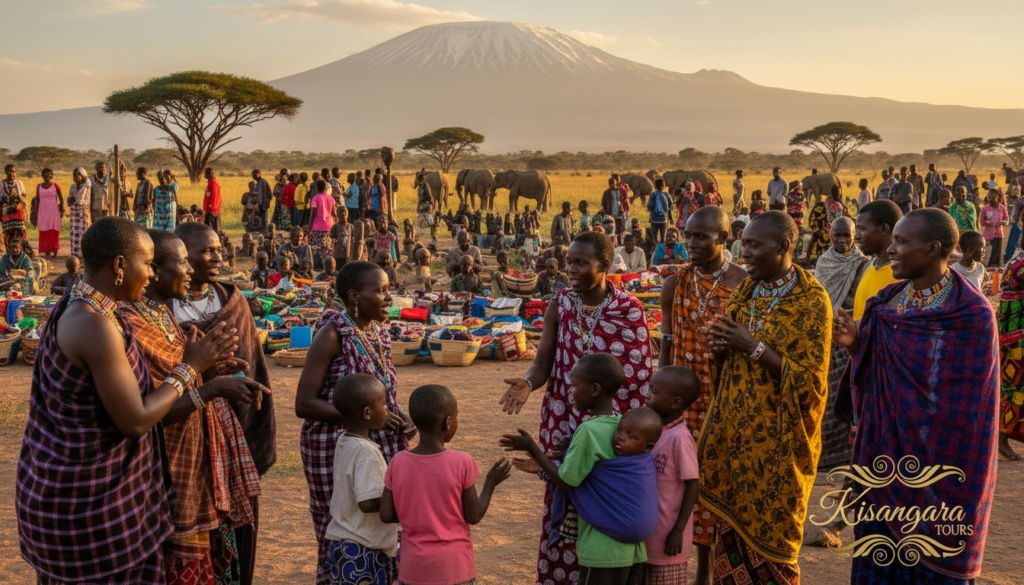
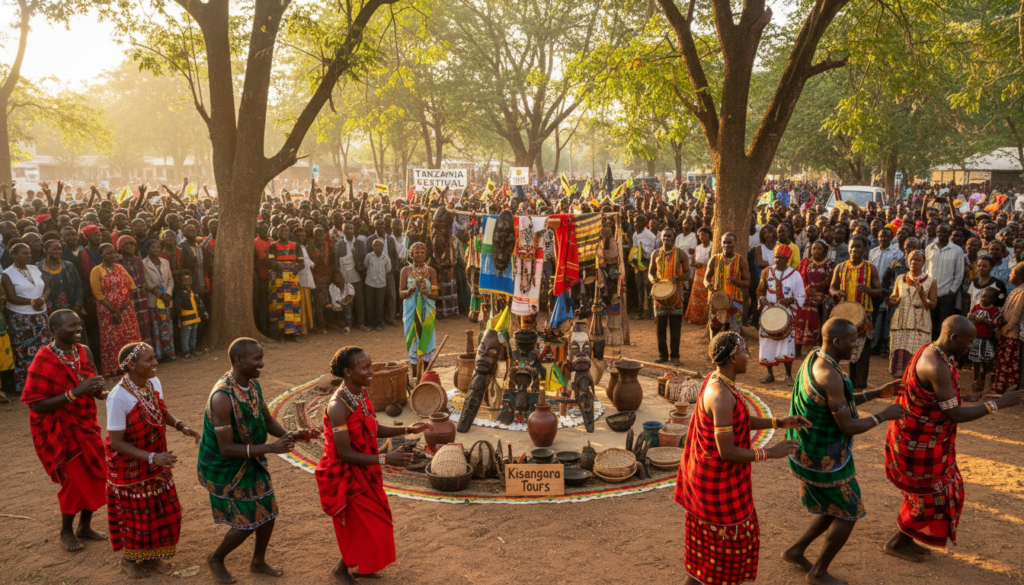
The Maasai have been guardians of this area for centuries, maintaining a delicate balance with nature. Their traditional jumping dances and vibrant beadwork tell stories of warrior courage and community values. Each pattern encodes generations of cultural knowledge.
We facilitate respectful encounters where visitors can learn pastoralist lifestyles that have sustained harmony with wildlife. This cultural immersion forms an essential part of any meaningful journey to the Serengeti National Park.

Cultural Encounters Along the Safari Routes
Lodges like &Beyond Klein’s Camp create bridges between conservation and community development. They facilitate authentic meetings with local Maasai residents, ensuring tourism benefits rather than marginalizes these cultural guardians.
The surrounding area remains home to communities maintaining traditional lifestyles. We guide these encounters with deep respect, avoiding exploitative dynamics while fostering genuine exchange. Learning Maasai perspectives on wildlife—where lions symbolize both respected adversaries and warrior courage—adds profound dimensions to safari experiences.
Through this culture immersion, visitors discover environmental knowledge refined over centuries. This wisdom complements scientific conservation, reminding us that indigenous peoples are essential partners in preservation.
Luxury Accommodation and Safari Experiences
Where wilderness meets comfort, a new kind of luxury emerges—one that honors the land rather than conquers it. We curate accommodations that become sanctuaries within the sanctuary, where the boundary between comfort and wilderness dissolves completely.

Each property we select reflects decades of understanding this delicate ecosystem. They position you perfectly for unforgettable encounters while respecting the natural rhythms of this world heritage site.
Top Camps and Lodges in the Serengeti
In the remote Northern Serengeti, &Beyond Klein’s Camp offers enchanting refuge from $1,050 per person. This quiet haven facilitates both exceptional game drives and meaningful cultural exchanges.
Central Serengeti’s Four Seasons represents safari luxury from $902 per person. Here, world-class spa treatments complement panoramic views of wildlife gathering at nearby waterholes.
One Nature Nyaruswiga creates an exclusive haven from $1,654 per person. All the park‘s splendors converge here, with animals wandering through the grounds as if the lodge were merely another part of their territory.
Exclusive Safari Packages and Special Offers
Our bespoke packages transform safari dreams into reality. We integrate accommodation, game drives, and specialized experiences like hot air balloon safaris.
These limited-time opportunities often provide the catalyst that makes transformative travel accessible. They create the difference between imagining this national park and actually standing within it at sunrise.
We continuously negotiate seasonal promotions that honor both your budget and our conservation values. Discover how luxury and responsibility can coexist beautifully in this extraordinary home to magnificent animals.
Conclusion
What began as practical guidance transforms now into something more intimate—a shared understanding that transcends maps and itineraries. We offer not just information but an invitation to one of the world‘s last great wildernesses.
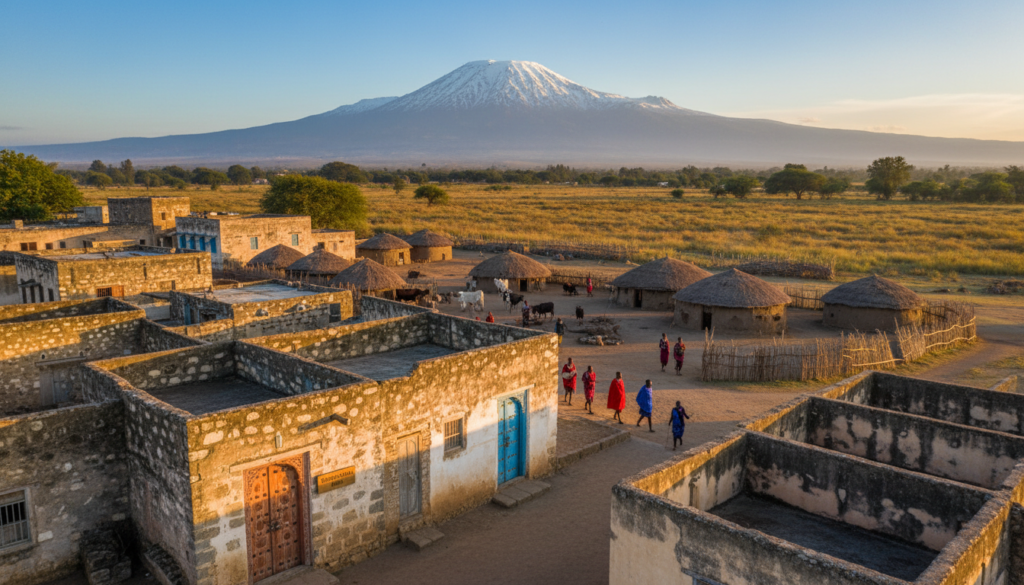
This extraordinary serengeti ecosystem forms part of a triumvirate with ngorongoro conservation area and Mount Kilimanjaro. Visitors often experience these three wonders together, witnessing how the serengeti national park and ngorongoro conservation area share migrating herds.
The Great migration, selected as one of Africa’s Seven Natural Wonders, represents the heartbeat of this ecosystem. Yet it is only one dimension of the serengeti national treasure.
Years from now, you will recall leopard encounters and thunderous hooves at dawn. These moments become lifelong gifts from this sacred place.
We have prepared you for the journey ahead, but the land itself will teach the deepest lessons. Visit with reverence and return as an ambassador for this irreplaceable wildlife sanctuary.
FAQ
When is the best time to witness the Great Migration in the Serengeti?
The river crossings in the northern Serengeti and Masai Mara National Reserve are most dramatic from July to October. However, the million wildebeest and zebras are always moving. The calving season on the southern plains from January to March offers a different, equally profound spectacle of new life.
What kind of animals can we expect to see on a game drive?
Beyond the famous herds of the migration, our home supports all of the Big Five. Lions are abundant, and you may encounter leopards, cheetah, and immense elephants. The ecosystem teems with a stunning variety of species, from towering giraffes to countless birds.
How does the landscape change across the different regions of the park?
The endless plains of the Serengeti give way to wooded hills and riverine forests in the western corridor. The north, near the Mara River, is more rugged. This diversity of land creates unique habitats for wildlife and ensures every game drive holds new wonders.
Is the Serengeti a UNESCO World Heritage Site?
Yes. The entire Serengeti National Park was declared a World Heritage Site for its unparalleled ecological significance and its role in protecting one of the last great terrestrial mammal migrations on Earth.
What should we pack for our safari adventure?
We recommend neutral-colored clothing for blending into the environment, a warm layer for cool morning game drives, sturdy shoes, high-quality binoculars, and of course, your sense of wonder. Our team provides a detailed packing list upon booking.
Are there opportunities to learn about Maasai culture during a safari?
Absolutely. We believe a journey here is incomplete without understanding its people. We can arrange authentic visits to nearby communities, offering a heartfelt glimpse into Maasai traditions and their deep, harmonious connection to this land.