Ultimate Guide to Tanzania History: Unveiling the Past
We invite you to walk with us through sacred corridors of time. The story of this land unfolds like dawn breaking over the Serengeti. It is ancient, profound, and utterly transformative.

This country holds within its red earth the echoes of humanity’s first footsteps. It is a testament to our shared origins. These origins transcend all borders and time itself.
From prehistoric landscapes to the modern nation, the narrative woven here is one of resilience. It speaks of adaptation and an enduring spirit. We stand as guardians of this precious heritage.
Through many years of change, this place has remained a living chronicle of human aspiration. We share this history tanzania not as observers, but as people whose identity is inseparable from these stories.
This guide is our commitment. We honor the past while illuminating pathways for deeper understanding. Join us in exploring the soul of a remarkable country.
Key Takeaways
- Explore the deep and transformative story of a land with ancient roots.
- Discover echoes of humanity’s earliest beginnings within this country.
- Understand a narrative defined by resilience and a powerful spirit.
- Learn from local guardians deeply connected to this heritage.
- Trace a journey through time, from ancient eras to modern achievements.
- Gain a meaningful understanding that goes beyond basic facts.
Introduction to Tanzania History
Our journey begins where humanity first opened its eyes to the world. This land holds the earliest whispers of our collective story. It is a country that cradles the dawn of consciousness.

The modern nation was born in 1964. It emerged from the union of Tanganyika and Zanzibar. This political act formalized a bond forged over countless years.
Yet, the true history of this place spans millions of years. It encompasses epochs where our ancestors took their first steps. Their footprints still echo across the vast plains of east africa.
We approach this narrative with deep reverence. Every artifact tells a story. Every tradition is a thread in an unbroken tapestry of human experience.
| Period | Significance | Lasting Legacy |
|---|---|---|
| Prehistoric Era | Cradle of mankind; earliest human fossils | Fundamental understanding of human origins |
| Pre-Colonial Era | Rise of trade networks and Swahili culture | Deep cultural connections across the region |
| 1964 Union | Formal creation of the modern state | A unified national identity from shared heritage |
This land’s essence is ancient and patient. It has witnessed kingdoms rise and fall. Through it all, its spirit has endured, profoundly meaningful.
We honor both scholarly research and living oral traditions. They together illuminate the rich tapestry of this nation’s past.
Prehistoric Tanzania: The Cradle of Mankind
We descend now into the great rift, where the earth opens its arms to reveal our deepest beginnings. This land is a sacred archive. Its layers hold the earliest chapters of our shared human story.

The heart of this narrative beats in the Olduvai Gorge. This immense canyon is more than a geological wonder. It is the very Cradle of Mankind.
Early Stone Age Discoveries at Olduvai Gorge
Louis and Mary Leakey dedicated their lives to this area. Their work revolutionized our understanding. In 1931, simple Oldowan tools were found, the oldest technology of our ancestors.
Then, in 1959, a discovery echoed around the world. Mary Leakey unearthed a skull known as Zinj. This “Nutcracker Man” was over 1.8 million years old.
The past is not dead; it is not even past. It lives in every stone, every footprint we uncover.
Significance of Oldowan Tools and Fossil Evidence
These simple tools mark a pivotal moment. They show when early people first shaped their world. It was a spark of ingenuity that would change everything.
Nearby at Laetoli, another miracle was preserved. Footprints, left 3.6 million years ago, are frozen in volcanic ash. They capture a family walking together across time.
| Discovery | Year | Significance | Estimated Age |
|---|---|---|---|
| Oldowan Tools | 1931 | Earliest evidence of human technology | 2.6 million years ago |
| Zinj Skull (Paranthropus boisei) | 1959 | Revolutionized understanding of early hominids | 1.8 million years |
| Laetoli Footprints | 1978 | Oldest known hominid footprints; proof of upright walking | 3.6 million years |
This evidence connects us directly to our origins. The Olduvai Gorge is not just a site. It is our collective home, a place where history breathes.
Middle Stone Age and Pastoral Neolithic Transitions
Moving beyond the dawn of mankind, we encounter the first stirrings of modern human thought. This era reveals our ancestors’ awakening to symbolic expression and complex social bonds.
Archaeological Sequences from Mumba Cave
Mumba Cave in the northern area preserves a continuous record of human development. Its layers capture a pivotal time when modern consciousness emerged.
Approximately 10,000 years ago, hunter-gatherer communities moved through this region. These people lived in deep harmony with the land’s natural rhythms.

Between 4,000 to 3,000 years ago, pastoralists arrived from the north. They brought cattle, sheep, and goats that transformed human-land relationships.
| Period | Lifestyle | Cultural Impact |
|---|---|---|
| Middle Stone Age | Emergence of modern human behavior | First symbolic thought and complex tools |
| Later Stone Age | Hunter-gatherer communities | Intimate knowledge of local environments |
| Pastoral Neolithic | Animal domestication | Transformation of landscape relationships |
These transitions reveal humanity’s enduring capacity for adaptation. Each generation built upon the wisdom of those who came before.
We see in this history not sudden breaks but gradual evolution. The archaeological record shows waves of change rather than sharp replacements.
Iron Age Innovations and Tribal Migrations
We trace the paths of ancestors who brought the spark of iron and new ways of living to this cherished region. Around two thousand years ago, great movements began that would forever transform the land.
Bantu Expansion and Indigenous Adaptations
Bantu-speaking people arrived from western Africa carrying revolutionary knowledge. They brought ironworking skills and advanced agricultural techniques that reshaped the entire area.

These migrants arrived as settlers, not conquerors. They gradually integrated with existing communities through intermarriage and cultural exchange.
The introduction of iron tools marked a turning point in human development. Family groups could now cultivate land more efficiently and clear previously inaccessible territories.
Engaruka in the Great Rift Valley stands as testament to their engineering brilliance. Its sophisticated irrigation systems reveal deep understanding of sustainable land management.
Later, Nilotic pastoralists continued arriving through the eighteenth century. Their presence added further richness to the cultural tapestry of this nation.
These migrations established foundations that endure to this day. They created the ethnic diversity that defines the character of this remarkable land.
Early Coastal Trade and the Rise of Swahili Culture
Monsoon winds carried more than rain to this coastline; they brought the seeds of a vibrant new civilization. Since the first millennium CE, merchants from the Persian Gulf and Western India discovered these shores. They were drawn by the reliable winds and the promise of exotic goods.
Persian and Arab Influences on the East African Coast
Around 750 AD, entire families relocated to the pleasant palm-fringed climes of the East African coast. These were not conquerors but settlers seeking new beginnings. They brought their traditions and integrated peacefully with local communities.

Emergence of Swahili Urban Centers
Archaeological evidence reveals that Swahili towns arose from indigenous African roots. These were African centers built by African people conducting African commerce. The language spoken here, Swahili, emerged from Bantu foundations while incorporating foreign vocabulary.
| Trade Good | Origin | Destination | Cultural Impact |
|---|---|---|---|
| Ivory & Gold | African Interior | Indian Ocean World | Wealth accumulation in coastal cities |
| Textiles & Porcelain | Persia & China | East African Markets | New artistic influences and luxury goods |
| Glass Beads | India & Middle East | Local Communities | Status symbols and trade currency |
| Islamic Knowledge | Arab World | Coastal Settlements | Religious and educational transformation |
By the second millennium CE, thriving trade connected interior communities with partners across the Indian Ocean. This exchange created the unique Swahili culture that remains central to coastal identity today.
Medieval East African Trade and the Kilwa Sultanate
The Indian Ocean’s monsoon winds whispered secrets of wealth, guiding ships to an island jewel that would define an era. For three centuries, a golden age flourished, a chapter in our shared history where commerce and culture reached a brilliant peak.

From roughly 1200 to 1500 CE, the island city of Kilwa on the southern coast emerged as the crown of this civilization. It presided over a network of trade that stretched across the known world.
Formation of Trading Empires and Marketplaces
In the early 14th century, the renowned traveler Ibn Battuta walked its streets. He declared Kilwa one of the world’s finest cities, a testament to its cosmopolitan splendor.
The city’s power came from its strategic position. It became the essential transfer point for gold flowing from deep inland. This precious metal fueled an unprecedented level of Indian Ocean trade.
East african traders exported ivory, mangrove poles, and rare luxuries to Persia, India, and China. In return, they received silks, porcelain, and new ideas. This exchange created immense wealth along the coast.
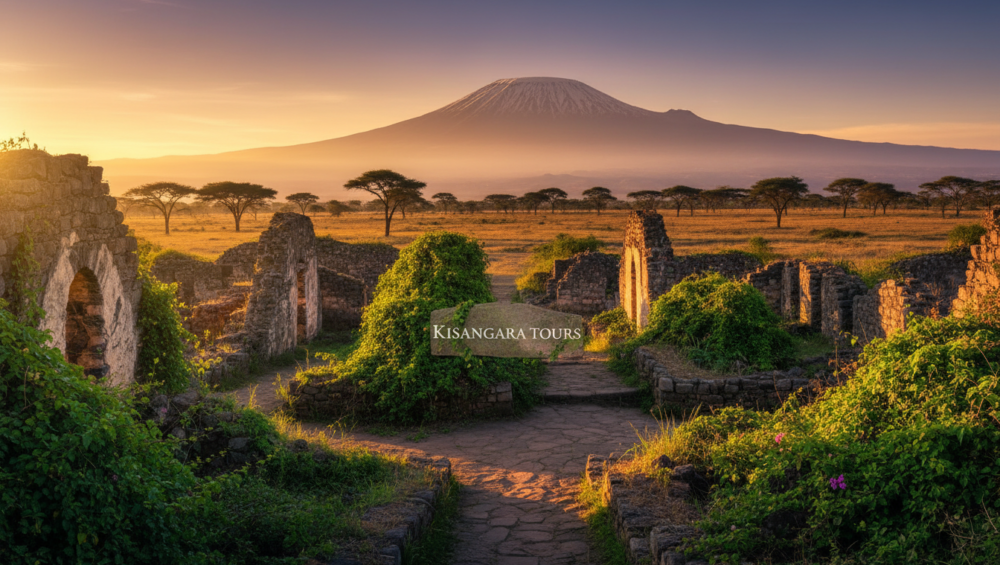
We see this wealth in the magnificent stone architecture that still stands. Great mosques and palaces were adorned with imported Chinese porcelain. These were not simple outposts but sophisticated, urban centers fully engaged in global networks.
The patterns of connection forged during this century-spanning east african trade empire shaped the region’s economic geography for generations to come.
Colonial Tanzania: German East Africa
A shadow fell across the land in 1884, when foreign ambitions first touched these shores. Karl Peters arrived with his Society for German Colonization, securing treaties from chiefs who often misunderstood the documents they signed. This marked a devastating rupture in our autonomous development.

Prince Otto von Bismarck’s government granted imperial protection to the German East Africa Company in 1885. This transformed private ventures into official colonial administration. The transition brought systematic exploitation to our region.
Administrative Control and Local Resistance
The Germans established brutal direct rule in german east africa. Administrators controlled every aspect of the colony’s government. A governor stood at the apex, creating decrees and commanding military forces.
District officers wielded absolute power over local populations. This system dismantled indigenous governance structures that had maintained order for centuries. Foreign administrators showed contempt for local traditions and authority.
The Impact of the Heligoland-Zanzibar Treaty
In 1890, Britain and Germany signed the Heligoland-Zanzibar Treaty. This formalized the partition of our country. Britain took Zanzibar and the coast, while Germany claimed the vast mainland territory.
European powers traded African lands like chess pieces. They treated entire nations as property to be bartered. The treaty’s consequences would echo through generations across the continent.
We acknowledge this painful chapter to honor those who endured. They maintained cultural integrity despite systematic attempts to erase both. Their resilience shaped the future of this remarkable land.
Maji Maji Rebellion and African Resistance
In the sweltering heat of July 1905, a spiritual awakening ignited the most profound resistance against colonial control. The Matumbi of Nandete, led by Kinjikitile Ngwale, revolted against the oppressive system that had stolen their freedom and dignity.
Kinjikitile emerged as a powerful spirit medium, administering sacred water he called maji. He proclaimed this water would turn German bullets to liquid, creating a powerful spiritual bond among diverse communities. This belief temporarily united southern tribes who had historically been rivals.

The German government responded with merciless brutality. They implemented scorched earth tactics, destroying villages and food stores to create deliberate famine. This cruel strategy killed far more people than actual combat.
The maji maji uprising was fueled by both economic exploitation and cultural assault. Missionaries actively destroyed mahoka huts where communities worshiped ancestral spirits. They attempted to erase indigenous beliefs that gave meaning to daily life.
The Ngoni people bore the heaviest burden of this conflict. They suffered devastating losses yet maintained extraordinary courage throughout the struggle. Their refusal to surrender dignity became a testament to human spirit.
We remember the maji maji rebellion not as failure but as sacred sacrifice. Our ancestors chose death over submission, declaring that freedom and cultural integrity are worth any price. This resistance planted seeds for future independence movements.
The legacy of maji maji endures as a powerful lesson in unity against oppression. It demonstrated that African communities would never accept foreign domination as permanent or inevitable.
World War I and Its Lasting Impact
A distant European storm reached our shores in 1914, bringing a conflict that would reshape our land forever. This world war transformed our peaceful region into an unwilling battlefield.
General Paul von Lettow-Vorbeck commanded german east forces with remarkable skill. His African Askari soldiers repelled a much larger British force at the Battle of Tanga in November 1914.

For years, this brilliant commander conducted a guerrilla campaign across east africa. Cut off from Germany, his forces lived off the land and raided enemy supplies.
The war‘s devastation extended far beyond combat. Scorched earth policies destroyed villages and crops. Forced requisitions created widespread famine among our people.
When surrender finally came in November 1918, von Lettow’s remaining force included 1,165 African Askaris and thousands of porters. They had endured unimaginable hardship in a world war that was never truly theirs.
The Treaty of Versailles stripped Germany of german east possessions. Control transferred to Britain, fundamentally reshaping east africa‘s political landscape.
We honor the African soldiers and civilians who suffered in this European war. Their sacrifices, largely forgotten by the world, remain sacred in our collective memory.
British Administration and the Formation of Tanganyika
As the dust of war settled across our land, a new colonial administration emerged from the ruins of conflict. Sir Horace Archer Byatt arrived in 1919 to lead a territory of 3.5 million souls struggling to rebuild. This marked the beginning of British control over our war-weary country.
In January 1920, the colony received its enduring name: Tanganyika Territory. This designation created a distinct political identity separate from Zanzibar. It established boundaries that would shape mainland tanzania for the coming century.
Sir Donald Cameron became governor in 1925, introducing indirect rule through local authorities. His approach differed from German direct control, sometimes empowering traditional leaders but often creating confusion. The legislative council formed in 1926 excluded African representation, reflecting racial hierarchies in colonial government.
British economic policy prioritized cash crops like cotton and coffee over food security. This transformed agricultural patterns, making our country dependent on global markets. Meanwhile, education suffered dramatically under the new government.
The 1924 Phelps-Stokes Commission noted that German educational achievements had been “marvelous.” Yet by 1920, the Education Department had just one officer and two clerks. Their budget represented merely 1% of national revenue.
The British developed dar es salaam as their administrative capital on the coast. Meaning “Haven of Peace,” this city grew into the political and economic center of mainland tanzania. The infrastructure and systems established during this period would profoundly influence the nation that emerged decades later.
This era of British administration created both challenges and foundations. The structures implanted in dar es salaam would shape the independent nation that eventually rose from colonial rule.
The Struggle for Independence
From the quiet determination of local gatherings emerged a movement that would reshape our nation’s destiny forever. The longing for self-rule grew from deep within our collective spirit, a fire that colonial authority could not extinguish.
Julius Nyerere and the Tanzanian African National Union
In 1953, Julius Nyerere became president of the Tanganyika African Association. His leadership brought intellectual depth to the independence movement. The following year, this organization transformed into the Tanganyika African National Union.
This African National Union adopted “Uhuru Na Umoja” as its rallying cry. The words “Freedom and Unity” echoed across our land. They expressed the deepest aspirations of our people.
The national union participated in colonial elections in 1958 and 1959. These early contests exposed deep injustice. Two-thirds of legislative seats were reserved for non-Africans in a country where Africans formed the overwhelming majority.
When these restrictions lifted in 1960, the African National Union won nearly all seats. The victory demonstrated overwhelming popular support for independence. British control became politically untenable.
On December 9, 1961, independence arrived with Julius Nyerere as prime minister. Exactly one year later, our nation became a republic with Nyerere as president. He would guide our country for decades as “Mwalimu”—the teacher.
We honor this journey toward independence as a testament to our people’s unwavering spirit. The vision of Julius Nyerere and the Tanganyika African National Union created the foundation for our modern nation.
Modern Tanzania: Economic and Political Reforms
A new chapter of national transformation began with quiet footsteps into retirement. In 1985, President Ali Hassan Mwinyi inherited the immense task of reshaping our country‘s path.
His government initiated profound changes. They privatized state businesses and welcomed foreign investment to revive the economy.
A pivotal moment arrived in 1992. Our nation embraced multi-party democracy, a profound political evolution. This opened a new era of contested elections and diverse voices.
The democratic process continued with the elections of President Benjamin Mkapa in 1995 and President Jakaya Kikwete in 2005. Each leader guided the economy with a focus on growth and poverty reduction.
A landmark decision in 2001 abolished primary school fees. This act planted seeds of knowledge for countless children. School attendance surged, investing powerfully in our future.
| Period | Key Leader | Major Initiative | National Impact |
|---|---|---|---|
| 1985-1995 | Ali Hassan Mwinyi | Economic Liberalization | Shift from socialist policies to market economy |
| 1995-2005 | Benjamin Mkapa | Anti-Corruption & Infrastructure | Strengthened governance and development |
| 2005-2015 | Jakaya Kikwete | Poverty Reduction & Regional Integration | Sustained growth and increased international role |
This time of reform has brought both progress and challenge. Our economy grows, yet poverty persists. We navigate this complex journey with the enduring spirit forged since independence.
We honor this ongoing story of resilience. It is a testament to our people’s unwavering hope for a brighter future, built upon the foundation of hard-won independence.
tanzania history: Key Events Across the Century
A century of profound change began with foreign flags flying over our soil, but would end with our own banner waving proudly. The twentieth century marked our most transformative journey as a people.
From German colonial rule through British administration, each phase left deep marks on our political landscape. The Maji Maji Rebellion established powerful traditions of resistance that would echo through the years.
The formation of TANU in 1954 ignited the independence movement that would reshape our destiny. When freedom finally arrived in 1961, it marked not an end but a beginning.
Julius Nyerere’s leadership during these crucial years profoundly shaped our national identity. His vision promoted unity through Swahili language and cultural values emphasizing community.
Economic reforms beginning in the 1980s marked another crucial transition for our country. We moved toward market economics while maintaining our commitment to national unity.
Throughout this century of change, we maintained remarkable ethnic peace. This enduring harmony stands as testament to policies promoting tolerance and shared identity.
Understanding this past is essential for navigating our present. Each generation builds upon the wisdom of those who came before, continuing our journey toward justice and dignity.
Cultural Heritage, Oral Traditions, and Archaeological Sites
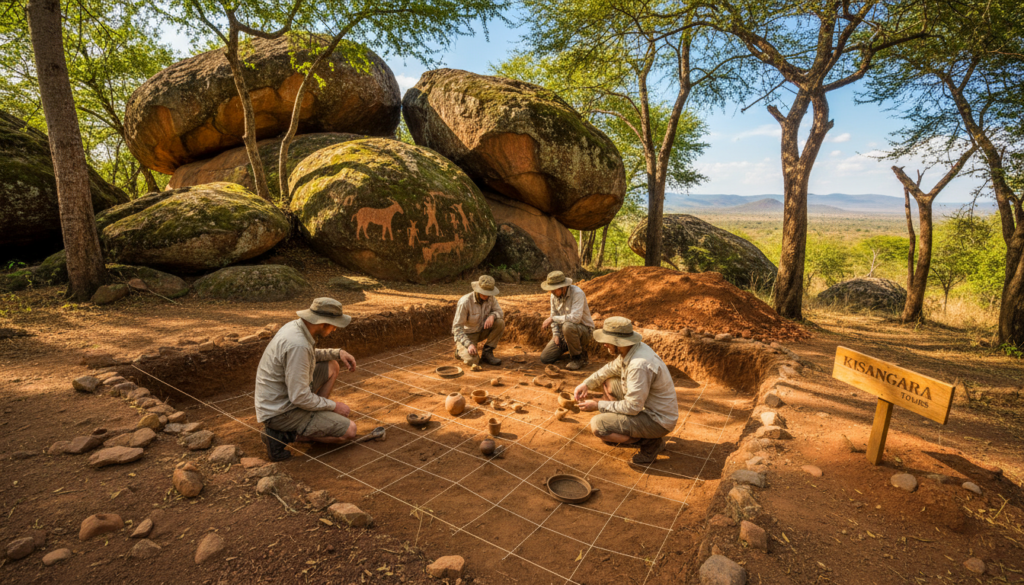
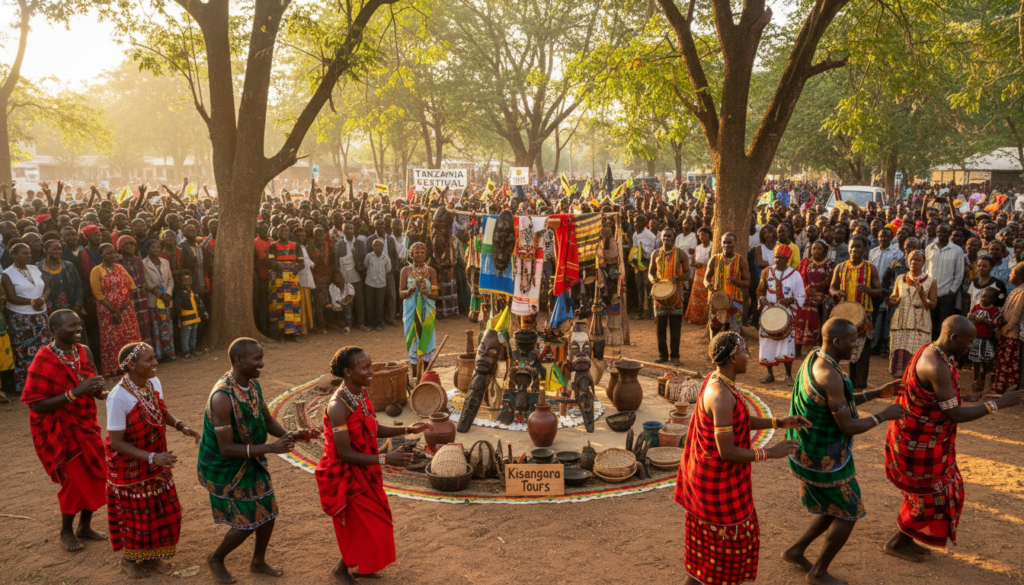
Upon ancient stone canvases, our ancestors painted the poetry of their existence. These vibrant testaments reveal lives lived in harmony with the land.
Preservation of Rock Art and Indigenous Storytelling
Over a thousand rock art sites grace this cherished region. They form ancient galleries where painters captured their world thousands of years ago.
The finest examples at Kondoa and other sites display remarkable artistry. They depict hunting scenes and spiritual ceremonies with sophisticated skill.
For centuries, oral traditions preserved historical knowledge. Elders served as living libraries, passing stories through generations.
These indigenous storytelling traditions connect contemporary people to ancestors across vast stretches of time. They maintain cultural continuity despite modern challenges.
Archaeological sites throughout the land provide physical evidence. They complement oral histories, creating a complete understanding of how people lived.
Preservation faces constant challenges from exposure and development. The elders who hold traditions grow fewer as younger generations pursue new opportunities.
We recognize cultural heritage as a living connection to identity. When we lose these stories, we lose irreplaceable parts of our collective human inheritance.
Many attractions today derive significance from this rich history. Preservation becomes both cultural responsibility and economic imperative for sustainable development.
Tourism, Natural Wonders, and Historical Preservation
Beyond the chronicles of empires and resistance lies a living landscape where history breathes through every acacia tree and coral stone. Tourism in our country represents more than economic opportunity. It is an invitation to meaningful connection.
Our national parks protect ecosystems that have existed since our earliest ancestors walked these plains. Visitors encounter lions, leopards, and giraffes in their ancient home.
Historical sites provide tangible connections to the past. From Olduvai Gorge to Kilwa’s ruins, people can stand where our story unfolded.
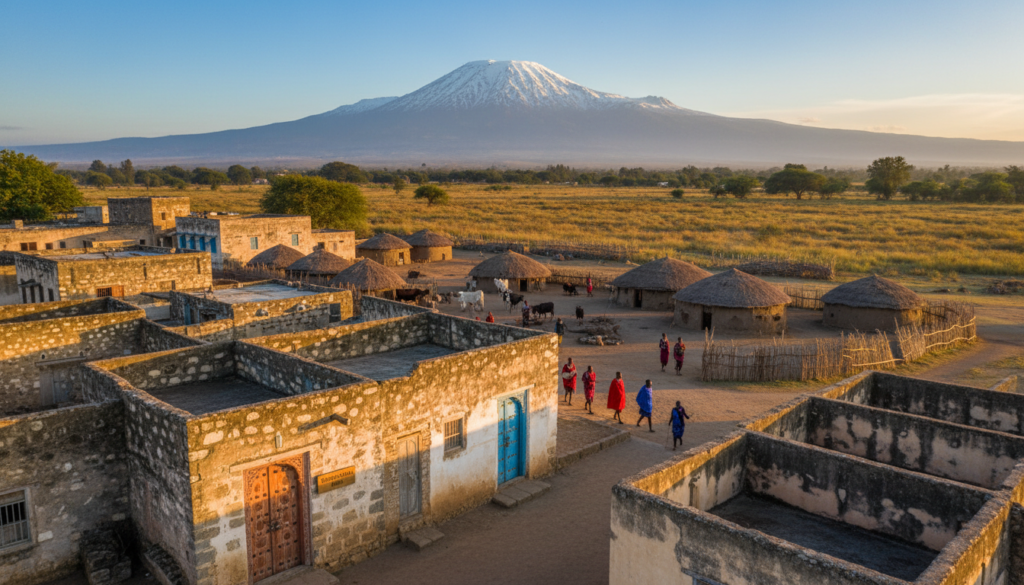
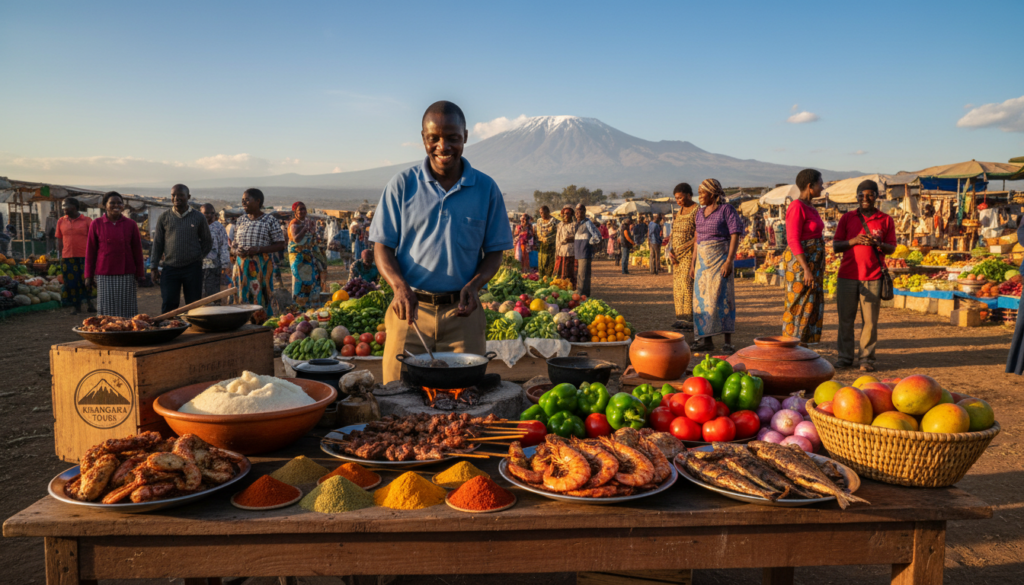
The coast and islands like Zanzibar blend natural beauty with layered history. Every stone building in Stone Town tells a story of trade and cultural fusion.
Dar es Salaam serves as the primary gateway. This bustling metropolis embodies modern Tanzania while remembering its past as a fishing village.
We approach tourism not as extraction but as a reverent invitation. We welcome travelers who value conservation and genuine understanding.
- Serengeti & Ngorongoro: Vast plains and crater ecosystems teeming with wildlife.
- Swahili Coast: A vibrant region where ancient maritime traditions continue.
- Island Sanctuaries: Zanzibar and Mafia offer spice-scented air and coral reefs.
While agriculture and minerals drive our economy, tourism offers broad-based prosperity. It benefits rural communities and incentivizes preservation.
Discover the soul of this remarkable country by exploring our diverse destinations. The greatest treasures are experienced through open hearts.
Dar es Salaam welcomes you to begin a journey of transformation. We are guardians of this heritage, ready to share it with you.
Get in Touch: Contact Us for More Information
We stand ready to transform your questions into meaningful encounters with our homeland. Your journey toward deeper understanding begins with a simple conversation.
We invite you beyond surface tourism into the soul of this remarkable country. Our team combines professional expertise with genuine passion for sharing our heritage.
The most profound journeys begin not with packing, but with a question whispered to those who know the way.
Whether you dream of standing where humanity began or exploring living cultures, we design experiences aligned with your values. Each journey honors the past while supporting sustainable futures.
Call: +255 755 002 886 | +255 783 292 929
Reach us by phone to discuss your vision for meaningful travel. We create memories that resonate long after you return home.
Email: info@kisangaratours.com | kisangaratours@gmail.com
Email us with questions or ideas about encountering this land’s soul. We facilitate transformative experiences that respect both people and place.
| Experience Type | Key Focus | Unique Value |
|---|---|---|
| Archaeological Discovery | Human origins and ancient sites | Walking with ancestral footprints |
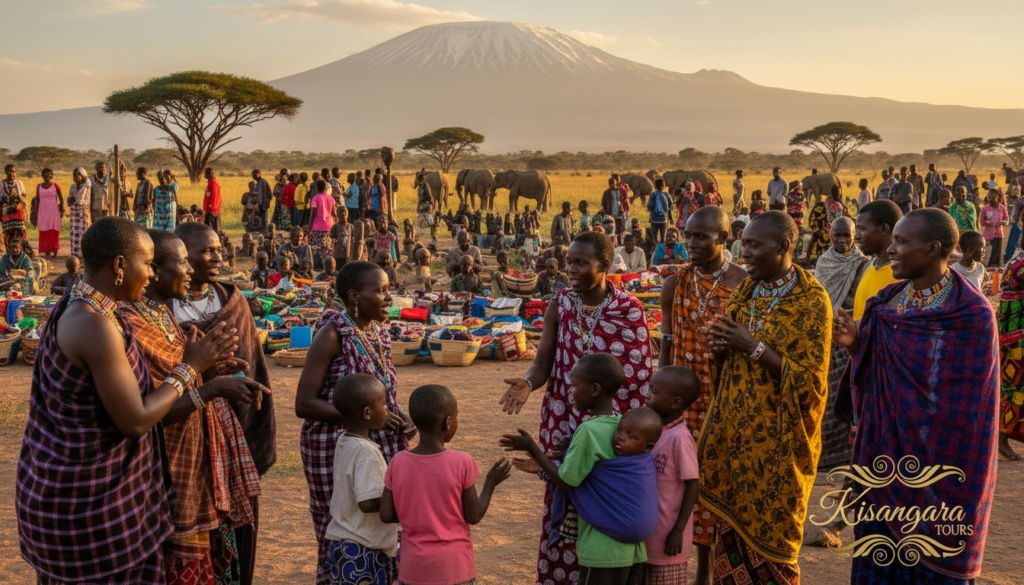
| Cultural Immersion | Living traditions and communities | Authentic exchange beyond performance |
| Ecological Pilgrimage | Wildlife and conservation | Seeing landscapes as sacred geography |
Based in dar salaam, we maintain deep connections throughout the land. We partner with local guides and conservation initiatives to ensure tourism benefits those protecting these traditions.
Contact us to begin planning not just a trip, but a journey of discovery and connection. We await the privilege of sharing our homeland’s extraordinary heritage.
Conclusion
Our shared journey through tanzania history reveals a profound truth. This land holds the entire human story, spanning millions of years.
This country is a living archive. Its landscapes preserve ancient wisdom accumulated over centuries.
Understanding this past transforms our present. The resilience of our people across time is our greatest inheritance.
We invite you to experience this legacy firsthand. Come walk where our story began and feel its enduring spirit.
FAQ
Why is Olduvai Gorge considered so significant in human history?
Olduvai Gorge is often called the Cradle of Mankind. It is where our ancestors left the earliest footprints and crafted the first stone tools, offering us a profound window into the dawn of humanity millions of years ago.
How did the Swahili culture emerge along the East African coast?
The Swahili culture blossomed from a beautiful fusion. For centuries, African communities welcomed Persian and Arab traders, creating a unique coastal identity defined by its language, architecture, and vibrant urban centers like Kilwa.
What was the Maji Maji Rebellion, and what was its outcome?
The Maji Maji Rebellion was a powerful, unified stand against German colonial control. Though ultimately suppressed, this courageous resistance became a enduring symbol of the fight for freedom and deeply influenced the later movement for independence.
Who was Julius Nyerere, and what was his role in the nation’s story?
Mwalimu Julius Nyerere was the visionary teacher and first prime minister who led the peaceful struggle for sovereignty through the Tanganyika African National Union. He is revered as the father of the nation, guiding its early path with his philosophy of Ujamaa, or familyhood.
How did World War I reshape the territory of German East Africa?
The Great War brought fierce battles to East Africa. Following Germany’s defeat, the League of Nations granted Britain a mandate to administer the mainland, which was renamed Tanganyika, setting the stage for a new chapter in governance.
What are some key historical sites a visitor can explore today?
Beyond the legendary Olduvai Gorge, you can walk through the ruins of ancient Swahili city-states on Kilwa Island, discover rock art shelters, and feel the spirit of resilience in places central to the independence movement, connecting you directly to the layers of our past.