Unveiling Tanzania Culture: Ultimate Guide for Thoughtful Travelers
We invite you to step beyond ordinary tourism. Enter the living heartbeat of a nation where heritage breathes through every landscape. Every greeting carries ancient wisdom. Every sunset over the Serengeti tells a story.
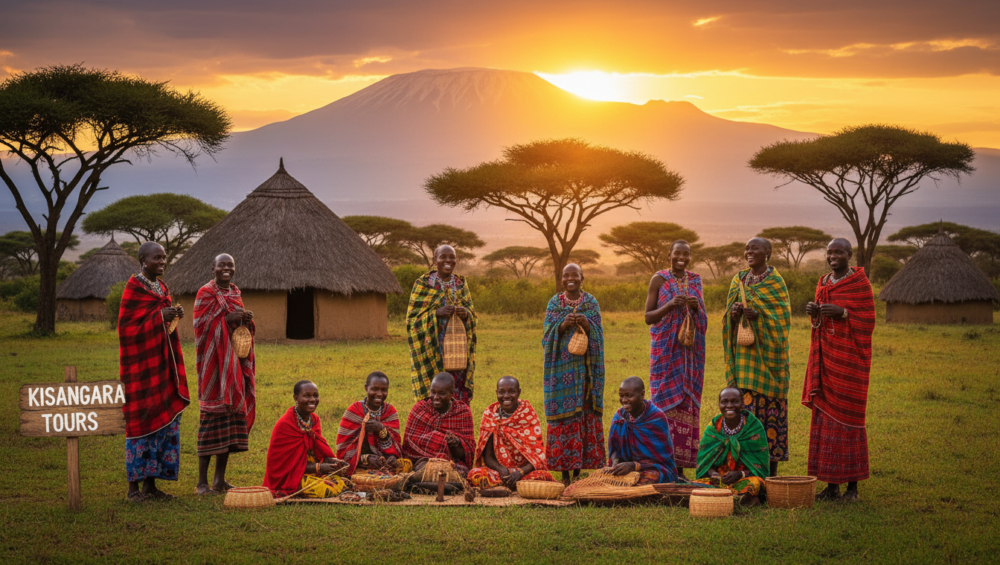
This is not a museum exhibit frozen in time. It is the warm handshake that lingers. The rhythmic pulse of music echoing through city streets. The intricate beadwork adorning an elder’s neck speaks volumes.
Our homeland, with over 120 ethnic groups, offers travelers a rare gift. You witness diversity as harmonious symphony, not division. We serve as your compass through this cultural mosaic.
We share knowledge as guardians of this extraordinary place. We honor both whispered stories of ancestors and vibrant voices of today. Your journey into authentic transformation begins here.
Key Takeaways
- Move beyond typical tourism to experience living heritage
- Discover a nation where ancient wisdom meets modern expression
- Explore over 120 ethnic groups creating cultural harmony
- Learn from local guardians passionate about preservation
- Experience authentic connections through traditions and art
- Understand the sacred bond between people and land
- Begin a journey of meaningful transformation
Introduction to Tanzania’s Rich Heritage
Our story begins with a deliberate choice: to weave many voices into one national song. Following independence, visionary leadership crafted a shared identity that transcends tribal boundaries. This philosophy continues to shape the soul of our country today.
Historical Foundations and National Identity
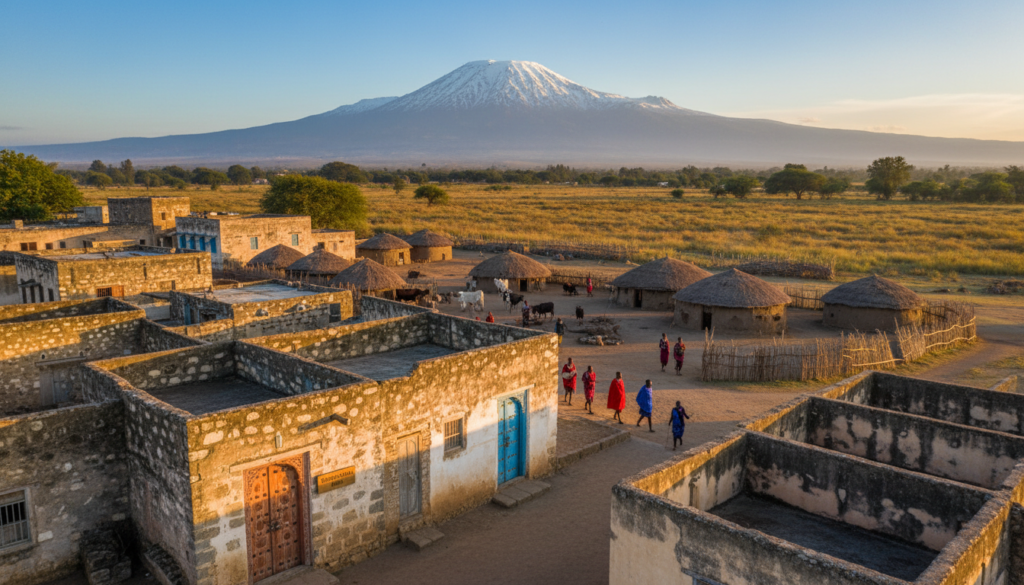
The historical arc of this land stretches across centuries. Ancient trade routes along the East Africa coast saw Arab merchants and Bantu peoples create cultural exchanges. These interactions birthed the Swahili civilization that still dominates coastal areas.
Stone Town in Zanzibar stands as a living monument to this history. Its coral architecture whispers tales of sultans and spice traders who shaped this region. Meanwhile, Dar es Salaam represents the modern pulse of national life.
Religious coexistence reflects our fundamental unity. Christian and Muslim communities share neighborhoods and markets peacefully. This harmony demonstrates how people can choose collective identity over division.
Time has layered meaning upon this land—from archaeological treasures spanning millions of years to independence struggles measured in decades. The foundation of our heritage rests in consciously weaving over 120 ethnic groups into one vibrant tapestry.
Exploring Tanzania Culture: History, Languages, and Traditions
The true music of our nation reveals itself not in melodies alone, but in the symphony of voices that shape our identity. Our linguistic landscape tells a profound story of unity woven from diversity.
Unifying Ethnic Diversity
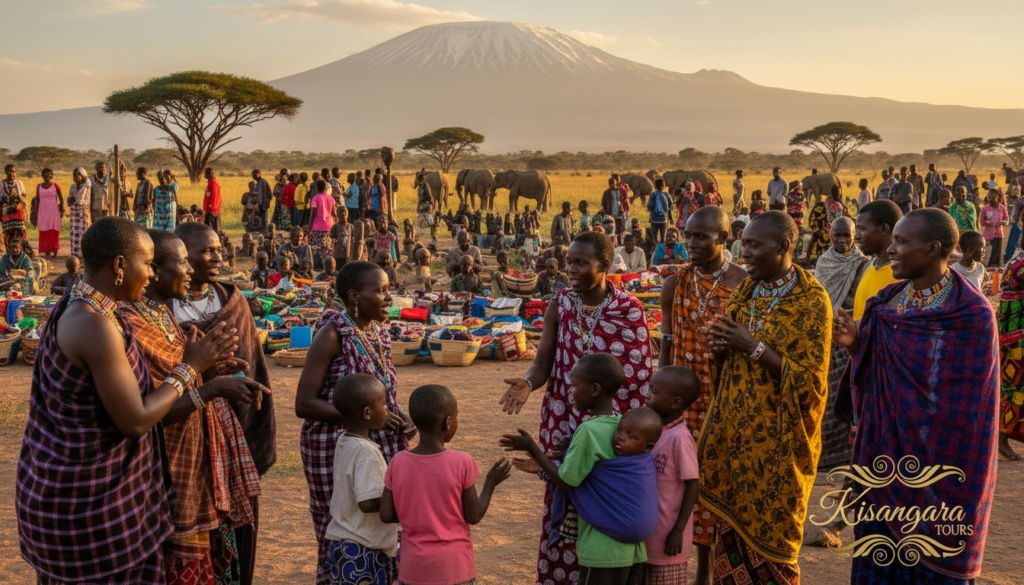
Across our country, 126 distinct East African languages create a rich tapestry of expression. Each tongue carries ancestral wisdom about this land’s seasons and spirits.
Most people here navigate multiple linguistic worlds daily. They speak their ethnic language at home, Swahili in public spaces, and often English for broader connections.
The Role of Swahili and English in Nation Building
After independence, we made a conscious choice: elevate an indigenous language as our national unifier. Swahili became the bridge across ethnic divides.
English maintains its place in higher education, a practical decision from our history. Translating advanced academic materials proved challenging in those early years.
This dual-language approach reflects both triumph and compromise. While Swahili builds national identity, English’s presence acknowledges colonial legacies not fully transcended.
When you journey here, you’ll witness this linguistic dance everywhere. Learning even basic Swahili phrases opens doors to genuine connection that English alone cannot provide.
Experiencing Tanzania’s Natural Wonders and Archaeological Treasures
Across remote landscapes, archaeological treasures reveal how generations understood their relationship with the natural world. These sites form living libraries where stone speaks ancestral wisdom.
Olduvai Gorge and Tendaguru Excavations
Olduvai Gorge whispers stories from millions of years past. This cradle of humanity reveals our deepest origins. Nearby, Tendaguru’s dinosaur fossils complete the ancient narrative.
Rock Art Discoveries and Conservation Efforts
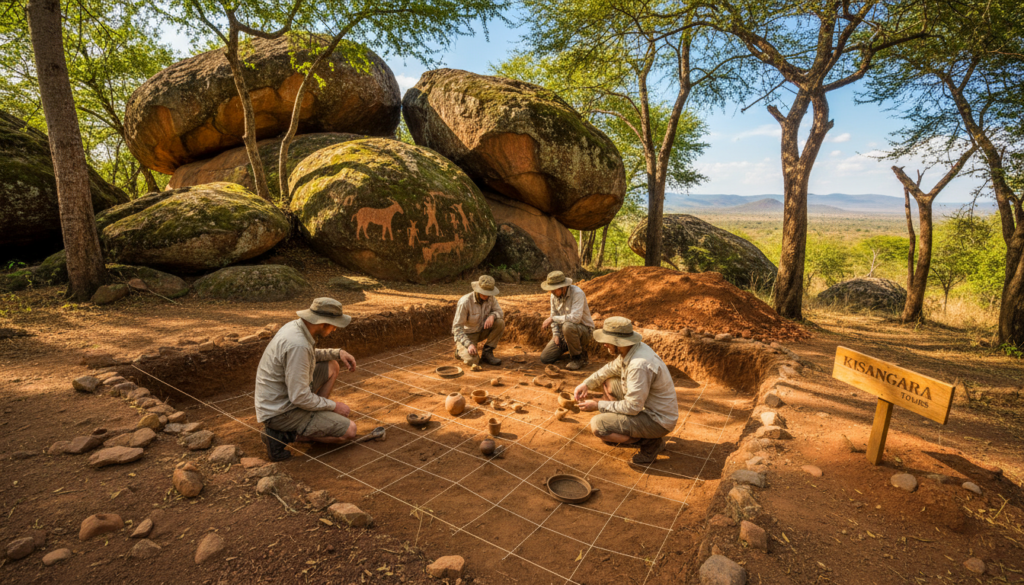
Recent discoveries continue to astonish the archaeological world. In 2021, Polish researchers found remarkable rock art at Amak’hee 4 shelter. The paintings show anthropomorphic figures with buffalo heads and domesticated cattle.
These images may document Sandawe rituals lost to time. They reveal spiritual practices where animals became sacred vessels. The art remains vibrant after hundreds of years.
Remote areas preserve these treasures through careful stewardship. Conservation intertwines with community identity here. Our cultural journeys support these preservation efforts while sharing profound heritage.
You witness time layering where ancient art meets living traditions. Each discovery reminds us that deeper stories await beneath the surface.
Navigating Regional Customs and Social Etiquette
The rhythm of daily life here pulses with unspoken codes of connection—a language of gestures and greetings that welcomes strangers into community. We measure respect not in grand gestures but in the quiet attention paid to each interaction.
Visiting Etiquette and Respectful Interactions
When entering homes or sacred spaces, we observe simple courtesies that honor our hosts. Greetings flow with deliberate pace, acknowledging each person’s presence. Taking time for proper salutations shows deep respect for shared humanity.
We offer refreshments as symbols of welcome, not mere hospitality. Accepting what is given creates bonds that transcend language barriers. These small acts weave visitors into the fabric of local life.
Local Festivals and Traditional Celebrations
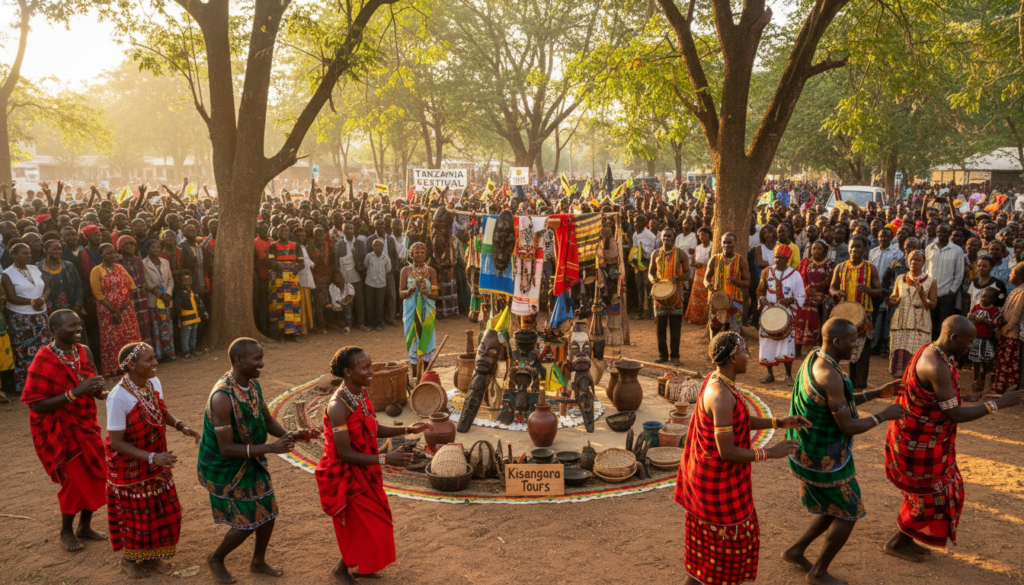
Our calendar dances with celebrations that transform ordinary time into sacred moments. In dar salaam, urban energy meets ancestral traditions during vibrant gatherings. These events draw people from all walks of life into collective joy.
Festivals become living classrooms where customs breathe and evolve. They honor everything from national unity to creative expression. Each celebration offers unique windows into how we resolve conflicts and mark milestones.
| Festival Name | Location | Time of Year | Key Features |
|---|---|---|---|
| Mwaka Kogwa | Zanzibar | July | Ritual conflict resolution with banana stalks |
| Unification Day | Nationwide | April | Commemorates Tanganyika-Zanzibar union |
| Kilimanjaro Marathon | Moshi Region | February | Circumnavigates Africa’s highest peak |
| Dar Film Festival | Dar Salaam | Various | Showcases emerging African cinema |
These gatherings remind us that celebration can heal divisions. They transform potential conflicts into creative expressions. Festival spaces become where hierarchies soften and connections deepen.
Immersing in Art, Music, and Culinary Delights
Our kitchens hum with melodies of spice and tradition, where every meal tells a story of convergence. The sensory landscape here invites you to taste, hear, and see heritage in motion.
Tingatinga, Makonde, and Contemporary Visual Arts
Tingatinga paintings burst with vibrant wildlife scenes that capture our connection to nature. Makonde carvings reveal intricate stories in ebony wood. Contemporary artists in dar salaam blend these traditions with modern themes.
These visual forms represent a living dialogue between past and present. They show how creative expression evolves while honoring ancestral roots.
Bongo Flava, Taarab, and Traditional Music Rhythms
Music pulses through daily life here as a universal language. Bongo Flava’s urban beats mix Swahili poetry with global influences. Taarab’s melodic strings carry centuries of coastal history.
Traditional rhythms still anchor celebrations across ethnic groups. This musical diversity reflects the harmonious way different traditions coexist.
A Taste of Tanzanian Cuisine and Fusion Foods
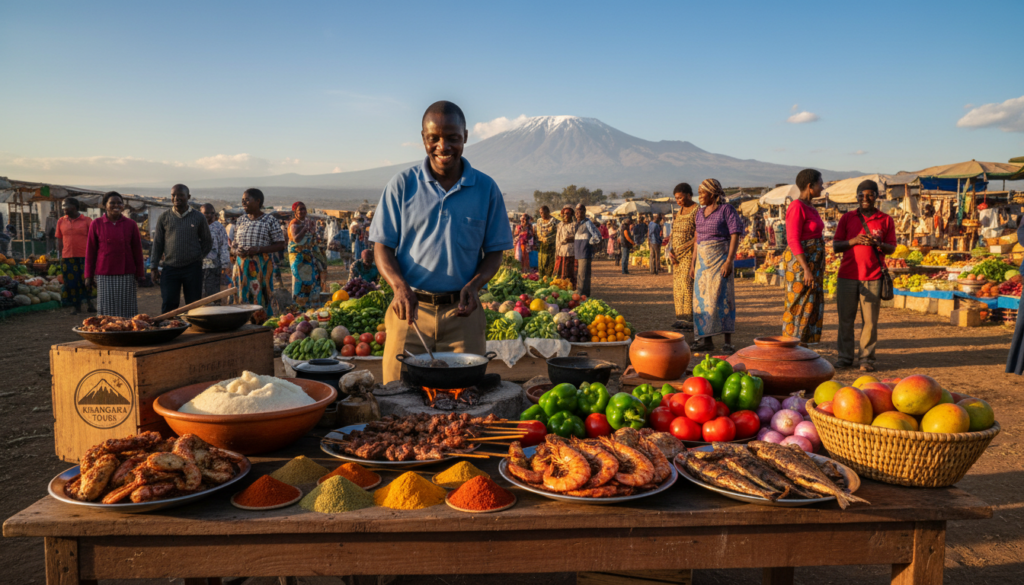
Along the coast, coconut-rich curries speak of Indian Ocean trade routes spanning years. Inland, hearty ugali and stews sustain agricultural communities. The number of banana varieties—at least 17—showcases incredible biodiversity.
Women across regions preserve distinct cooking methods that form an essential part of family life. Street food in urban centers fuels the vibrant pace of today.
Fusion dishes like Zanzibar pizza demonstrate how culinary culture absorbs influences while maintaining local character. Sharing a meal here offers intimate access to how people live and connect throughout east africa.
Plan Your Tanzanian Adventure: Practical Tips and Contacts
Beyond the checklist of destinations lies the real treasure: moments of genuine connection that linger long after you return home.
Contact Information: Give Us a Call and Email Us
We stand ready as your local guides. Our team brings deep knowledge of this remarkable country. We help craft journeys that respect both land and people.
Conservation forms the heart of our approach. Communities actively safeguard wildlife across protected areas. Your travel choices can support these vital efforts.
Travel Recommendations and On-the-Ground Tips
Build generous time into your itinerary. The best experiences unfold at nature’s pace, not a rushed schedule. Quality moments matter more than quantity of sites.
Wildlife viewing in Serengeti National Park follows natural rhythms. Patience rewards you with unforgettable encounters. Flexibility becomes your greatest travel asset.
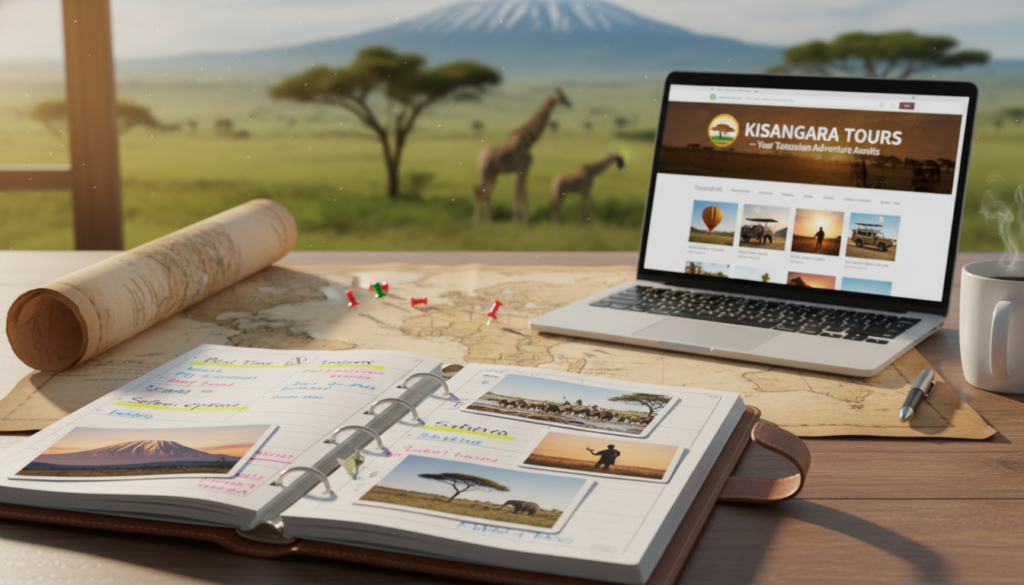
Today’s infrastructure supports comfortable exploration. Luxury safaris can align with sustainable ethics. Choose operators who benefit local communities directly.
| Travel Aspect | Recommended Approach | Timing Considerations | Community Impact |
|---|---|---|---|
| Wildlife Viewing | Early morning/late afternoon | Dry season (June-October) | Supports park conservation fees |
| Cultural Visits | Respectful, unhurried pace | Avoid sacred days/holidays | Direct benefits to villages |
| National Park Entry | Pre-booked permits essential | Peak season requires advance planning | Funds wildlife protection programs |
| Local Guides | Hire certified professionals | Available year-round | Creates sustainable employment |
Every journey reflects your unique interests. We customize recommendations rather than offering generic packages. Our team’s deep local knowledge ensures your adventure honors both your dreams and our homeland’s spirit.
Conclusion
What we’ve shared here are not endpoints but invitations into a living dialogue with a remarkable nation. This tanzania culture breathes through every interaction, waiting for your authentic engagement.
The true measure of meaningful travel lies in how this country reshapes your understanding of human connection. You carry forward stories that bridge distances and transform perspectives.
We welcome you to witness how ancestral wisdom meets contemporary vitality. Your journey into this living culture becomes part of a larger story—one where respect and curiosity open doors to genuine transformation.
FAQ
What are the main ethnic groups in Tanzania?
Our homeland is a beautiful mosaic of over 120 distinct peoples. The Sukuma, Chagga, and Maasai are among the largest, yet each group contributes unique traditions to our national tapestry. This rich diversity is woven together by our shared Swahili language and a profound sense of unity.
Is English widely spoken across the country?
English serves as an official language alongside Swahili, primarily used in government, higher education, and business. In bustling hubs like Dar es Salaam and Arusha, you’ll hear it often. As you journey into rural areas and local markets, the melodic flow of Swahili becomes the heart of daily life and connection.
How can I be a respectful visitor when interacting with local communities?
A warm, respectful greeting is the key that opens every door. A simple “Shikamoo” (to an elder) or “Habari” shows immediate respect. Always use your right hand for giving and receiving items. Dress modestly, especially outside urban centers, and always ask permission before taking photographs of people—this honors their dignity and privacy.
What is the significance of Olduvai Gorge?
Often called the ‘Cradle of Mankind,’ Olduvai Gorge is a sacred landscape where the earth whispers secrets of our earliest ancestors. This archaeological treasure in the Ngorongoro Conservation Area has revealed fossils and stone tools that trace human evolution back millions of years, making it a pilgrimage site for understanding our shared history.
What kind of traditional music and art can I experience?
The rhythm of our land pulses through vibrant art forms. You can marvel at the colorful, dreamlike Tingatinga paintings or the intricate wood carvings of the Makonde people. Your ears will be treated to the soulful strings of Taarab music and the modern, energetic beats of Bongo Flava, a sound born in Dar es Salaam that tells the story of contemporary life.