Tanzania Activities.
Beyond the game drive. Tanzania offers an extraordinary range of complementary wildlife experiences.
The full range
of experiences.
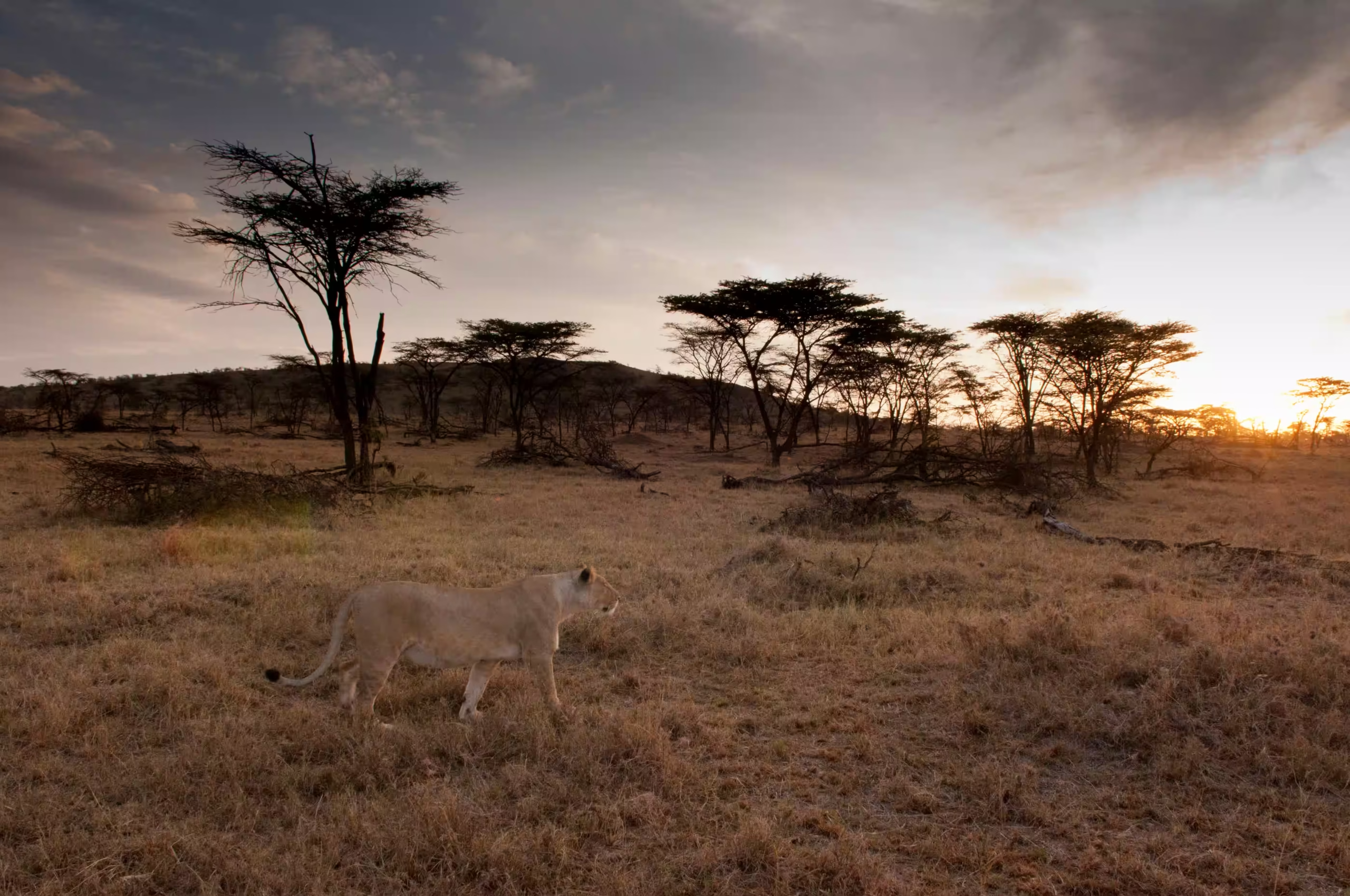
Serengeti · Pre-dawn
Departs before dawn. Floats silently over the plains as the light builds. Champagne bush breakfast on landing.
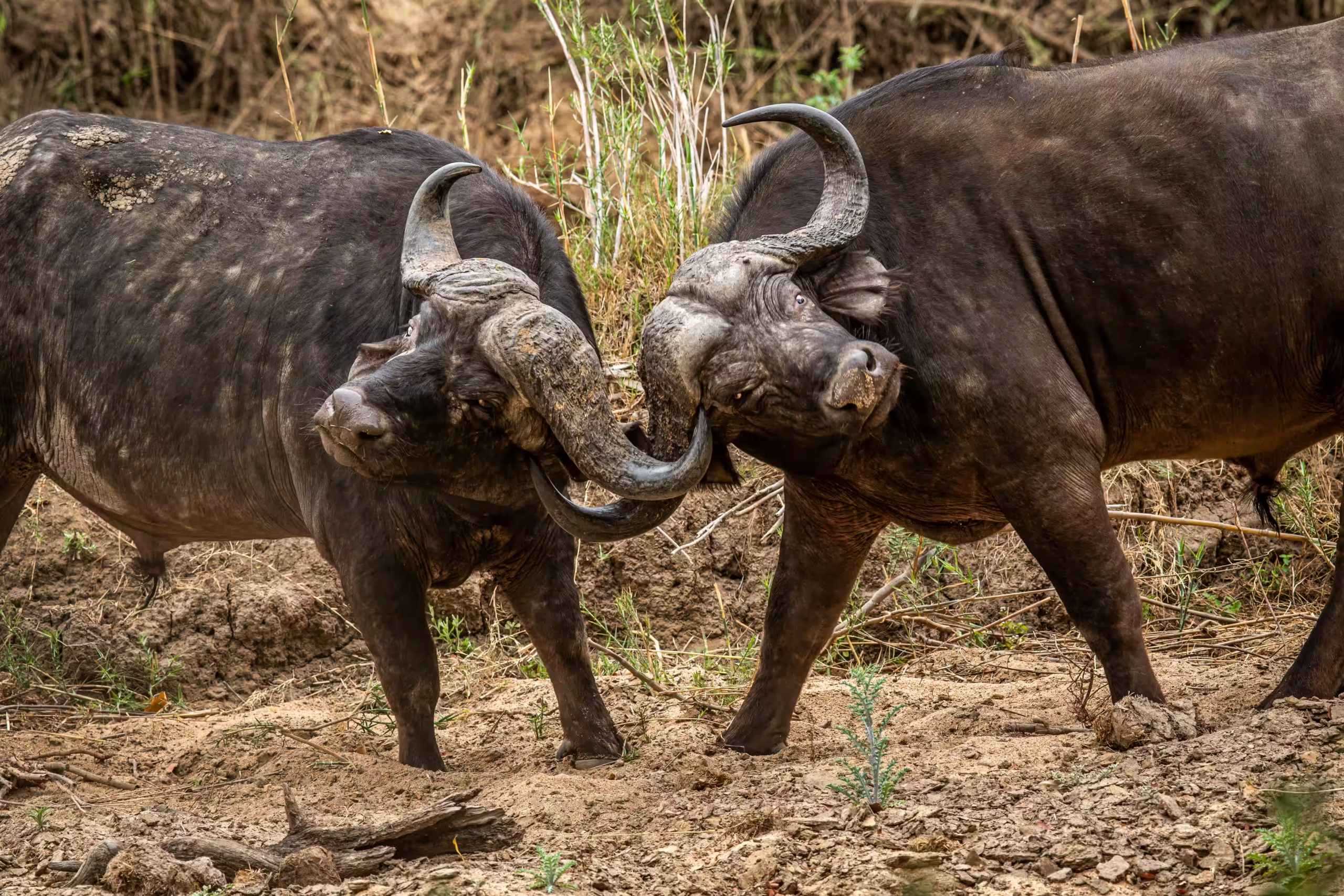
Ruaha · Nyerere · Ngorongoro
Reveals the smaller ecosystem in a way no vehicle can. The perspective shifts — suddenly the tracks, insects, and air matter.
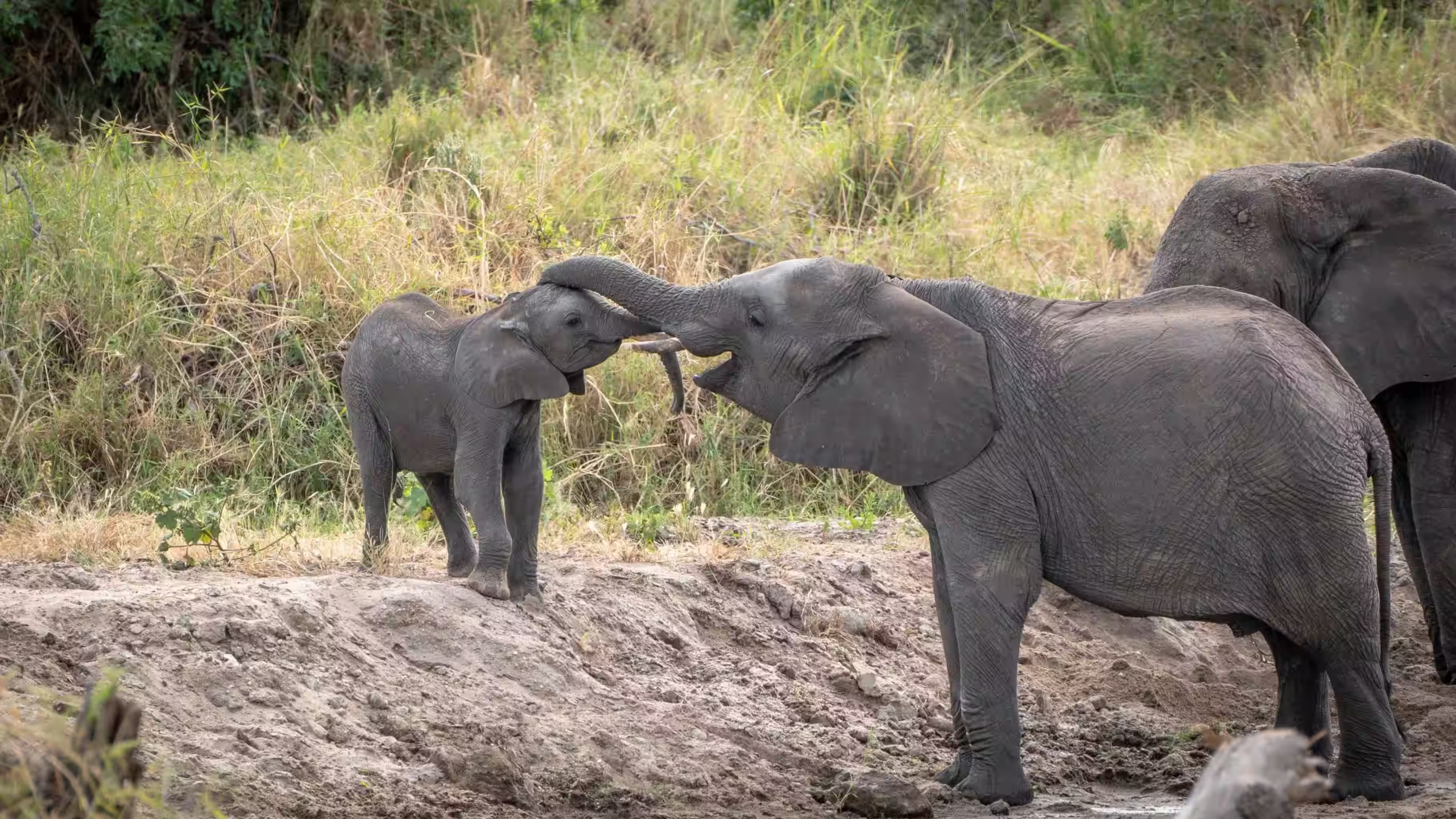
Tarangire · Conservancies
Aardvark, pangolin, civet, African wildcat, and the nocturnal predator suite. Completely different from the daylight ecosystem.
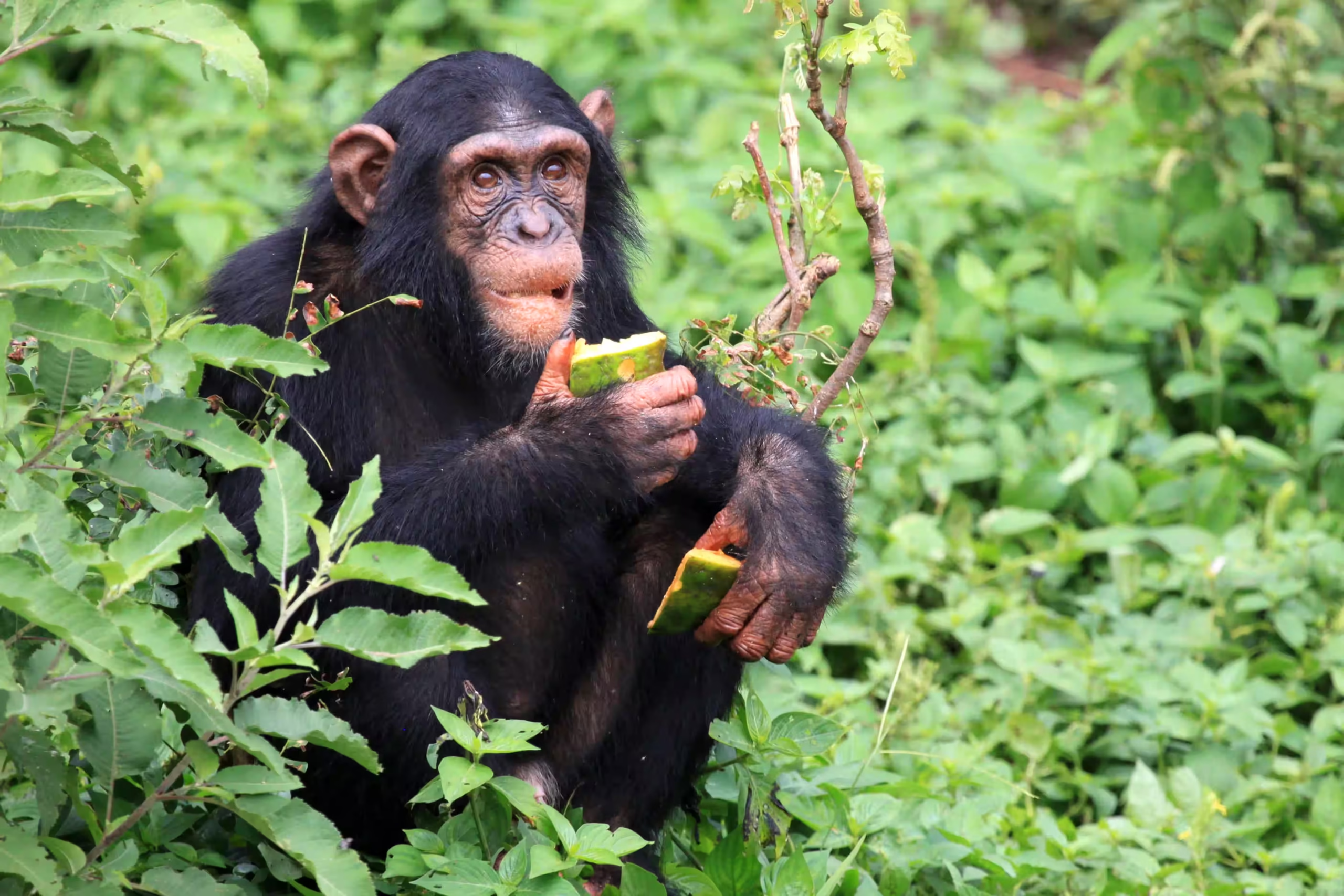
Mahale · Gombe
Among the most emotionally intense wildlife encounters in Tanzania. Habituated chimps at close range in forest long studied by researchers.
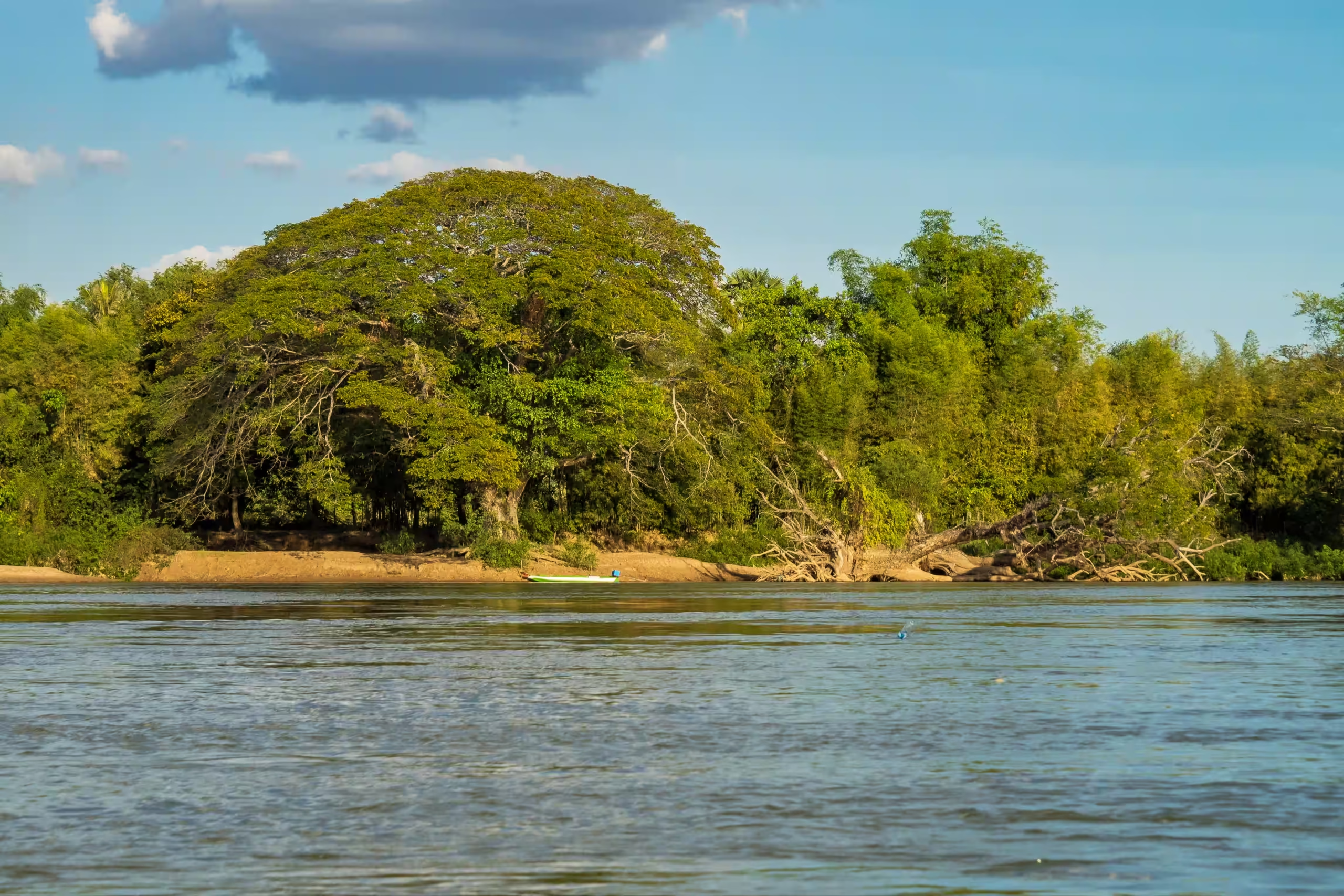
Rufiji River · Nyerere
At water level with hippopotamus, Nile crocodiles, fish eagles, and goliath herons. Signature to the southern circuit.
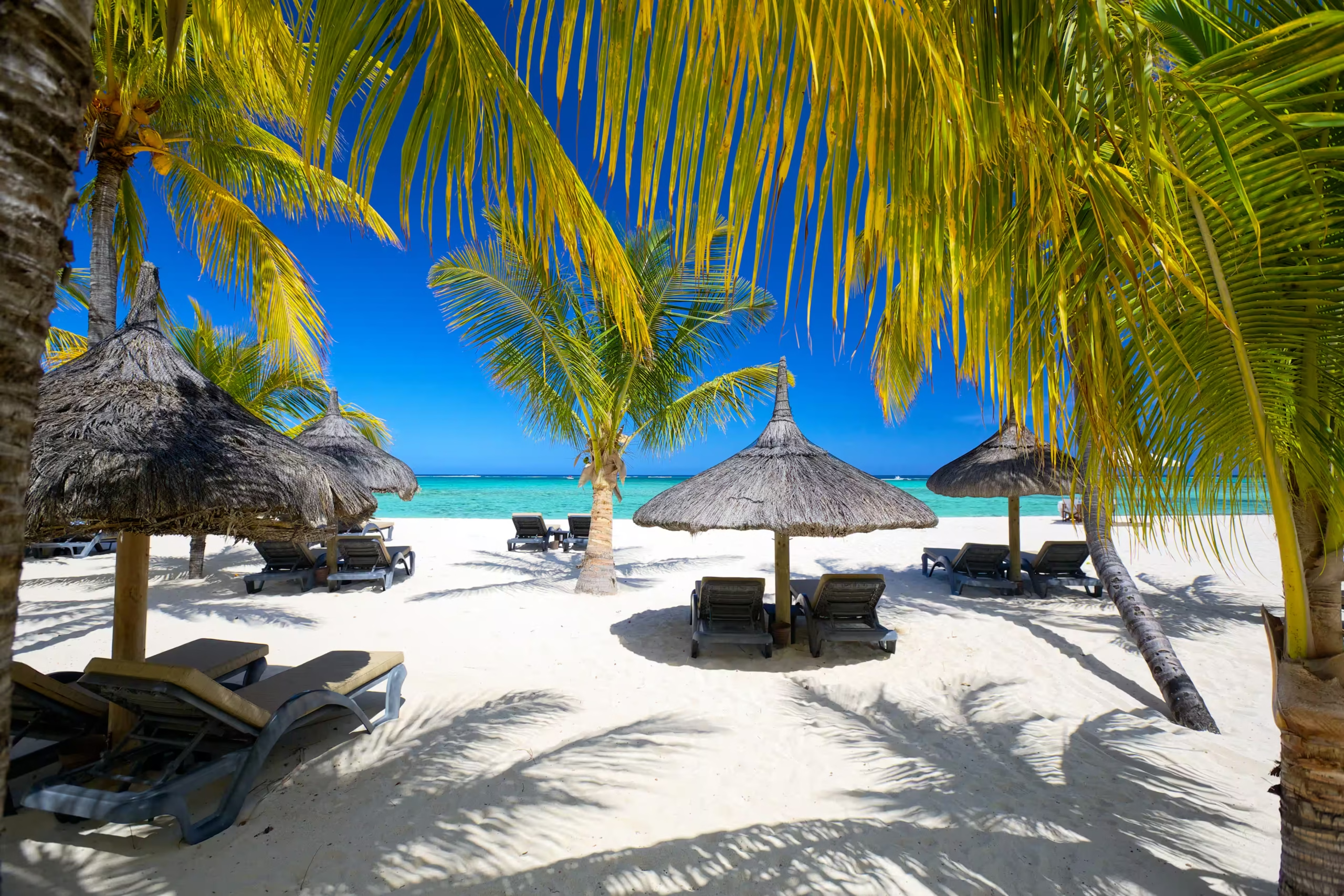
Zanzibar · Pemba · Mafia
Mnemba Atoll snorkelling. Pemba wall dives. Mafia Island whale sharks for the extraordinary marine chapter.
What you need
to know.
The foundation
The game drive is the core safari activity — vehicle-based wildlife observation at dawn and dusk when animal activity is highest. In Tanzania, drives operate from open-top 4WDs that allow 360-degree observation and photography. Quality depends almost entirely on the guide: species knowledge, locating wildlife, and vehicle positioning. A good game drive is not passive tourism; it is an active ecological investigation.
A different scale
On foot, scale becomes real — a termite mound is enormous, a dung beetle’s labour is heroic, and an elephant feeding fifty metres away is genuinely alarming. Conducted with an armed ranger and guide in parks that permit walking (including Tarangire, Lake Manyara, parts of the Serengeti, and southern parks). Groups limited; children typically twelve or older. Two hours minimum; a half-day walk covers enough ground to engage smaller-scale ecology that vehicles miss.
The Serengeti from above
A balloon flight over the Serengeti at dawn is one of Tanzania’s iconic experiences. Launch at first light; drift silently for about an hour. Horizon-to-horizon grassland, game trails from above, the balloon’s shadow across herds — a view no vehicle can match. Available year-round from Seronera and northern Serengeti in migration season. Champagne bush breakfast follows landing. Expect a full morning and a separate fee (often around $500–600 per person), sometimes included in luxury packages.
Maasai & community
Northern Tanzania is home to the Maasai, who have maintained a pastoral, semi-nomadic lifestyle across the Serengeti–Mara ecosystem for centuries. Visits to Maasai bomas can be arranged through community-approved programmes that benefit host families. Typically includes a compound tour, fire-making and traditional medicine demonstration, and beadwork from the women’s cooperative. Genuine exchanges, not performances — they require respect and preparation.
Your questions,
answered.
Tell us what you
want beyond drives.
Balloon, walking, night drives, chimps, boat, or island diving — share your dates and interests. We’ll fold the right activities into one clear outline.
Enquire now