From the people
who were there.
The Kisangara journal is written by our guides and specialists — people who spend more days in the bush each year than most wildlife enthusiasts see in a lifetime. These are not marketing narratives. They are field observations, planning guides, and wildlife stories from people whose office is a Land Cruiser and whose expertise is the Tanzanian wilderness.
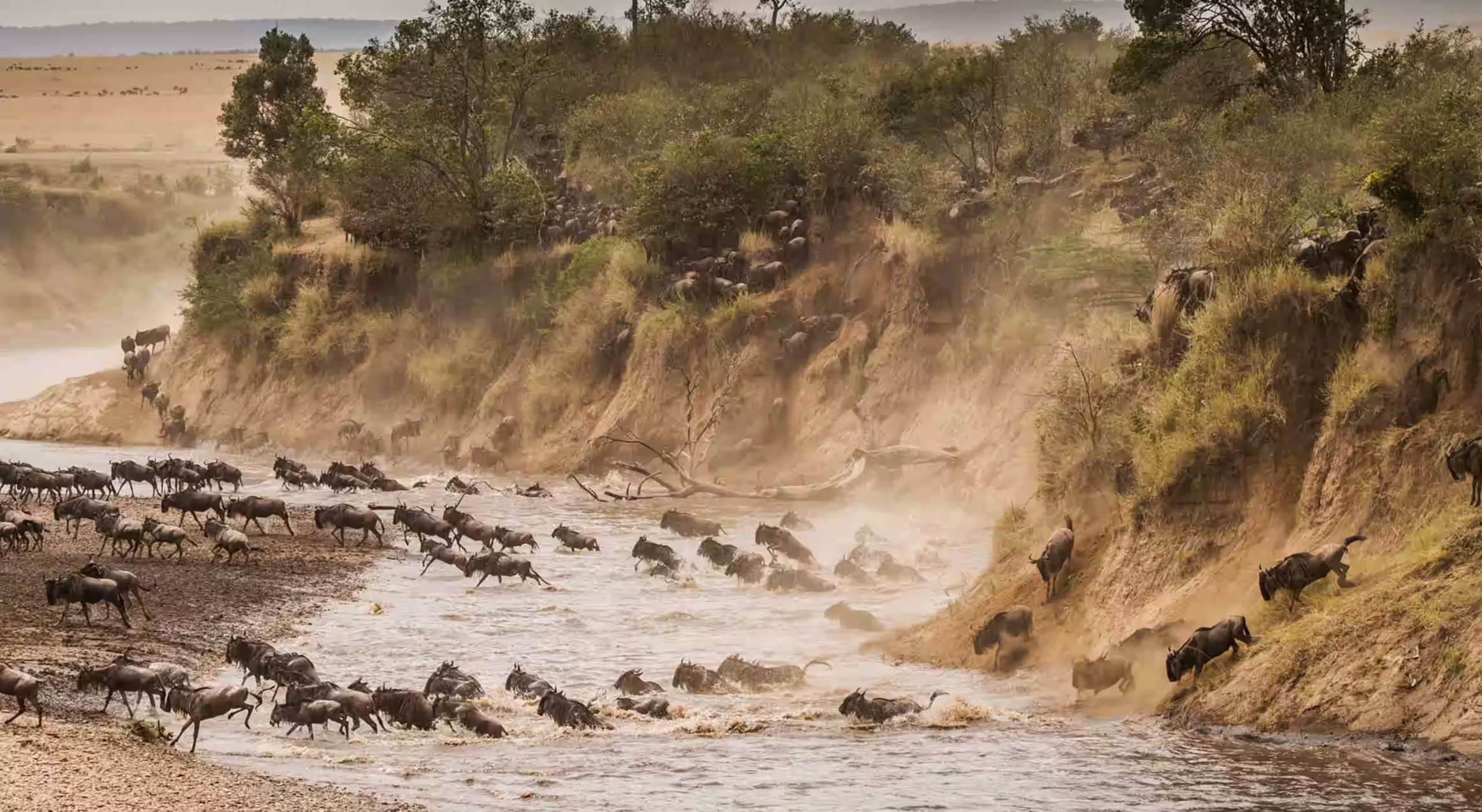
The crossing that took four days to begin
A herd of 60,000 wildebeest gathered on the south bank of the Mara River. They stood there for four days before crossing. Our guide Emmanuel explains why — and what the waiting teaches you about animal behaviour under collective pressure.
Read More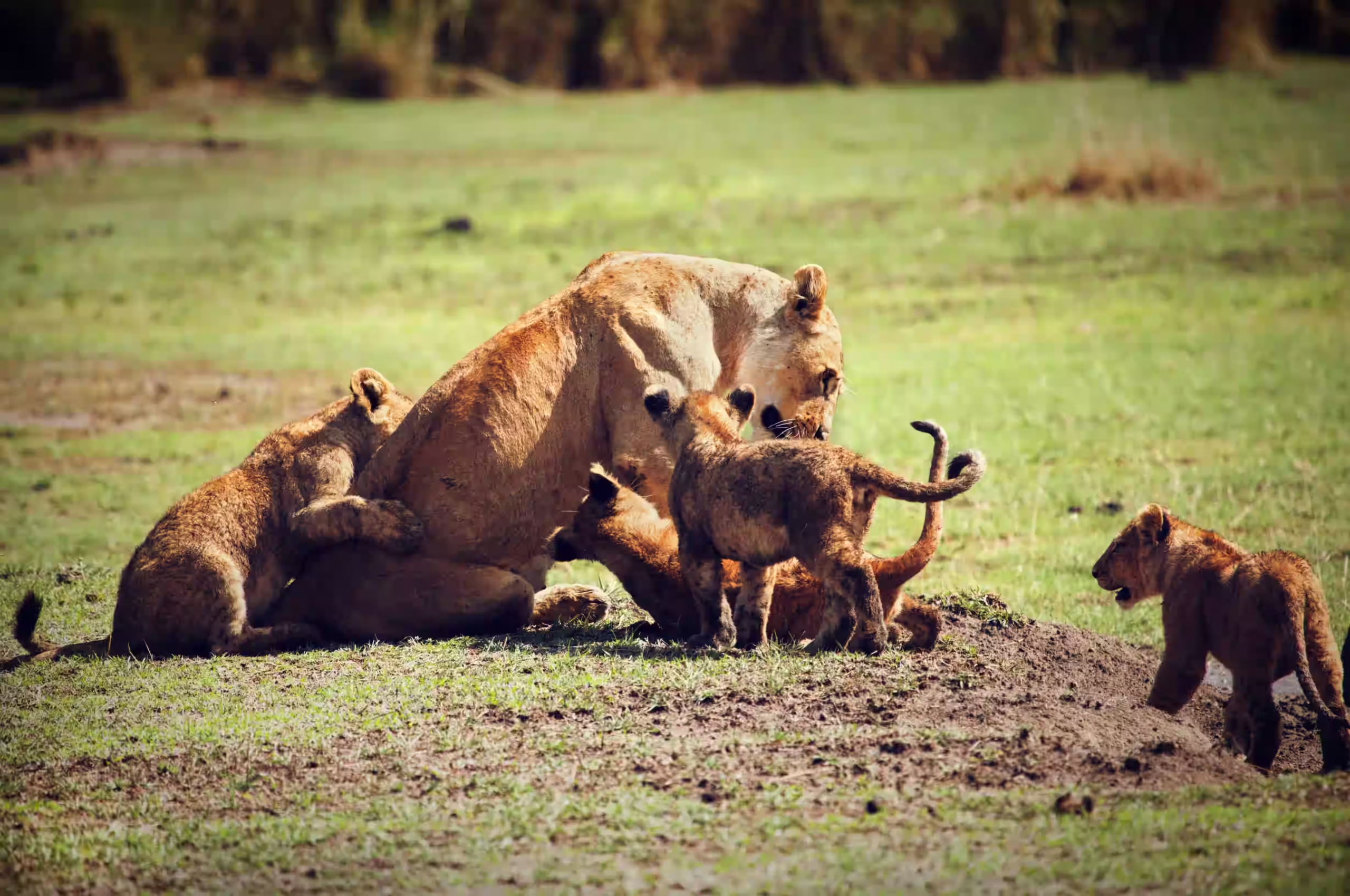
Why January is our favourite month in Tanzania
Most people book for the river crossings. But January — the calving season at Ndutu — is the month our guides most look forward to. Here is why, and why the best time to visit is not the most popular time.
Read More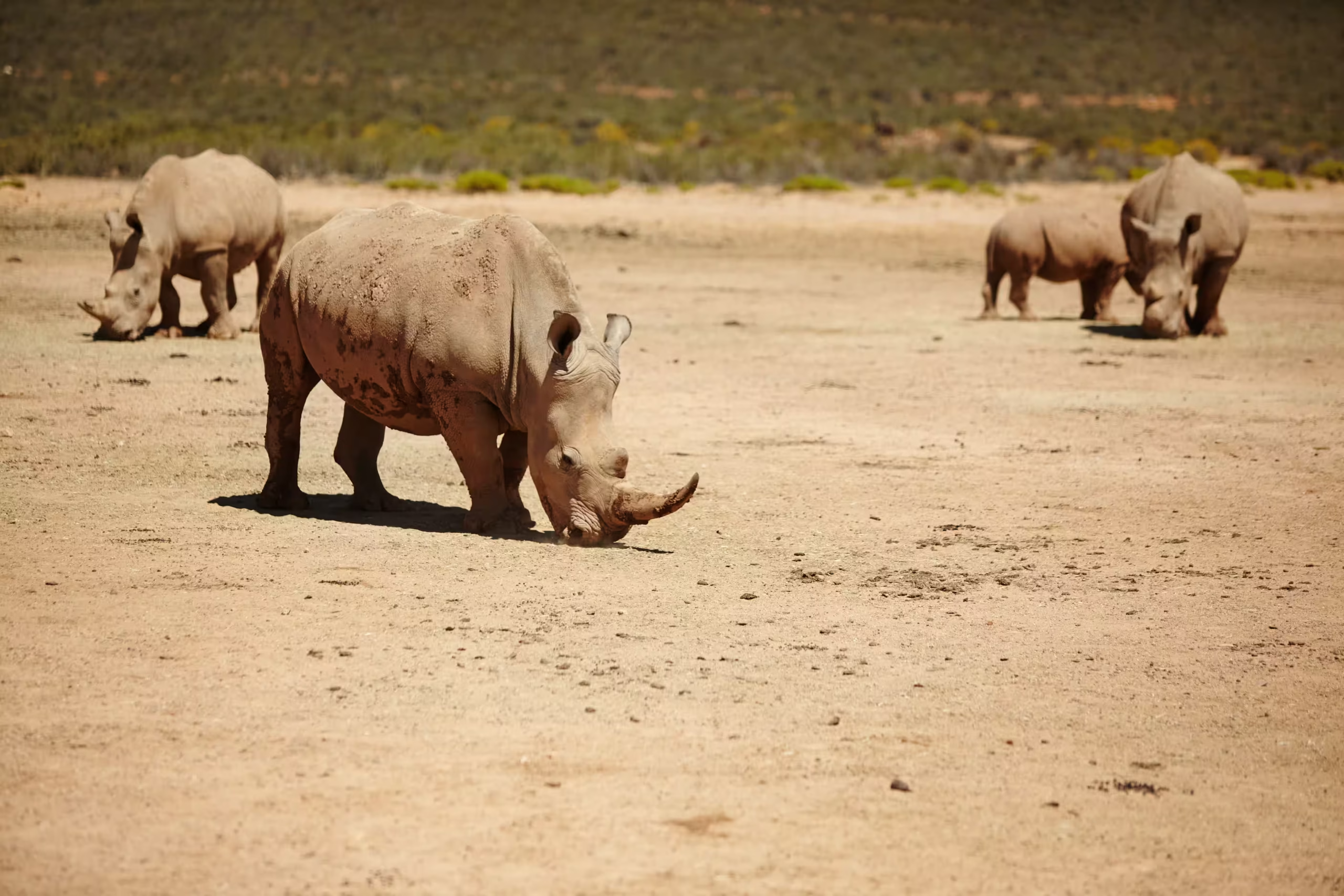
The black rhino of Ngorongoro: twenty-six individuals
Our guide knows each of the twenty-six black rhino on the crater floor by their ear notch pattern. He explains the conservation effort that has stabilised this population, and what a rhino sighting in the crater actually tells you about the animal.
Read MoreLatest from
the field.
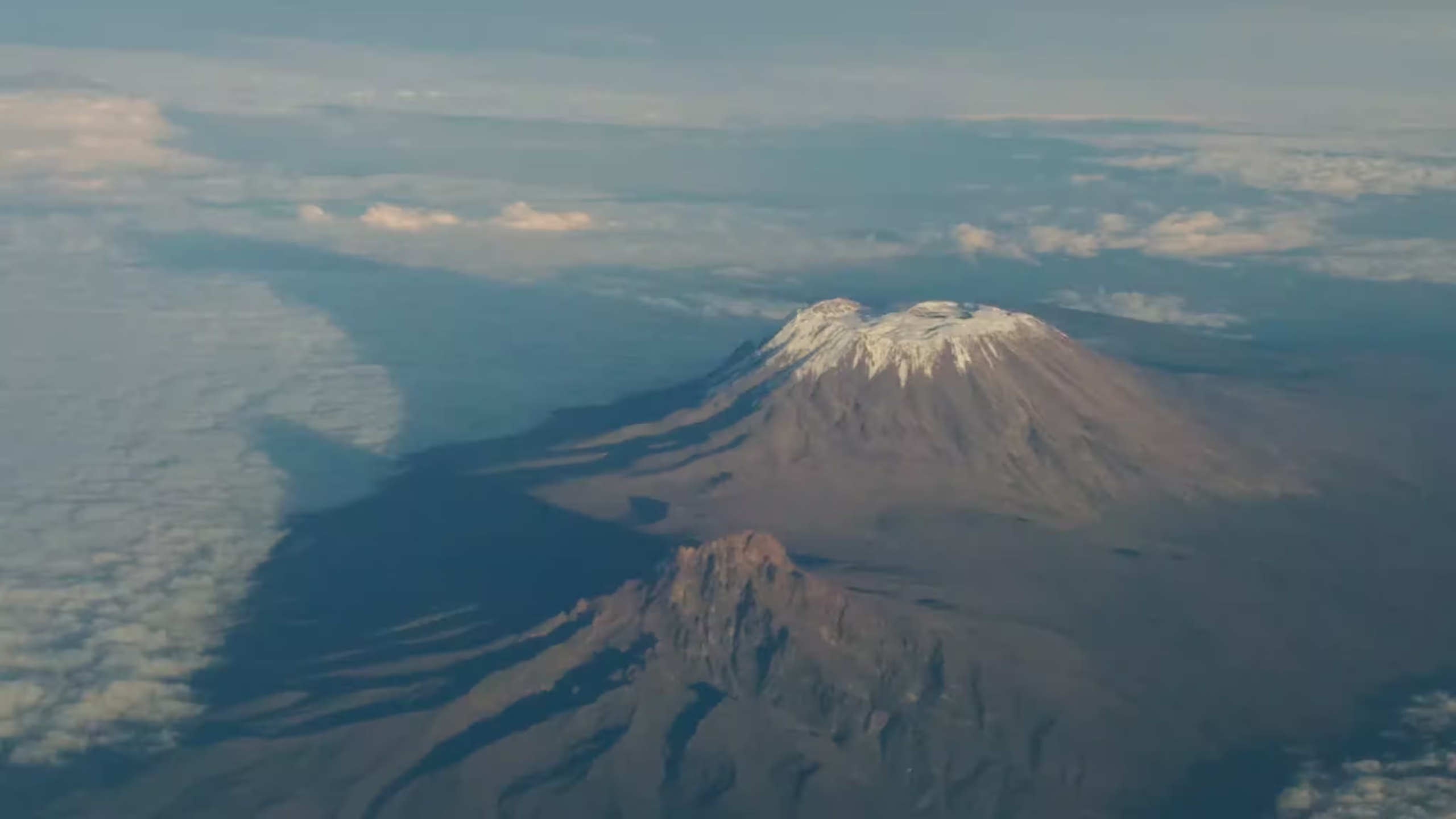
Climbing Kilimanjaro in the shoulder season
March and October offer fewer crowds, lower prices, and — counter-intuitively — similar summit success rates to the peak months of January and August. Our mountain guides explain the seasonal trade-offs in detail.
Read More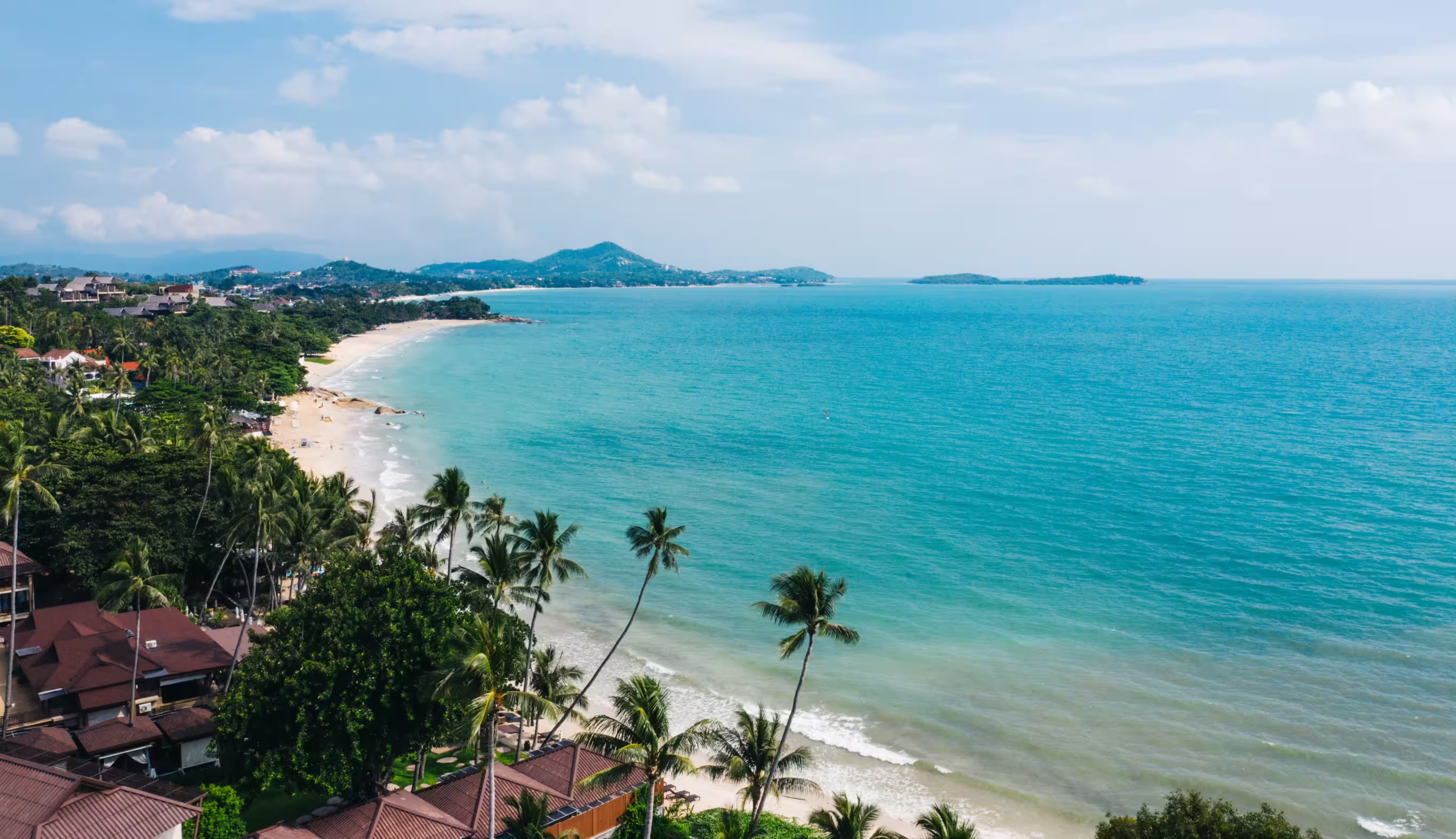
Zanzibar beyond the beach: Stone Town and the spice routes
Most guests add Zanzibar as a beach extension after safari. Our Stone Town specialist explains the island's Omani Arab history, the spice plantation tours, the local food culture, and why three nights is not enough to see it properly.
Read More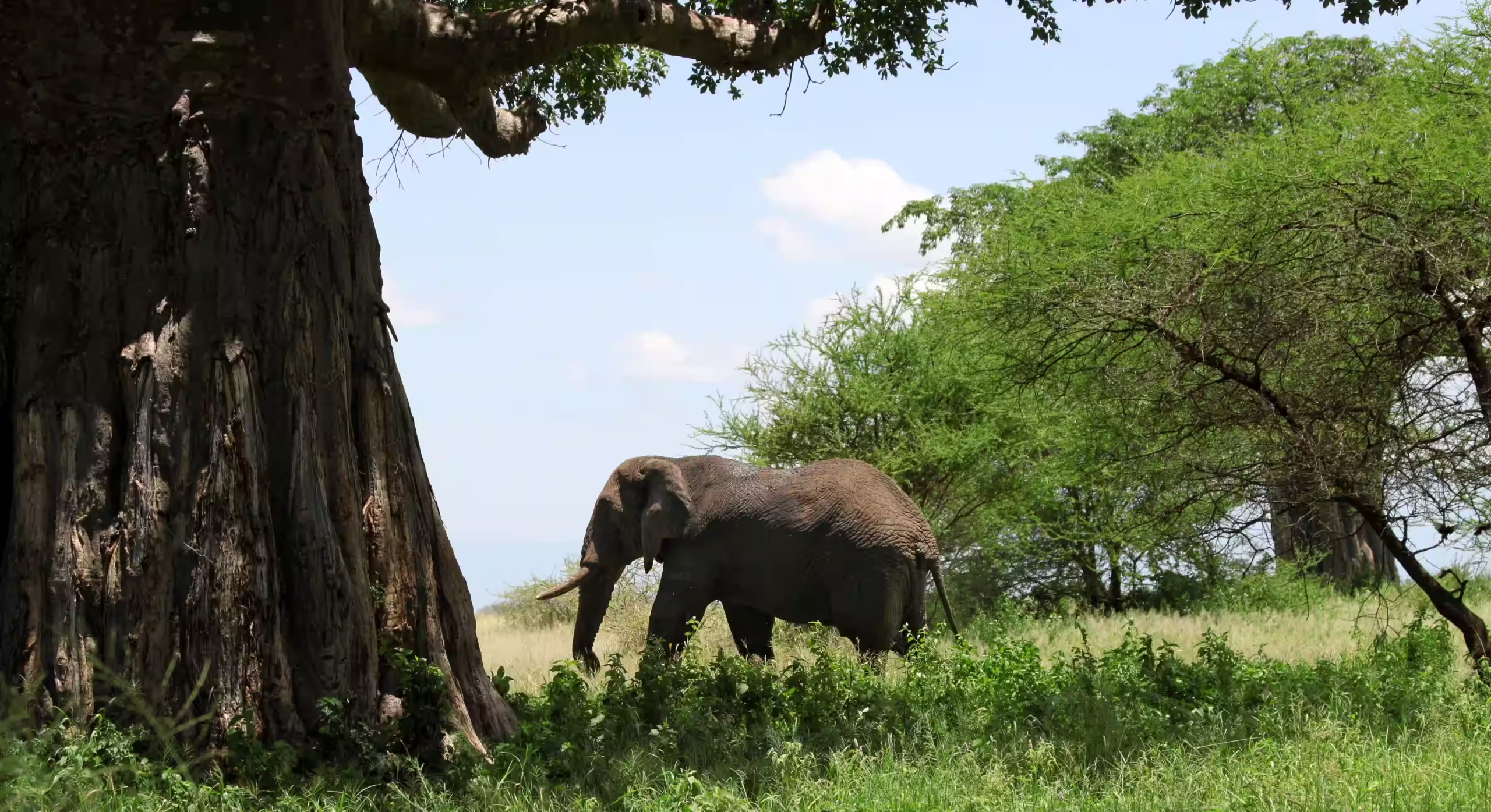
Why Tarangire deserves more than one day
Most itineraries allocate one or two days to Tarangire before moving north. Our guide argues that three to four days reveals an ecosystem that most visitors completely miss — the Silale swamp, the southern concessions, and the largest elephant population in northern Tanzania.
Read More